
Mens Dress Watch
A mens dress watch is a refined timepiece designed for formal wear, offering slim profiles and classic dials that complement tailoring.

Mens Dress Watch
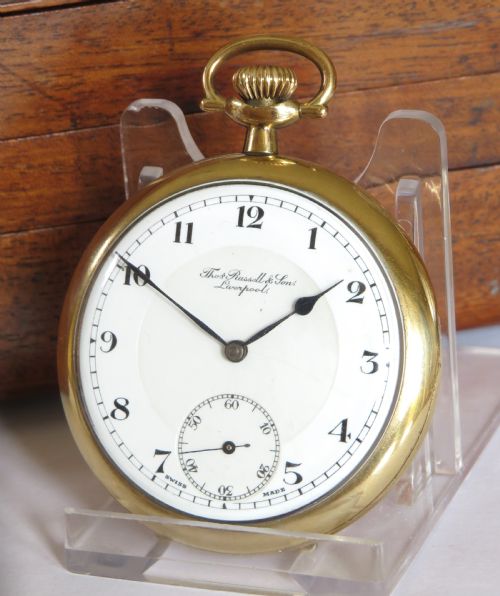
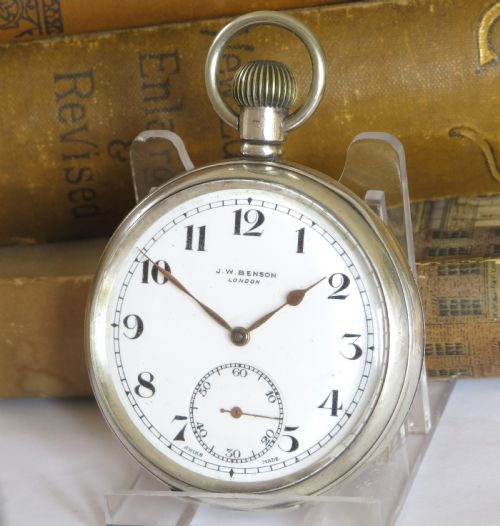
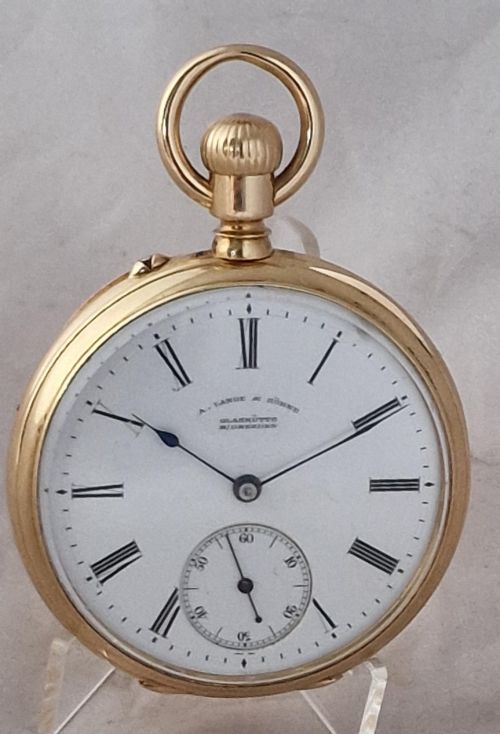
A mens dress watch encompasses both vintage wristwatches and pocket watches designed primarily for formal attire rather than robust utility. The pieces found here span from Victorian pocket watches through Art Deco designs to Mid-Century Modern automatic and manual-wind wristwatches.
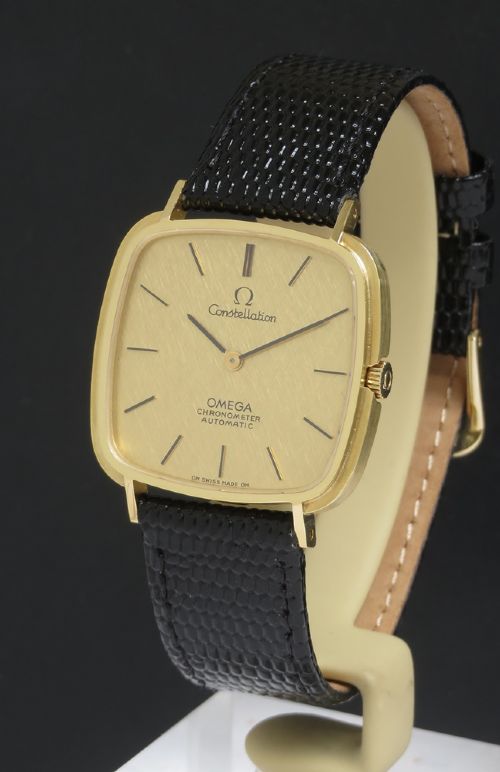
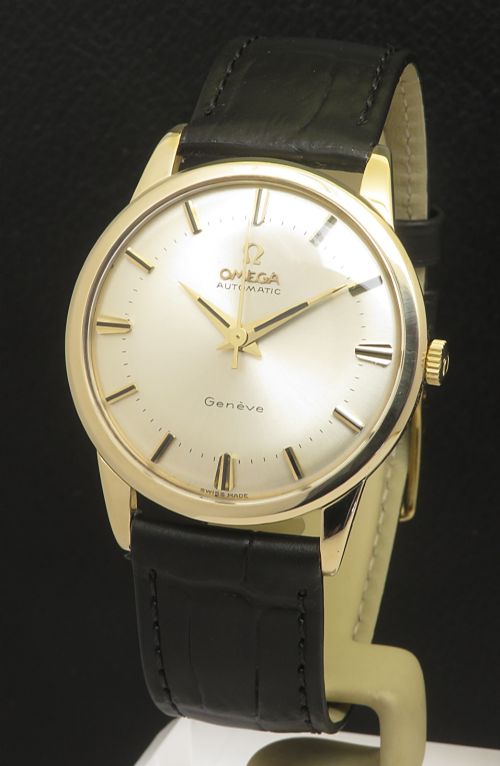
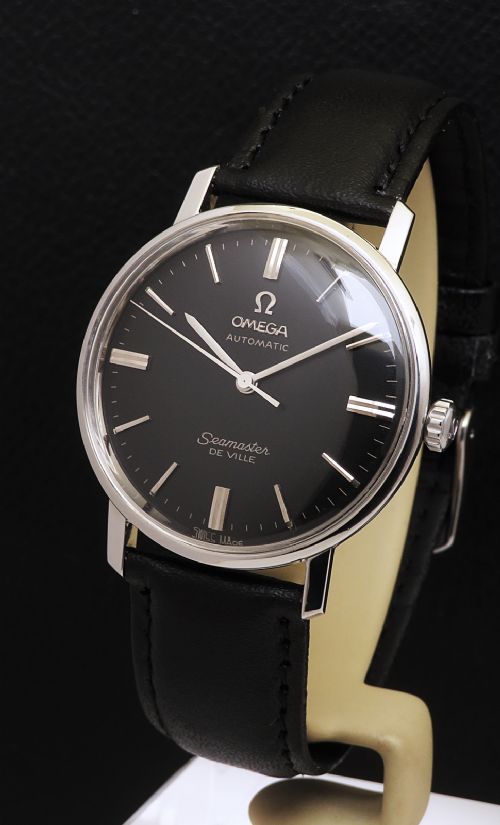
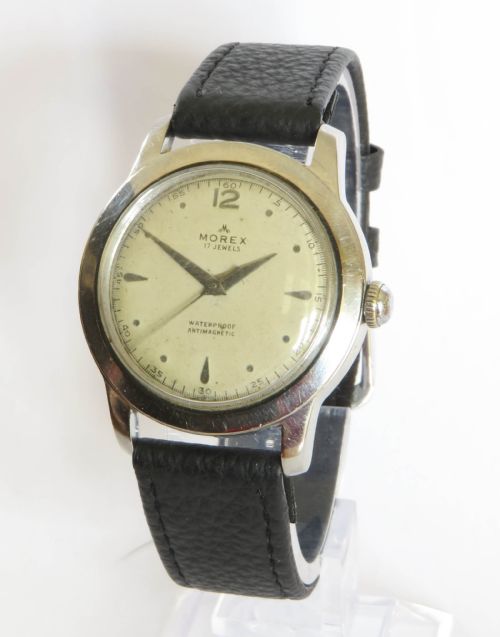
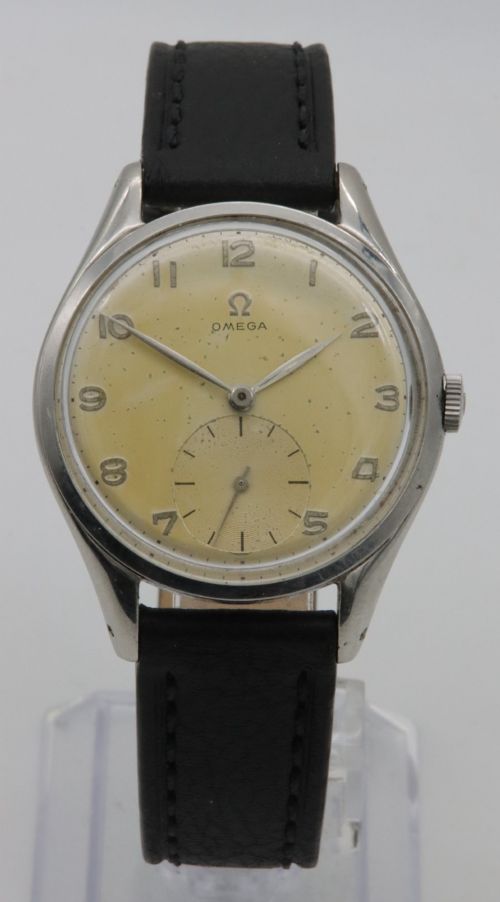
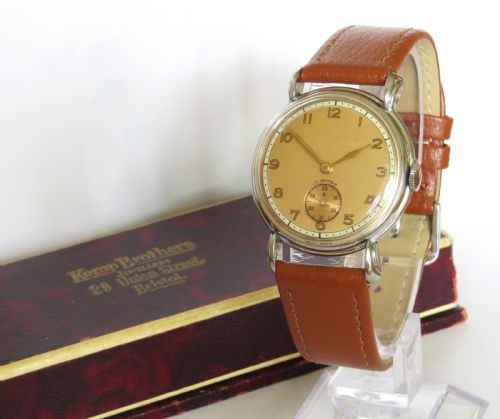
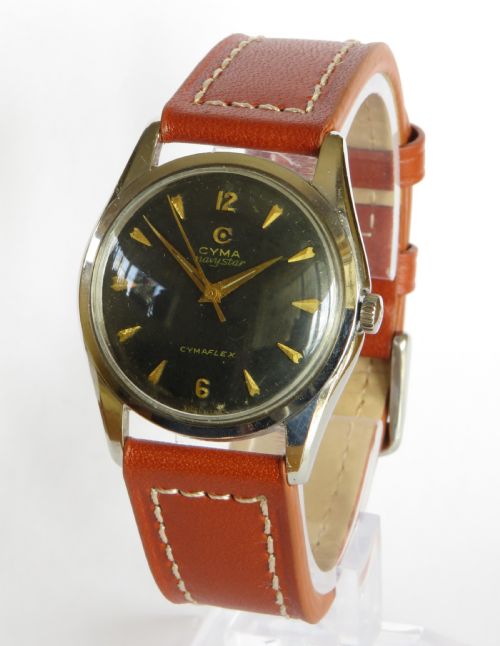
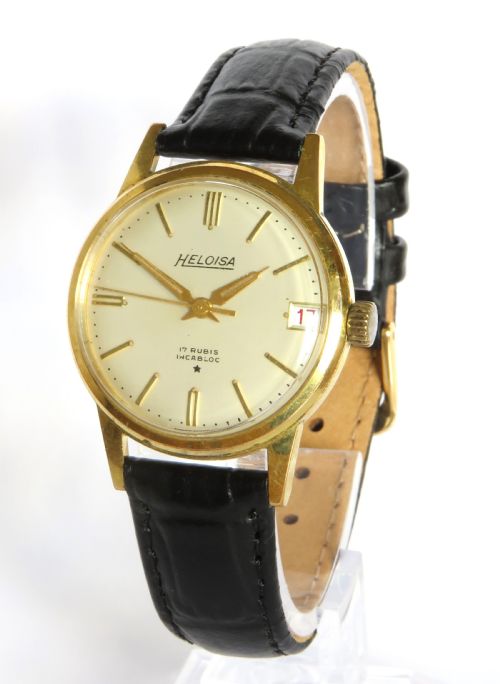
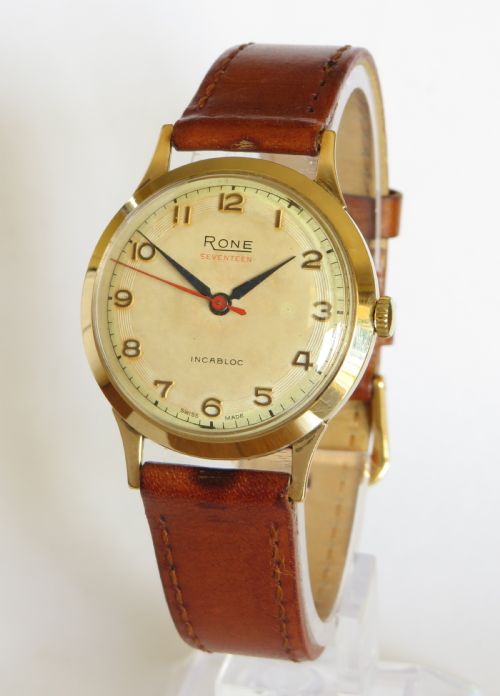
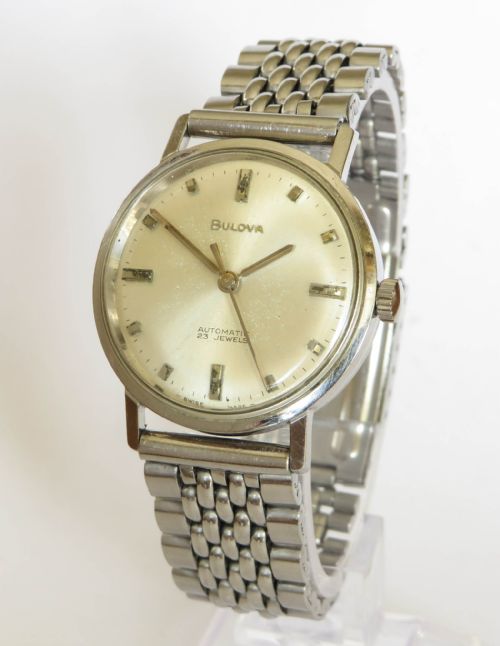
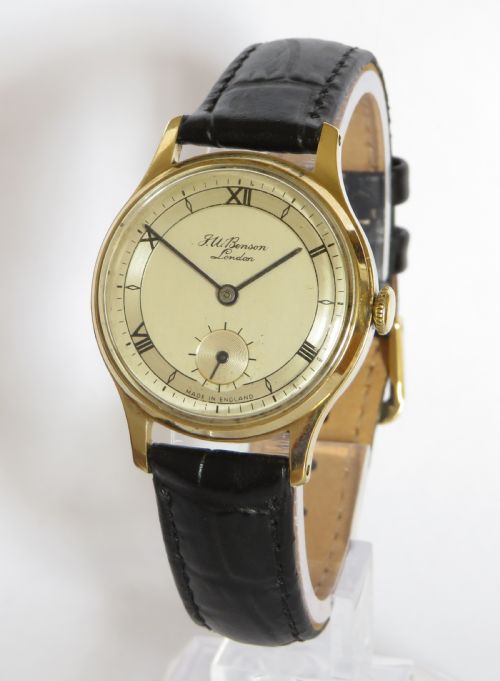
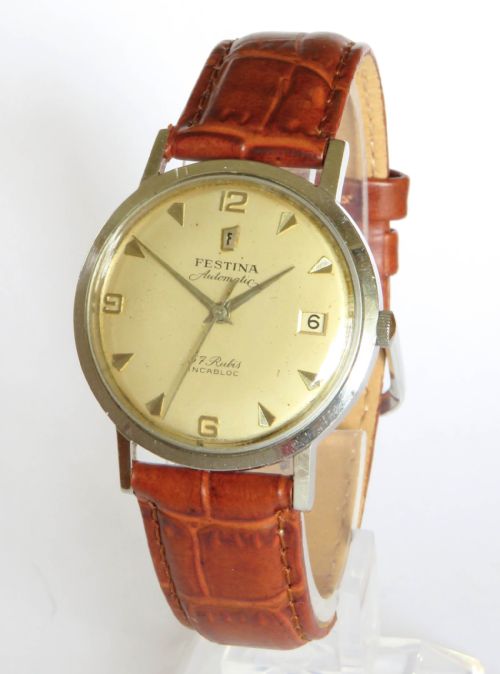
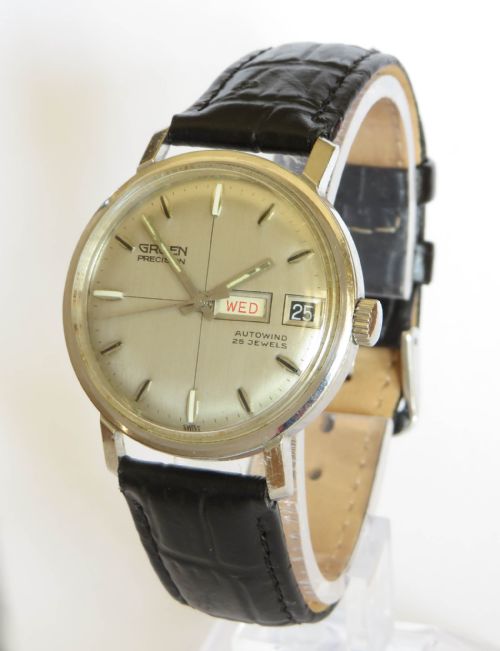
The most common version met on this page is the mid-century wristwatch housed in solid 9ct gold or stainless steel, often featuring simple baton markers and leather straps. These objects reflect the changing tastes of horology across the decades, moving from pocket-bound mechanisms to wrist-worn precision.
Materials and construction methods
Cases are formed from precious metals such as 9ct and 18ct gold, gold plate, and stainless steel, paired with durable leather straps and fitted with acrylic or glass crystals. Dials frequently incorporate delicate enamel work and applied metal markers to create legible, uncluttered faces.
Movements rely on mechanical ingenuity, utilising manual-wind or automatic self-winding calibres alongside bumper movements and chronometer escapements. These internal mechanisms require careful assembly by skilled watchmakers to maintain accurate time within compact cases.
Early self-winding movements gently bump against internal springs, letting wearers feel the mechanical pulse of time on their wrist.
Distinctions in execution and preservation
Quality separates standard production models from certified chronometers and pieces finished in solid high-carat gold rather than thin plating. The presence of original signed dials, matching boxes, papers, and factory-signed crowns elevates the standing of a timepiece.
The condition of the movement and the crispness of the case edges indicate how well a watch has survived decades of use. Examples that retain unpolished contours and serviced mechanical parts demonstrate superior preservation compared to heavily worn alternatives.
Omega·Thomas Russell and Son·Lange and Sohne·Bulova·Longines·Girard Perregaux·Zenith
The Mens Dress Watch Glossary
- Calibre
- The specific manufacturer's model designation for a watch movement. This internal engine dictates the technical specifications and architecture of the timepiece.
- Chronometer
- A high-precision watch that has passed rigorous accuracy tests conducted by an official observatory. Such movements represent the upper tier of mechanical reliability.
- Manual-wind
- A traditional movement requiring the wearer to turn the crown by hand to tension the mainspring. These watches lack rotor weights, allowing for exceptionally slim case designs.
- Bumper automatic
- An early self-winding movement where the rotor swings back and forth against buffer springs rather than rotating fully. This distinct mechanism is characteristic of mid-century automatic watches.
- Enamel
- A glassy substance fused to the metal dial through high-temperature firing to create a glossy, enduring surface. Enamelled faces resist fading and maintain their colour across centuries.
Mens Dress Watch: Frequently Asked Questions
How do I wear a vintage dress watch?
A mens dress watch fits neatly under the cuff of a shirt due to its slim profile. It pairs best with formal tailoring and leather straps that match your shoes.
Avoid wearing these delicate vintage pieces during rigorous physical activities or swimming, as many early models lack modern water resistance.
What is the difference between manual and automatic?
Manual-wind watches require daily hand-winding via the crown to keep the mainspring tensioned. They offer the advantage of a thinner case profile, which suits formal dress codes.
Automatic watches wind themselves using the natural motion of the wearer's wrist throughout the day. This convenience comes with a slightly thicker case to accommodate the internal rotor.
How do I date a vintage watch?
Dating relies on movement serial numbers, case hallmarks, and stylistic cues such as dial typography and lug shapes. Reference books and manufacturer archives often link serial numbers directly to production years.
Some pieces feature hallmarks stamped inside the case back that reveal the exact assay office and year of manufacture for precious metal housings.
Are pocket watches still practical?
Pocket watches function reliably as alternative timepieces for formal waistcoats or three-piece suits. They offer a tangible connection to nineteenth and early twentieth-century horology.
While less immediate to check than a wristwatch, a well-maintained pocket watch delivers accurate timekeeping and distinct character for special occasions.