


Meiji Ware Pottery
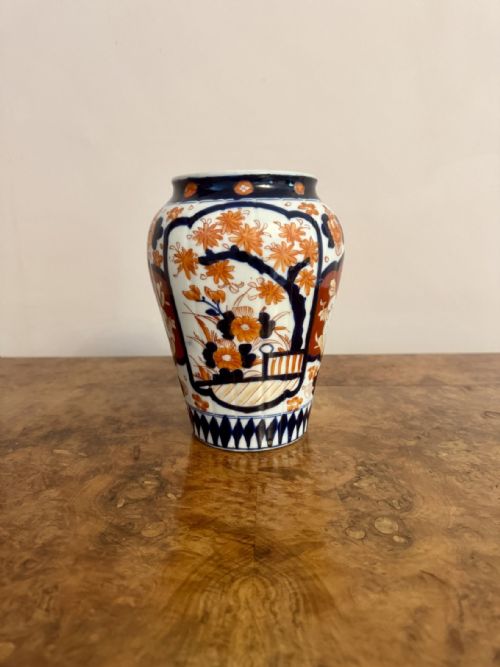
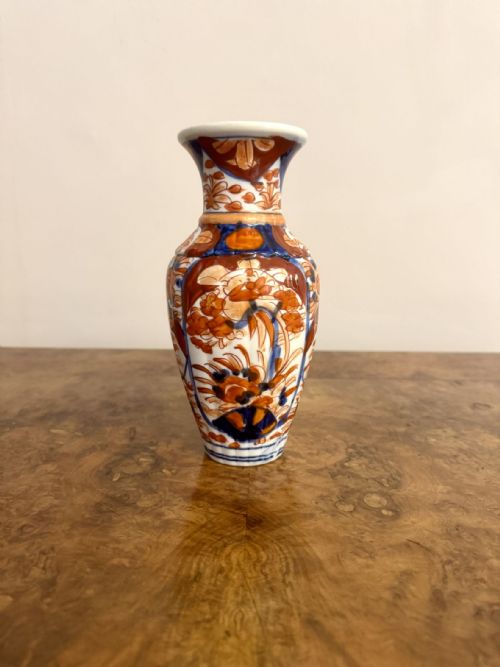
When you search for meiji ware pottery, you encounter a diverse range of 19th-century Japanese ceramic vessels, figures, and decorative dishes crafted for both domestic use and export during a period of intense artistic output.
Meiji Ware Pottery
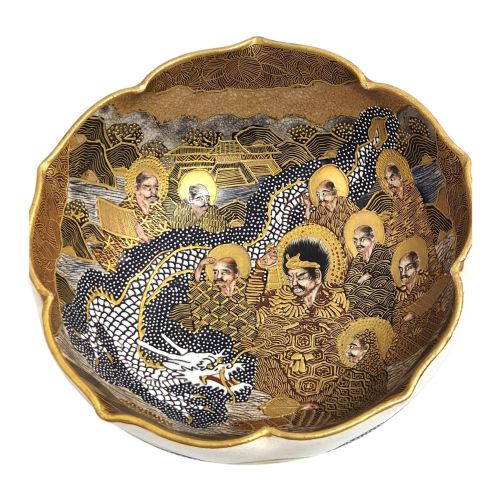
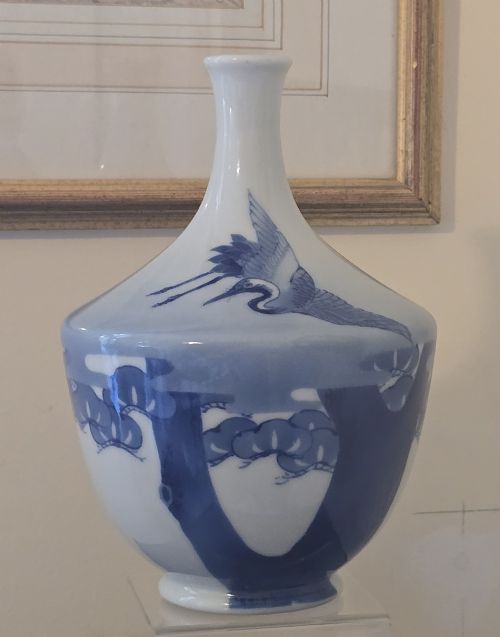
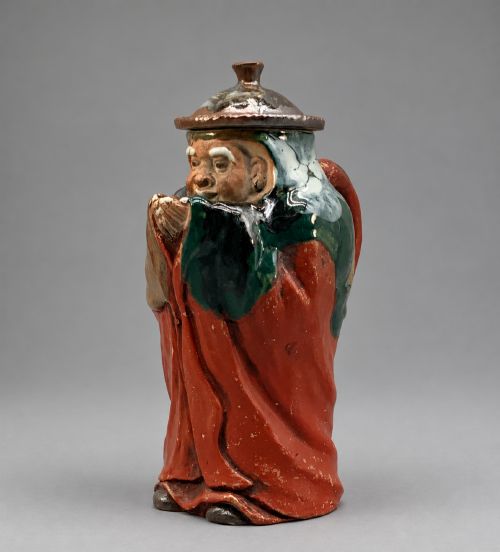
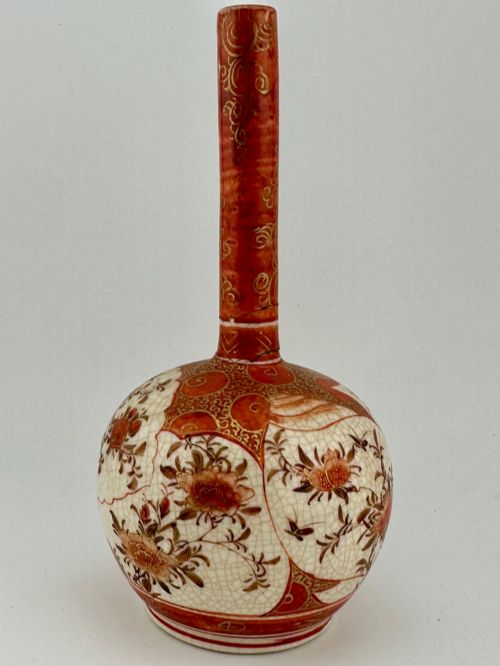
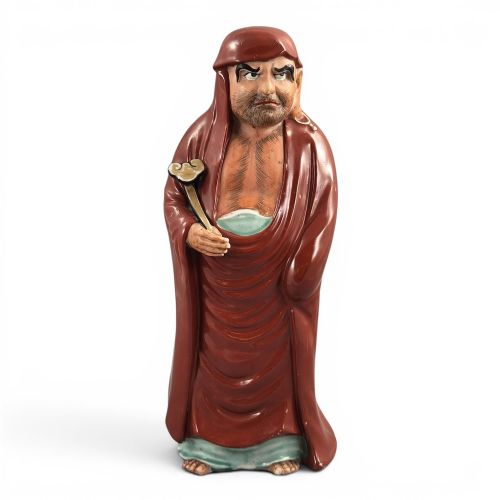
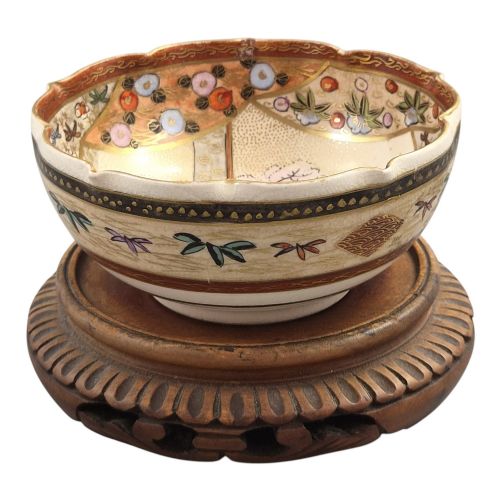
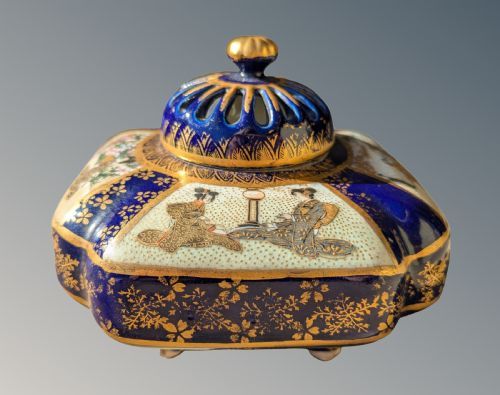
Meiji ware pottery encompasses a broad variety of objects created in Japan during the late 19th and early 20th centuries, including vases, decorative bowls, ginger jars, and okimono figures. These pieces reflect the traditional ceramic arts of regions such as Kyoto, Satsuma, and Kutani.
Vessels dominate the selection, ranging from miniature vases to large floor pieces, alongside utilitarian and decorative forms like incense burners, suiban, and wall plates. Many works bridge the late Edo and early Meiji eras, while others extend into the Taishō period.
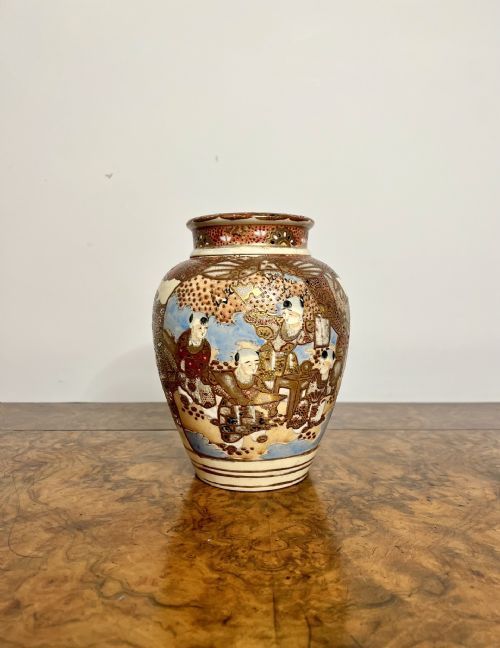
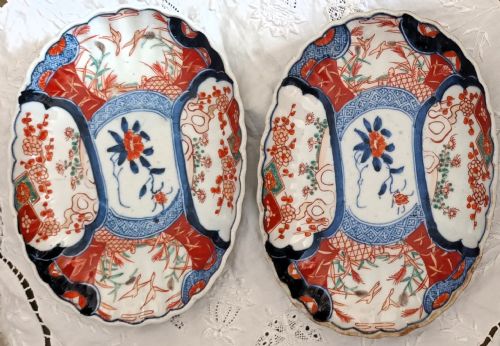
Among the specific regional styles, Satsuma earthenware and Sumida Gawa pottery appear frequently, alongside traditional blue and white Imari porcelain and iron-red Kutani wares.
How they were made
The pottery relies on foundational ceramic bodies such as earthenware, stoneware, and porcelain, shaped into vessels, bowls, and figural sculptures. Potters utilised specialised glazes, lavender flambé, and cobalt blue pigments to coat the clay foundations before secondary decoration.
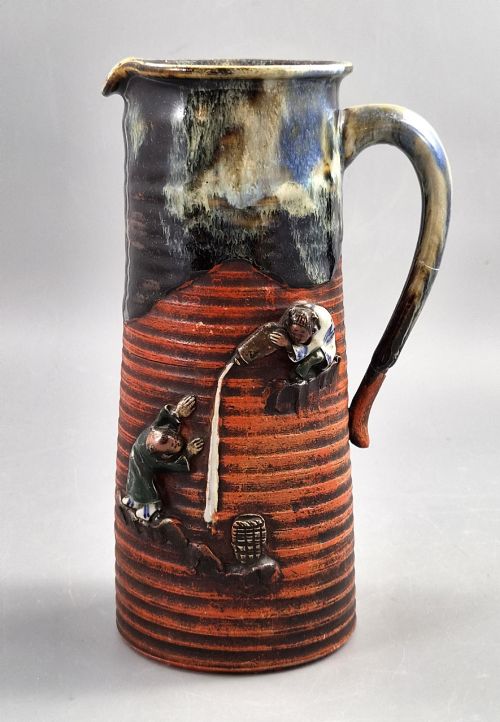
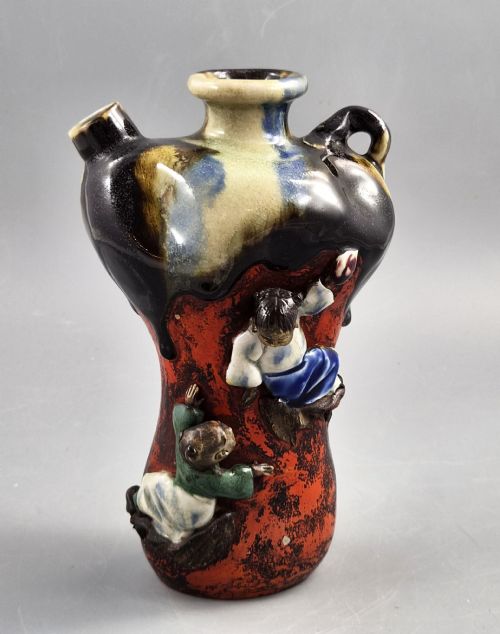
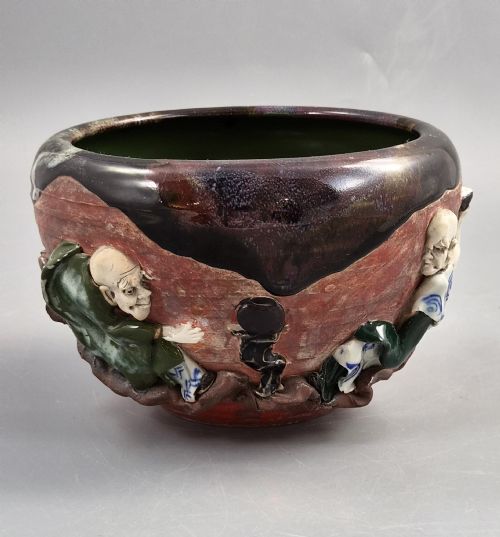
Surface ornamentation involved extensive hand-painting with enamel, gold leaf, and gilt details, sometimes combined with raised moriage decoration. Sumida Gawa pieces characteristically feature applied figures modelled in relief directly onto textured grounds.
Meiji Ware Pottery Retail Price Guide 2026
Typical asking prices for meiji ware pottery among the pieces listed under this phrase on Sellingantiques today, from the lower quarter to the upper quarter. They describe what is for sale here now, not the wider market.
Listings feature works spanning from the 1860s through the Edwardian era, with a heavy concentration of pieces dated around the turn of the 20th century.
What varies in quality
Quality in these ceramics rests on the precision of the hand-painting, the complexity of the figural composition, and the crispness of applied relief work. Pieces featuring finely rendered facial expressions on arhats or sages, alongside controlled gilding, demonstrate higher execution skill.
The reputation of specific workshops and signed pieces by makers such as Kinkōzan, Inoue Ryōsai, or Hotoda introduces a distinct tier of craftsmanship. Studio marks and clear signatures point to dedicated production houses rather than standard commercial output.
Inoue Ryōsai·Kinkōzan·Hotoda·Chosei·Nanzan
The Meiji Ware Pottery Glossary
- Okimono
- A Japanese ornamental figurine designed for display on a shelf or in a tokonoma alcove. These figures often depict deities, sages, or historical personages.
- Satsuma
- A type of Japanese earthenware featuring a crackled ivory glaze decorated with polychrome enamels and gilt. It originated in Satsuma Province and was widely produced in Kyoto for export.
- Kutani
- Japanese pottery and porcelain traditionally characterised by vibrant iron-red and gold designs, alongside green, purple, yellow, and blue overglaze enamels.
- Imari
- Japanese porcelain decorated in underglaze blue and overglaze iron red, gold, and secondary colours. The style developed in Arita and was shipped from the port of Imari.
- Moriage
- A ceramic decorating technique using piped slip to create raised patterns and textures beneath the glaze or enamel. It is frequently seen on Satsuma and related decorative wares.
Meiji Ware Pottery: Frequently Asked Questions
What is Satsuma ware?
Satsuma ware is a distinctive type of Japanese earthenware characterised by a fine, crackled cream-coloured glaze. It serves as a canvas for detailed polychrome enamel paintings and extensive gilding.
These pieces were heavily produced during the Meiji period, often featuring elaborate scenes of figures, landscapes, or thousand butterflies motifs intended for the international export market.
How do I identify Sumida Gawa pottery?
Sumida Gawa pottery is readily identified by its raw, textured surfaces, dripping flambé glazes, and distinct figures modelled in high relief. These pieces often depict sages, children, or immortals climbing on the sides of mugs, bowls, and vases.
Many examples carry signatures from workshops such as Inoue Ryōsai or artists like Kōko, marking them within the Meiji and Taishō production eras.
What distinguishes Kutani ceramics?
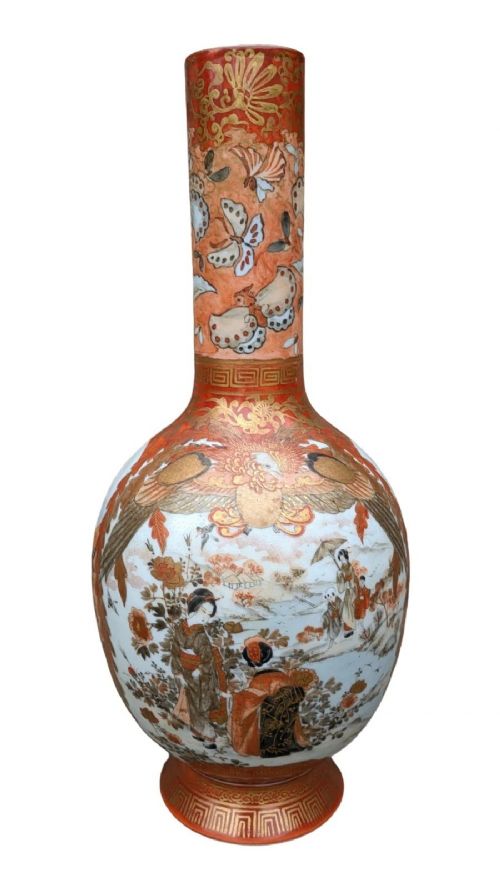
Kutani ceramics are known for their bold colour palettes, dominated by iron-red and gold, supported by greens, purples, and blues. The style appears on vessels ranging from small miniature vases to large bottle vases and daruma figures.
These wares emphasise densely patterned pictorial surfaces, often depicting figural processions or traditional narrative scenes.
How should I display these ceramics?
These decorative bowls, vases, and okimono figures suit stable surfaces away from direct sunlight to preserve the integrity of the enamel and gold leaf. Placing them where light catches the gilt and raised relief enhances their surface detail.
Larger floor vases and heavy chargers require secure positioning, while miniature vessels benefit from eye-level shelving where close inspection of signatures and brushwork is possible.