




Meiji Style Imari
Meiji style imari brings vibrant Japanese porcelain into British homes, prized for rich colour and striking decorative patterns.
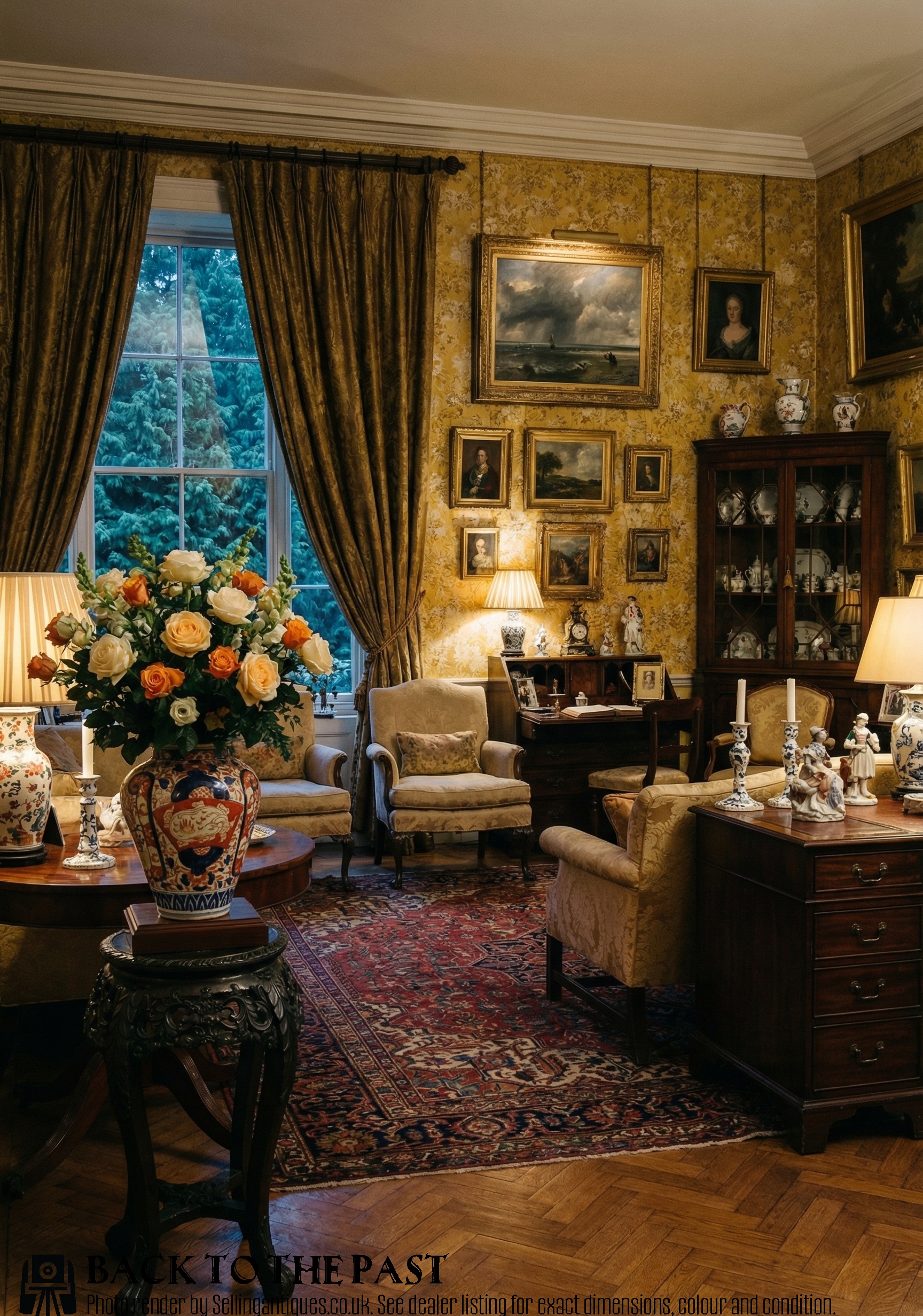
Meiji Style Imari
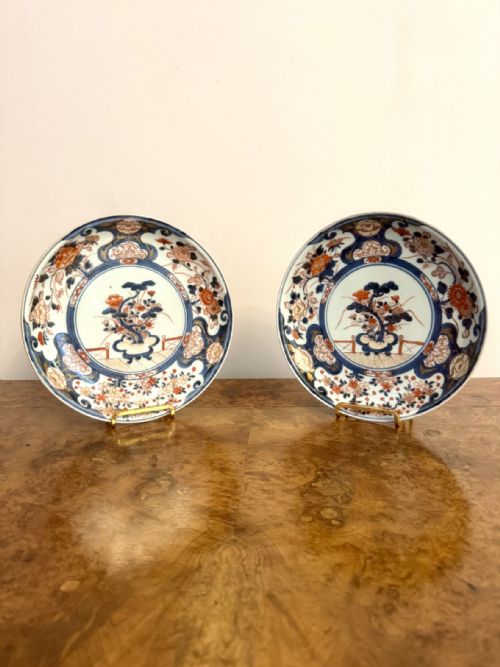
When you search for meiji style imari, you encounter decorative porcelain vessels and plates produced across the nineteenth and early twentieth centuries. These items reflect Japanese export aesthetics popular during Victorian and Edwardian periods.
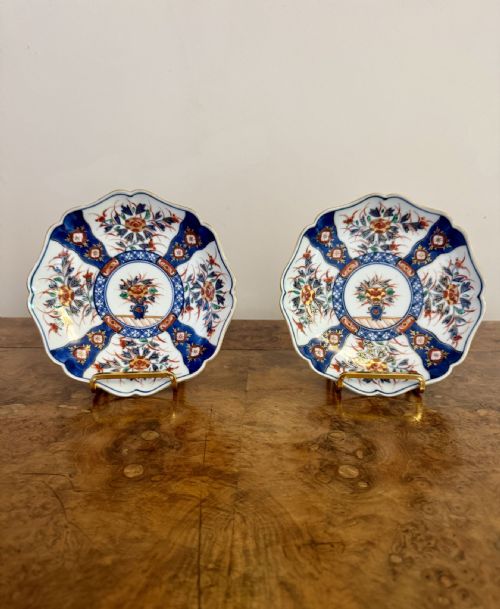
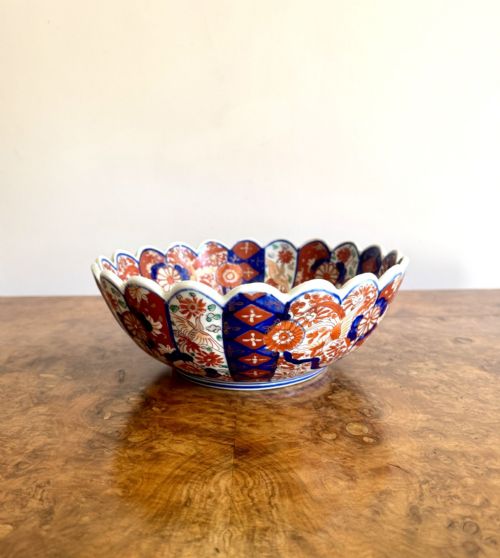
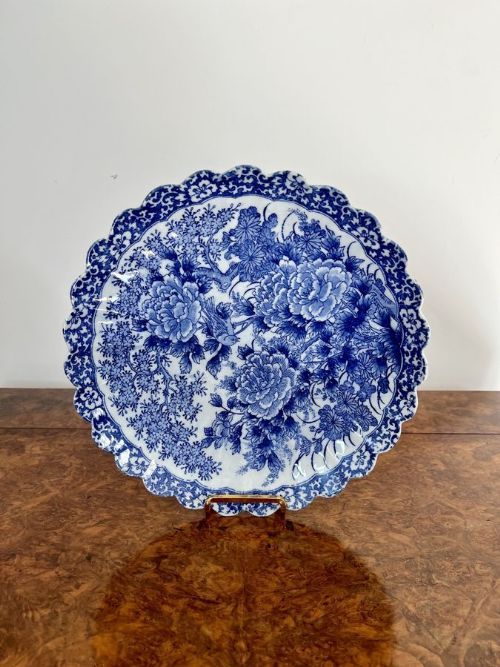
The objects appearing most frequently on this page are decorative plates, chargers, and bowls featuring distinctive scalloped, hexagonal, fan-shaped, or fluted edges. Alongside these table wares, occasional vases and covered jars complete the selection.
Originating primarily from Japanese workshops intended for international trade, these pieces merge traditional local forms with Western interior tastes of the era. Collectors select them to introduce patterned richness into traditional and eclectic rooms alike.
Materials and production methods
Potters shaped ceramic and porcelain bodies before applying cobalt underglaze pigments directly to the raw clay. This cobalt creates the deep blue tones foundational to the decorative scheme.
Overglaze enamel colours, including iron red and supplementary pigments, join gold leaf and gilt highlights applied during secondary firings. These surface additions provide the signature layered palette characteristic of the style.
Some plates abandon traditional round geometry entirely, adopting fans and hexagonal shapes to catch the Victorian eye.
Assessing quality in the pieces
Quality rests upon the precision of the hand-painted brushwork and the clarity of the cobalt underglaze against the porcelain body. Stronger examples exhibit crisp detailing in complex floral and geometric motifs without muddiness.
The application of gilt and enamel accents distinguishes finer productions from standard export wares. Well-preserved gold leaf and vibrant, intact enamel layers elevate the visual weight and finish of plates and vessels.
Fukagawa·Korango
The Meiji Style Imari Glossary
- Imari
- A style of Japanese porcelain named after the port town from which wares were shipped to Europe. It typically employs a palette of cobalt blue, iron red, and gold.
- Charger
- A large decorative plate intended for display on a wall or sideboard rather than for dining use. These items dominate the larger scale end of surviving output.
- Cobalt underglaze
- A blue pigment applied to ceramic pieces prior to glazing and firing. This technique protects the pigment beneath a glossy transparent layer.
- Gilt
- A thin layer of gold applied to the surface of porcelain or metal. It highlights specific design elements such as borders and floral panels.
- Scalloped edge
- A decorative border formed of curved indentations resembling scallop shells. This shaping appears frequently on plates and bowls.
Meiji Style Imari: Frequently Asked Questions
What is meiji style imari?
Meiji style imari encompasses Japanese porcelain plates, chargers, and vases created during the Meiji period and subsequent early twentieth century decades.
These objects utilise traditional Japanese motifs combined with export-focused forms intended for Western interiors.
How were these plates used?
Many larger chargers and plates were designed primarily for decorative display on walls, cabinets, or sideboards.
Smaller dishes functioned within domestic table settings, though surviving antique examples generally serve visual roles today.
How do I date these pieces?
Dating relies on stylistic markers, manufacturing materials, and recorded periods ranging from the nineteenth century through the nineteen-twenties.
Victorian and Edwardian export trends often align with specific forms like fluted vases and scalloped edge bowls.
Where should I display imari?
These ceramic vessels suit dining rooms, drawing rooms, and hallways where their strong colour palette can anchor a display.
Pairing plates on wall brackets or placing bowls on wooden surfaces highlights their distinctive blue and red patterns.