


Meiji Porcelain Baluster Vase
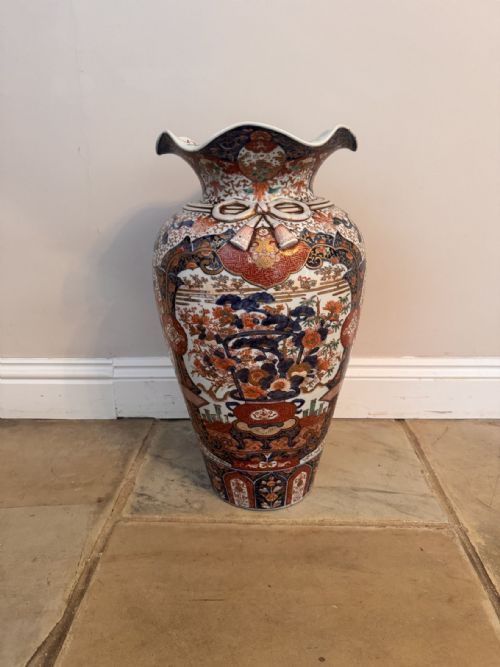
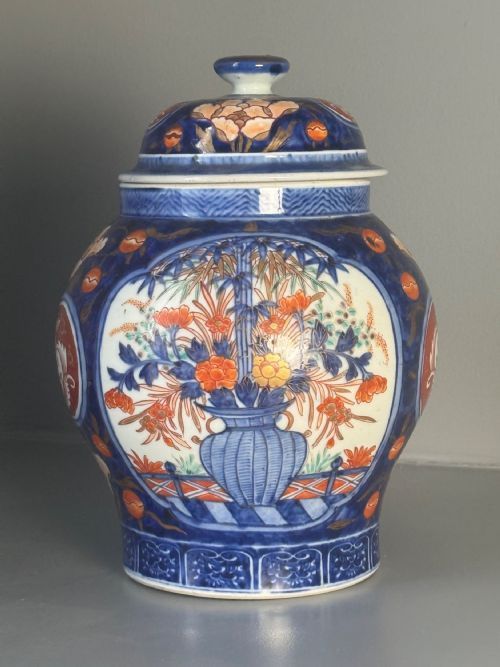
A meiji porcelain baluster vase brings together dense cobalt enamel and rich gilding in a classic curved profile.

Meiji Porcelain Baluster Vase
A meiji porcelain baluster vase draws the eye with its curved body, swelling gently near the base before tapering toward the neck. These vessels emerge predominantly from the nineteenth century, reflecting the craftsmanship of the meiji period through Japanese export traditions.
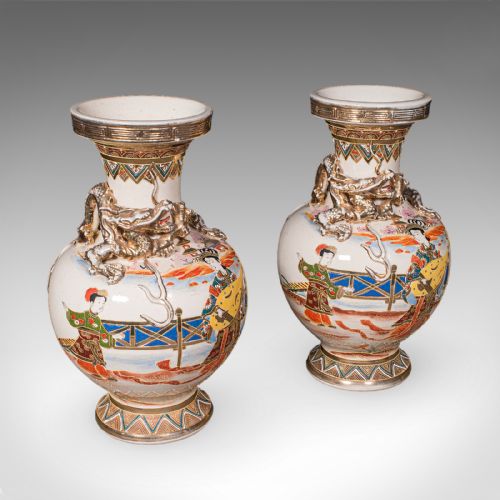
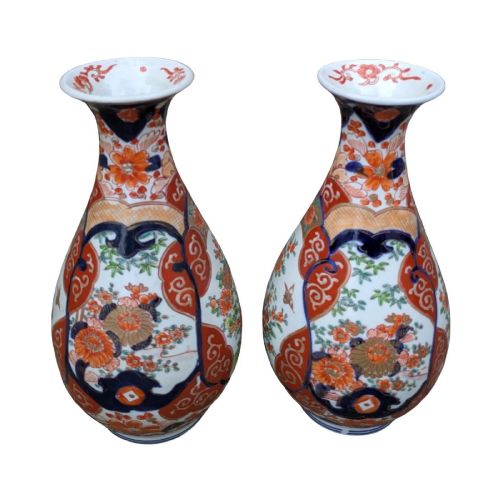
Buyers will most frequently encounter Japanese Imari examples on this page, often appearing as matched pairs or monumental floor standing pieces. Alongside Imari, the selection includes Satsuma, Kutani, and Kakiemon styles, spanning decades from eighteen fifty to nineteen hundred.
How they were made
Potters shaped porcelain and earthenware into robust baluster forms, applying cobalt enamel and rich glazes before firing. Artisans then layered gold leaf and detailed hand-painting over the finished surface to create complex patterns.
Many of these vessels incorporate covers or lids, requiring precise symmetry during the forming process to ensure the sections fit correctly. The combination of durable ceramic bodies with delicate enamel and gilding defined the production methods of the era.
Materials recorded across the selection include porcelain, earthenware, enamel, gold leaf, and celadon glaze.
What varies in quality
The distinction between standard items and exceptional pieces rests upon the precision of the hand-painted brushwork and the depth of the glaze. Tighter control over the cobalt enamel and more lavish application of gold leaf elevate the visual weight of the vessel.
Scale also influences desirability, as monumental floor standing vases and large lidded examples demand greater technical skill from the potter. The clarity of the Satsuma, Kutani, or Imari decoration dictates how successfully the piece holds the room.
Makuzu Kozan
The Meiji Porcelain Baluster Vase Glossary
- Baluster
- A tall ceramic form characterised by a rounded body that tapers toward the top and rests on a narrower base.
- Imari
- A traditional Japanese style of decoration utilising deep cobalt enamel alongside iron red and gold leaf.
- Satsuma
- A type of earthenware with a crackled ivory glaze, often heavily decorated with polychrome enamel and gilt.
- Kutani
- A Japanese ceramic style known for its bold colour palettes and intricate pictorial designs.
- Kakiemon
- A refined Japanese enamel style featuring asymmetric floral and pictorial motifs on a white porcelain ground.
Meiji Porcelain Baluster Vase: Frequently Asked Questions
Where were these vases placed originally?
Large baluster vessels stood on the floor or on sturdy furniture in reception rooms to anchor the interior scheme.
Pairs were often arranged symmetrically to frame a fireplace or a formal entranceway.
How do I identify a Meiji period piece?
Objects from this era typically combine traditional Japanese motifs with the production methods of the nineteenth century.
Look for the characteristic use of Imari or Satsuma styles alongside nineteenth century dating markers.
Are lidded vases harder to find?
Vessels complete with their original covers are less common because the delicate lids suffered breakage over the decades.
Matching lids require careful inspection of the glaze and ceramic body to confirm they belong to the base.
How should I clean my porcelain vase?
Dust the surface gently with a dry, soft cloth to prevent any buildup within the intricate enamel and gilding.
Avoid using water or chemical cleaners that might disturb the fragile gold leaf or crackled glaze.