




Meiji Period Wood Sculpture
These Japanese meiji period wood sculpture works bring remarkable hand-carved detail and traditional subjects straight to your collection.
Meiji Period Wood Sculpture
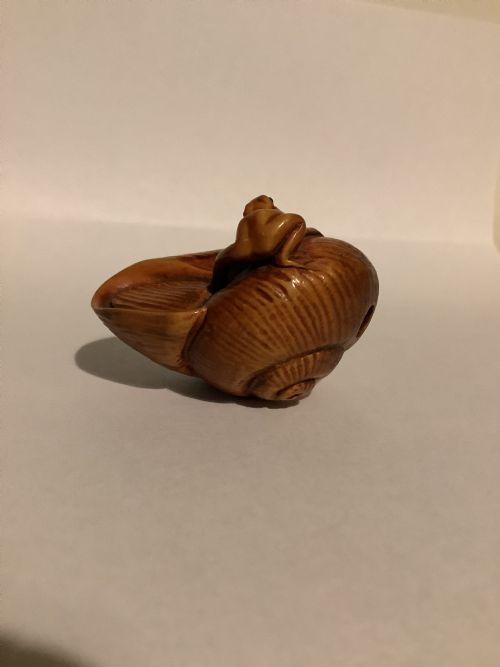
Meiji period wood sculpture encompasses intricate carved figures, netsuke, and okimono created during the late nineteenth and early twentieth centuries. You will frequently encounter compact animal studies, deities, and human figures rendered in fine timber.
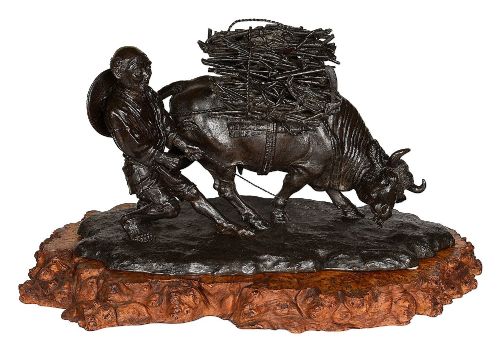
The objects span varied traditional forms from miniature carved bamboo and boxwood netsuke to large hardwood sculptures. Pieces originate predominantly from the nineteenth century, reflecting classic Japanese subjects such as tigers, deities, and figures with animals.
Makers often drew upon Edo traditions while developing refined naturalism suited for both domestic display and export. These works range from diminutive tactile paperweights to substantial carved figures standing over seventy centimetres tall.
Materials and Techniques
Carvers utilised boxwood, hardwood, burr wood, bamboo, and exotic woods to achieve varied textures and rich natural tones. Many works incorporate detailed hand-carved elements that highlight the natural grain of the timber.
Artisans combined traditional woodworking methods with precise carving tools to shape complex figures of animals and men. Selected pieces also integrate contrasting materials such as bronze or horn components alongside the primary wood structure.
The selection includes both miniature netsuke designed for touch and large hardwood figures exceeding seventy centimetres in height.
Assessing Quality
Quality rests in the precision and depth of the hand-carving, where superior examples exhibit lifelike musculature, hair, and facial expressions. The naturalism of the posture and the clean execution of tiny details set finer works apart.
The choice of timber and the preservation of the original surface patination dictate the visual strength of the object. Master carvers demonstrated exceptional control over the wood grain, ensuring the material enhances the subject.
Tomochika·Masayuki·Gyoko
The Meiji Period Wood Sculpture Glossary
- Okimono
- A Japanese decorative freestanding sculpture designed for display on a shelf or in a traditional alcove. These ornamental carvings depict figures, animals, and mythical subjects.
- Netsuke
- A small carved toggle fastened to the end of a cord connecting a container to a kimono sash. They are prized for their miniature scale and tactile qualities.
- Boxwood
- A dense, pale hardwood favoured by carvers for its fine grain and ability to hold microscopic detail without splintering. It develops a warm patina through handling.
- Sashi netsuke
- A long, slender form of toggle slipped directly down behind the kimono sash rather than secured with a cord and bead. This practical shape kept pouches secure.
- Bamboo
- A hollow, segmented woody grass utilised for slender miniature okimono and containers. Its natural fibrous grain presents unique decorative challenges for the carver.
Meiji Period Wood Sculpture: Frequently Asked Questions
What is a netsuke?
A netsuke is a small carved toggle used historically to anchor pouches and small containers hung from traditional Japanese kimono sashes.
Craftsmen shaped these miniature objects from boxwood and other timbers so they remained pleasant to touch while serving a practical daily purpose.
How do I display wood sculptures?
These sculptures suit stable indoor environments away from direct sunlight and sudden temperature shifts that might dry the timber.
Place them on flat surfaces where the detailed carving and natural wood grain can be appreciated up close.
What subjects are common?
Common subjects include traditional figures, deities of wealth and happiness, and native animals such as tigers, rabbits, and frogs.
Carvers frequently drew inspiration from folklore and the natural world to create expressive, characterful poses.
How are pieces dated?
Dating relies on stylistic markers, historical context from the Meiji era, and occasionally artist signatures recorded on the work.
Most surviving pieces reflect the artistic shifts of the late nineteenth and early twentieth centuries.