




Meiji Period Table Light
These meiji period table light fixtures bring Japanese craftsmanship and bronze or porcelain form directly into domestic interiors.
Meiji Period Table Light
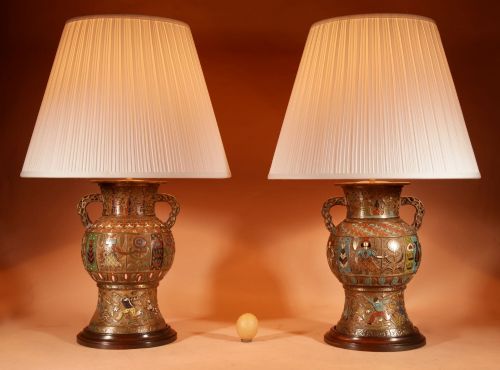
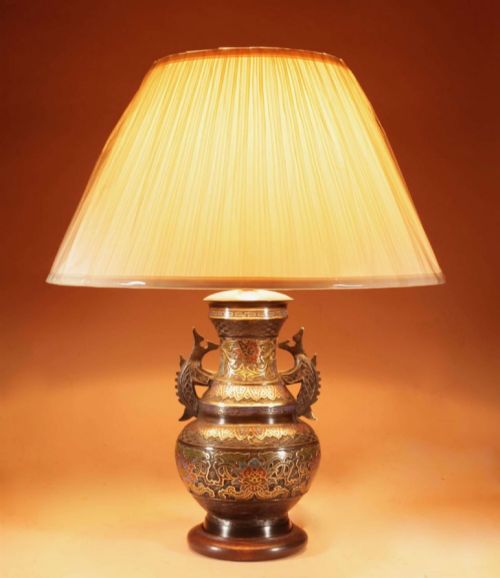
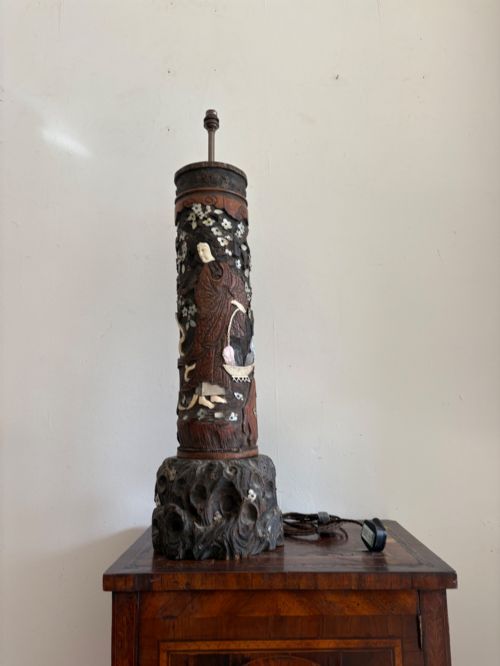
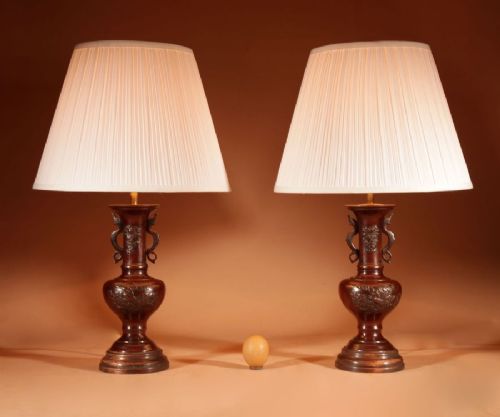
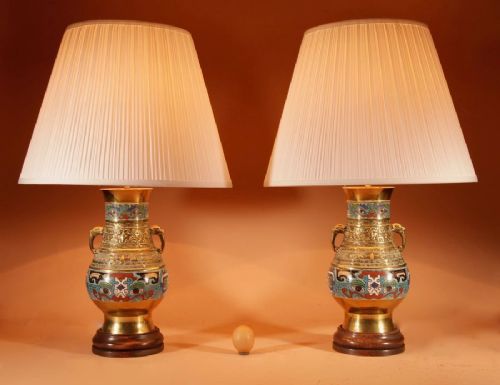
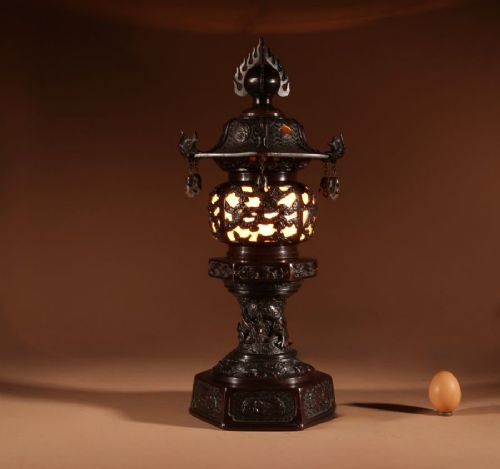
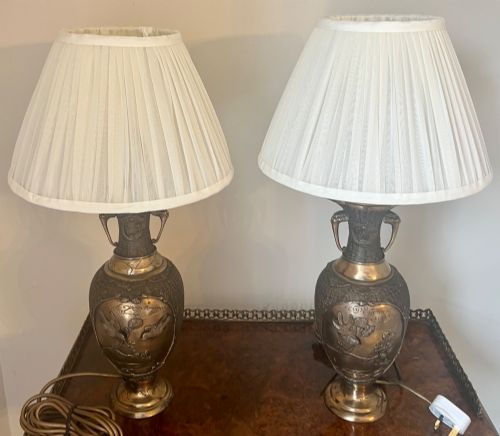
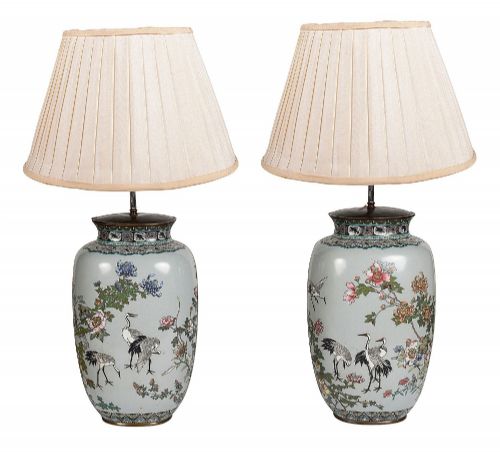
A meiji period table light combines Japanese artistry with functional illumination, taking the form of table lamps adapted from earlier vases, brush pots, and lanterns. When exploring a meiji period table light, buyers frequently encounter bronze, champlevé enamel, and cloisonné constructions dating from the late nineteenth century.
Materials and construction
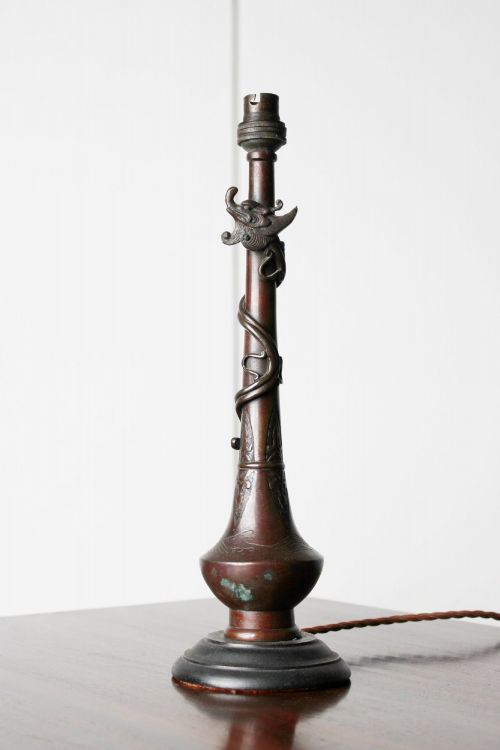
Metalwork pieces rely on cast bronze and brass, often enriched with champlevé and cloisonné enamel work to create intricate surface patterns. Artisans also utilised carved wood, mother of pearl, and fabric elements to complete the structures.
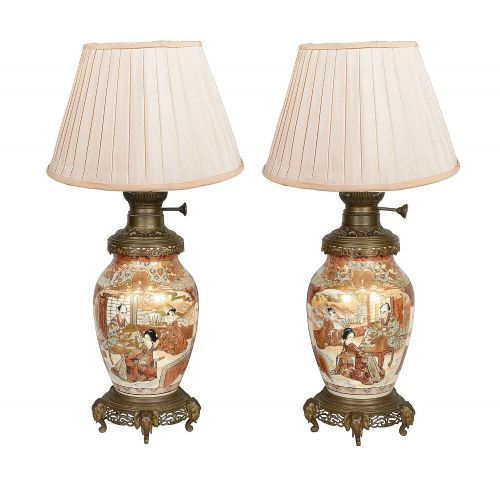
Ceramic examples employ traditional porcelain and earthenware bodies, featuring hand-painted Satsuma, Kutani, and Imari designs. These vessels were subsequently converted into lamps, pairing oriental ceramic bodies with electrical or original mounting components.
Materials recorded across the inventory include bronze, brass, porcelain, earthenware, enamel, silk, fabric, and wood.
Evaluating the standard of manufacture
The precision of the enamel work and the crispness of the bronze casting dictate the upper tiers of quality. Finer examples display meticulous detail in dragon motifs, elephant figures, and floral cloisonné cells without blurring.
Porcelain bodies demonstrate quality through the delicacy of the hand-painted palettes and the symmetry of the original vase forms. Intact surface preservation and harmonious proportions between the vessel and the lighting hardware distinguish the superior items.
The Meiji Period Table Light Glossary
- Champlevé
- Enamelling technique where troughs are carved into a bronze surface and filled with vitreous enamel before firing. This method produces robust, vibrant colour boundaries.
- Cloisonné
- Decorative metalwork method using thin metal wires soldered to a bronze base to create compartments for enamel paste. The piece is fired and polished to a smooth finish.
- Satsuma
- Japanese earthenware pottery featuring a crackle-glaze ivory body decorated with polychrome and gilt enamel scenes. These ceramics were frequently adapted into prominent table lamps.
- Kutani
- Style of Japanese porcelain known for bold pictorial designs and rich colour palettes, particularly greens and reds. These vessels provide striking visual weight when mounted as lamps.
- Imari
- Traditional Japanese porcelain decorated in underglaze blue and overglaze red, gold, and green. Such wares appear frequently in nineteenth-century lighting adaptations.
Meiji Period Table Light: Frequently Asked Questions
How are these lamps powered?
Many historical Japanese vases and bronzes were converted into lamps during subsequent decades to suit Western interiors.
Buyers should inspect the existing wiring and consult a qualified electrician to ensure safety and compliance with modern standards.
Are these lamps originally electrical?
The bases and vessels originated as decorative vases, brush pots, or lanterns created during the Meiji period and later eras.
Lighting fixtures and fittings were added subsequently during conversion for domestic table use.
How do I identify Satsuma porcelain?
Satsuma ware typically presents an ivory or cream-coloured earthenware body characterised by a fine network of crackled glaze.
Designs are usually rendered in intricate polychrome enamel and raised gold detailing.
What is the difference between cloisonné and champlevé?
Cloisonné utilises thin metal wires soldered to the surface to form cells that hold the enamel colours.
Champlevé involves carving the troughs directly into the thick bronze substrate itself before applying the enamel.