
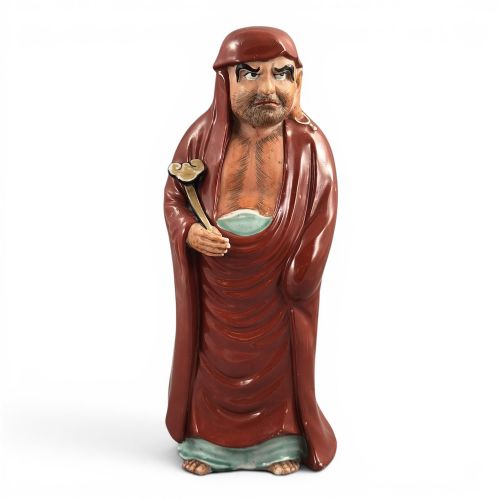


Meiji Period Porcelain Figurine
These meiji period porcelain figurine examples bring traditional Japanese craftsmanship directly into your home.
Meiji Period Porcelain Figurine
When you search for meiji period porcelain figurine, you encounter sculptural works spanning the late nineteenth and early twentieth centuries. These figures encompass representations of deities, animals, and human subjects produced during the Meiji, Edo-Meiji, and Edwardian eras. The selection frequently includes figures of figures such as Daruma, Daikoku, Jurojin, and Hotei alongside animals like horses, dogs, and elephants.
The objects stem from distinct Japanese traditions, notably Satsuma, Kutani, Hirado, and Imari wares. You find pieces ranging from small animal groups to large decorative sculptures and okimono. These works capture specific cultural narratives and mythological figures modelled in ceramic form.
How they were made
The makers utilised porcelain, earthenware, and ceramic glaze as foundational materials for shaping these figures. Artisans applied cobalt underglaze, enamel, and gold leaf to embellish the surface details of the ceramic bodies. These combined techniques allowed craftsmen to achieve intricate patterns and rich colour palettes on both figures and vases.
Several figures portray mythical figures wrestling with mischievous attendants and playful puppies.
What varies in quality
The distinction between standard and superior pieces lies in the precision of the modelling and the finesse of the hand-painted decoration. Finer examples display subtle control over facial expressions, naturalistic anatomical details, and exact placement of gold leaf and enamel. Firings that achieve an even glaze without distortion elevate the standing of the work.
Signatures by recognised makers or kilns, such as Makuzu Kozan II or Kizan, often indicate higher workshop standards. The complexity of the subject matter, such as multi-figure compositions or elaborate garments, requires greater technical skill. Pieces that maintain crisp moulding beneath dense decoration represent the upper tier of production.
Makuzu Kozan II·Kizan·Mikawachi Kilns
The Meiji Period Porcelain Figurine Glossary
- Okimono
- A Japanese ornamental statue or sculpture designed for display on a shelf or in a tokonoma alcove. These pieces often depict deities, animals, or historical figures.
- Moriage
- A decorative ceramic technique involving the laying of slip in dots or lines to create raised patterns. This method appears frequently on Kutani porcelain and earthenware.
- Satsuma
- A type of Japanese pottery originating from Satsuma Province, traditionally characterised by an ivory-coloured, crackled earthenware glaze. Many pieces feature elaborate polychrome and gold decoration.
- Kutani
- Japanese porcelain and ceramic ware known for bold colour palettes and pictorial designs. Figures from this tradition often incorporate detailed enamel work.
- Bijin
- A traditional Japanese depiction of a beautiful woman, commonly rendered in art wearing traditional kimono. These figures often hold cultural objects or musical instruments.
Meiji Period Porcelain Figurine: Frequently Asked Questions
How do I identify Satsuma ware?
Satsuma ware is typically recognised by its warm, ivory-coloured earthenware body covered in a fine network of crackled glaze. Artisans painted these surfaces using rich enamel colours and gold leaf.
Subjects often include deities, sages, and floral motifs rendered with high detail. The resulting finish has a softer appearance than traditional non-porous porcelain.
Where were Hirado figures made?
Hirado figures originated from the kilns around Mikawachi in Hizen province, producing fine white porcelain. These pieces are known for their pure white body and restrained use of cobalt blue underglaze.
Makers focused heavily on refined animal sculptures and children at play. The porcelain body remains exceptionally smooth and dense.
How should I display these figures?
These ceramic figures require stable placement away from direct sunlight to preserve the delicate enamel and gold leaf decorations. A flat, secure surface ensures the stability of heavier okimono.
Allowing adequate space around each piece highlights their sculptural qualities and intricate detail. Pairing them with complementary antique surfaces enhances their visual context.