



Meiji Period Enamel Plaque
A Meiji period enamel plaque brings exquisite Japanese metalwork into your home through finely wired birds, dragons, and natural scenes.
Meiji Period Enamel Plaque
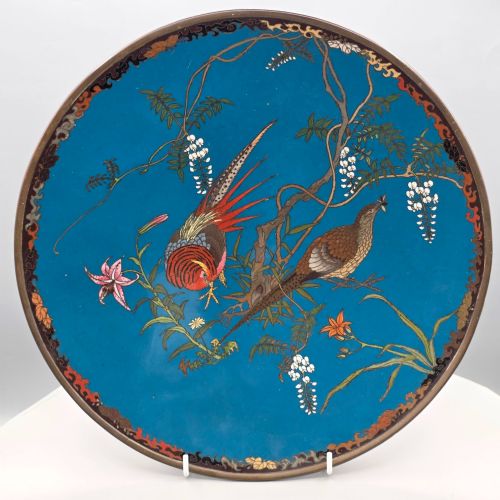
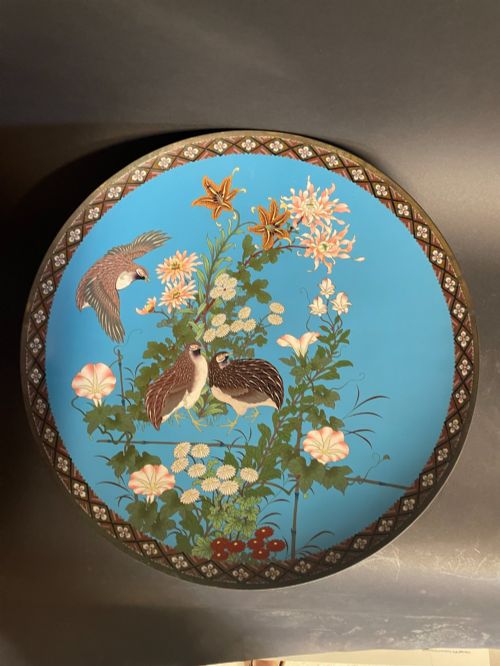
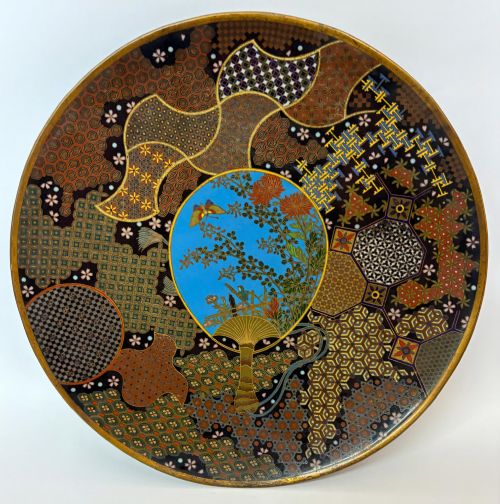
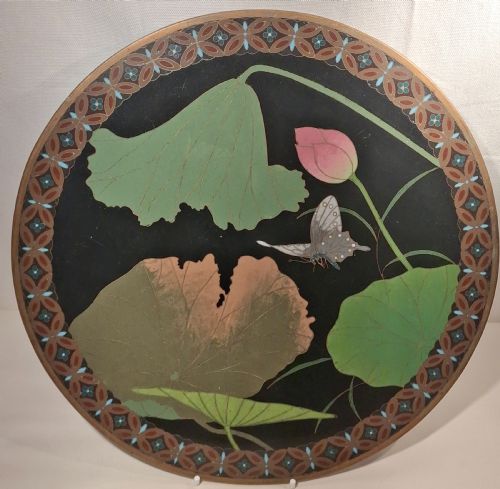
When you search for a meiji period enamel plaque, you encounter substantial decorative plates, chargers, and trays originating from Japan during the nineteenth century. The examples met on this page span from the eighteen-sixties through to nineteen hundred, encompassing both the Edo period overlap and the core Meiji era.
These objects typically take the form of large round chargers, octagonal trays, and decorative plates. Motifs range from birds, butterflies, and frogs to leaping koi, shrimp, dragons, samurai, demons, and auspicious symbols.
Makers utilised copper, brass, and bronze as a foundation, alongside porcelain for specific Totai Shippo pieces. The physical presence of these items ranges from standard cabinet plates up to massive chargers measuring thirty-six centimetres and beyond.
How they were made
Craftsmen built these pieces by applying coloured enamel pastes into compartments formed by thin metal wire soldered onto a base of copper, brass, or bronze. Brass wire delineates the intricate contours of feathers, scales, and floral patterns before the entire surface undergoes firing and polishing.
Certain works employ Totai Shippo techniques, laying cloisonne enamel directly onto a porcelain body to mimic tree bark textures alongside bamboo motifs. The underlying metallic structure provides rigid support for the vitreous enamels fused to its surface.
Listings feature items dated from eighteen sixty through to nineteen hundred, spanning both the late Edo period and the Meiji era.
What varies in quality
The degree of detail in the wirework and the complexity of the enamel shading distinguish standard production from exceptional artistry. Pieces depicting elaborate narratives involving samurai and demons or dynamic leaping koi demand advanced technical mastery.
Signatures inscribed on the reverse or base often indicate superior workshops. The ambition of the scale, such as massive thirty-six centimetre dragon chargers, separates standard decorative plates from major collector pieces.
The Meiji Period Enamel Plaque Glossary
- Cloisonne Enamel
- A technique where metal wires form small cells to hold coloured glass pastes before firing. This method creates the distinct cellular outlines seen on Japanese plates.
- Totai Shippo
- A variation of cloisonne where enamel is applied over a porcelain body rather than metal. This technique often produces textured surfaces resembling tree bark.
- Charger
- A large decorative plate intended for display rather than dining use. These substantial vessels form the primary format for detailed Meiji wildlife and mythological scenes.
- Meiji Period
- The era in Japanese history spanning from eighteen sixty-eight to nineteen twelve. Items from this time display exceptional technical refinement in metalwork and enamel.
Meiji Period Enamel Plaque: Frequently Asked Questions
How were these plaques displayed originally?
These large plates and chargers were manufactured primarily for decorative display in Japanese interiors and export markets. Their substantial size made them ideal centrepieces for tables, cabinets, or wall mounting.
The inclusion of sturdy metal bases and wide rims allowed craftsmen to showcase intricate pictorial narratives to visiting guests. Today, collectors continue to exhibit them on specialist stands or wall brackets.
What subjects appear on these pieces?
Common motifs include birds such as ibises, natural subjects like chrysanthemums, butterflies, frogs, shrimp, and bamboo. Mythological and historical themes also feature prominently, including dragons, samurai, and demons.
Auspicious symbols frequently decorate the surface, reflecting traditional Japanese artistry and folklore of the nineteenth century. Each motif demanded precise wire placement to achieve recognisable anatomical and floral details.
How do I identify Meiji period pieces?
Identification relies on examining the specific colour palette, wire gauge, and base materials used in construction. Pieces from this era typically employ copper or brass foundations paired with intricate cloisonne wirework.
Stylistic shifts between late Edo production and nineteen-hundred examples show increasing mastery in enamel shading and pictorial composition. Signed works provide further confirmation of workshop origin and date.
What is Totai Shippo?
Totai Shippo refers to a specialised Japanese technique where cloisonne enamel is applied over a porcelain body. This creates pieces that combine ceramic forms with traditional wire-inlaid enamel decoration.
Listings often record this method alongside tactile surface effects like simulated tree bark. It represents a distinct variation from standard copper-based chargers.
How should I care for an enamel plaque?
Enamel surfaces benefit from gentle dusting with a soft, dry cloth to prevent particulate accumulation. Avoid using liquid cleaners, abrasives, or chemical polishes on the delicate wire and glass paste.
menjaga stable indoor humidity and temperature protects both the metallic foundation and the vitreous enamel from stress. Proper placement away from direct sunlight preserves the original coloration of the piece.