



Meiji Okimono
Meiji okimono are decorative Japanese sculptures and figurines crafted during the late nineteenth and early twentieth centuries to display exceptional metalwork and carving skill.
Meiji Okimono
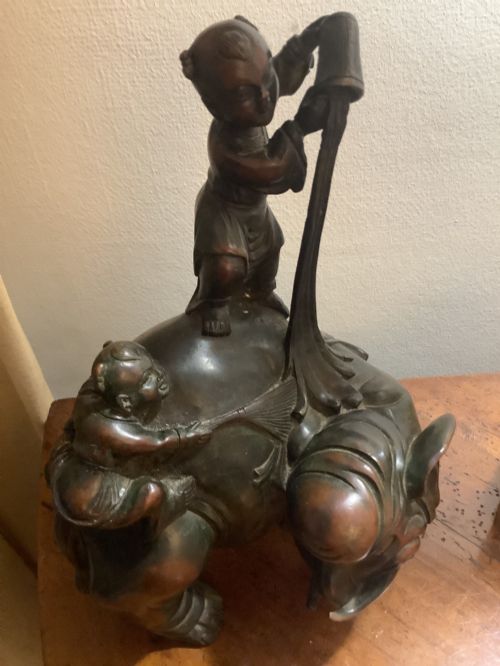
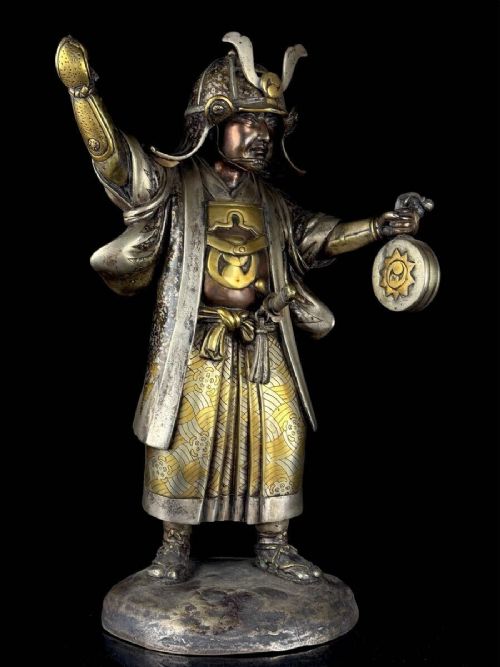
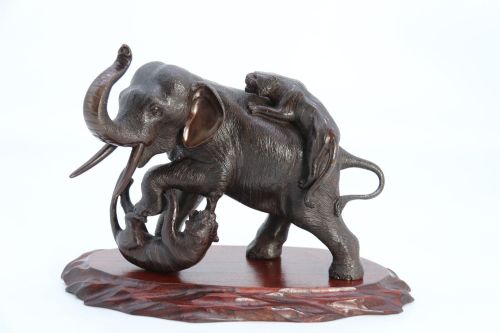
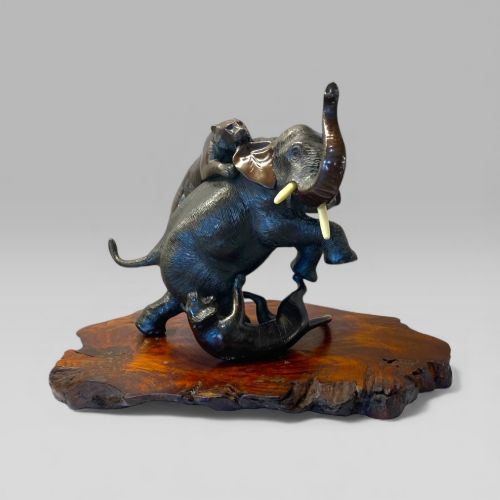
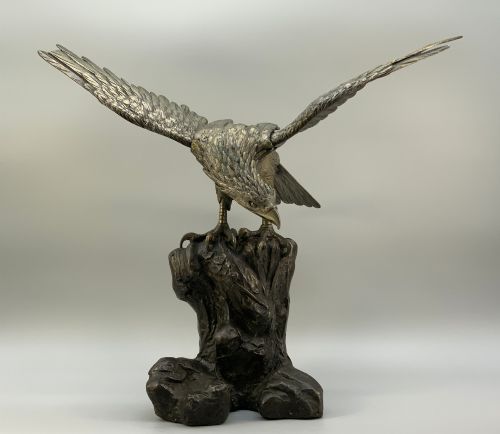
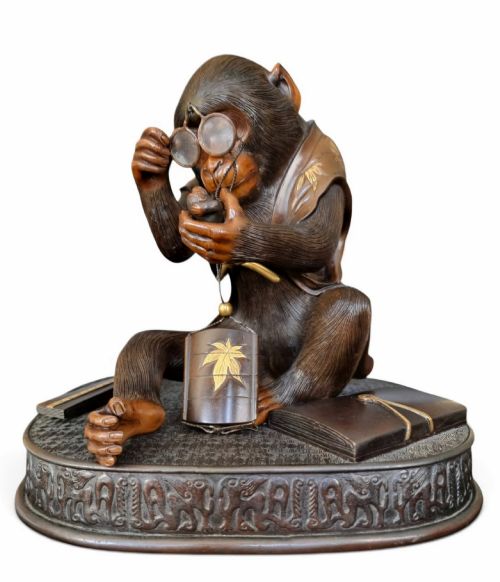
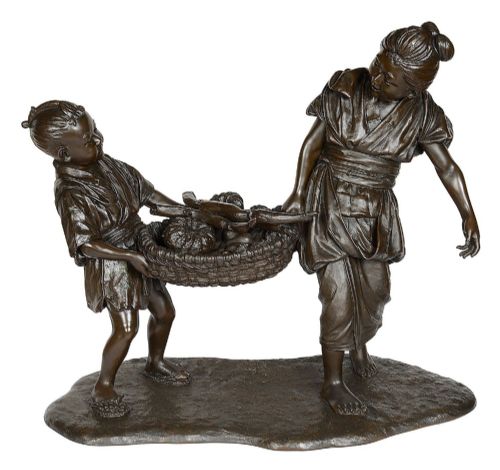
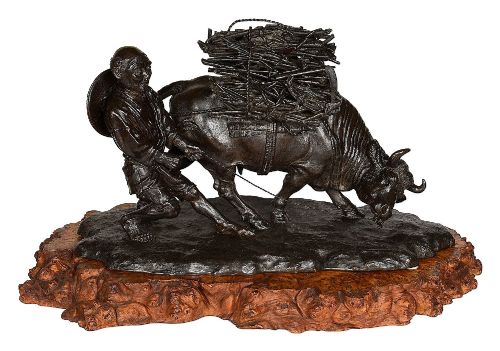
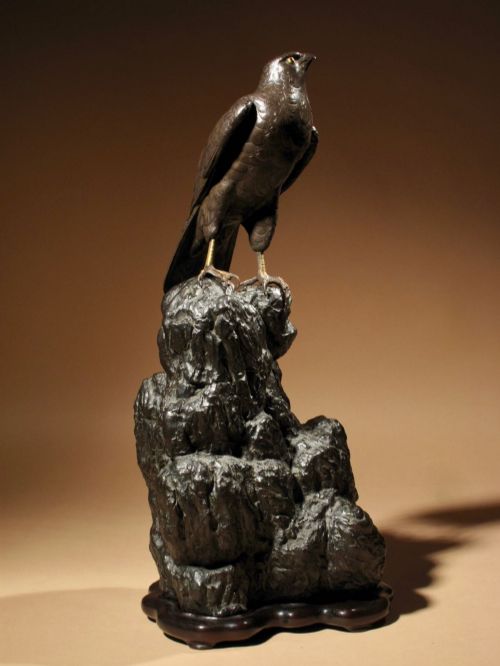
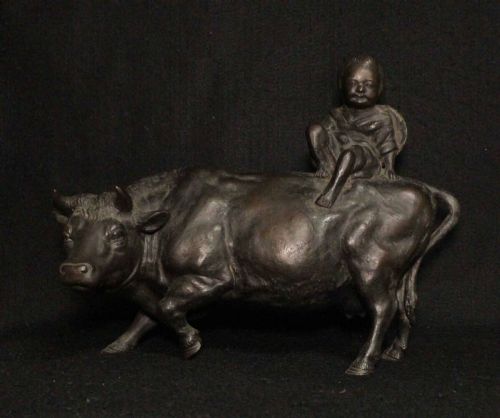
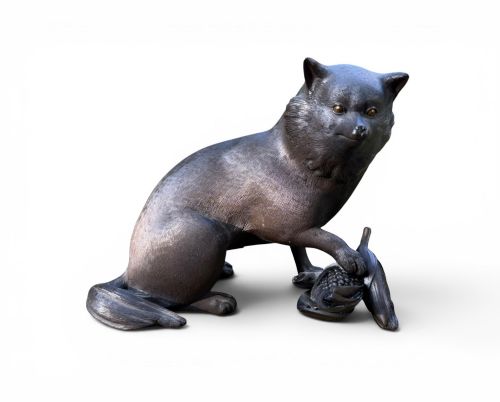
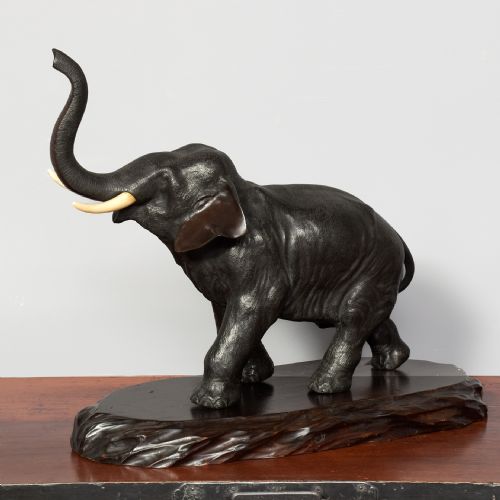
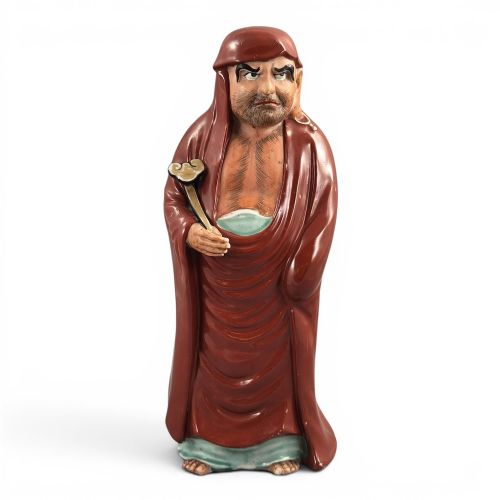
Meiji okimono comprise standalone sculptures and figurines created for display in Japanese interiors during the nineteenth and early twentieth centuries. The selection on this page centres predominantly on bronze and mixed-metal figures alongside carved wood, boxwood, bamboo, lacquer and porcelain examples. Subjects range from animals such as elephants, tigers, monkeys, bears, birds and insects to human figures, scholars, deities and narrative groups.
Most pieces seen here belong to the Meiji period, spanning the late nineteenth century into the early twentieth century, with occasional pieces stretching into the Edwardian era. These items take the form of small tabletop studies, animal bronzes, large garden sculptures and intricate netsuke. Buyers encounter both unsigned works and pieces bearing signatures from notable makers and workshops.
How they were made
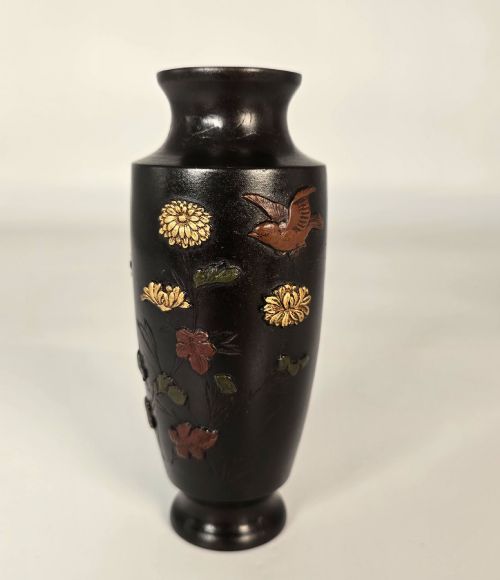
Metal sculptures utilise bronze, patinated bronze, iron and mixed-metal inlays, often incorporating shakudo details and gold inlay to create contrast and texture. Founders cast these pieces using traditional methods before applying patination, chiselling fine surface details and articulating joints on mechanical subjects like centipedes.
Carved pieces employ boxwood, hardwood, bamboo and lacquer, shaped with hand tools to define facial expressions, garments and naturalistic textures. Porcelain and ceramic figures originate from regional kilns including Satsuma and Kutani, finished with glazes, enamel and gold leaf.
Meiji Okimono Retail Price Guide 2026
Typical asking prices for meiji okimono among the pieces listed under this phrase on Sellingantiques today, from the lower quarter to the upper quarter. They describe what is for sale here now, not the wider market.
Listings feature periods spanning from the late Edo period through the Meiji era into the early twentieth century.
What varies in quality
Quality rests on the precision of the casting, the depth and nuance of the hand-chisel work, and the naturalism of the subject's anatomy and movement. Finer bronzes display intricate feather, fur or scale texturing and secure articulation in complex groups, whereas simpler castings lack this micro-detailing.
In carved and ceramic pieces, the sharpness of the cutting, the subtlety of the facial expressions, and the control of the glaze or lacquer distinguish standard workshop production from master-level artistry. Signed pieces by recorded makers generally demonstrate a higher degree of sculptural ambition.
Tsunemitsu·Mitsumoto·Jomi Eisuke·Shosai·Masaaki·Kaniya Kuniharu·Makuzu Kozan II·Tomochika·Haruyama Shunzan·Kizan·Seiunsai Miyamoto Sei·Unno Shomin
The Meiji Okimono Glossary
- Okimono
- A Japanese term for an ornamental object placed for display, typically in a tokonoma alcove or on a shelf. These standalone sculptures range from miniature carvings to large bronze figures.
- Shakudo
- A traditional Japanese billon of copper with a small percentage of gold, treated to produce a dark blue-black patina resembling lacquer. Makers utilise it for contrasting inlays and decorative details on metal pieces.
- Netsuke
- A miniature toggle carved from wood, ivory or boxwood, used to secure a small container to a traditional sash. Some carvings function as both netsuke and okimono.
- Patinated bronze
- Bronze that has undergone chemical or thermal treatment to alter its surface colour. This process produces various shades of brown, green and black across the sculpture.
- Satsuma
- A style of Japanese earthenware featuring a pale, ivory-crackled glaze decorated with enamel and gold leaf. It appears on figurative and animal okimono.
Meiji Okimono: Frequently Asked Questions
What is a meiji okimono?
A meiji okimono is a decorative Japanese sculpture or figurine made for display during the Meiji period. These pieces encompass a wide variety of subjects including animals, deities and human figures.
Craftsmen produced them in materials such as bronze, wood, ivory, iron and porcelain. They served as ornamental art rather than utilitarian objects.
Where were they displayed?
These sculptures were traditionally placed in the tokonoma display alcove of a Japanese home. They were positioned where guests could admire the craftsmanship and subject matter.
Today, collectors display them on tabletops, shelves and cabinets. Larger bronzes often serve as garden or patio ornaments.
How do I identify a signed piece?
Makers often carved or cast their signatures directly into the base, underside or back of the sculpture. These signatures can appear as Japanese characters inscribed in metal or wood.
Researching the specific signature helps attribute the work to a known artisan or workshop active during the period. Unsigned pieces remain common and are judged purely on their sculptural merit.
What subjects are most common?
Animals form a major category, including elephants, tigers, monkeys, birds, insects and aquatic creatures. Figures of scholars, deities like Daikoku and Fukurokuju, and genre scenes of daily life also appear frequently.
Many compositions depict dynamic interactions, such as elephants fighting tigers or figures carrying fruit.