


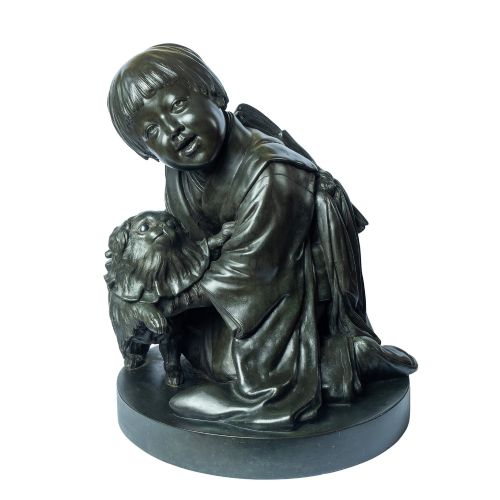


Meiji Okimono Figure
A meiji okimono figure is a decorative sculptural carving or casting from late nineteenth-century Japan, sought after for its intricate craftsmanship and character.
Meiji Okimono Figure
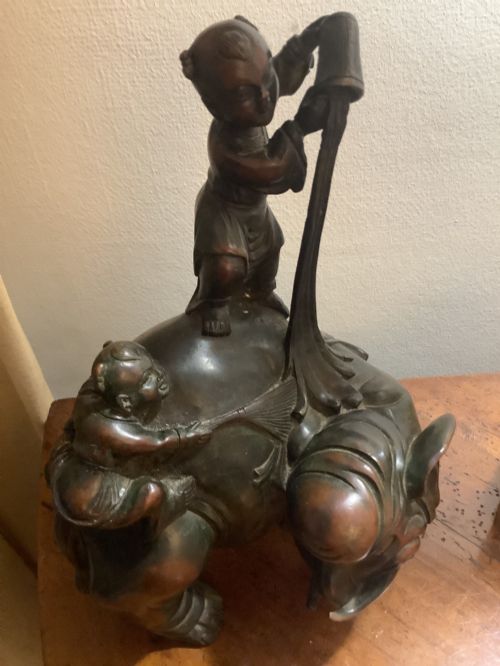
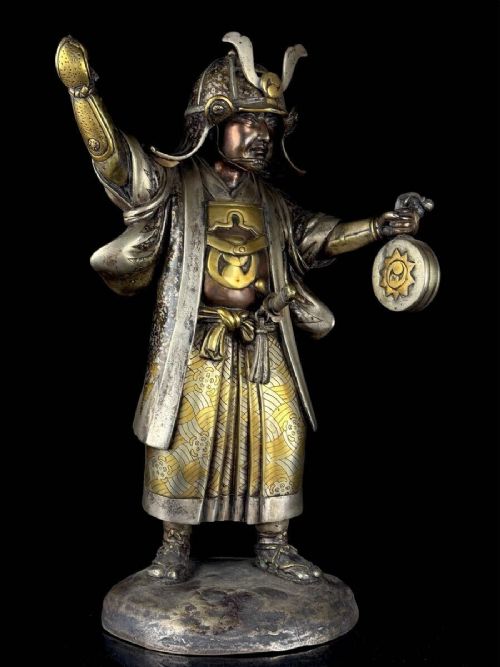
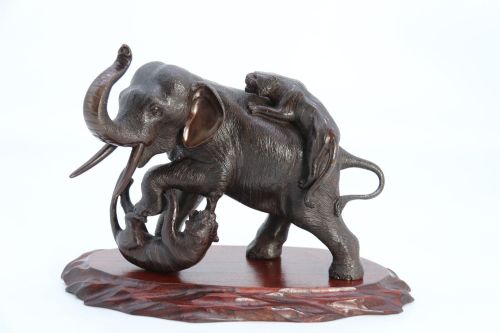
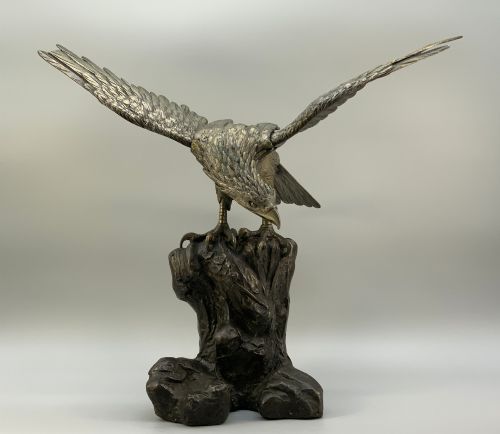
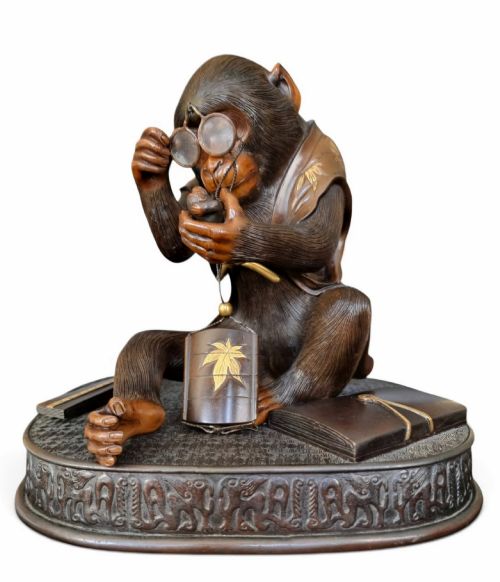
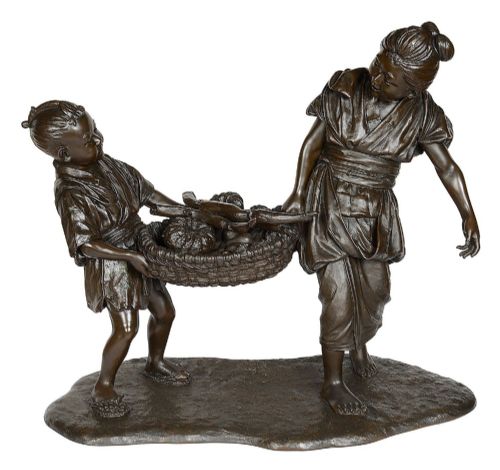
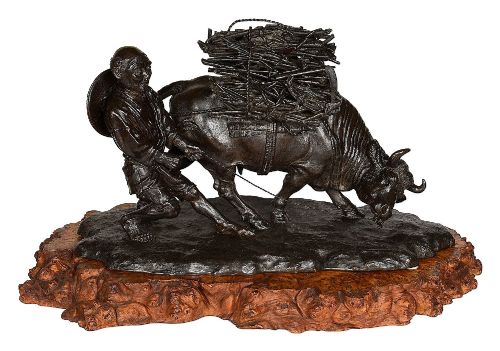
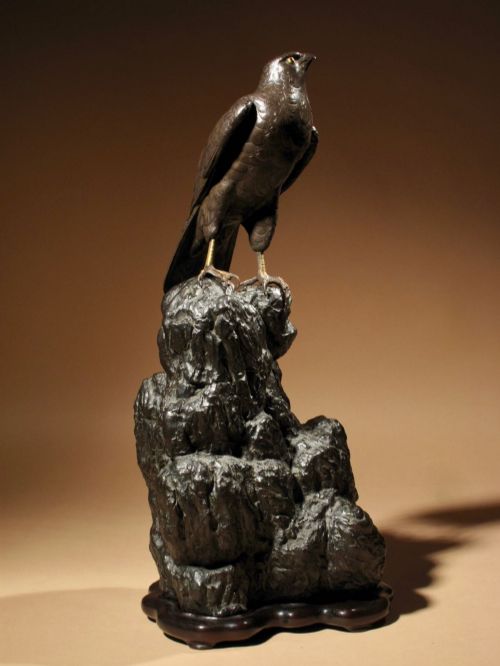
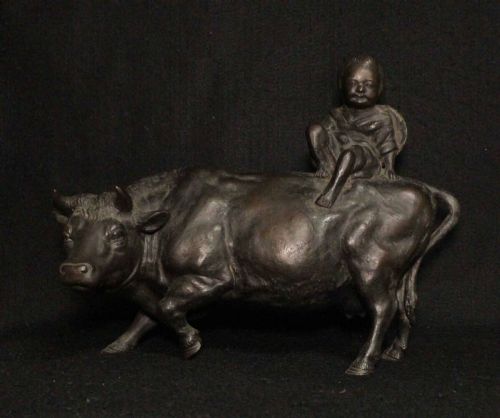
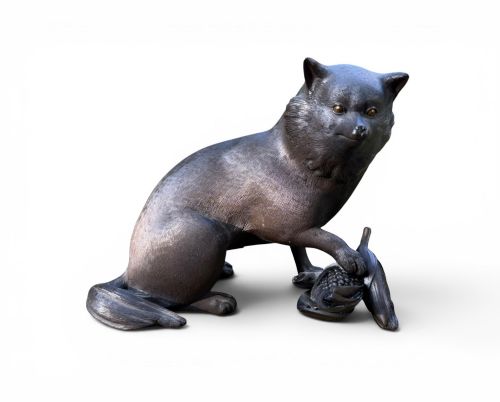
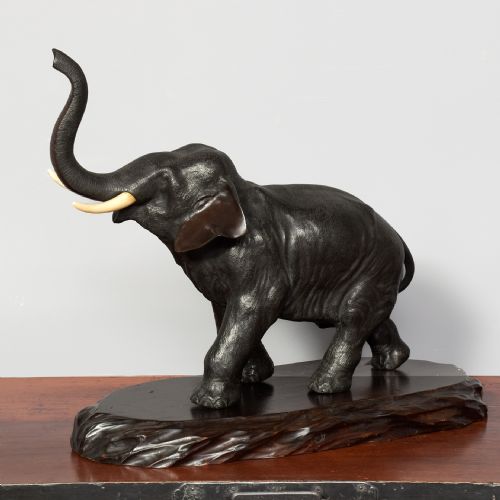
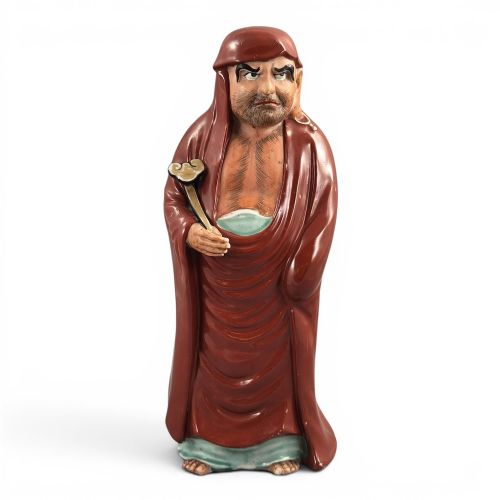
A meiji okimono figure is a freestanding ornament placed for display rather than used in religious practice or daily ritual. The selections gathered here span human subjects, deities, and animals observed in nature.
The bronze specimens range from small studies of insects and puppies to large garden dragons and fighting groups. Wooden and bamboo examples tend towards miniature carvings, deities, and figures of scholars or woodmen.
How they were made
Metal sculptures utilise bronze and patinated bronze, often with mixed-metal details or gold leaf applied to the surface. Artisans also employed iron for articulated insect models that move at the joints.
Carved pieces rely on boxwood, hardwood, root wood, and bamboo, shaped with hand tools to bring out the grain and texture of the subject. Earthenware and porcelain works receive painted enamel decoration in Satsuma or Kutani styles.
Meiji Okimono Figure Retail Price Guide 2026
Typical asking prices for meiji okimono figure among the pieces listed under this phrase on Sellingantiques today, from the lower quarter to the upper quarter. They describe what is for sale here now, not the wider market.
Listings feature works in bronze, patinated bronze, iron, wood, hardwood, boxwood, bamboo, earthenware, and porcelain, spanning the nineteenth and early twentieth centuries.
What varies in quality
The skill of the modeller or carver dictates the liveliness of the pose and the precision of fine details such as feathers, fur, and facial expressions. Cast bronzes demonstrate varying levels of chasing and patination finish after coming from the mould.
Masaaki·Kaniya Kuniharu·Tomochika·Kizan·Unno Shomin·Gyoko·Miyao
The Meiji Okimono Figure Glossary
- Okimono
- A decorative object or sculpture intended for display on a shelf or in a tokonoma alcove. These pieces range from small ivory netsuke to large bronze figures.
- Patinated bronze
- Metal treated with chemical solutions to produce a specific surface colour or aged tone. This finish highlights the sculptural contours.
- Satsuma
- A type of Japanese earthenware featuring a crackled pale glaze decorated with enamels and gilding. Satsuma okimono often depict figures and deities.
- Netsuke
- A small carved toggle fastened to the end of a cord on a traditional pouch or box. Many share themes with larger okimono figures.
- Mixed-metal
- An alloy technique combining different metals like copper, brass, and bronze within a single object. This method creates contrasting colour highlights on garments and animals.
Meiji Okimono Figure: Frequently Asked Questions
What is an okimono figure?
An okimono is a Japanese decorative sculpture designed purely for display in a domestic interior rather than for a specific ritual purpose. These figures represent animals, legendary heroes, deities, and scenes from daily life.
They emerged in significant numbers during the late nineteenth century to satisfy both domestic and export demand. Artisans created them in bronze, iron, wood, ivory, and ceramic.
Where were these figures displayed?
In traditional Japanese homes, okimono were placed in a recessed display alcove known as a tokonoma. They were curated alongside hanging scrolls to suit the season or an occasion.
Later, many found their way onto European and American mantelpieces and cabinets. Today, collectors place them on tabletops and shelves where they can be viewed closely.
How do I care for a bronze okimono?
Bronze figures require minimal maintenance beyond gentle dusting with a soft, dry cloth. Avoid using commercial metal polishes, abrasive cloths, or liquids that can strip the original patination.
Keep the piece away from direct sunlight and damp environments to protect the metal surface. Wooden and ivory examples benefit from stable indoor humidity to prevent splitting.
How do I identify a signed piece?
Makers often carved or cast their signature into the base or onto an applied metal tablet. These signatures can include the artist's name and sometimes the workshop or studio designation.
Translating the characters requires consulting reference books on Japanese metalwork and carvers. Unsigned pieces remain common and are judged entirely on their artistic merit and material quality.