
Meiji Metalwork
These pieces of meiji metalwork capture an era of astonishing technical mastery, bringing intricate bronze and enamel forms into your home.
Meiji Metalwork
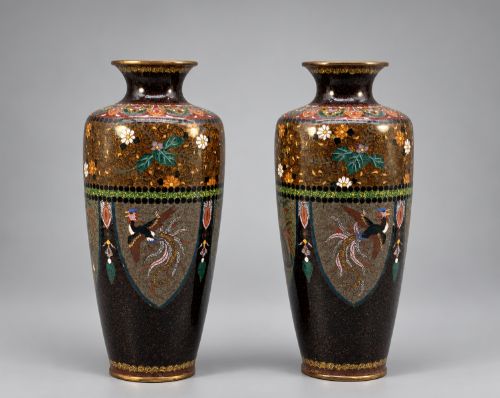
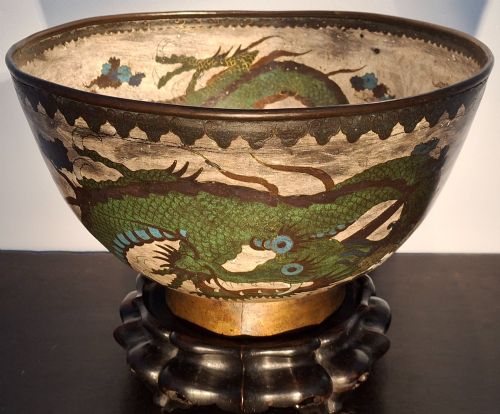
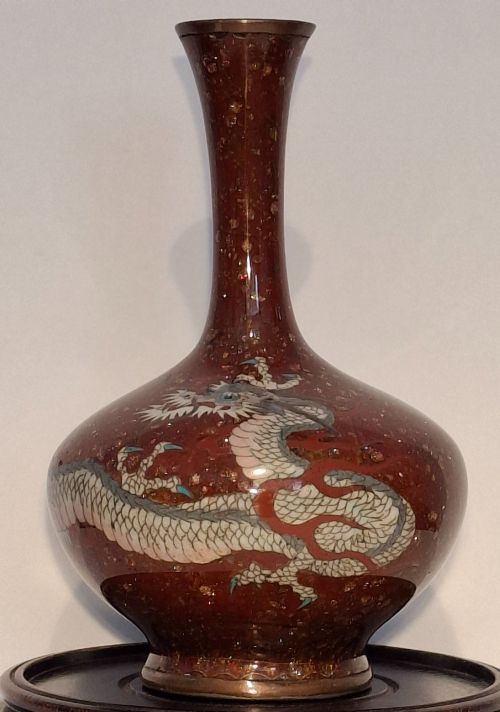
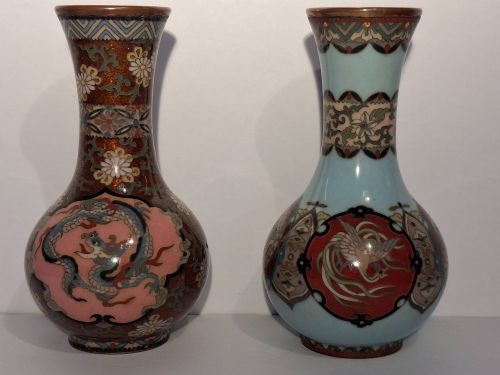
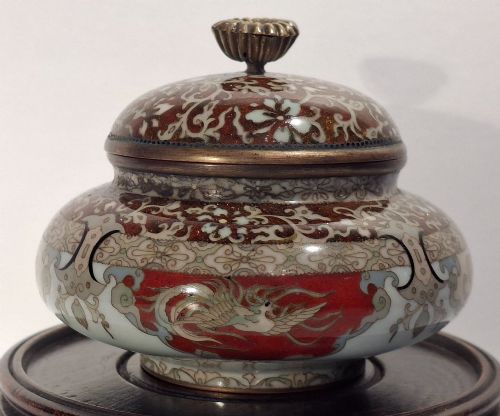
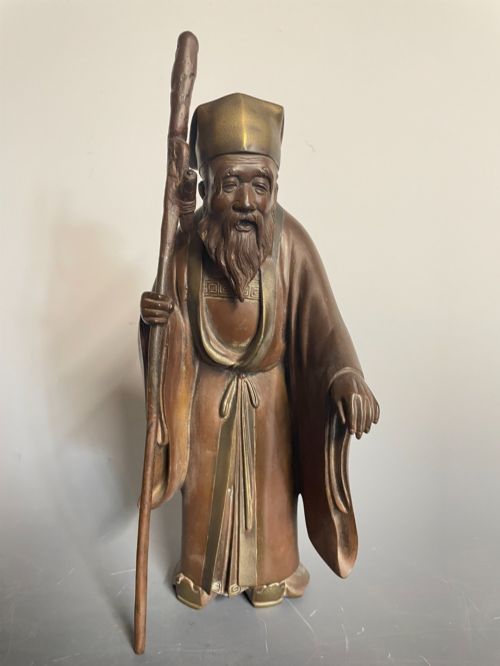
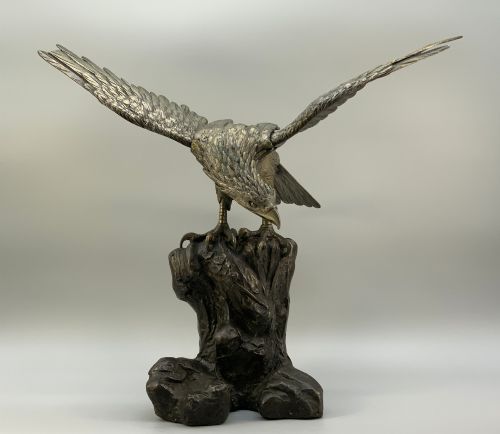
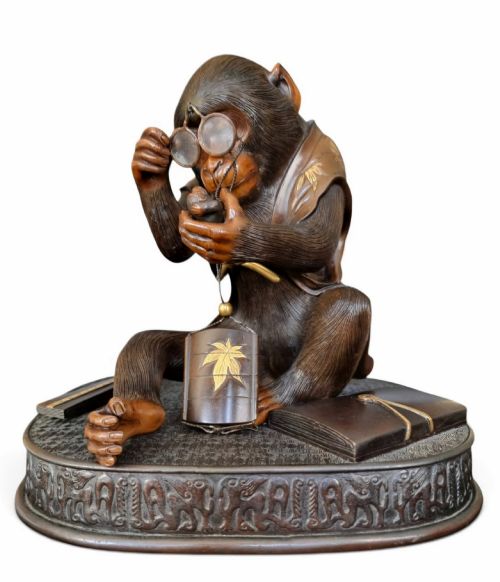
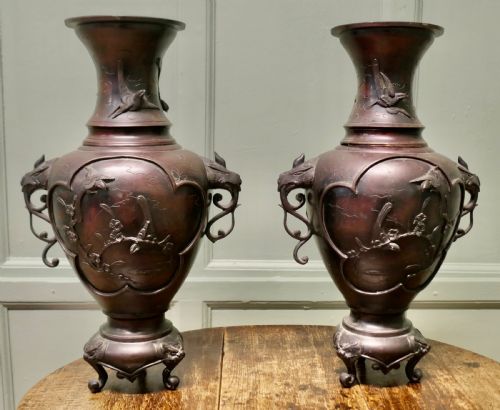
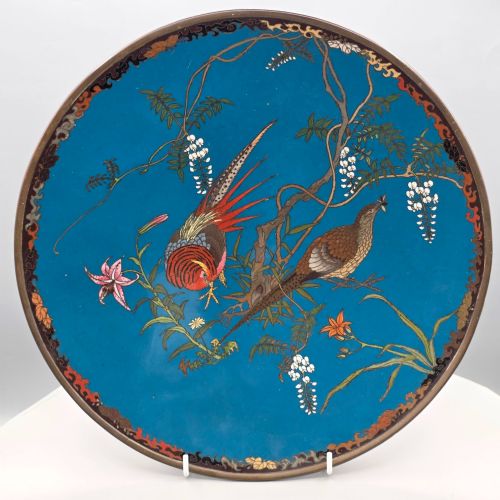
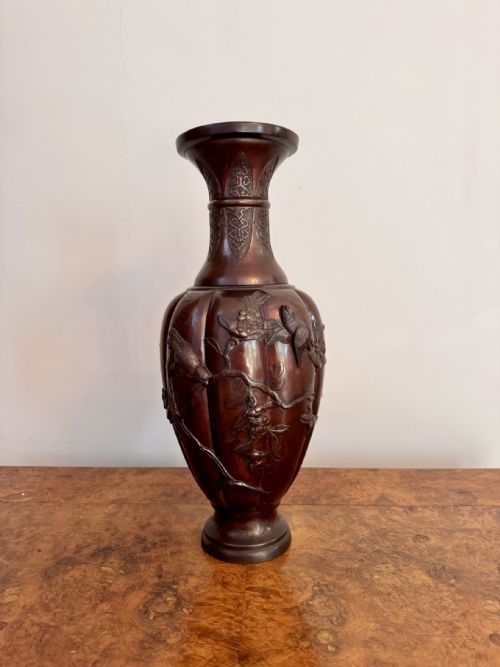
Meiji metalwork encompasses decorative objects produced in Japan during the late nineteenth and early twentieth centuries, spanning periods from the Edo transition through to the Taisho era. Collectors encounter diverse forms, ranging from monumental bronze vases and finely modelled okimono sculptures of animals and figures to intricate cloisonne enamel chargers and trays depicting birds, dragons, and landscapes.
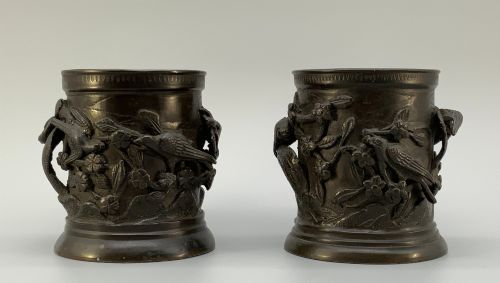
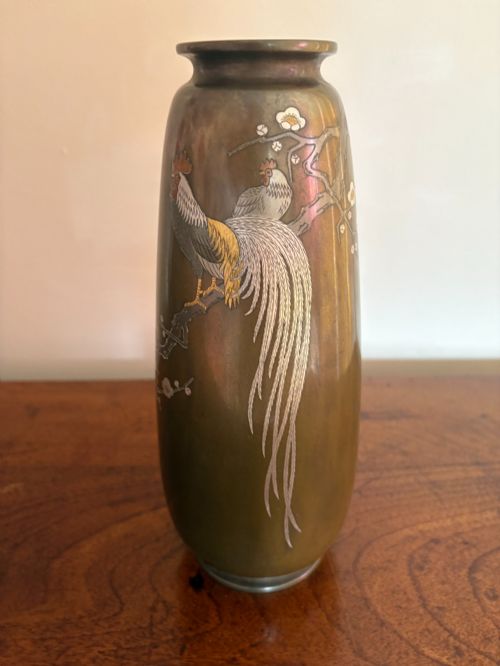
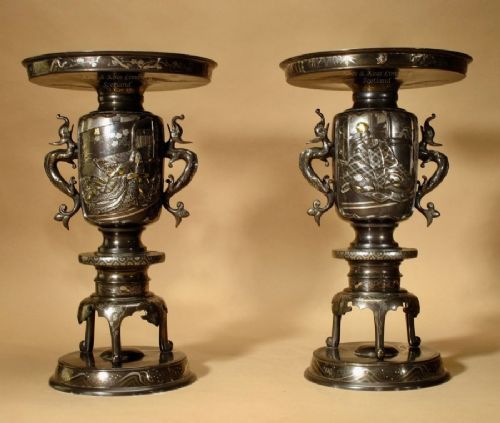
The objects on this page frequently manifest as pairs of bronze vases, table lamps adapted from earlier vessels, and detailed metal figures highlighting traditional Japanese iconography. Vases and decorative plates dominate the selections, alongside specialised items like ashtrays and koro incense burners, representing the intersection of traditional craftsmanship and international export demands.
Materials and Techniques
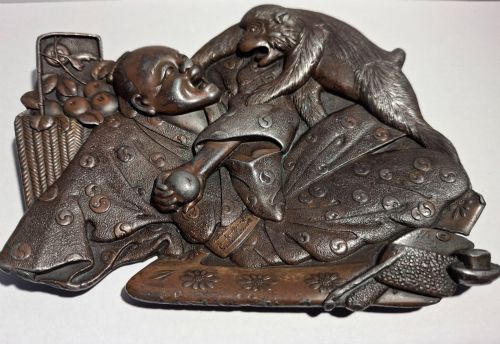
The makers utilised bronze, copper, and brass as the foundational base materials for casting large vessels, figures, and jardinières, frequently applying patination to achieve deep, rich surface tones. Surfaces are enriched through metal inlay, gold inlay, and mixed-metal applications that introduce contrasting hues and textures to the metallic body.
Materials recorded in current inventory include patinated bronze, cloisonne enamel, copper, brass, gold inlay, and wood.
Assessing Quality and Execution
The distinction between standard commercial output and superior examples lies in the precision of the chiselling, the depth of the patination, and the complexity of the inlaid designs. Masterworks display seamless wirework in cloisonne and exceptionally lifelike anatomy in bronze okimono, such as feathers on birds or muscle tension in animals.
Signature placement also influences distinction, as works attributed to documented makers often demonstrate a higher degree of sculptural ambition and finish. The weight of the casting, the harmony of the mixed metals, and the crispness of the relief work separate ordinary decorative items from pieces of true artistic merit.
Tsukamoto Hikokichi·KANASAWA·Jomi Eisuke·Kunio Itô·Tsunemitsu
The Meiji Metalwork Glossary
- Okimono
- A Japanese ornamental statue or sculpture designed for display on a shelf or in a tokonoma alcove. These freestanding figures often depict animals, legendary beings, or rural workers with great realism.
- Cloisonne
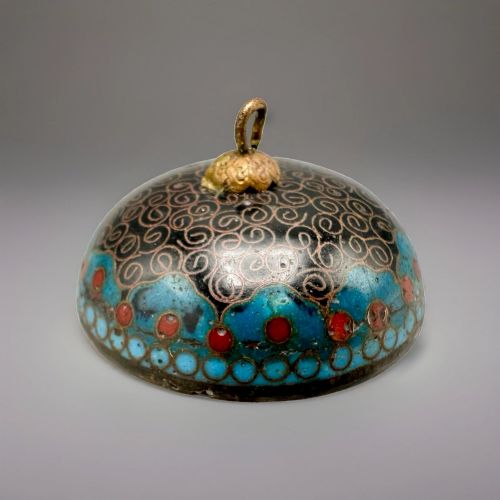
- An enamel technique where fine wire creates compartments on a metal surface to hold coloured glass pastes. Artisans fire the piece multiple times to vitrify the enamel before grinding it smooth.
- Patinated Bronze
- Metal treated with chemical solutions and heat to alter its surface colour and texture. This process produces deep browns, greens, and blacks that enhance sculptural depth.
- Koro
- A traditional incense burner featuring a perforated lid to allow fragrant smoke to escape. These vessels frequently stand on three feet and take elaborate forms in bronze or enamel.
- Takazogan
- A high-relief inlay technique where decorative elements project significantly from the base metal surface. This method creates striking three-dimensional contrasts on plates and vessels.
Meiji Metalwork: Frequently Asked Questions
What is meiji metalwork?
Meiji metalwork refers to decorative and sculptural items produced in Japan during the Meiji period, spanning from eighteen sixty-eight to nineteen twelve. This era saw a surge in skilled metalworking, combining traditional samurai armour-making techniques with new aesthetic demands for international export.
Artisans created everything from massive bronze vases to delicate silver bowls and patinated animal sculptures. These pieces are celebrated for their meticulous detail and innovative use of patination and inlay.
How do I display bronze vases?
Bronze vases possess substantial weight and strong visual presence, making them ideal as focal points on sturdy sideboards or mantelpieces. Placing them away from direct moisture helps preserve the historic patination on the metal surface.
Because many examples feature intricate detailing around the body and neck, ensure adequate lighting to highlight the relief work or inlay. Pairing them simply lets the craftsmanship remain the central feature of the room.
Are okimono figures heavy?
Okimono sculptures are typically cast in solid bronze or mixed metals, giving them a surprising heft relative to their physical size. This solid construction ensured stability for detailed animal and human figures.
When handling these sculptures, support them from the base rather than protruding limbs or delicate appliques. Their dense composition reflects the substantial materials used by Meiji period metalworkers.
How do I identify a signature?
Signatures on these pieces usually appear as engraved or cast characters on the base of vases and the underside of sculptures. They denote either the individual artist who fashioned the work or the workshop responsible for its production.
Translating these signatures often reveals the specific region or maker active during the late nineteenth or early twentieth century. Comparing the character style with documented maker records helps establish the origin of the piece.