





Meiji Metalwork Okimono
These meiji metalwork okimono pieces are Japanese sculptural figures designed for display, offering remarkable metalcraft.
Meiji Metalwork Okimono
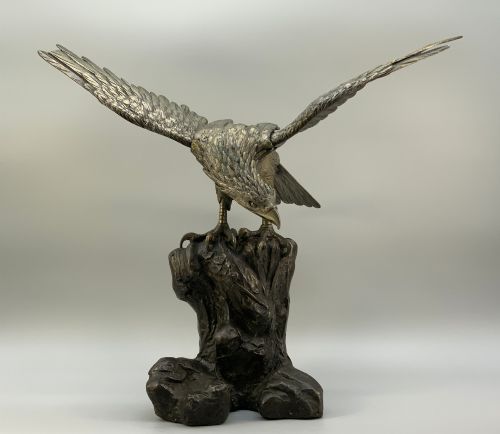
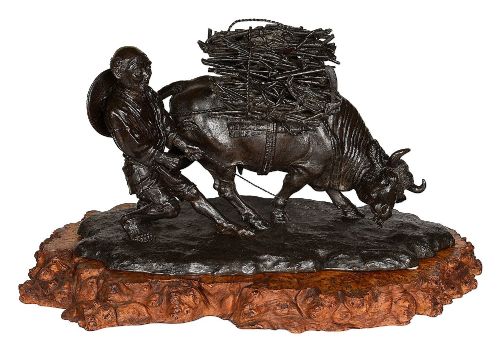
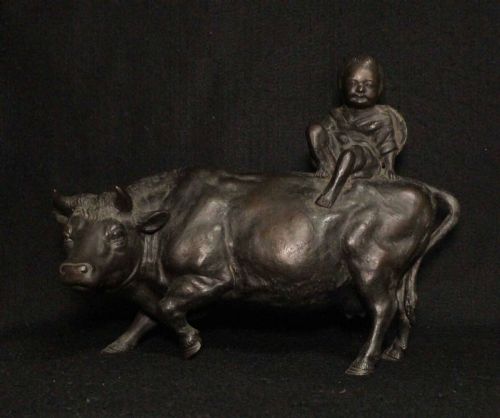
When you search for meiji metalwork okimono, you encounter sculptural figures originating from Japan during the nineteenth century and the early decades of the twentieth century. These decorative works include animals, birds, insects, and human figures designed for interior display rather than religious or practical use.
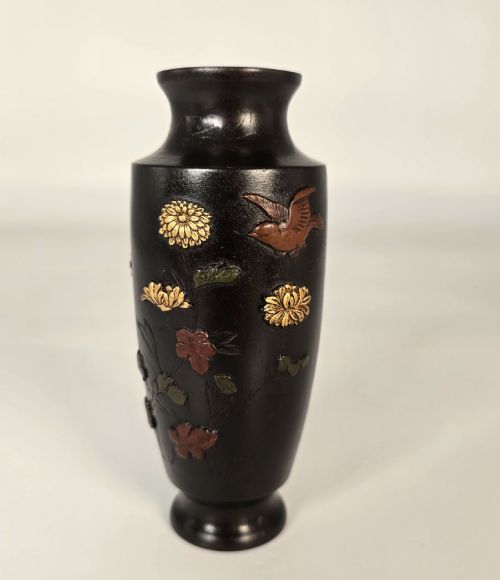
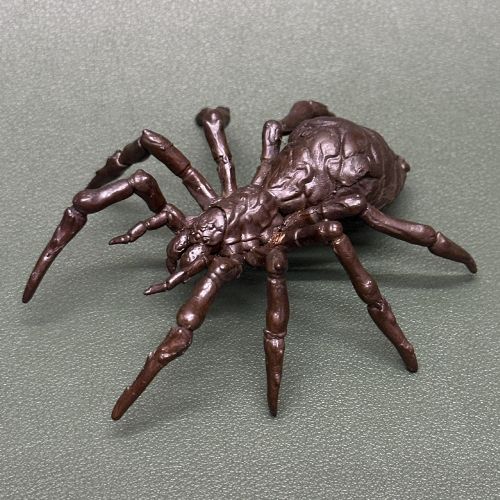
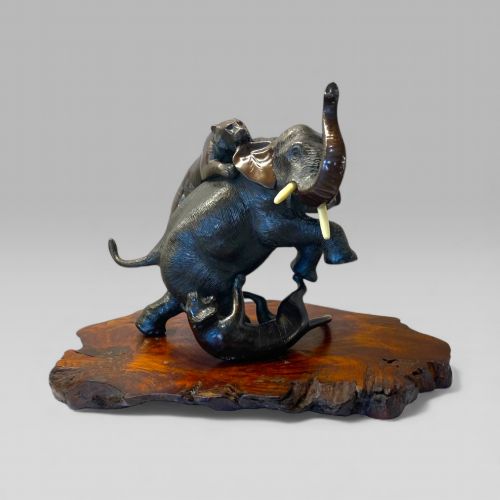
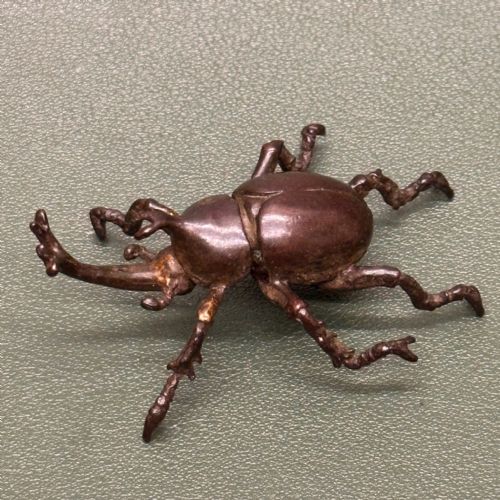
The objects appearing here span forms such as freestanding animal sculptures, vases, and garden statuary. Subjects range from naturalistic birds of prey and insects to narrative groups involving monkeys, elephants, and human figures.
Most examples belong firmly to the Meiji period, reflecting the technical ambitions of Japanese metalworkers during a time of intense artistic output for both domestic and export markets.
Materials and construction
Makers utilised bronze, patinated bronze, copper, and iron as the primary structural materials for these figures. Mixed metals appear frequently, incorporating gold inlay and shakudo to create contrasting tones and surface highlights on the metal body.
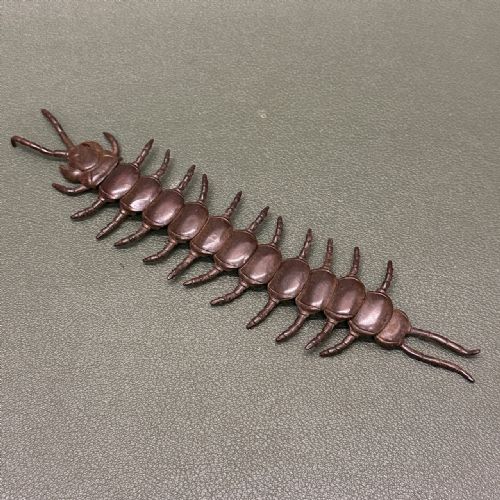
Complex forms often involved articulated elements, where individual sections of insects or animals were constructed to move independently. Artisans combined casting techniques with intricate hand-finishing, patination, and wood or stone base integration.
Artisans spent months filing tiny metal legs and antennae so that bronze beetles and centipedes could wiggle realistically.
Assessing quality
The distinction between standard works and exceptional pieces lies in the precision of the surface chiselling and the naturalism of the anatomy. Master works demonstrate lifelike tension in muscle structures and feather or fur rendering.
The depth and consistency of the patination, alongside the complexity of mixed-metal applications or articulated joints, separate standard commercial output from pieces carrying identifiable signatures and artistic ambition.
Jomi Eisuke·Tsunemitsu·Unno Shomin·Gyoko
The Meiji Metalwork Okimono Glossary
- Okimono
- A Japanese ornamental statue or sculpture placed in a room or alcove for appreciation. These decorative objects range from small tabletop animal figures to large garden pieces.
- Shakudo
- A traditional Japanese billon alloy of copper and a small percentage of gold, treated to produce a dark purple-black patination. It creates subtle contrast when inlaid into bronze surfaces.
- Patinated bronze
- Bronze that has been chemically treated to alter its surface colour, ranging from deep browns to mottled greens and blacks. This finish accentuates the sculptural contours of the piece.
- Articulated
- Constructed with movable joints between segments, often seen in metalwork representations of insects, crustaceans, and snakes to mimic life.
- Mixed metals
- The combination of different metal alloys such as bronze, copper, iron, and precious metals within a single composition to create polychrome visual effects.
Meiji Metalwork Okimono: Frequently Asked Questions
What is an okimono?
An okimono is a Japanese decorative sculpture intended for display within a home rather than for ritual use.
These pieces were produced in various sizes and materials, depicting animals, figures, and scenes from nature.
How do I identify Meiji period metalwork?
Meiji period metalwork dates between 1868 and 1912, a time when Japanese artisans applied traditional sword-fitting skills to decorative sculpture.
Look for naturalistic subjects, patinated bronze construction, and occasionally artist signatures or foundry marks.
Were these pieces made for export?
Many fine metalwork sculptures from this era were created specifically for international exhibitions and Western collectors.
This demand influenced both the scale and the subject matter of the works produced by Japanese workshops.
How should I clean bronze okimono?
Bronze objects generally require only gentle dusting with a soft, dry cloth to protect their patinated surfaces.
Avoid using water, chemical polishes, or abrasive cleaners, which can permanently strip the original finish.