





Meiji Lacquer Furniture
Meiji lacquer furniture brings together rich Japanese craftsmanship and functional form, offering distinctive storage and display pieces for the home.
Meiji Lacquer Furniture
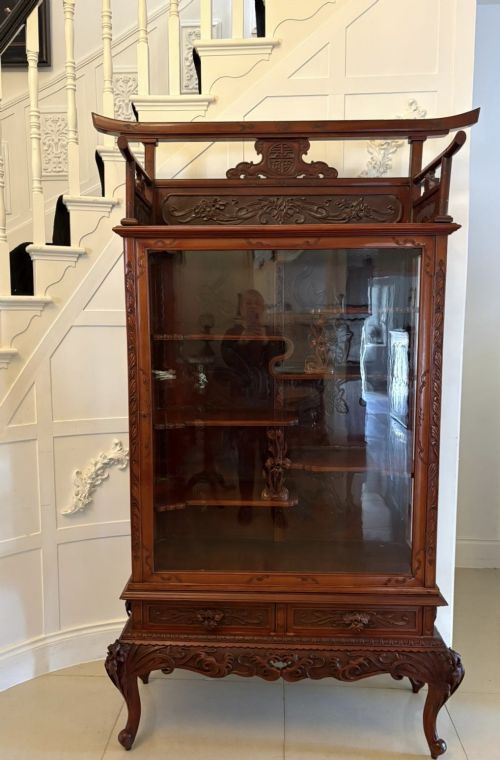
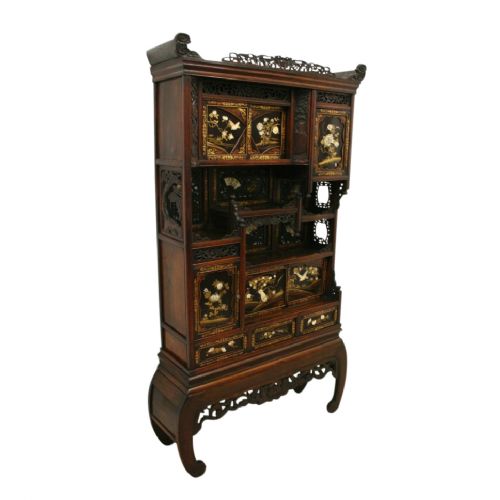
Meiji lacquer furniture comprises intricate cabinets, chests, and stands originating from Japan during the late nineteenth and early twentieth centuries. These pieces encompass diverse forms such as the traditional shodana display cabinet, the utilitarian tansu chest, and occasional tables.
Buyers encountering this category most frequently meet nineteenth-century examples, including pieces aligned with the Japanese Meiji period as well as cross-cultural styles like the Aesthetic Movement and Victorian interpretations. The selection ranges from compact work tables to large, highly decorative cabinets on stands.
The objects serve primarily for display and storage, utilising traditional construction methods that marry structural woodwork with elaborate surface decoration. Each piece reflects the aesthetic exchanges between Japanese export traditions and Western tastes of the era.
Materials and construction
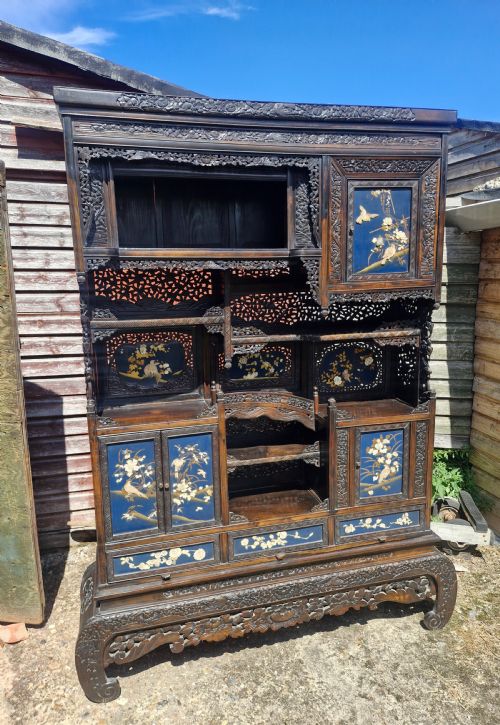
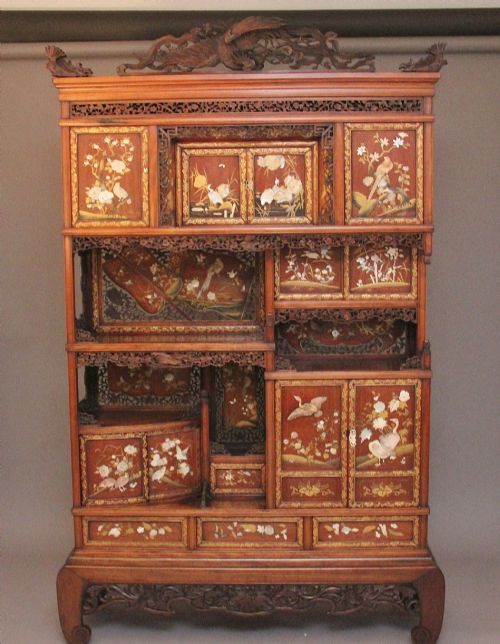
Makers built these pieces using hardwood and general timber foundations before applying successive layers of lacquer to achieve deep, lustrous finishes. Red lacquer and cinnabar lacquer variants appear alongside traditional black and brown grounds, creating varied tonal depths across the surfaces.
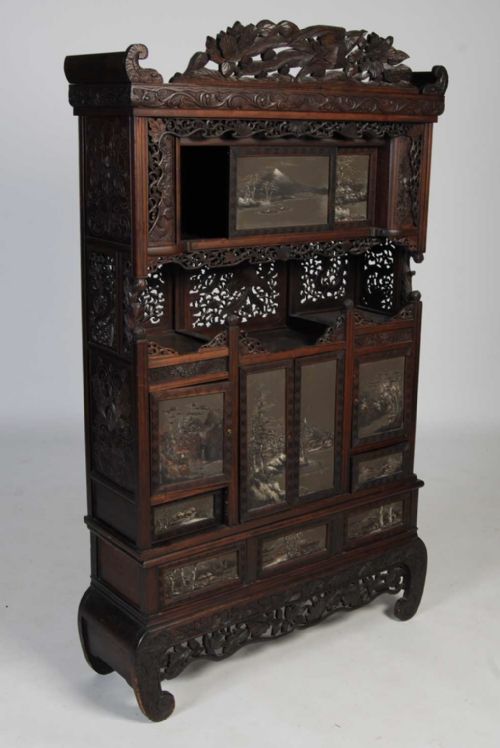
Decoration relied heavily on intricate inlay and relief work, incorporating materials such as mother-of-pearl, bone, and carved wood to form pictorial and floral motifs. Artisans also integrated gold leaf and metal fittings in iron to accent the structural lines and drawer pulls.
Meiji Lacquer Furniture Retail Price Guide 2026
Typical asking prices for meiji lacquer furniture among the pieces listed under this phrase on Sellingantiques today, from the lower quarter to the upper quarter. They describe what is for sale here now, not the wider market.
Some nineteenth-century makers cleverly concealed tiny secret drawers behind sliding panels in their shodana cabinets, perfect for hiding small treasures.
Distinctions in craftsmanship
Quality in these pieces rests upon the precision of the joinery and the depth and stability of the lacquer finish. Superior examples display flawless application without cracking, alongside crisp carving in relief and secure, flush inlays of mother-of-pearl or bone.
The complexity of the form further differentiates the range, separating standard utility chests from elaborate shodana cabinets featuring multiple tiers, asymmetrical shelving, and integrated stands. Finer works demonstrate a harmonious balance between structural integrity and densely detailed surface ornamentation.
The Meiji Lacquer Furniture Glossary
- Shodana
- A Japanese tabletop or freestanding display cabinet featuring asymmetrical shelving, cupboards, and sliding doors. These pieces were designed to showcase small art objects and curios.
- Tansu
- A traditional Japanese mobile chest or storage cabinet built with iron hardware for reinforcement. They served practical domestic storage functions before reaching Western collectors.
- Cinnabar lacquer
- A technique involving the application of numerous layers of red lacquer derived from mercuric sulphide, which is then carved deeply. This process yields heavy, tactile relief ornamentation.
- Shibayama
- A decorative inlay technique utilising precious materials such as mother-of-pearl, ivory, and bone set into a lacquer or wood ground. The resulting designs typically depict flora, fauna, or figures.
- Aesthetic Movement
- A nineteenth-century design style that emphasised aesthetic value over moral or narrative purpose. It drew heavily on Japanese art and export goods for inspiration.
Meiji Lacquer Furniture: Frequently Asked Questions
What is a shodana cabinet?
A shodana is a traditional Japanese display cabinet characterised by its tiered, asymmetrical shelving and enclosed compartments. These pieces were constructed to exhibit valued ornaments and scholarly objects.
In the context of nineteenth-century export, they combined traditional Japanese joinery with forms that appealed directly to Western collectors seeking exotic interior furnishings.
How were tansu chests used?
Tansu chests served as utilitarian storage furniture within Japanese households, designed to hold clothing, documents, and domestic goods. Their sturdy construction and iron mountings facilitated movement.
When adapted for the export market, these chests retained their robust forms while incorporating decorative lacquer finishes that suited European and British domestic interiors.
What distinguishes cinnabar lacquer?
Cinnabar lacquer involves building up thick layers of red lacquer on a wooden core before carving intricate patterns directly into the hardened surface. This technique produces deep, tactile designs.
Because the process requires immense labour and precise skill, pieces finished in cinnabar lacquer carry a distinct visual weight and physical depth compared to flat lacquer finishes.
How do I care for lacquer furniture?
Lacquer furniture requires stable environmental conditions away from direct sunlight and extreme humidity fluctuations to prevent the wood underneath from expanding and cracking the finish. Dusting should be done gently with a soft, dry cloth.
Avoid using modern chemical polishes or abrasive cleaners, as these can permanently damage the delicate surface layers and inlaid decorative elements.