



Meiji Kutani Ceramics
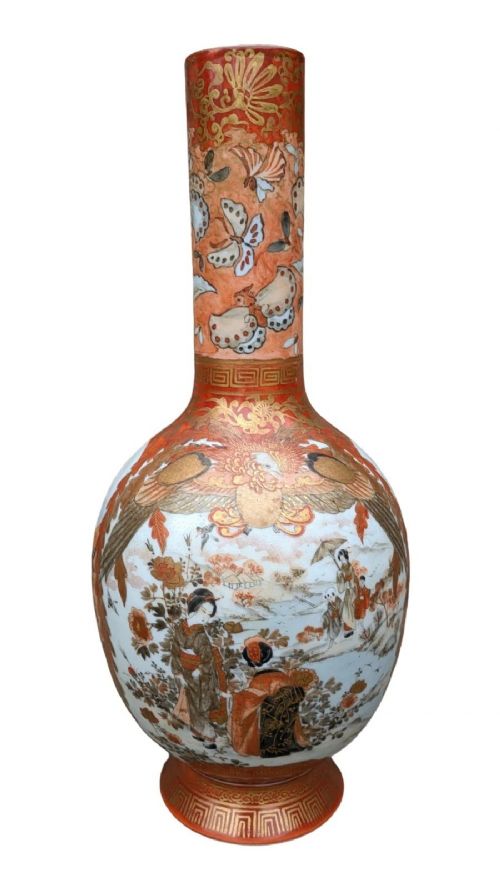
When you handle meiji kutani ceramics, you meet the distinctive porcelain, enamel, and gold leaf objects produced in Japan during the nineteenth century.
Meiji Kutani Ceramics
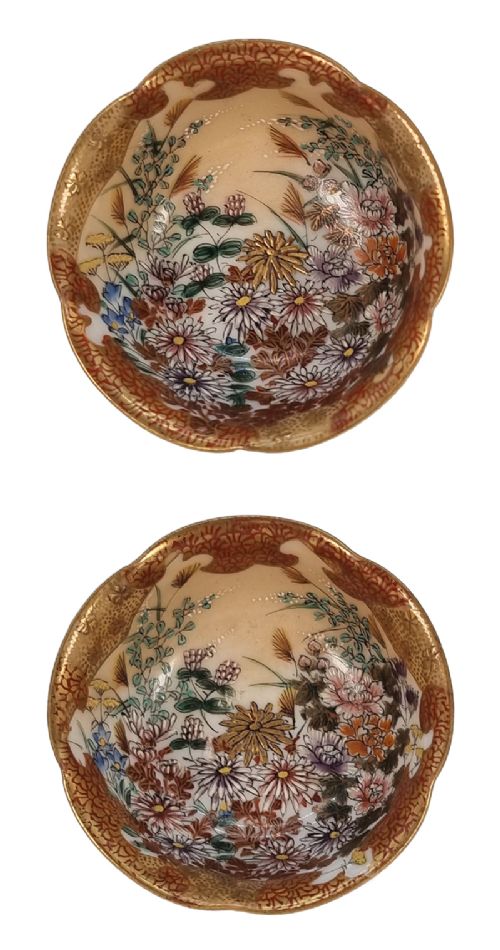
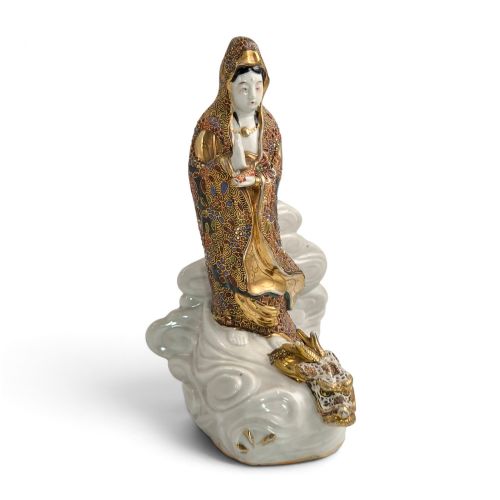
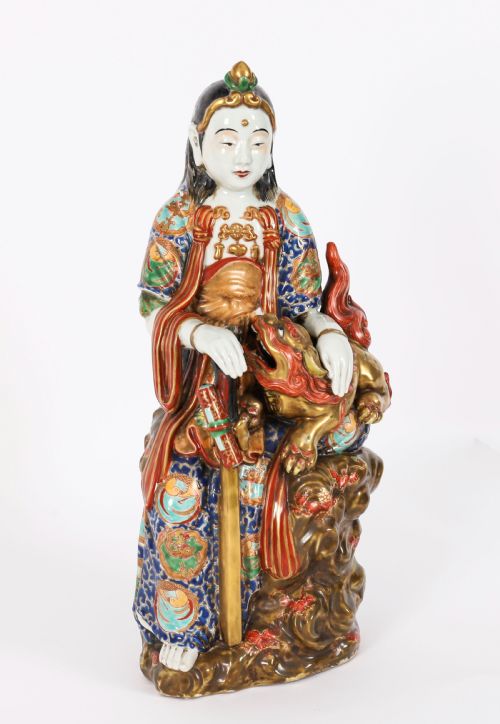
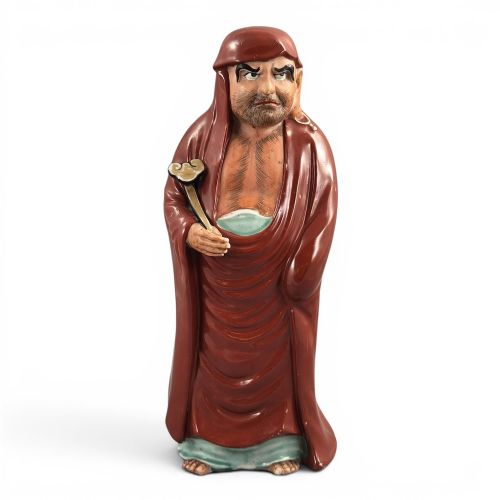
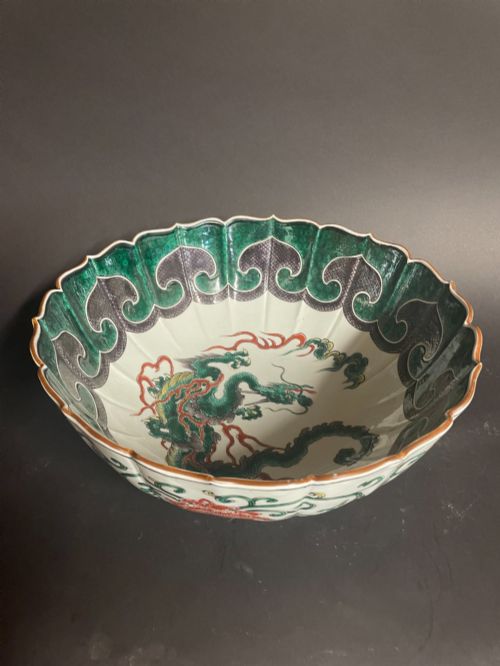
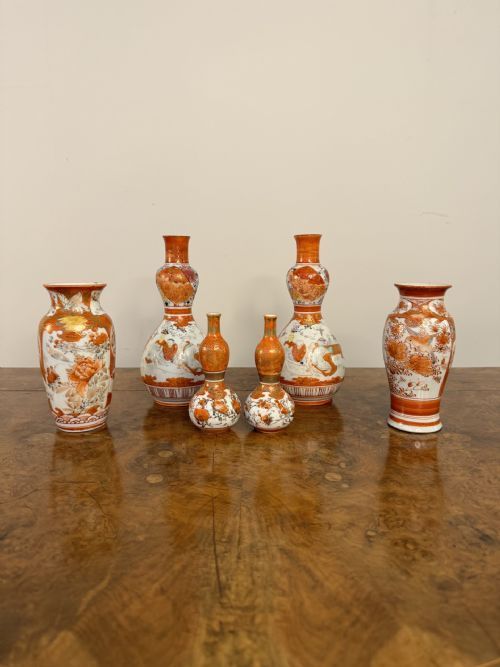
Meiji Kutani ceramics comprise porcelain items produced during the nineteenth century and the Meiji period, encompassing forms such as vases, figures, bowls, and incense burners.
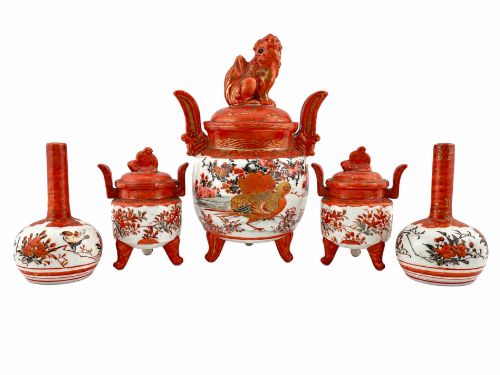
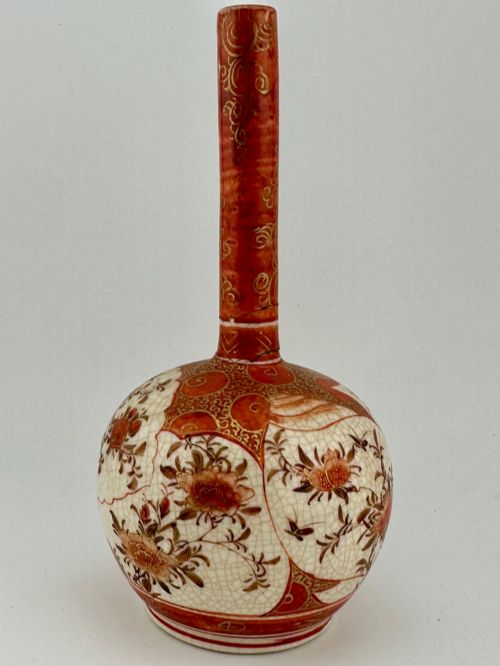
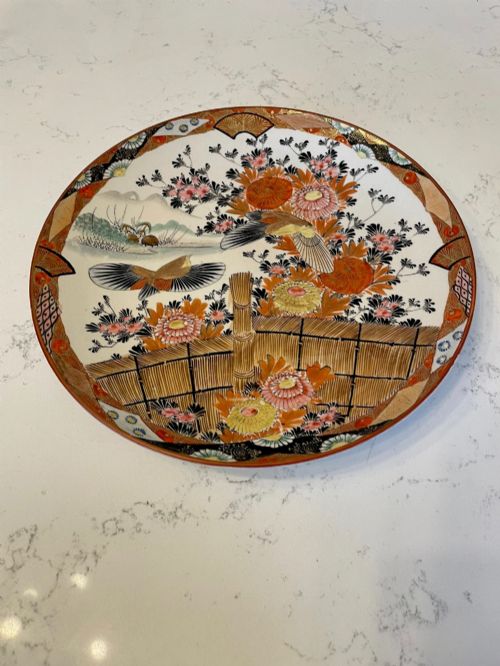
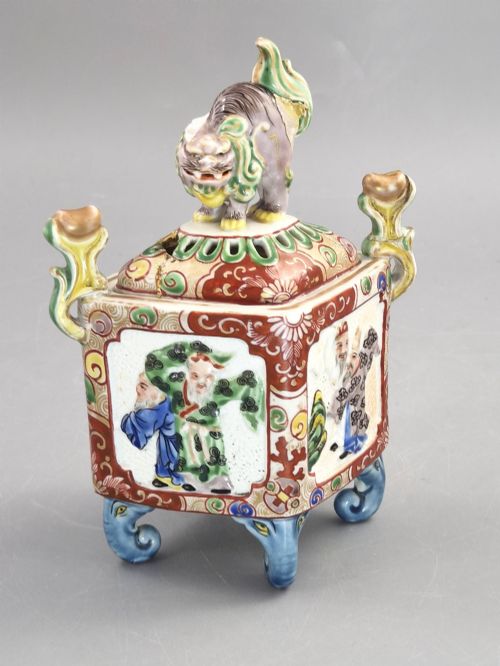
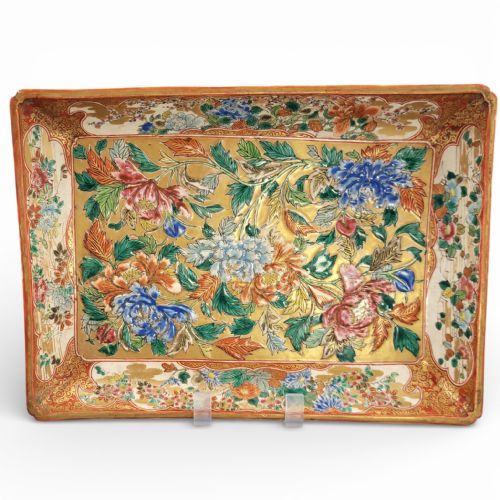
The objects appearing most frequently on this page include cylindrical and bulbous vases, tripod koro incense burners, decorative chargers, and sculptural figures of deities and Buddhist lions.
These pieces bridge traditional Japanese motifs with export requirements from the late nineteenth century, showing influences from Japanese traditional and Imari styles.
Materials and Technique
Potters shaped porcelain bodies into vessels and figures, applying overglaze enamel colours alongside iron red pigments and heavy gilding.
Makers utilised techniques such as moriage to build up raised dots and decorative panels, often adding gold leaf and gilt highlights over the finished glaze.
Meiji Kutani Ceramics Retail Price Guide 2026
Typical asking prices for meiji kutani ceramics among the pieces listed under this phrase on Sellingantiques today, from the lower quarter to the upper quarter. They describe what is for sale here now, not the wider market.
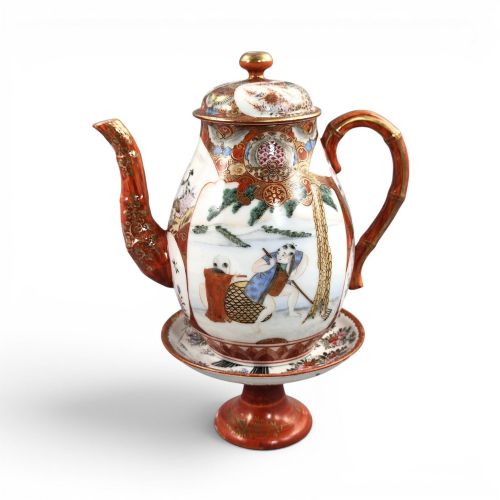
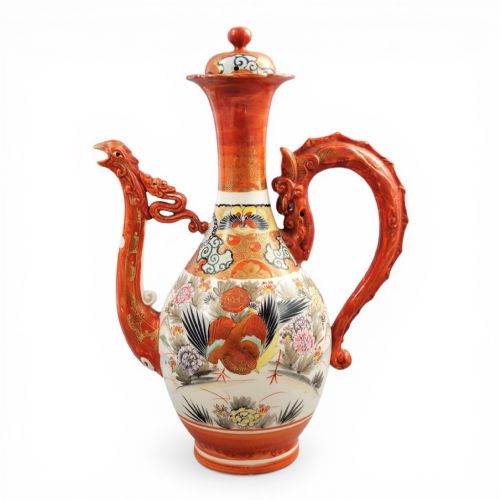
Listings feature nineteenth century porcelain forms including vases, teapots, incense burners, and figures created during the Meiji period.
Quality Variations
The standard of painting determines the level of craftsmanship, distinguishing loosely decorated export items from finely executed hand-painted surfaces.
The application of gold leaf and the precision of overglaze enamel work separate standard commercial production from signed workshop pieces.
Shozo·Kinrin Workshop
The Meiji Kutani Ceramics Glossary
- Kutani
- A type of Japanese porcelain traditionally associated with the Kaga province, known for iron red and gold palettes. Pieces range from small miniature bowls to large chargers.
- Moriage
- A ceramic technique where slip is piped onto the unglazed or glazed surface to create raised decorative patterns. This adds tactile texture to vases and figurines.
- Koro
- An incense burner, typically supported on three feet and fitted with a pierced cover. Many examples feature shishi finials and elephant head handles.
- Shishi
- A mythical Buddhist lion or guardian dog frequently depicted in porcelain sculpture. Figures often act as finials on incense burners or as standalone models.
- Okimono
- A small Japanese decorative sculpture intended for display on a shelf or in a tokonoma alcove. Common subjects include deities, figures, and animals.
Meiji Kutani Ceramics: Frequently Asked Questions
What are meiji kutani ceramics?
Meiji kutani ceramics are porcelain vessels, figures, and decorative objects made in Japan during the nineteenth century and the Meiji period. They utilise iron red enamel, gold leaf, and overglaze colours.
These items include vases, incense burners, teapots, and sculptures of deities such as Kannon and Jurojin. They reflect traditional Japanese craftsmanship adapted for both domestic use and export.
How do I identify meiji kutani pieces?
Identification relies on observing the distinct iron red and gold palette, alongside overglaze enamel painting and raised moriage decoration. Common motifs include birds, peonies, and geometric panels.
Many pieces date from the late nineteenth century and incorporate traditional forms like tripod koro burners and long neck bottle vases. Signatures from workshops like Kinrin may also appear on the base.
Were these items made for export?
Many nineteenth-century pieces were produced specifically for international markets following the opening of Japan. Workshops tailored scale and decoration to suit Western tastes.
Despite export origins, the production adhered to traditional Japanese styles, utilising porcelain bodies, hand-painted enamels, and gilt ornamentation.
How should I display them at home?
Displaying these ceramics involves placing vases, bowls, and figures on stable surfaces where their painted surfaces and raised moriage details are visible. Larger chargers sit well on stands.
Pairing items like incense burners and garniture sets on mantels or cabinets allows the nineteenth-century porcelain forms to stand out as focal points in a room.