






Meiji Export Ware
Meiji export ware comprises diverse Japanese decorative arts created for international markets, offering intricate hand-painted designs and traditional craftsmanship that enrich any interior.
Meiji Export Ware
Meiji export ware encompasses a wide variety of decorative objects produced in Japan during the late nineteenth and early twentieth centuries for Western buyers. Pieces on this page span from the nineteenth century into the Edwardian era, reflecting both traditional domestic aesthetics and the tastes of international markets.
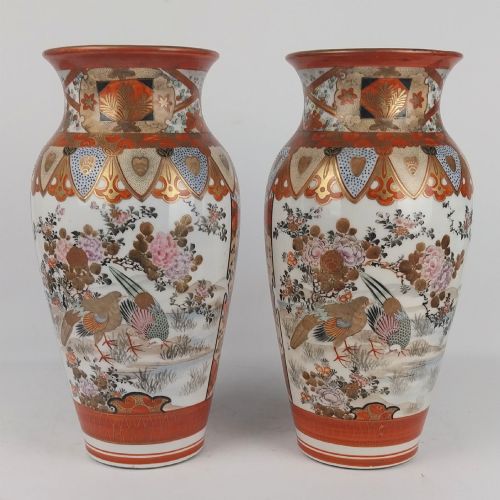
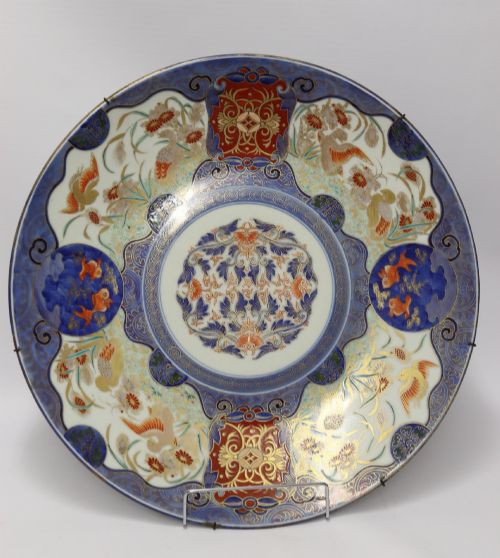
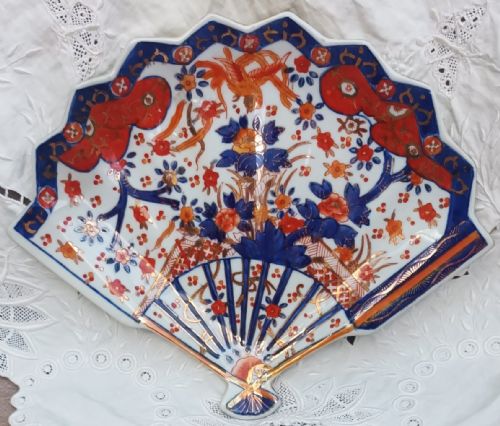
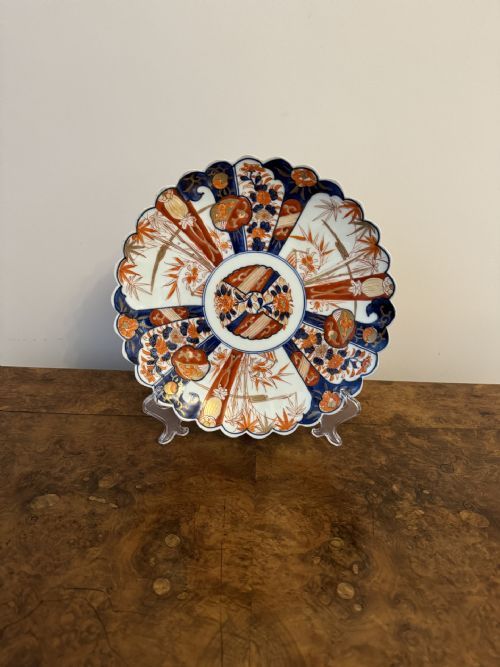
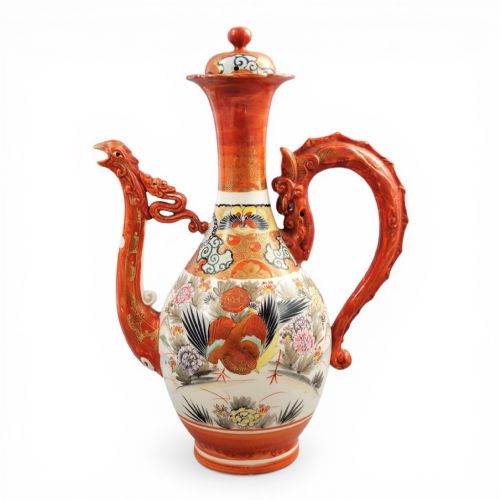
The most common forms encountered here are Imari porcelain chargers, plates, and vases decorated with characteristic palettes of blue, iron red, and gold leaf. Alongside these, buyers frequently find Satsuma earthenware and Kutani porcelain figures, ewers, and bowls.
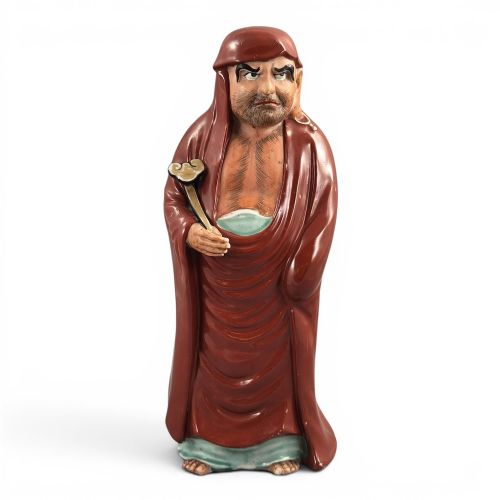
Objects range from large monumental vessels and scallop-edged dishes to detailed okimono figures and lacquer trays. These items illustrate the breadth of Japanese manufacturing exported during the Meiji period and subsequent decades.
Materials and construction
Makers utilised porcelain and earthenware as the primary ceramic bodies, shaping them into large chargers, vases, and bowls, often with specialised forms like hexagonal profiles or scallop edges. Skilled artisans applied glazes and hand-painted motifs directly onto the surface.
Decoration relied heavily on overglaze enamel and intricate gilding, frequently incorporating gold leaf to highlight complex patterns such as samurai battles, dragons, and phoenixes. Papier-mâché and lacquer techniques were also utilised for functional items like decorative trays.
Meiji Export Ware Retail Price Guide 2026
Typical asking prices for meiji export ware among the pieces listed under this phrase on Sellingantiques today, from the lower quarter to the upper quarter. They describe what is for sale here now, not the wider market.
Listings include porcelain, earthenware, enamel, gold leaf, and lacquer across the 19th Century, Edwardian, and Meiji periods.
Assessing quality and finish
Quality in these ceramics rests on the precision of the hand-painted brushwork and the complexity of the design, where finely detailed figures and balanced compositions distinguish superior pieces from simpler commercial output. The application of gilding and enamel also plays a major role, with richer materials and crisper lines indicating higher workshops.
Scale and ambition separate standard decorative items from exhibition pieces, such as monumental bowls and signed Satsuma vases featuring specific family crests like the Shimazu mon. The integrity of the ceramic body and the preservation of the original glaze add further distinction.
The Meiji Export Ware Glossary
- Imari
- A style of Japanese porcelain characterised by underglaze blue and overglaze red, green, and gold ornamentation. These wares were heavily exported to Europe and America.
- Satsuma
- A type of Japanese earthenware featuring a crackled ivory glaze decorated with polychrome enamels and gilding. It became immensely popular during the Meiji period.
- Kutani
- A style of Japanese porcelain known for bold colours and intricate pictorial designs, often incorporating mythical creatures like dragons and phoenixes.
- Okimono
- A traditional Japanese standalone decorative figurine meant for display on a household shelf or tokonoma alcove. These figures portray deities, historical figures, or animals.
- Charger
- A large decorative plate or platter intended primarily for display on a wall or sideboard rather than for practical dining use.
Meiji Export Ware: Frequently Asked Questions
How were Satsuma vases used?
Satsuma vases were created primarily as ornamental centrepieces for display in Victorian and Edwardian drawing rooms.
Their detailed hand-painted scenes and gilded finishes made them status symbols for collectors demonstrating an appreciation for Japanese art.
How do I identify Imari porcelain?
Imari porcelain is easily recognised by its distinctive palette combining deep underglaze blue with contrasting iron red and rich gold leaf.
Designs typically feature floral patterns, landscapes, and geometric borders across chargers, bowls, and vases.
Are these pieces from the nineteenth century?
The listings span from the nineteenth century through the Edwardian period, capturing the height of Japanese export manufacturing.
Specific dates are indicated by style, potting techniques, and historical markers associated with individual makers and periods.