



Meiji Decorative Metalwork
These pieces of meiji decorative metalwork bring together bronze, cloisonné enamel, and intricate inlay, offering an insight into skilled Japanese craftsmanship.
Meiji Decorative Metalwork
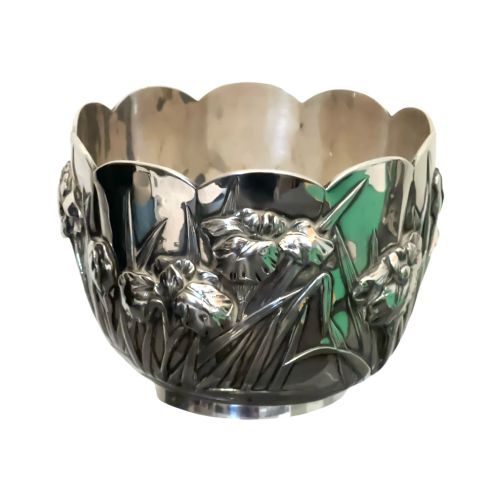
When you search for meiji decorative metalwork, you encounter items shaped into vessels, trays, and plates that reflect late nineteenth and early twentieth-century Japanese aesthetics. The selection centres heavily on vases, chargers, and bowls produced during the Meiji period and the transition into the Taisho era.
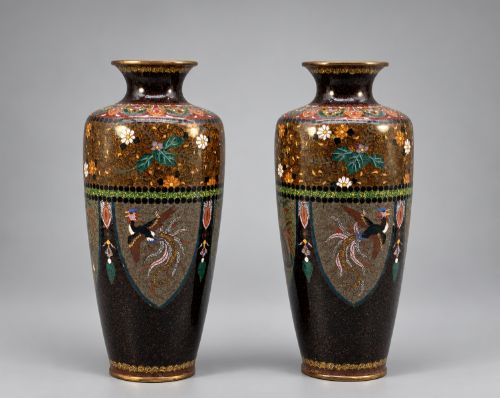
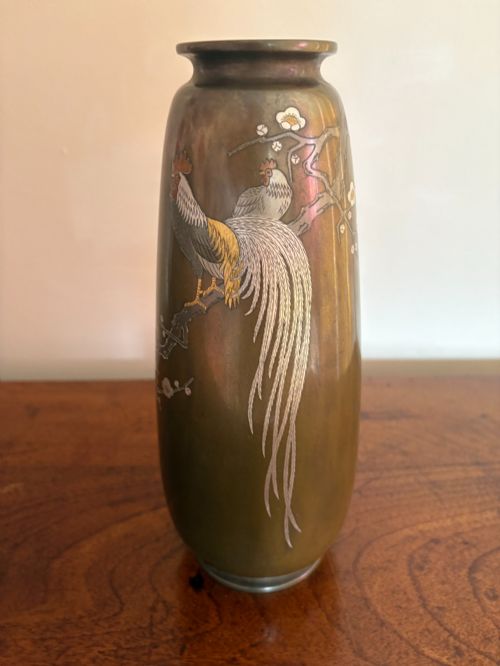
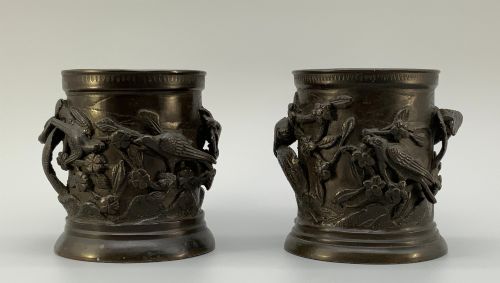
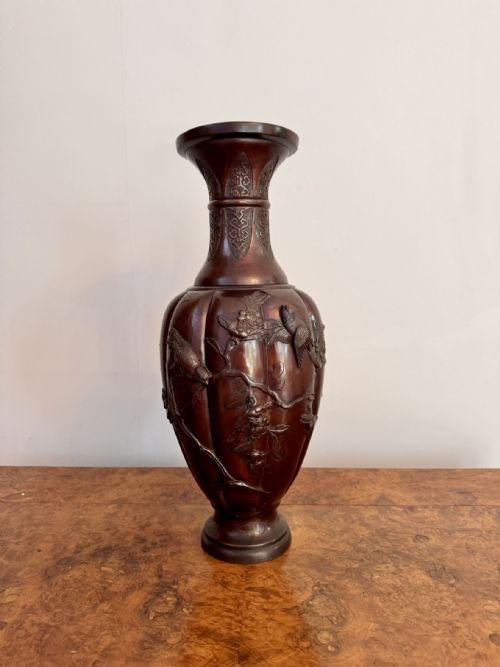
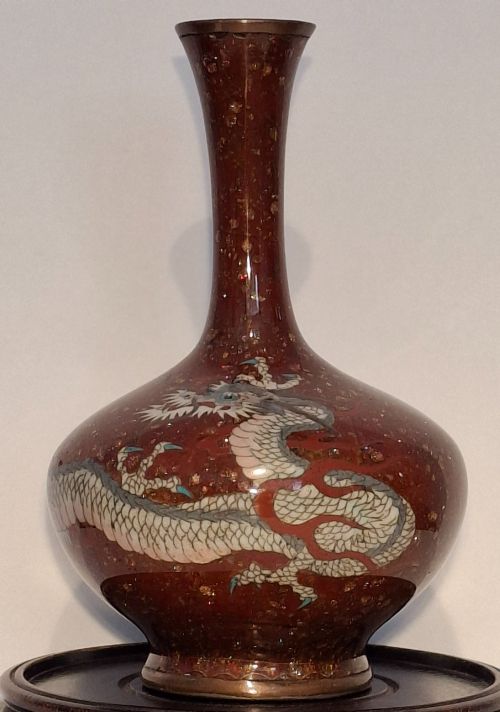
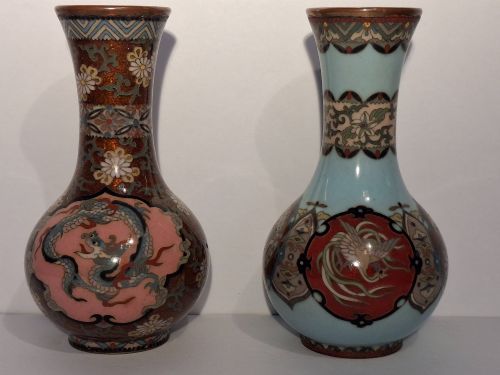
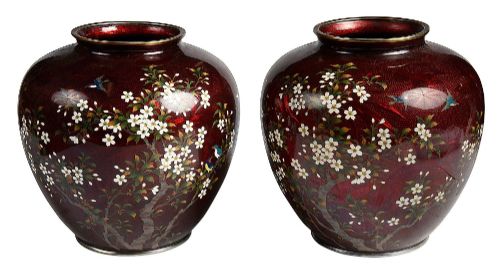
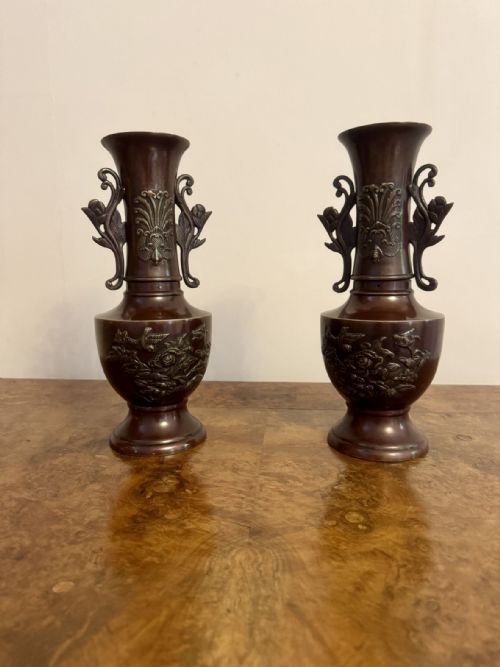
Vases range from miniature vessels to tall jars, often decorated with birds, flowers, or dragons. Platters and chargers provide wide surfaces for detailed enamel work depicting natural scenes or mythical subjects like the ho-o bird and the dragon.
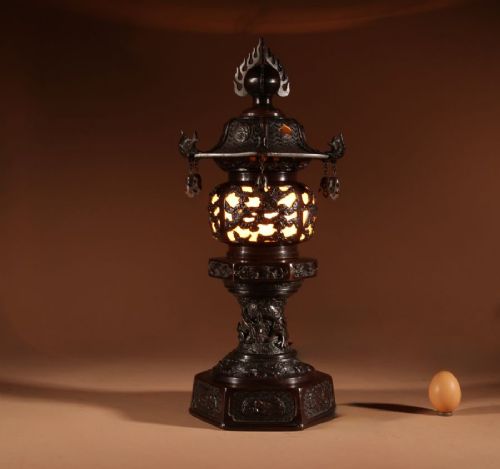
Smaller functional objects such as ashtrays, lidded pots, and candle holders also appear alongside larger decorative table lamps and lanterns. These pieces demonstrate the varied output of Japanese workshops catering to both domestic and international tastes during the period.
Materials and construction techniques
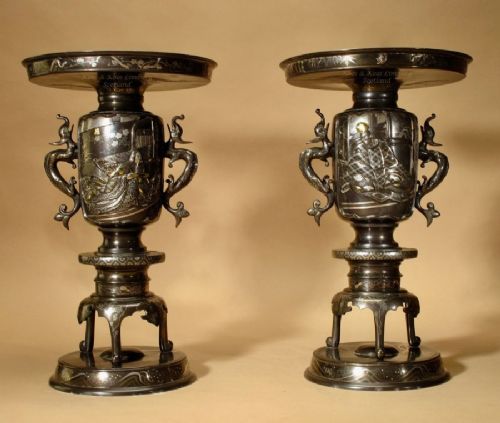
Makers utilised bronze, brass, and copper as the foundational base metals for cast vessels and inlaid dishes. Patinated bronze surfaces were frequently enriched with silver, gold, and mixed-metal inlays depicting figures and foliage.
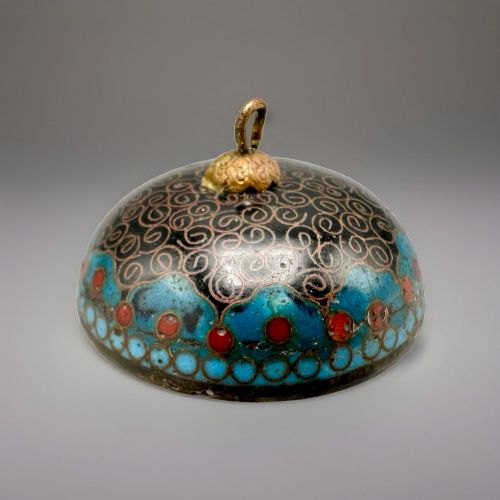
Cloisonné enamel pieces were constructed by soldering thin wire grids onto metal bases to form cells, which were then filled with coloured glass pastes and fired. This technique allowed artisans to create complex pictorial designs with distinct outlines and polished surfaces.
Meiji Decorative Metalwork Retail Price Guide 2026
Typical asking prices for meiji decorative metalwork among the pieces listed under this phrase on Sellingantiques today, from the lower quarter to the upper quarter. They describe what is for sale here now, not the wider market.
Listings feature items produced across the late nineteenth and early twentieth centuries, spanning the Meiji and Taisho periods.
Assessing quality in metalwork and enamel
The standard of execution in cloisonné enamel is determined by the fineness of the wirework and the evenness of the glaze. Tighter, thinner wires and smoother, pit-free enamel surfaces indicate higher workshop capability.
In bronze and mixed-metal pieces, the crispness of the chasing and the complexity of the inlay separate standard production from superior examples. Signed works and items attributed to known makers often demonstrate a greater attention to detail.
Tsukamoto Hikokichi·Kanasawa·Kinkozan
The Meiji Decorative Metalwork Glossary
- Cloisonne enamel
- A technique where wire compartments are soldered to a metal body and filled with enamel paste before firing. This method creates detailed pictorial designs across vases and chargers.
- Charger
- A large decorative plate designed for display rather than table service. These items provide expansive surfaces for intricate natural or mythological scenes.
- Patinated bronze
- Metal treated with chemicals or heat to alter its surface colour and tone. This finish gives depth to the background of cast vessels and plaques.
- Tsuba
- A traditional Japanese sword guard often repurposed or collected as decorative metalwork. These small objects feature elaborate metalworking techniques and folklore motifs.
- Ho-o bird
- A mythical Chinese and Japanese phoenix frequently depicted in enamel and bronze decoration. It symbolises fire, justice, and obedience.
Meiji Decorative Metalwork: Frequently Asked Questions
What is meiji decorative metalwork?
These items comprise bronze vessels, brass dishes, and cloisonné enamel plates produced in Japan during the Meiji period and immediately afterwards. They combine traditional metal casting with intricate surface decoration.
Craftsmen utilised various alloys and enamels to create decorative objects for export and local use. The range includes large chargers, twin-handled vases, and small trays.
How were these metal objects used?
Most of these pieces served as ornamental items in parlours and drawing rooms during the Victorian era and beyond. Vases held floral displays while chargers and plates were mounted on walls or displayed on stands.
Some smaller objects, such as ashtrays and lidded pots, had practical functions alongside their decorative appeal. Table lamps converted larger bronze vessels into functional lighting.
How do I care for antique metalwork?
These surfaces require gentle dusting with a soft, dry cloth to prevent the accumulation of dirt within recesses and wire grids. Avoid using chemical polishes, which can strip patination from bronze or damage delicate enamel.
Keep the items away from direct sunlight and damp environments to preserve the stability of the metal and the coloured glass pastes.
How can I tell the period?
Dating relies on stylistic markers, manufacturing techniques, and occasional signatures or workshop marks found on the base or reverse. Pieces from the Meiji period often exhibit high technical precision in cloisonné and bronze inlay.
Comparing motif styles, such as naturalistic birds against mythological dragons, helps contextualise the objects within late nineteenth and early twentieth-century production.