

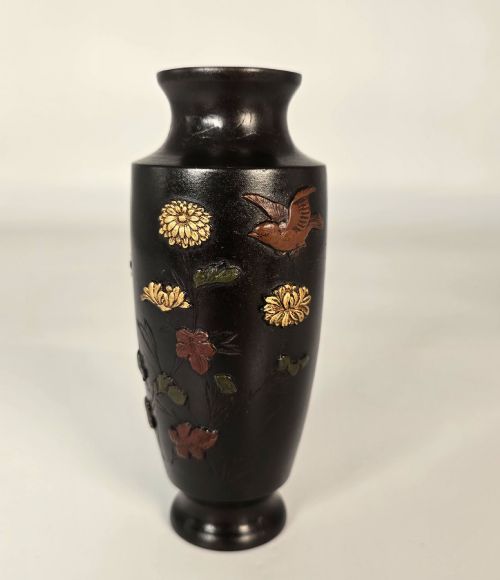


Meiji Bronze Art
Meiji bronze art brings together skilled metalwork, patinated surfaces and intricate inlay from late nineteenth and early twentieth century Japan.
Meiji Bronze Art
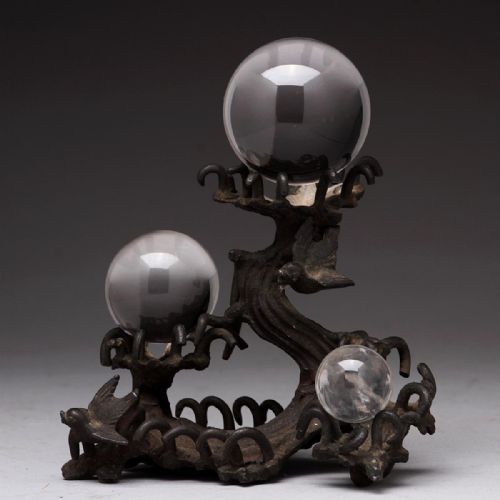
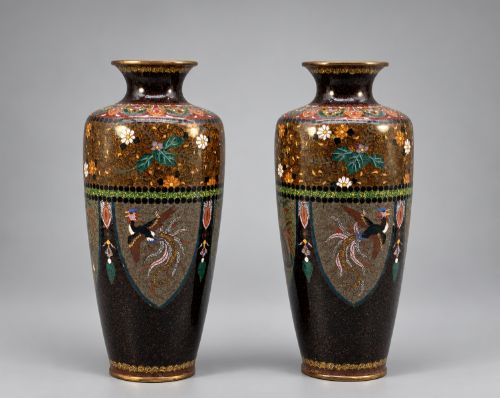
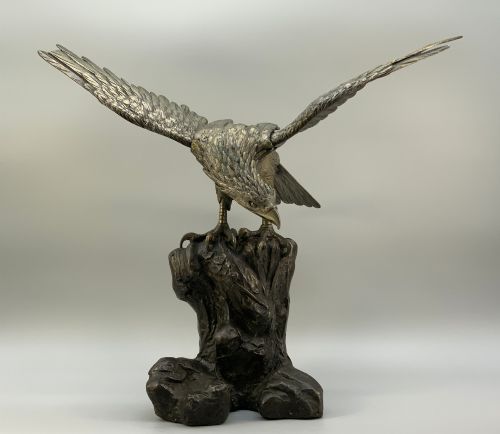
Meiji bronze art encompasses metalwork produced during the Meiji period, featuring patinated bronzes, mixed metal sculptures and cloisonné enamel vessels. Buyers searching this phrase typically encounter vases, decorative plates, censers and figural okimono representing animals, birds and figures.
The objects span from miniature ritual vases and tsuba to large garden sculptures, jardinières and architectural bridge models. Most pieces originate from the late nineteenth century and the Edwardian era, showing strong influences from traditional Japanese folklore and natural observation.
How they were made
Metalworkers utilised casting techniques alongside patination to achieve deep, varied tones on bronze surfaces. Workshops combined copper, brass and bronze, often integrating gold inlay and mixed metal elements to create contrast.
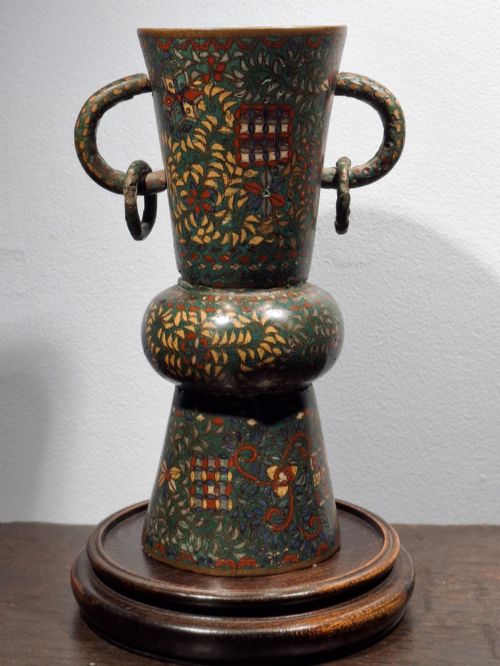
Cloisonné enamel pieces involved soldering thin metal wires to form intricate cells on a metal base, which were then filled with enamel pastes and fired. Wood components were sometimes incorporated into sculptural okimono to complement the metal forms.
Meiji Bronze Art Retail Price Guide 2026
Typical asking prices for meiji bronze art among the pieces listed under this phrase on Sellingantiques today, from the lower quarter to the upper quarter. They describe what is for sale here now, not the wider market.
A bronze wolf or an arched drum bridge brings unexpected wilderness straight into the Victorian parlour.
What varies in quality
Quality rests upon the precision of the casting and the depth of the patination. Masterpieces show meticulous control in mixed metal inlays and fine surface detailing on subjects such as feathers, fur and facial expressions.
The complexity of the design and the balance of proportions distinguish standard production from exceptional work. Pieces featuring harmonious combinations of bronze, enamel and precious metal inlay demonstrate greater technical ambition from the workshop.
Haruyama Shunzan
The Meiji Bronze Art Glossary
- Okimono
- A standalone Japanese display sculpture designed for interior placement. These carvings and castings depict animals, birds, figures and folkloric subjects.
- Cloisonné
- An enamel decoration technique where wires are affixed to a metal body to create compartments for coloured paste. Fired surfaces are then polished smooth.
- Censer
- A ritual vessel designed for burning incense, typically featuring a pierced lid and decorative handles. These objects often combine cast bronze with enamel panels.
- Tsuba
- A guard at the end of the grip of a Japanese sword. These metal components frequently display intricate carving, inlay and metallurgical artistry.
- Jardiniere
- A large ornamental pot or container designed to hold plants. Bronze examples from this period often incorporate relief decoration and patinated finishes.
Meiji Bronze Art: Frequently Asked Questions
How do I identify meiji period bronze?
Meiji period bronze is identified through characteristic patination, mixed metal detailing and specific forms such as vases, censers and animal sculptures. Many items date from the late nineteenth century through to the early twentieth century.
Examine the surface for integrated gold inlay, copper highlights and the style of decorative motifs which typically draw from Japanese folklore and nature.
What is cloisonne enamel?
Cloisonné enamel involves soldering fine metal wires onto a bronze or copper base to create distinct cells. These compartments are filled with vitreous enamel paste and fired multiple times.
The resulting surface is polished to reveal intricate patterns depicting dragons, phoenixes, birds and auspicious symbols.
Where were these bronze pieces displayed?
These decorative objects were intended for interior display within homes, serving as focal points on tables, in tokonoma alcoves or upon dedicated stands. Larger examples such as jardinières and garden sculptures suited larger rooms or courtyards.
Their varied scale allowed them to function both as intimate scholarly items and substantial decorative accents.