




Medallion Pattern Wool Carpet
A medallion pattern wool carpet brings warmth and traditional design to a room through centuries-old weaving traditions.
Medallion Pattern Wool Carpet
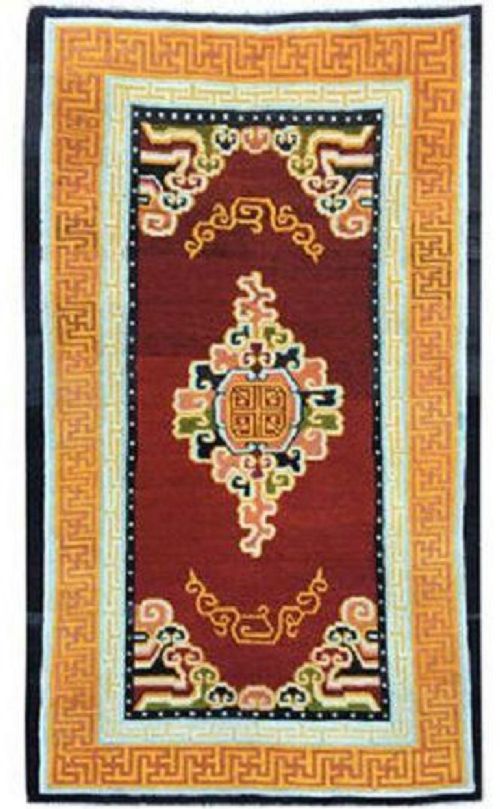
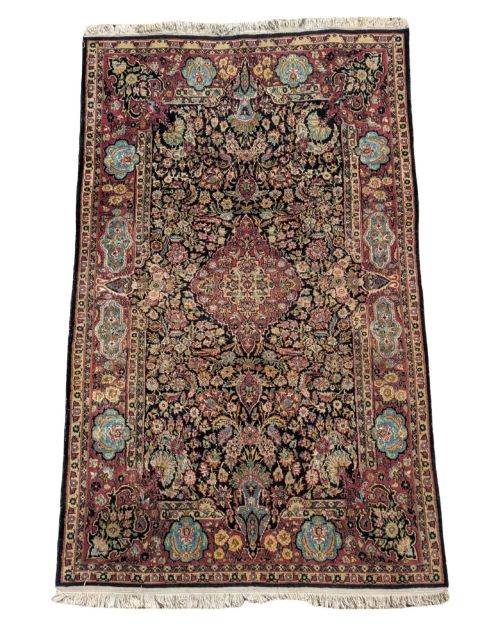
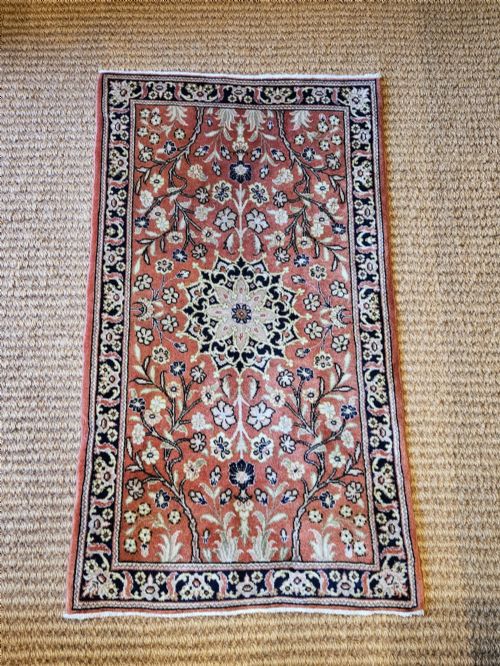
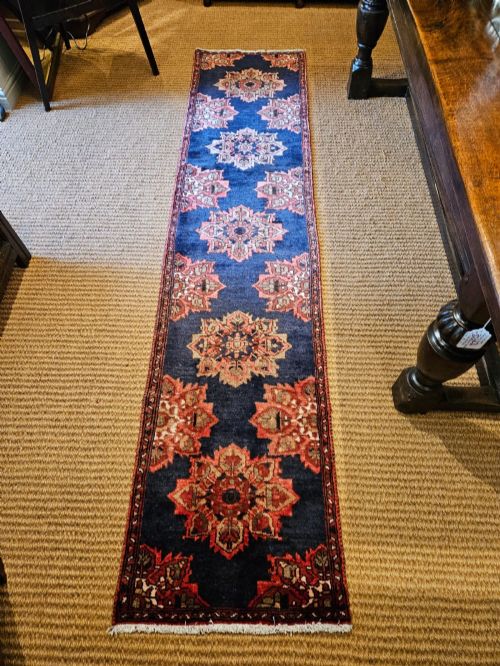
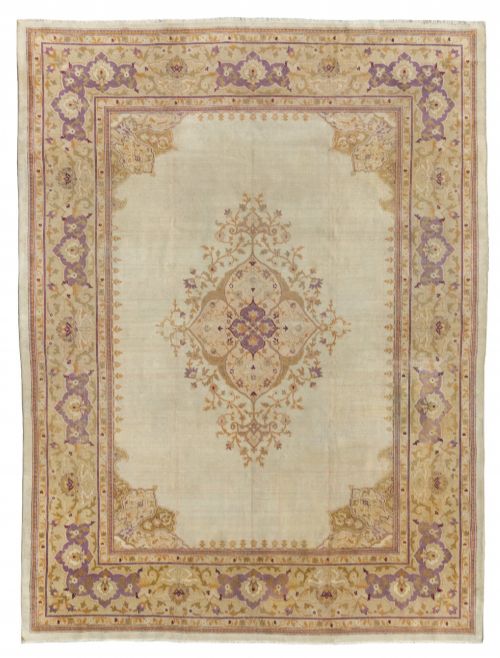
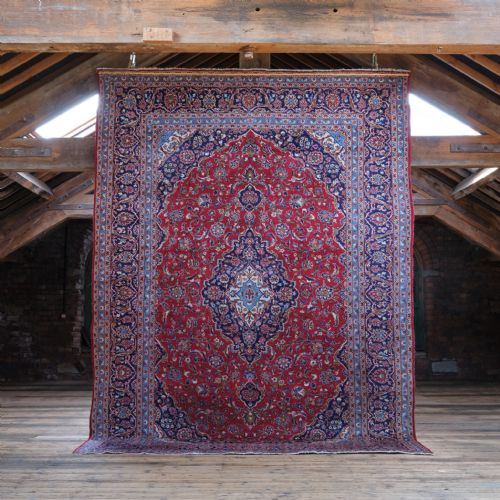
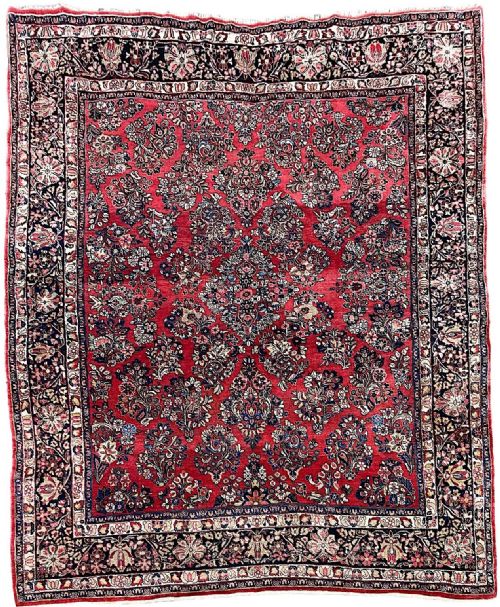
A medallion pattern wool carpet sits at the centre of traditional floor coverings, defined by central motifs surrounded by intricate borders. These pieces trace their origins to nineteenth and early twentieth-century workshops across Persia, the Caucasus, and Anatolia.
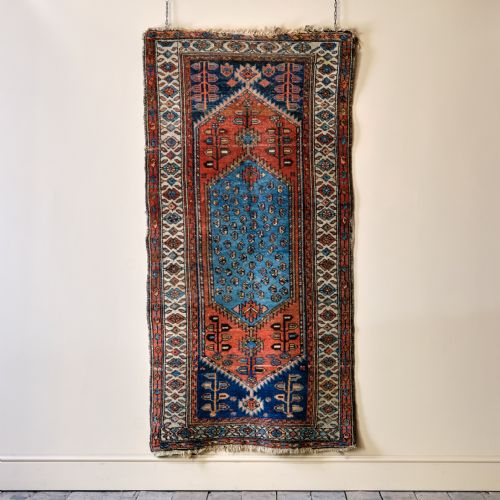
Buyers encountering this selection will find hand-knotted room-sized carpets, runners, and hearth-sized rugs. The inventory spans named regional weaving centres such as Heriz, Kashan, and Kazak, alongside broader tribal and village productions.
Most examples date from the late nineteenth century up to the middle of the twentieth century. They utilise durable wool foundations and pile, occasionally incorporating cotton or silk highlights for definition.
How they were made
Weavers constructed these carpets by hand-knotting wool yarn onto cotton or wool warp and weft foundations. This meticulous process produced dense, durable floor coverings capable of withstanding generations of daily use.
Dyers utilised natural and early synthetic materials to colour the wool, creating rich tones of indigo, madder red, and earthy neutrals. Over decades, these dyes mellow gracefully, giving each piece a characteristic depth of colour.
Listings feature wool as the primary material, alongside cotton and silk highlights across various regional styles.
What varies in quality
Knot density and structural tightness dictate the crispness of the medallion geometry and overall longevity. Tighter packing of the foundation rows yields a firmer handle and sharper detail in the motifs.
The choice of wool grade and dye consistency determines how the surface reflects light and ages over time. Superior materials retain their supple handle and rich coloration despite decades of foot traffic.
The Medallion Pattern Wool Carpet Glossary
- Medallion
- The central ornamental motif dominating the field of the carpet. It anchors the symmetrical design of the surrounding field and borders.
- Warp
- The vertical threads stretched tightly on the loom before knotting begins. These form the structural skeleton of the carpet.
- Weft
- The horizontal threads passed back and forth between warp threads to lock the knots in place. Proper beating of the weft ensures a solid, durable weave.
- Pile
- The upright cut or looped wool fibres forming the soft upper surface of the carpet. Pile thickness varies according to regional spinning traditions and intended use.
Medallion Pattern Wool Carpet: Frequently Asked Questions
How do I clean an old wool carpet?
Regular gentle vacuuming without a beater bar removes surface dust and grit from the wool pile. Professional specialist cleaning remains essential for deep washing to protect the natural fibres and dyes.
Water exposure must be strictly controlled during any maintenance to prevent dye bleed or foundation shrinkage. Prompt attention to spills prevents staining without harsh chemical treatments.
Where were these carpets originally woven?
Production centres span traditional weaving regions including Persia, the Caucasus, and Anatolia. Village workshops and nomadic tribes each contributed distinct geometric or floral layouts to the craft.
Named origins such as Heriz, Kashan, and Kazak indicate specific stylistic traditions and regional knotting techniques. Local materials heavily influenced the final aesthetic of each woven piece.
Are these carpets suitable for heavy traffic?
Hand-knotted wool construction provides exceptional durability suited to everyday residential environments. Dense pile and sturdy cotton foundations handle regular movement across hallways and living spaces.
Placement over a quality underlay cushions the wool structure against hard floors and reduces friction. This added support extends the functional lifespan of vintage and antique floor coverings.
How do I identify the age of a rug?
Material analysis of the wool, dye types, and foundation threads offers clear clues regarding production eras. Natural colour variations and organic wear patterns develop gradually through decades of exposure and use.
Stylistic shifts in medallion geometry and border motifs help narrow down the period of manufacture. Comparing structural details against documented regional examples confirms the approximate decade.