



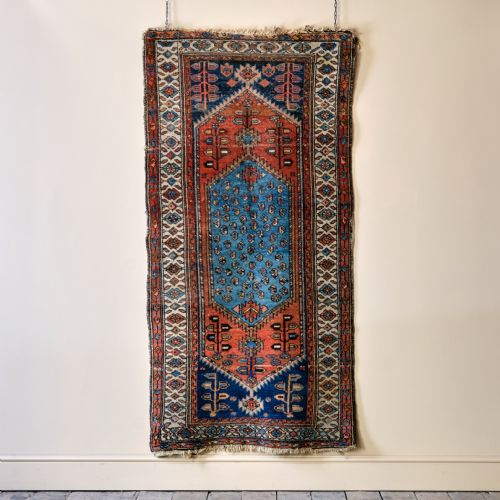


Medallion Pattern Persian Rug
A medallion pattern persian rug anchors a room with centuries of hand-knotted geometry and cultural tradition.
Medallion Pattern Persian Rug
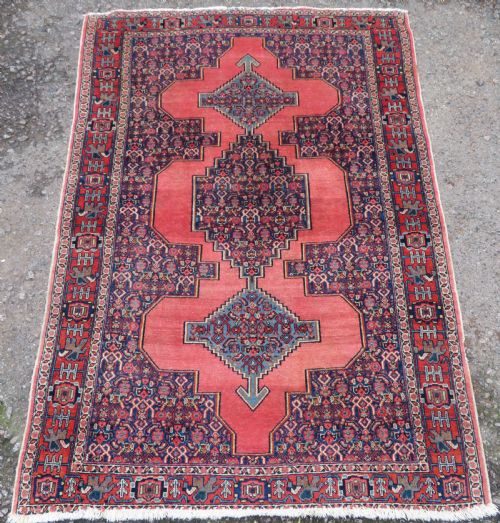
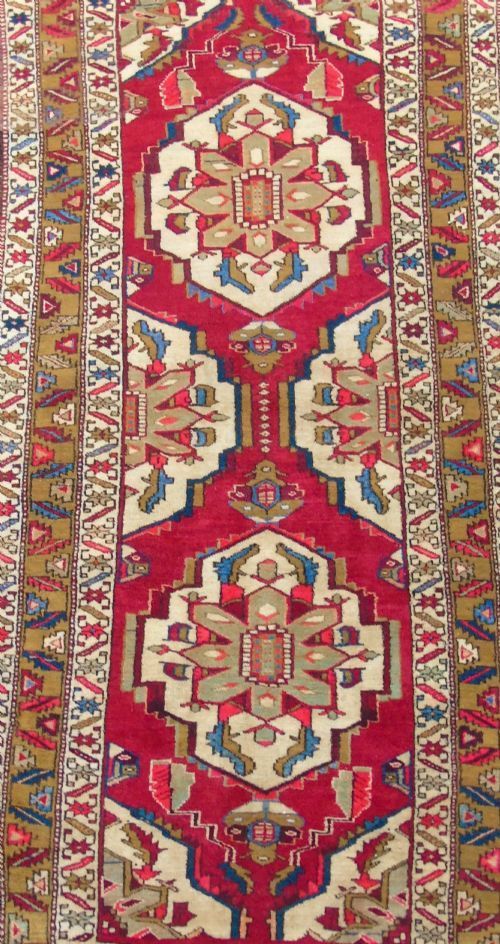
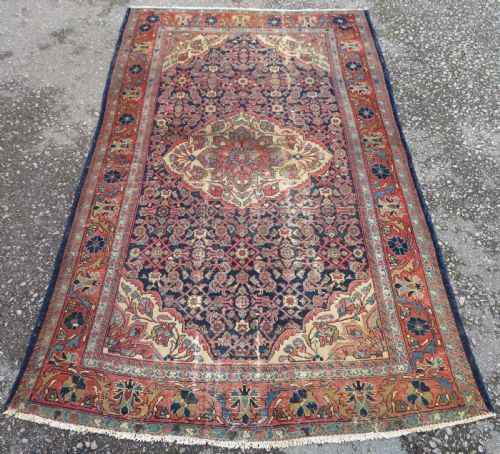
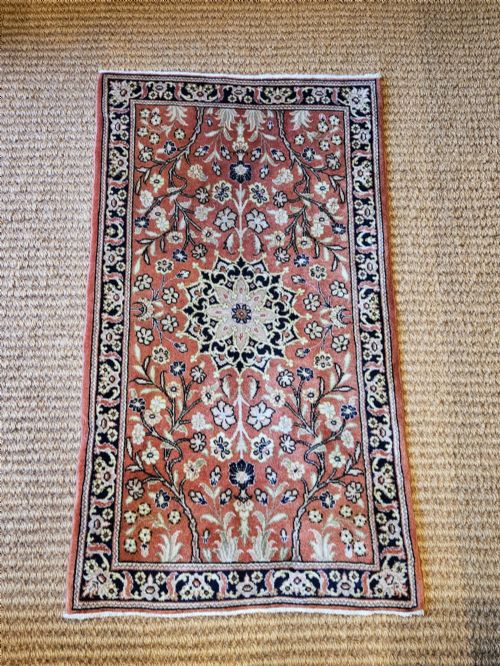
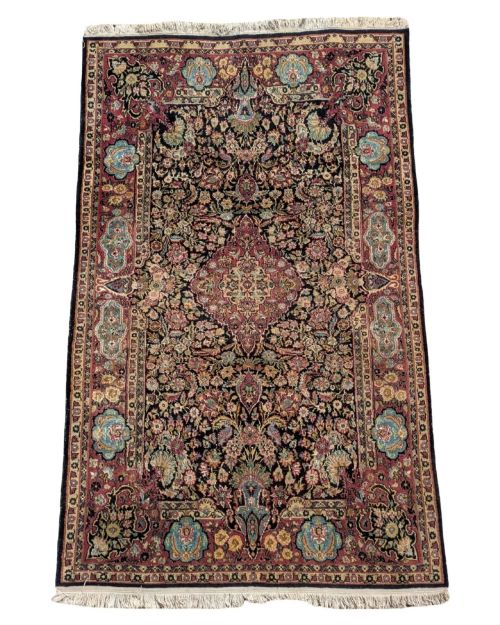
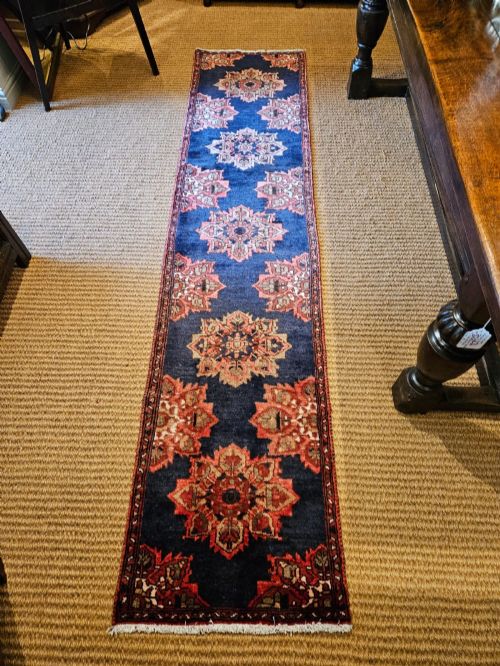
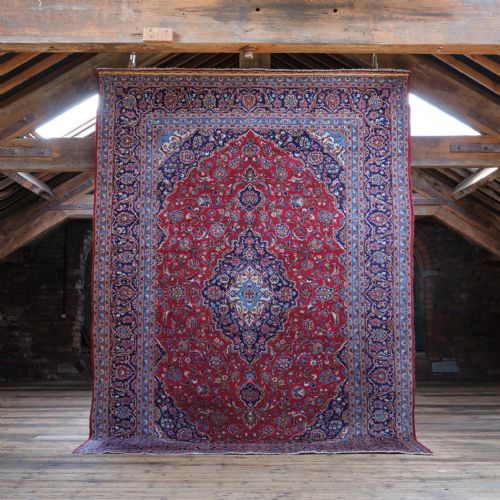
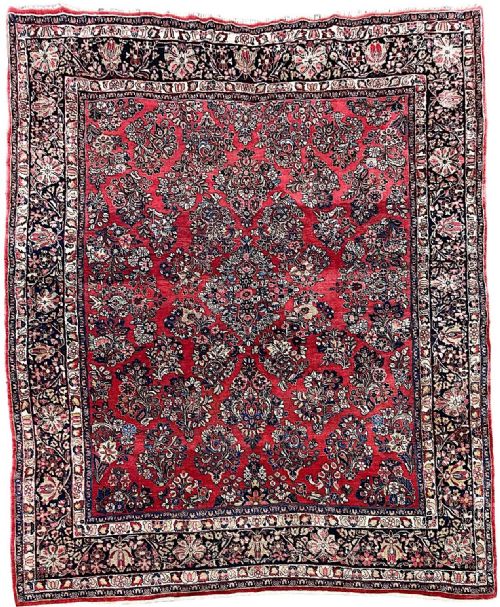
A medallion pattern persian rug presents a central ornamental motif surrounded by field designs and borders, rooted in weaving traditions from across Persia. Buyers searching for this phrase encounter various regional interpretations spanning from village workshops to nomadic tribal camps.
Most pieces seen here date from the late nineteenth century through the early decades of the twentieth century. These floor coverings range from small hearth-sized formats to large palace-size carpets and long runners.
Regional groups such as Heriz, Sarouk, Kashan, and Senneh frequently appear, each bringing distinct structural traits and central medallion layouts. Village weaves often display geometric abstraction, while city productions favour refined curves.
Materials and construction
Makers utilised durable wool for the pile, often combined with cotton foundations for stability, and occasionally incorporated silk highlights to emphasise specific details within the design. Hand-knotting techniques secured the pile to the warp and weft threads, creating a dense textile designed to withstand decades of use.
Natural dyes provided the rich palette seen across these carpets, yielding deep blues, reds, and earthy tones that age gracefully over time. Artisans tied symmetrical or asymmetrical knots by hand, translating intricate traditional cartoons into enduring floor coverings.
Medallion Pattern Persian Rug Retail Price Guide 2026
Typical asking prices for medallion pattern persian rug among the pieces listed under this phrase on Sellingantiques today, from the lower quarter to the upper quarter. They describe what is for sale here now, not the wider market.
Every tribal weaver possessed a mental library of motifs, occasionally smuggling small secret symbols into the border.
Judging the weave
Knot density and structural tightness set finer examples apart from coarser village and tribal makes, influencing the clarity of the central medallion and floral or geometric motifs. The precision of the hand-knotting and the uniformity of the wool pile reflect the weaver's skill and the time invested in production.
Materials contribute significantly to distinction, particularly the quality of the wool used for the pile and the presence of fine cotton foundations or silk accents. Well-balanced proportions and harmonious dye palettes distinguish superior rugs within any regional grouping.
Ziegler
The Medallion Pattern Persian Rug Glossary
- Medallion
- The central ornamental design element of the rug, typically balanced in the middle of the field. This focal point anchors the overall composition.
- Warp
- The vertical threads stretched lengthwise on the loom that form the foundational skeleton of the rug. Fringe is usually a continuation of these threads.
- Weft
- The horizontal threads passed across the warp threads between rows of knots to bind the structure firmly together. It secures the pile in place.
- Pile
- The durable surface of the rug formed by the clipped ends of knotted yarn. Wool, cotton, and silk comprise this upper layer.
- Kilim
- A flat-woven carpet or rug produced without a raised pile. These pieces rely entirely on the interlocking of warp and weft threads.
Medallion Pattern Persian Rug: Frequently Asked Questions
How do I clean a wool rug?
Regular gentle vacuuming without a beater bar removes surface dust and loose grit from the wool pile. Professional specialist cleaning remains essential for deep washing to protect the natural fibres and dyes.
Avoid harsh chemical detergents and excessive water saturation, which can damage the foundation threads. Addressing spills immediately by blotting rather than rubbing preserves the integrity of the weave.
Where should I place a runner?
Runners suit narrow spaces such as hallways, corridors, and galley kitchens where foot traffic benefits from floor protection. They also function well alongside beds or in entryways to define transitional zones.
Ensuring adequate clearance for doors to swing open over the pile prevents unnecessary wear. A quality rug underlay keeps the runner securely positioned on hard flooring.
What is a foundation in carpets?
The foundation comprises the structural framework of warp and weft threads that support the knotted pile. Cotton and wool serve as the primary materials for these supporting elements.
Examining the reverse side of the rug reveals the grid of the foundation beneath the knots. A tightly beaten foundation ensures the carpet maintains its shape over decades of use.