


Mechanical Wind Table Clock
A mechanical wind table clock is a precise timekeeper driven by a spring rather than a battery, prized for its ticking movement and craftsmanship.
Mechanical Wind Table Clock
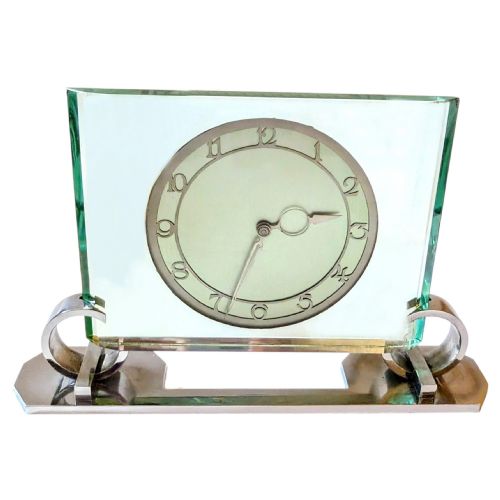
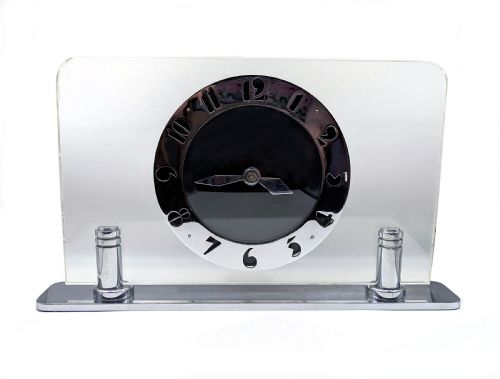
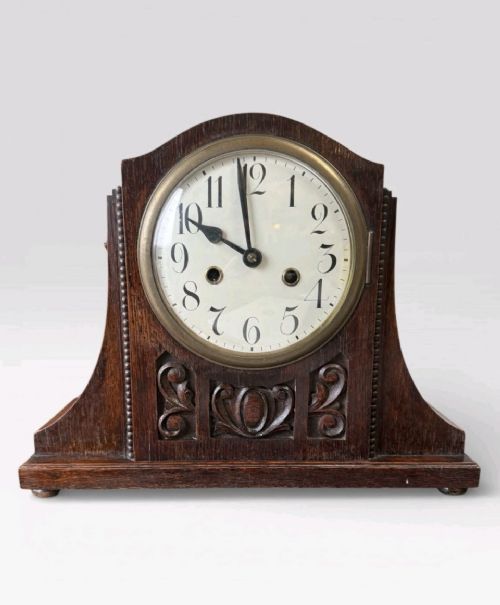
A mechanical wind table clock covers several distinct forms, from heavy bracket clocks to glass-cased carriage designs and geometric Art Deco mantel pieces. The mechanical wind table clock you meet most often on this page dates from the nineteenth century or the early decades of the twentieth century. These timepieces served utilitarian and decorative roles in the home, sitting upon desks, mantels and bracket shelves.
The periods represented span the Victorian and Edwardian eras through to the mid-century modern period, taking in French traditional, Rococo revival and Bauhaus aesthetics. Formats range from simple desk clocks and alarm mechanisms to complex repeating carriage clocks with striking trains. Each piece relies on manual winding rather than electrical power to drive its internal gear train.
How they were made
Clockmakers housed these mechanisms inside sturdy wooden or metal enclosures, utilising materials such as oak, mahogany, rosewood, brass, chrome, glass and enamel. Wood cases were often polished to highlight natural grain patterns, while metal housings featured cast or plated finishes.
Movements relied on fusee or spring-driven mechanisms constructed from brass and steel components. Dials frequently incorporated enamel chapters and delicate metal hands behind protective glass panels.
Listings here feature mechanical wind table clocks spanning the nineteenth century, the 1920s, 1930s, 1950s and 1960s.
What varies in quality
Quality rests in the complexity and execution of the internal movement, such as fusee setups or repeating complications that require expert engineering. The finish of the case materials, from finely figured mahogany to heavy cast brass and bevelled glass panels, also separates standard production from finer work.
Maker attribution plays a role, with established firms and workshops demonstrating superior attention to detail in dial lettering, case joinery and mechanical longevity. The integrity of the original components marks the difference between an intact survivor and a heavily altered piece.
Smiths Clockmakers·S Simpson Southampton·Bravingtons Ltd of London·Maple of London·Hay London·DeLa Salle And Christie·L Epee·Jaeger LeCoultre·Joseph Soldano·Kienzle
The Mechanical Wind Table Clock Glossary
- Fusee
- A conical pulley used in a clock movement to maintain even power as the mainspring unwinds. This mechanism ensures more consistent timekeeping throughout the duration of the winding cycle.
- Carriage clock
- A portable timekeeper originally designed for travelling, typically featuring a brass frame with glass panels and a swing handle on top. Many include repeating or alarm complications.
- Repeater
- A clock mechanism that chimes the hours and quarters when a lever or button is pressed. This function allowed owners to check the time in the dark.
- Bracket clock
- A portable table clock traditionally placed on a wall bracket or desk. Early versions housed fusee movements designed for high precision.
Mechanical Wind Table Clock: Frequently Asked Questions
Where should I place a table clock?
Position your clock on a stable, level surface away from direct sunlight, draughts and damp areas. Wooden mantels, desks and side tables make suitable locations.
A level surface is particularly important for pendulum or balance-wheel clocks to ensure the tick remains even and the movement does not stall.
What is a repeater mechanism?
A repeater mechanism allows the clock to sound the most recent hour and sometimes the quarters upon activation of a lever or button. It was especially useful before electric lighting.
This complication requires precise gear work inside the brass movement, making such pieces desirable to collectors of mechanical timepieces.
How do I identify the period of a clock?
Examine the exterior style, materials and construction methods, comparing them against known design movements like Art Deco, Victorian or Bauhaus. Case woods and dial designs often provide strong chronological clues.
Signatures or retailer stamps on the dial or movement backplate can also help narrow down the decade of manufacture.