


Mechanical Military Watch
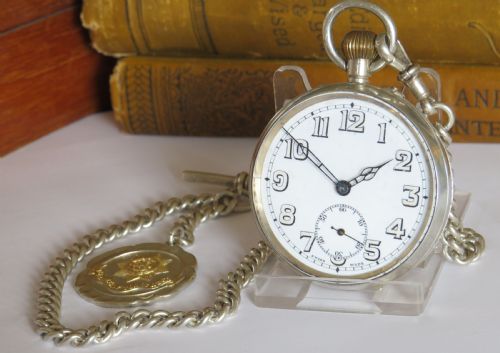
A mechanical military watch brings precision service history to the wrist, spanning early aviation pilots to naval artillerists.
Mechanical Military Watch
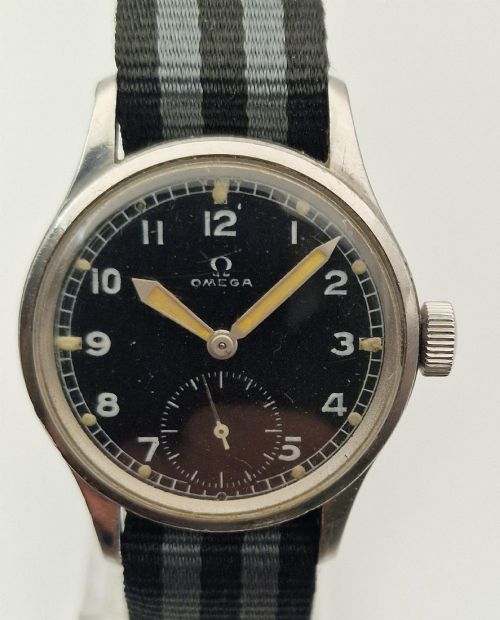
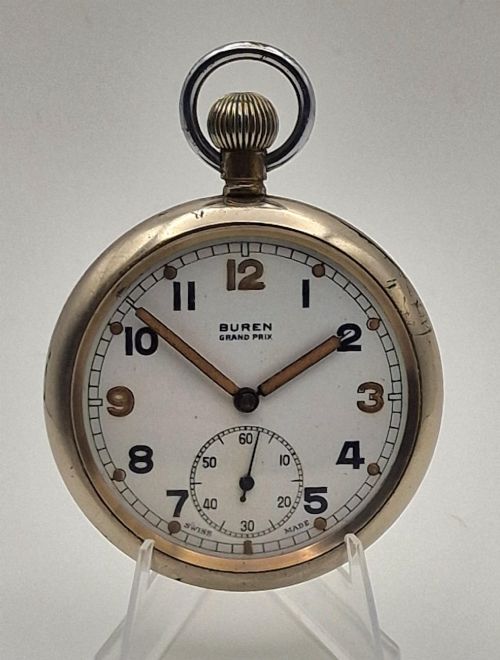
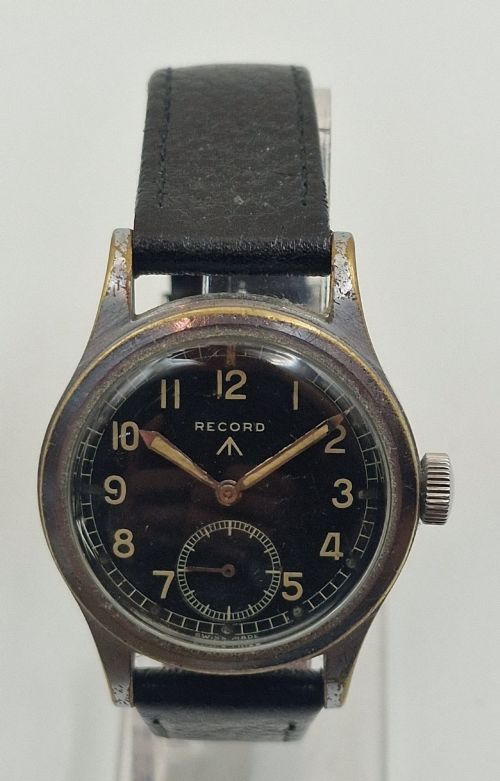
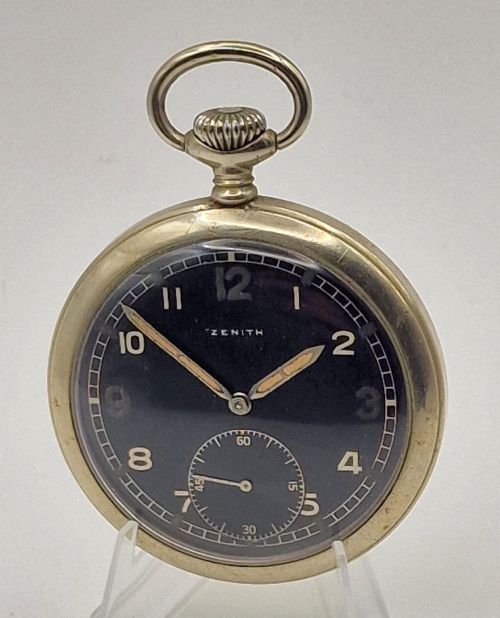
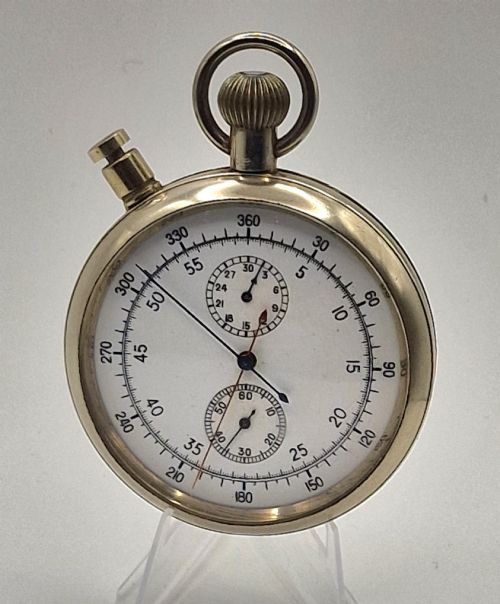
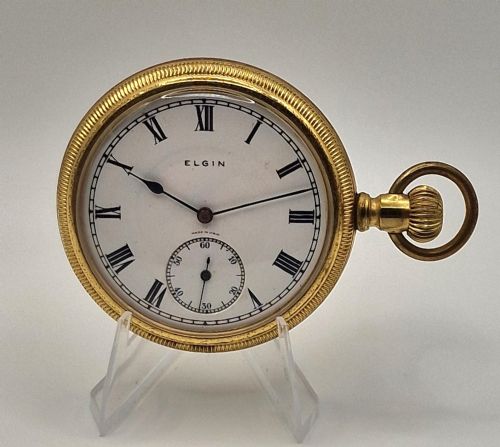
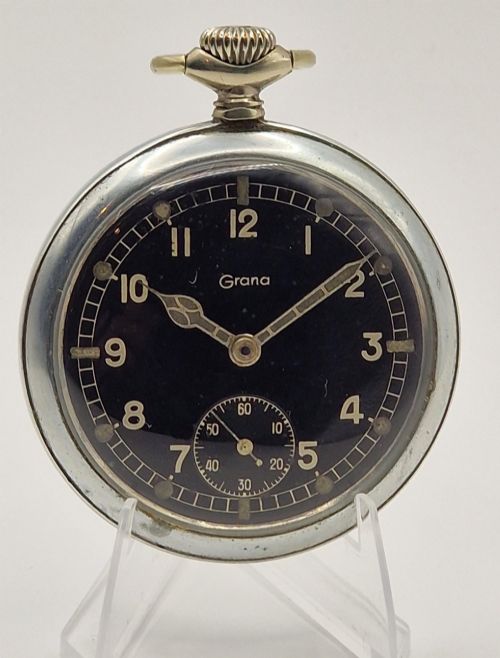
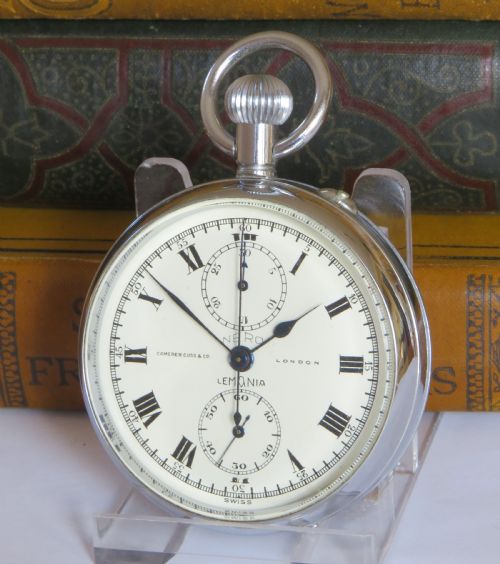
A mechanical military watch represents a timepiece commissioned or utilised by armed forces and aviation personnel across multiple decades. Buyers searching this phrase encounter wristwatches and pocket watches spanning from the First World War through the mid-twentieth century.
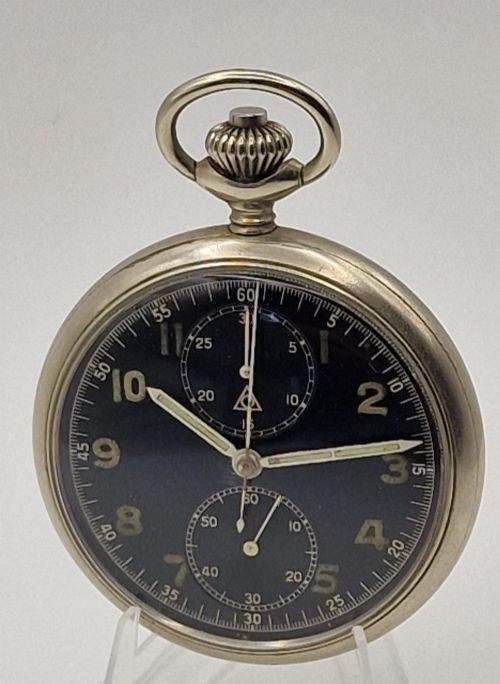
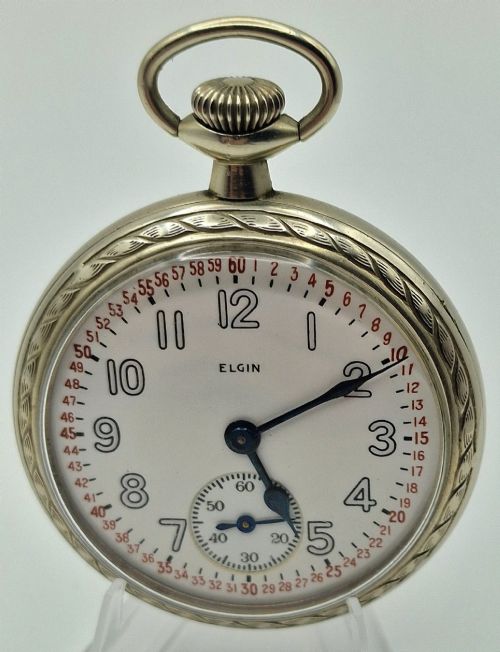
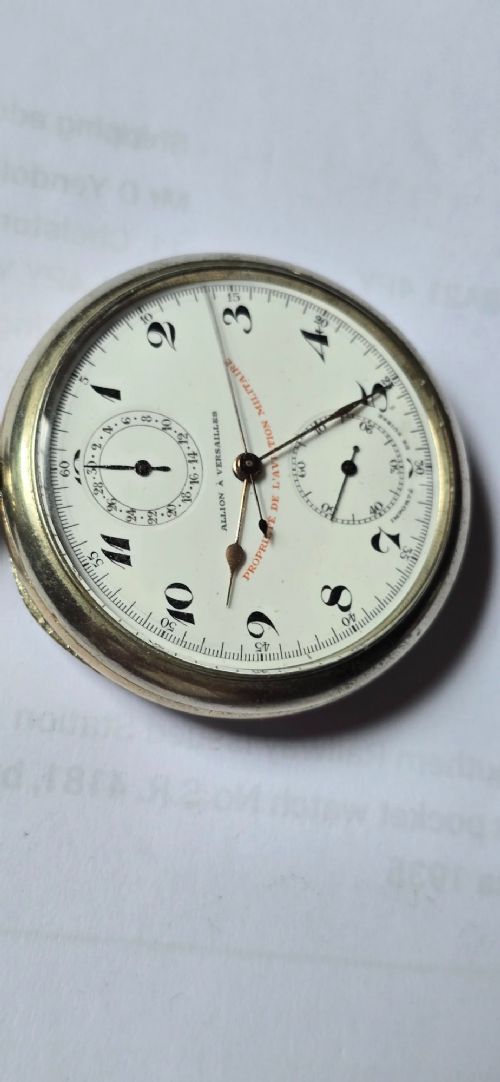
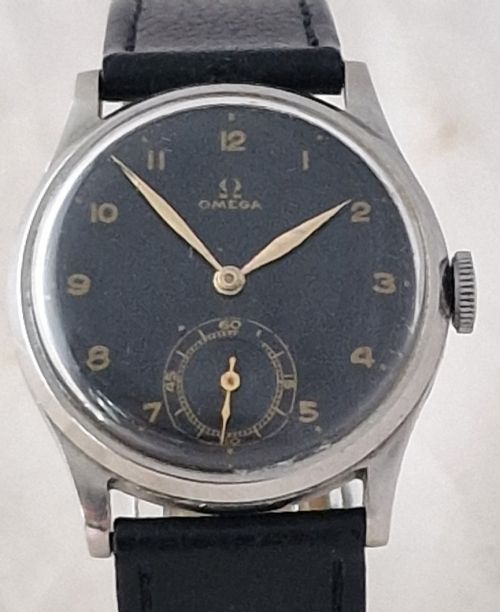
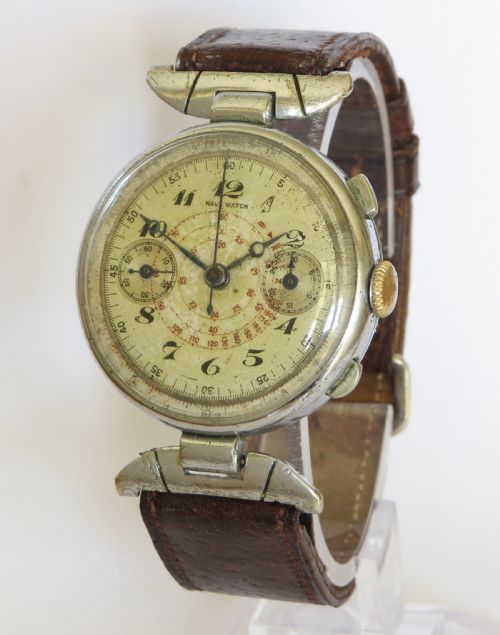
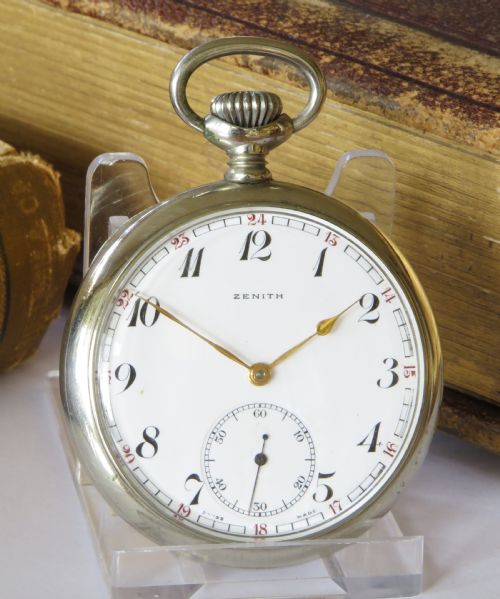
The selections on this page feature specific service forms, including aviator chronographs, trench watches, and standard-issue branch pieces. Examples range from early Swiss horology and British Royal Air Force issues to German Luftwaffe and Swedish army pieces.
These items combine functional timekeeping with tangible history, reflecting the exact specifications demanded by military departments. The category includes both pocket chronographs and wrist-mounted variants designed for operational clarity.
Materials and construction methods
Cases utilise robust metals such as stainless steel, chrome, nickel, and standard steel to withstand rigorous field conditions. Crystals formed from glass or acrylic protect high-contrast dials, which frequently feature enamel or distinct 24-hour markings.
Movements rely entirely on mechanical gear trains housed within protective metal cases, paired with durable leather straps for wrist-worn variants. Dial markings and issue numbers are meticulously applied to signify military department ownership and service utility.
The site listings feature mechanical military watches spanning from the First World War through the nineteen-sixties, utilising stainless steel, nickel, and leather.
Distinctions in quality and execution
The upper tier of these timepieces is defined by original military markings, specialised complications like chronographs, and documented service provenance. Pieces carrying specific broad arrow symbols or official department reference numbers command greater attention from serious collectors.
Execution and precision vary according to the original maker's intended application, distinguishing standard railway or general service pieces from specialised aviator and naval artillery chronographs. The integrity of the dial typography and the preservation of original case components determine the standing of each individual piece.
Lemania·Eterna·Omega·Hahn Landeron·Roamer·Belair·Ebel·West End Watch Co·Benrus·Aristo·Tritona·Timex
The Mechanical Military Watch Glossary
- Chronograph
- A watch with a function for measuring elapsed time alongside its primary timekeeping display. It typically includes independent sweep seconds hands.
- Broad Arrow
- A British government mark utilised to denote Crown property, frequently stamped onto military equipment and timepiece case backs. This symbol authenticates official service issue.
- Trench Watch
- An early form of wristwatch adapted from pocket watches for military use during the First World War. These feature wire lugs soldered to the case.
- Calibre
- The specific internal mechanical movement design utilised within a watch. Manufacturers designate different movements by numbers or names to indicate their particular architecture.
Mechanical Military Watch: Frequently Asked Questions
How do I identify a military issue watch?
Look for specific government ownership marks, department codes, and serial numbers engraved on the case back. British pieces often display the broad arrow symbol alongside designated service codes.
Matching these stamps with known military procurement records confirms the official service background of the watch.
What is the difference between a pilot watch and a trench watch?
Trench watches originated during the First World War as transitional pieces, often featuring wire lugs and pocket watch conversions. Pilot watches emerged later with specific high-contrast dials for legibility in cockpit environments.
Pilots required specialised chronographs and navigation layouts, whereas trench watches prioritised simple wrist-mounted durability for infantry soldiers.
Can I wear a vintage mechanical military watch daily?
Many collectors wear these pieces regularly, provided they receive proper mechanical servicing and avoid harsh moisture exposure. Acrylic crystals and vintage movements require gentle handling compared to modern daily wear items.
Ensure a professional horologist inspects the internal components and gaskets before exposing the watch to regular use.
What do dial markings like 24-hour indicate?
Dials featuring 24-hour numerals were designed for military personnel, aviators, and naval operators who required unambiguous time distinction during extended operations. This layout prevented confusion between a.m. and p.m. hours during critical missions.
Such specialty dials are frequently found on pieces issued to specific branches or railway departments.