
Mechanical Brass Desk Clock
A mechanical brass desk clock brings precision engineering and warm metallic lustre to a room, offering both reliable timekeeping and period charm.
Mechanical Brass Desk Clock
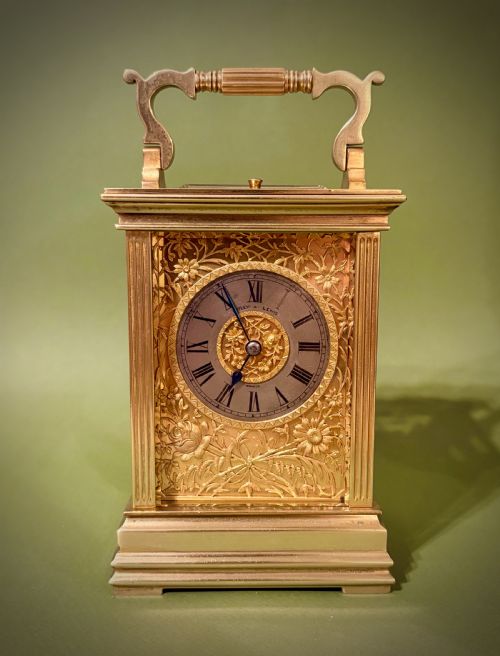
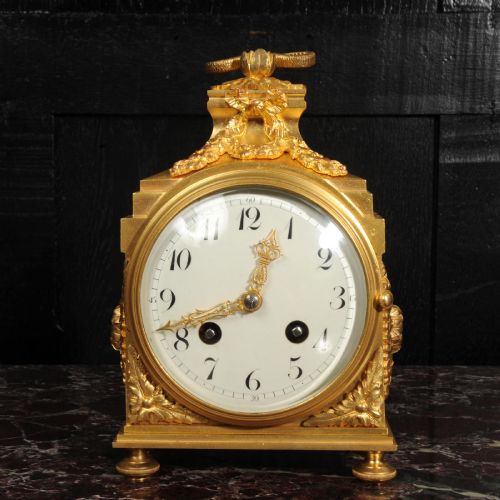
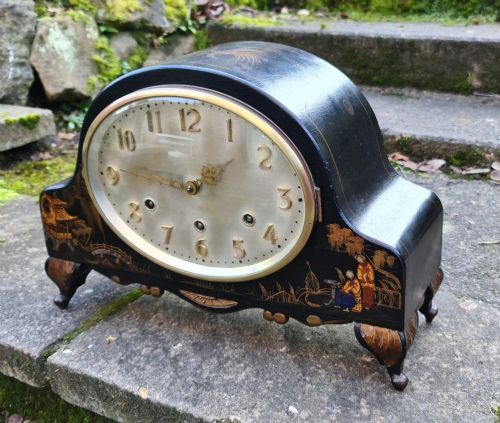
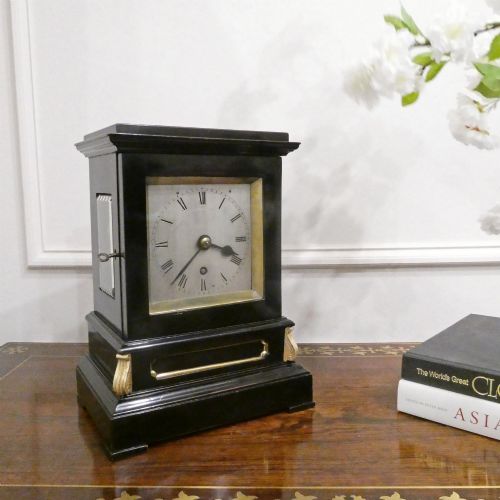
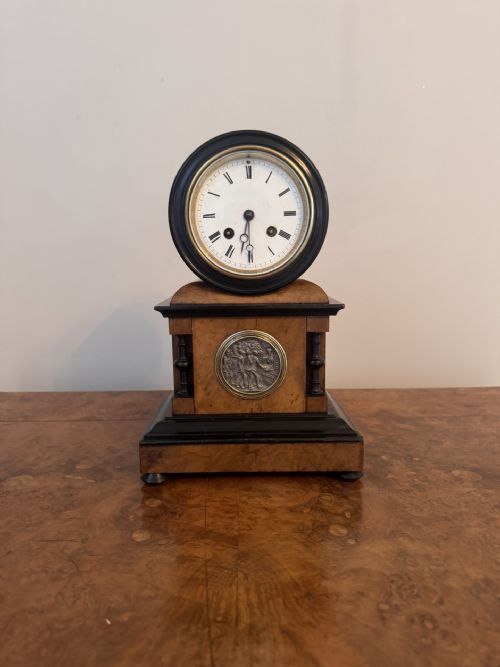
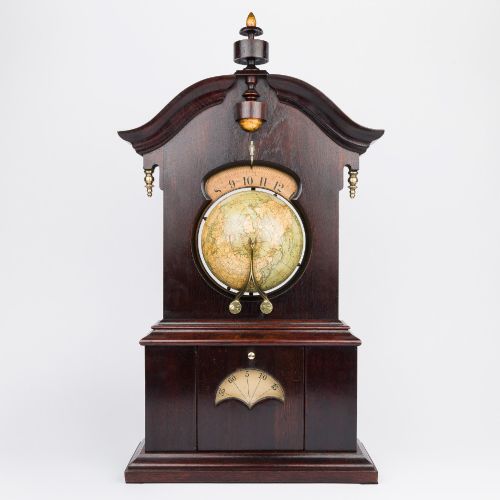
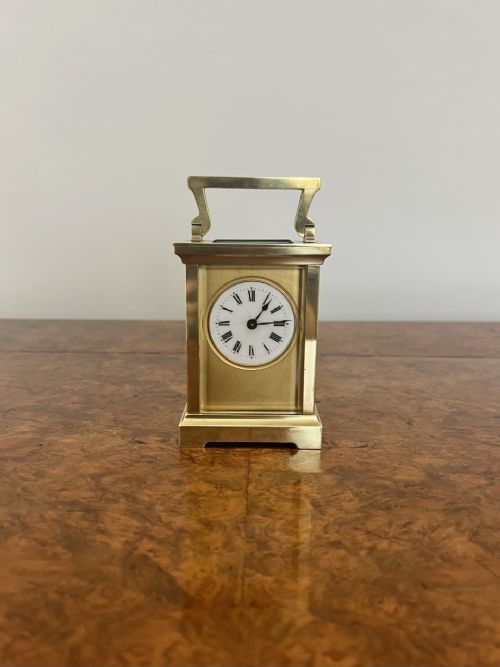
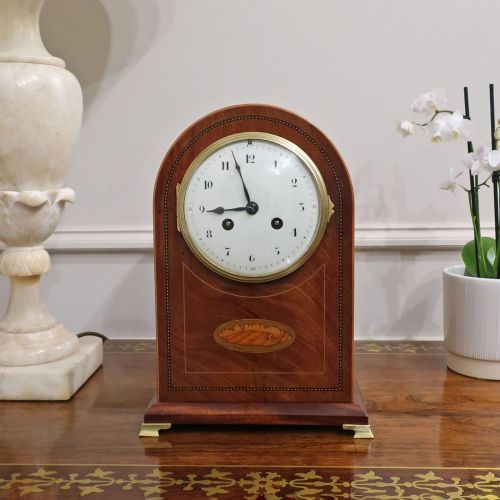
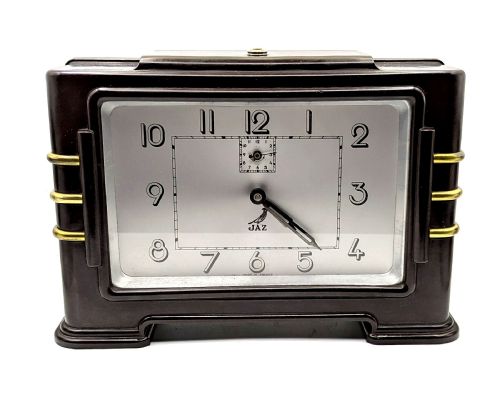
A mechanical brass desk clock encompasses portable timepieces, heavy carriage clocks, and sturdy mantel pieces produced during the Victorian, Edwardian, and Art Deco eras.
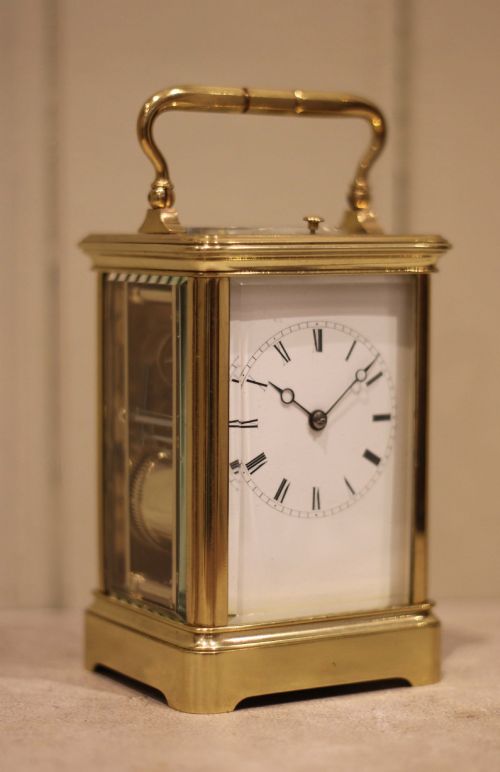
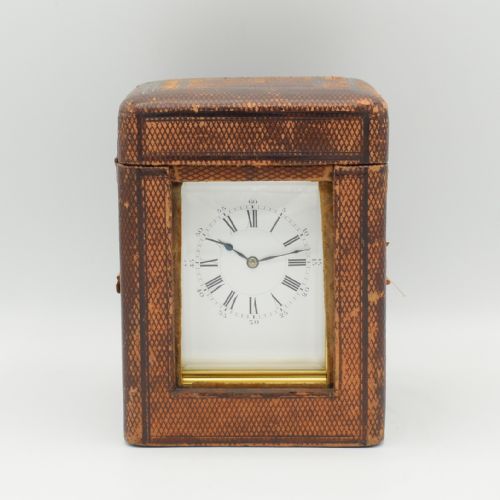
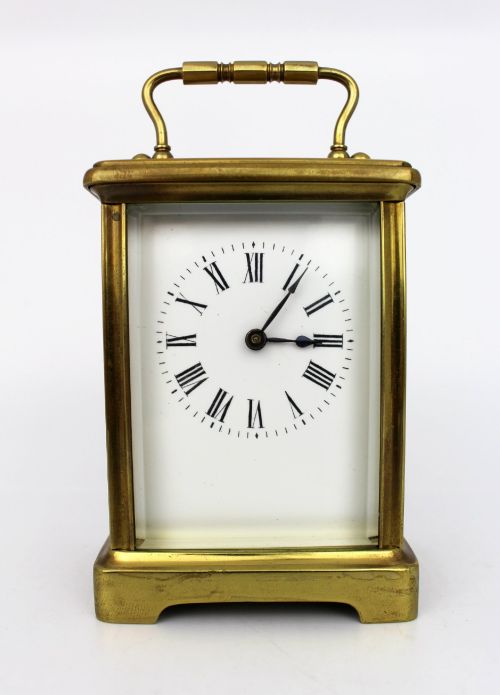
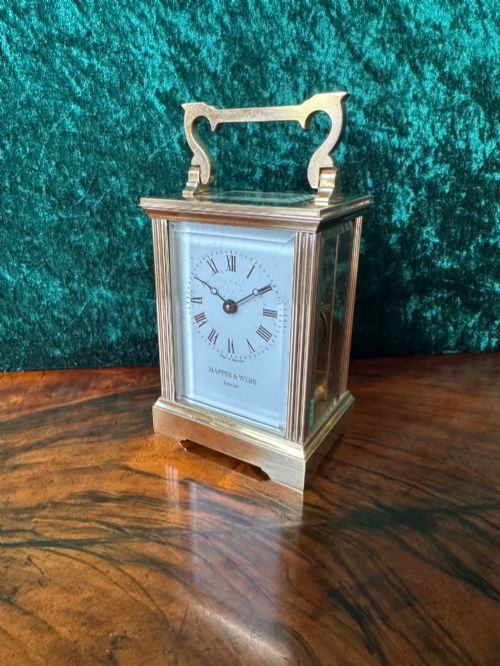
The version most commonly encountered is the French brass carriage clock, often fitted with a white enamel dial and housed within a bevelled glass and brass gorge case.
These items originate predominantly from nineteenth and early twentieth century French and English workshops, spanning periods from the Regency era through to the nineteen thirties.
Materials and construction methods
Cases combine solid brass, gilt brass, and ormolu framing, frequently set with bevelled glass panels that reveal the intricate mechanical movement within.
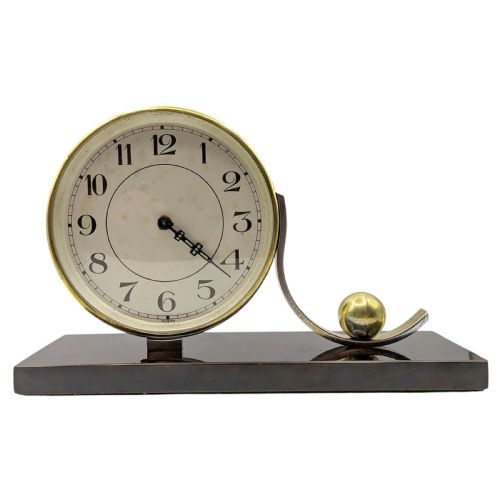
Dials rely on white enamel with painted Roman or Arabic numerals, while later twentieth century examples introduce moulded Bakelite bases alongside mahogany and ebonised wood cabinetry.
Listings feature brass, glass, enamel, mahogany, ebonised wood, marble, gilt brass, and Bakelite across periods from eighteen fifty to nineteen sixty.
Factors determining quality
Superior examples distinguish themselves through heavier cast brass housings, crisp engraving on gilt mask plates, and complex movements featuring strike or repeat mechanisms.
The refinement of the escapement and the clarity of the enamel dial separate standard production items from workshop pieces bearing the signatures of notable makers.
Henri Jacot·Mappin and Web·Richard Winter of Chieveley·Pickford of London·Drocourt Paris·Duverdrey and Bloquel
The Mechanical Brass Desk Clock Glossary
- Carriage clock
- A small, portable spring-driven timepiece designed for travel, typically fitted with a carrying handle and glass panels. Originating in France, these clocks became popular during the nineteenth century.
- Gorge case
- A stepped brass housing style commonly found on carriage clocks. It provides structural rigidity and protects the delicate glass panes.
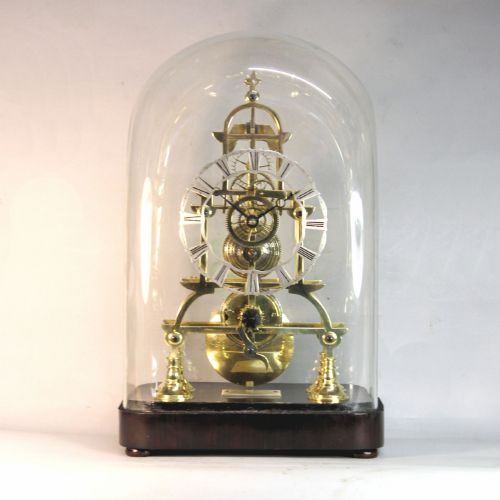
- Skeleton clock
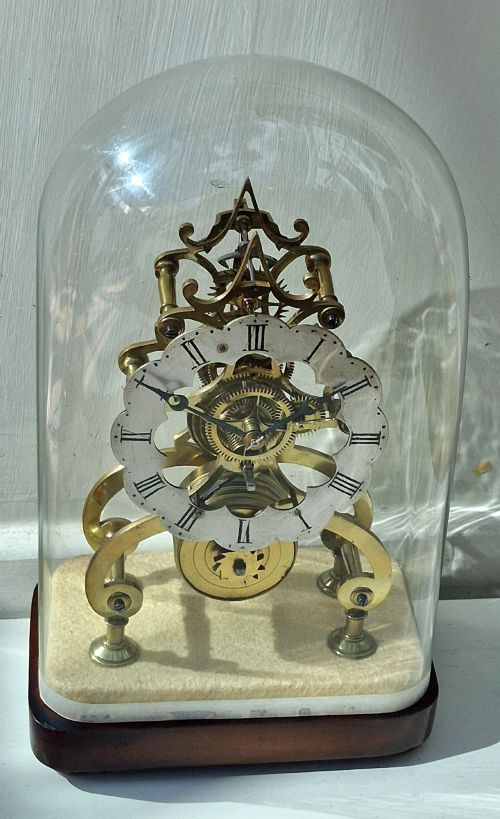
- A timepiece designed with an open frame that exposes the gear train and movement to view. Victorian makers produced these to display the intricate mechanics.
- Fusee
- A conical pulley used in clock movements to maintain even force on the gear train as the mainspring unwinds. This mechanism improves timekeeping accuracy.
- Enamel dial
- A metal face coated with fused powdered glass, providing a smooth white surface for painted numerals. These dials resist fading over decades of use.
Mechanical Brass Desk Clock: Frequently Asked Questions
How do I wind a mechanical brass desk clock?
Most mechanical desk and carriage clocks use a dedicated winding key inserted into arbors located on the backplate. Turn the key gently until resistance indicates the mainspring is fully wound.
Avoid overwinding the movement, as this can strain the internal spring steel and cause damage. Regular routine winding keeps the gear train operating at a consistent tension.
What is a repeating carriage clock?
A repeating carriage clock includes an extra mechanism that sounds the last hour and quarters upon pressing a button on top of the case. This allowed owners to check the time in darkness.
This complication requires additional gear trains within the brass housing, making these pieces more complex and desirable to collectors.
How should I clean a brass clock case?
Dust the brass and glass surfaces regularly using a soft, dry microfibre cloth to prevent the accumulation of grime. Avoid chemical metal polishes that can strip original gilding or seep into the movement.
If the glass panels require cleaning, apply a small amount of window cleaner to a cloth rather than spraying directly onto the clock frame.
Why does my clock need professional servicing?
Mechanical movements rely on precise lubrication that dries out or gathers dust over the decades, causing friction in the gear train. A professional service cleans the pivots and escapement to restore accurate timekeeping.
Routine maintenance prevents wear on the brass teeth and ensures the timepiece operates reliably for future generations.