



Masons Pattern China
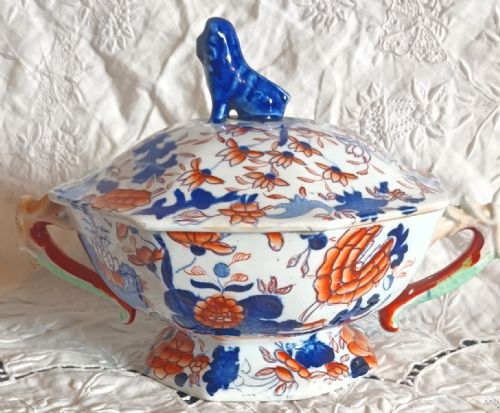
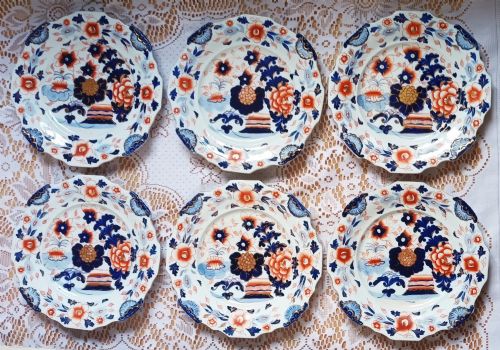
Masons pattern china brings robust nineteenth-century ironstone and vivid enamel decoration together into durable serving vessels, plates, and decorative wares for the table.
Masons Pattern China
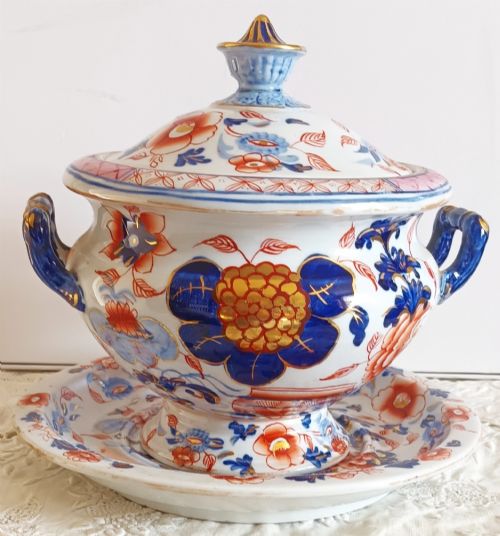
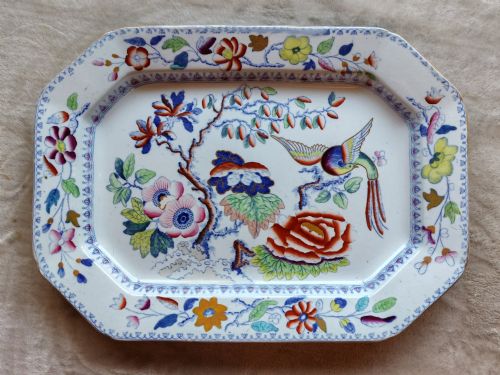
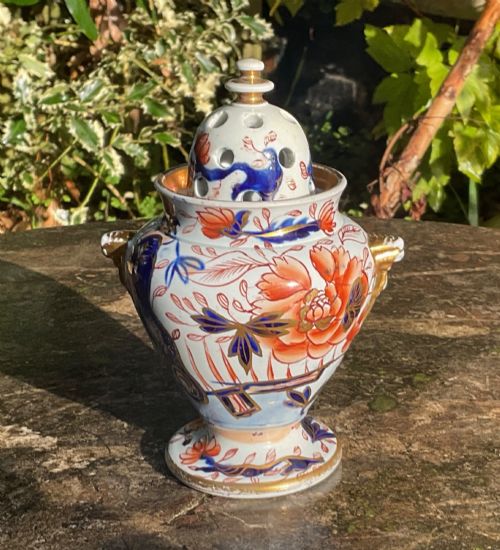
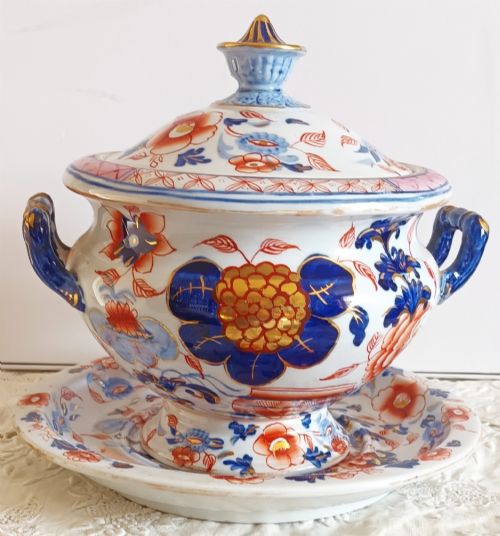
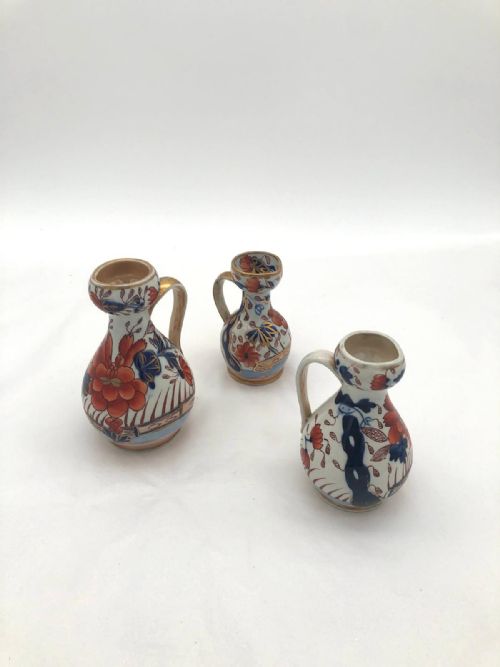
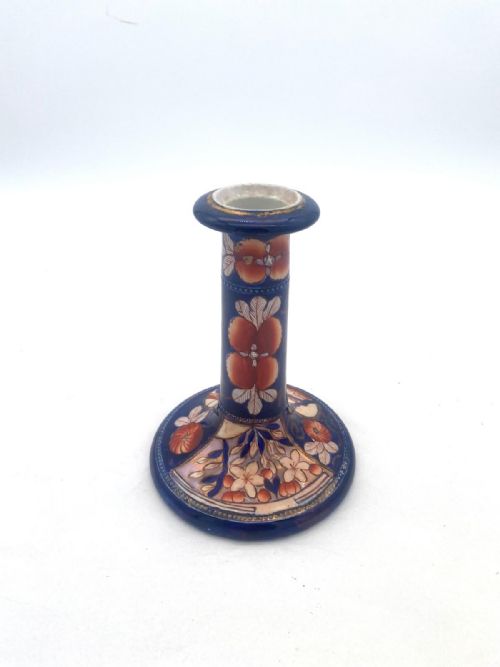
When buyers search for masons pattern china, they encounter nineteenth-century tablewares and decorative objects spanning the Georgian, Regency, and Victorian periods. The selection on this page consists predominantly of nineteenth-century pieces, ranging from large soup tureens and serving platters down to small jugs, plates, and potpourri vases.
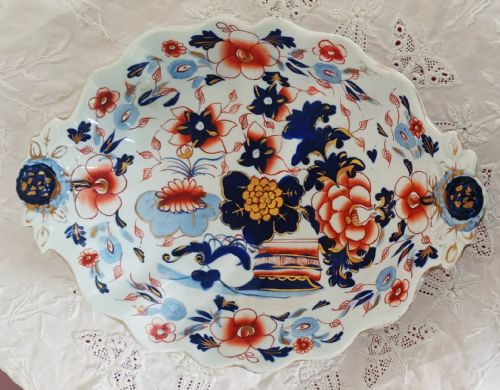
The forms reflect utilitarian dining and decorative needs of past centuries, including sauce tureens with ladles, ashsets, low comports, drainers, and chestnut baskets with trays. Buyers frequently meet distinctive regional designs such as the Japan pattern, Old School House pattern, and Indian Grasshopper pattern applied across ironstone bodies.
Materials and production techniques
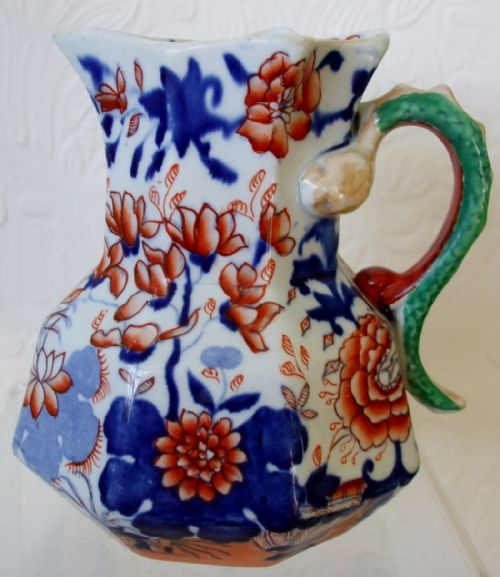
Production relies heavily on patented ironstone china and ceramic bodies, which provide a dense, heavy foundation capable of withstanding daily use. Potters shaped these durable clays into complex forms like the characteristic hydra jug and architectural tureens before applying glaze.
Decoration is achieved through hand-painting and transfer printing using enamel, gold leaf, and gilt accents. Craftsmen rendered intricate Chinoiserie, Imari, and floral motifs in vibrant tones directly onto the ceramic surface before firing.
Masons Pattern China Retail Price Guide 2026
Typical asking prices for masons pattern china among the pieces listed under this phrase on Sellingantiques today, from the lower quarter to the upper quarter. They describe what is for sale here now, not the wider market.
Listings feature nineteen-century ironstone ceramics decorated in distinct styles including Chinoiserie, Imari, and Regency patterns.
Distinctions in craftsmanship
The sophistication of the hand-painted enamels and the precision of the gilt work set finer examples apart from standard utility wares. Superior pieces display crisp registration on transfer-printed patterns combined with meticulous overglaze brushwork in gold leaf.
Form complexity and size also dictate the caliber of a piece, with large garnitures of vases, elaborate pot pourri jars, and miniature watering cans demanding greater technical mastery from the potter than simple plates or bowls.
Mason
The Masons Pattern China Glossary
- Ironstone
- A heavy, durable type of ceramic patented in the nineteenth century to imitate porcelain while offering superior strength. It forms the structural body for the vast majority of these listings.
- Ashet
- A Scottish and northern English term for a large meat platter or serving dish. These oval vessels occupy the centre of the table during grand nineteenth-century dinners.
- Comport
- A pedestal dish used for serving fruit or sweets at dessert. Low comports sit on short feet above the table surface.
- Garniture
- A set of matching vases or pots designed to be displayed together on a mantelpiece or sideboard. They typically comprise three or more graduated pieces.
- Hydra jug
- A water or milk pitcher characterised by its flared rim, moulded serpent handle, and bulbous body. The form takes inspiration from classical antiquity.
Masons Pattern China: Frequently Asked Questions
What is Masons pattern china?
Masons pattern china comprises nineteenth-century ceramic and ironstone tablewares decorated with vibrant transfer-printed and hand-painted motifs, notably inspired by Japanese Imari and Chinese porcelain designs.
These pieces include utilitarian items like plates and meat platters alongside ornamental tureens, vases, and potpourri jars created during the Georgian and Victorian eras.
How were ironstone jugs used?
Hydra jugs and pitchers served practical functions at the nineteenth-century dining table and washstand for pouring water, milk, or cream.
Their robust ironstone body allowed them to endure heavy daily service while their ornate enamel and gilt decoration suited formal hospitality.
How do I care for ironstone china?
These nineteenth-century ceramics require gentle hand washing in warm water with mild soap to preserve the delicate enamel colours and gold leaf accents.
Avoid thermal shock by keeping ironstone away from sudden temperature changes, microwaves, and automatic dishwashers.
How can I tell the period?
Dating relies on identifying the ceramic body, the style of the pattern such as Regency Chinoiserie or Victorian Imari, and specific manufacturer marks stamped into the ironstone.
Early nineteenth-century pieces from the Georgian period often exhibit hand-brushed enamel detailing over crisp transfer prints on heavy, dense ceramic.