

English Water Pitcher
An English antique water pitcher brings heft and character to a table, combining utilitarian purpose with centuries of ceramic and glass artistry.
English Water Pitcher
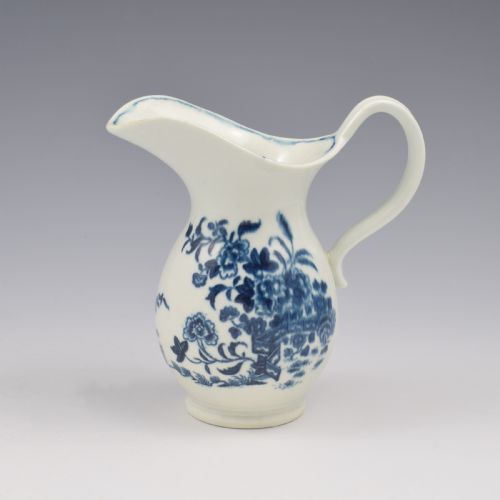
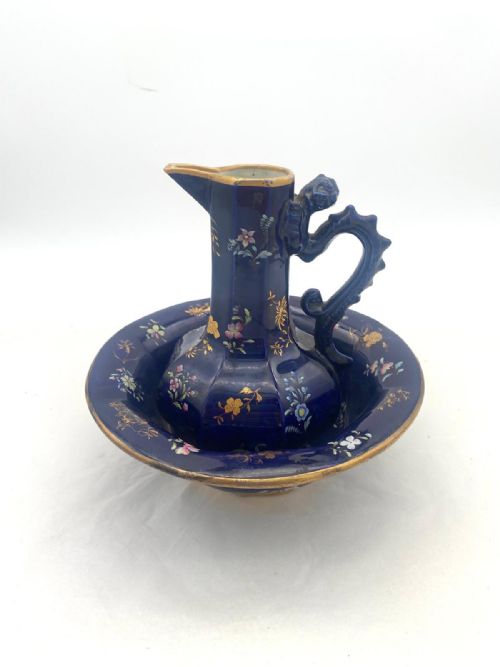
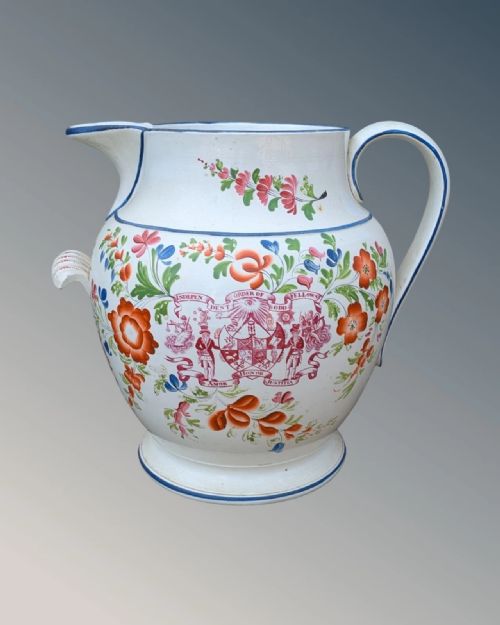
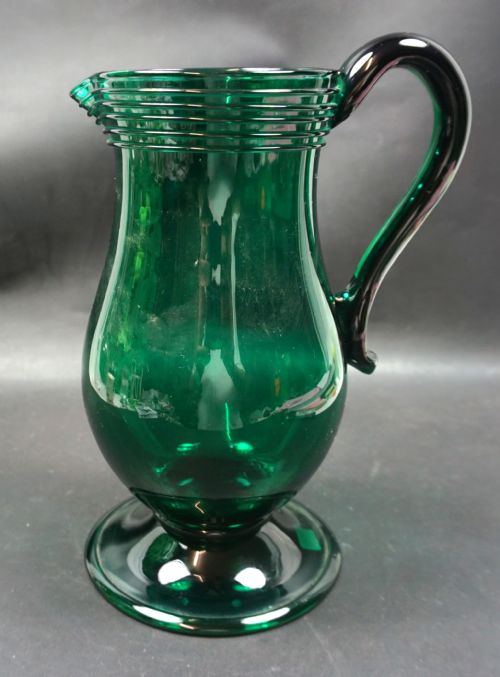
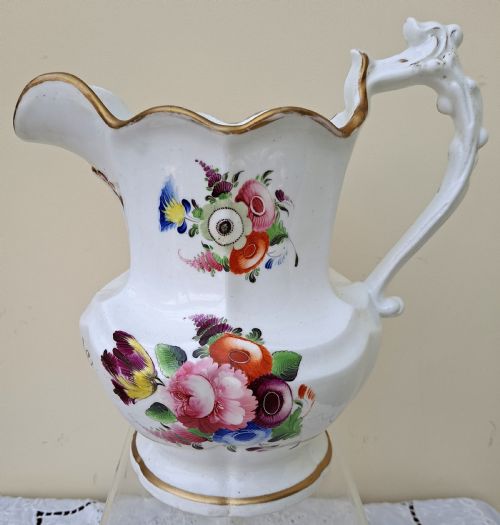
An English antique water pitcher serves as a sturdy vessel originally made for pouring water, milk, or beer at the table and washstand. These pieces encompass everything from robust earthenware washbasin sets to delicate porcelain creamers and large dairy vessels.
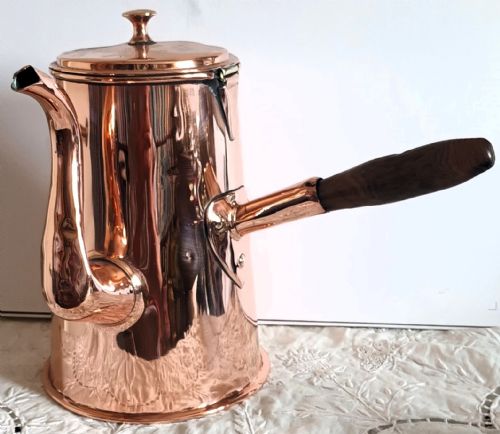
The selections available here span from the 18th century through the Georgian, Victorian, and Edwardian eras up to the 1920s. Ironstone, stoneware, and glazed ceramics dominate the ceramic offerings, alongside crystal glass and copper forms.
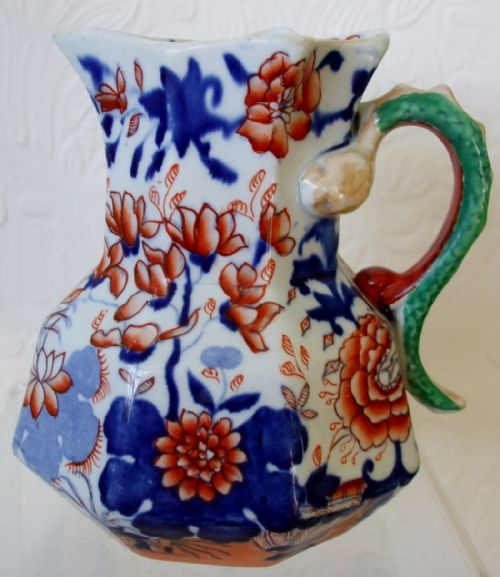
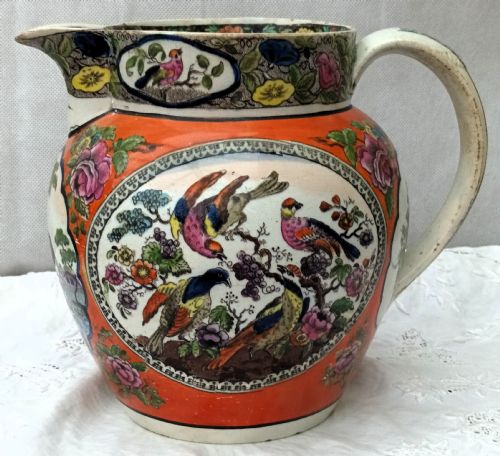
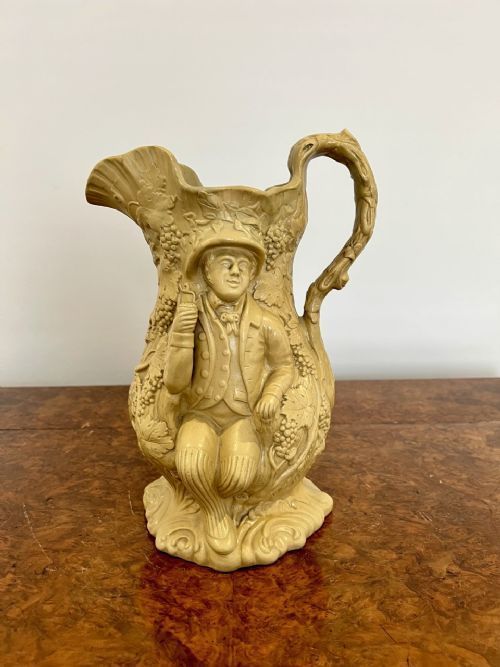
Buyers will encounter robust relief-moulded jugs alongside transfer-printed earthenware and hand-decorated porcelain. Many of these pieces originate from notable potteries such as Mason's, Doulton Lambeth, and Worcester.
Materials and methods of construction
Potters shaped ironstone, creamware, pearlware, and porcelain either by hand on a wheel or by pressing clay into moulds to achieve crisp relief decoration. Stoneware pieces often received salt glazing or specialised surface treatments like Doulton Slater's patent texturing before firing.
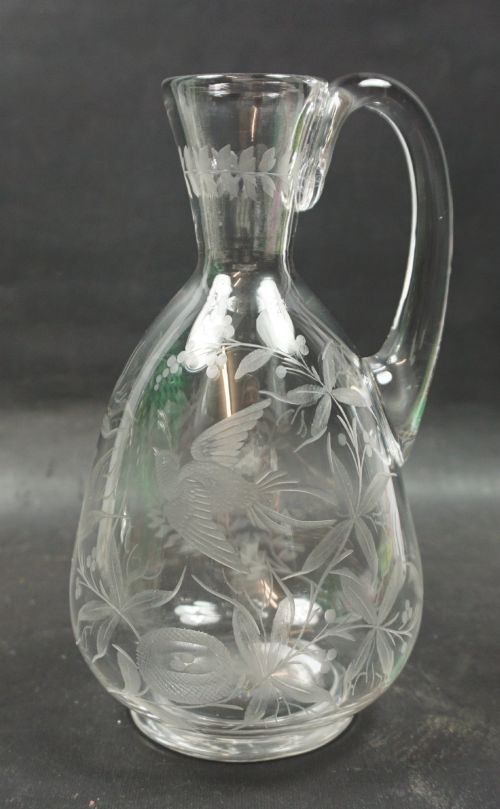
Glass water pitchers were blown into moulds or free-blown, then finished with applied handles, folded feet, and trail rims. Artisans decorated these surfaces through wheel engraving, etching, or applying delicate latticinio threads while the glass remained hot.
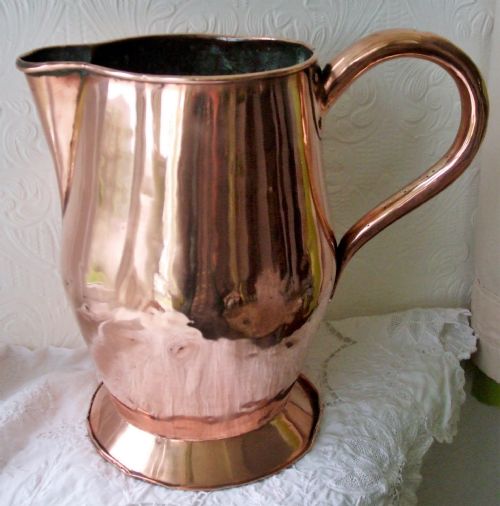
Metal vessels, predominantly copper, were beaten and joined to create rigid, heat-resistant containers suitable for daily domestic utility. Ceramic decorators then applied hand-painted enamels, transfer printing, or lustres before a final kiln fix.
English Water Pitcher Retail Price Guide 2026
Typical asking prices for english water pitcher among the pieces listed under this phrase on Sellingantiques today, from the lower quarter to the upper quarter. They describe what is for sale here now, not the wider market.
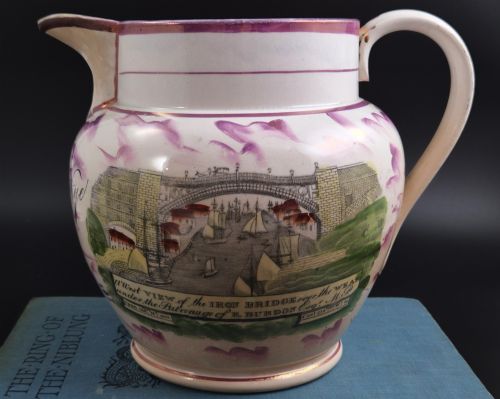
One piece commemorates an iron bridge over the Wear with pink lustre splashes.
Evaluating standard and execution
Quality rests in the crispness of the moulding, the alignment of applied handles, and the depth of the glaze. Superior ceramic jugs display sharp relief details without blurring or sagging from excessive kiln temperature.
In glass pitchers, quality shows in the evenness of the walls, the clarity of the metal, and the precision of the engraved or etched motifs. Hand-painted ceramic pieces separate themselves through steady brushwork and well-defined transfer alignment.
Mason's·Duesbury Derby·Booths·Dr Wall Worcester·Royal Worcester·Dolton Lambeth·Chamberlain Worcester·Charles Meigh·Davenport
The English Water Pitcher Glossary
- Ironstone
- A dense, durable type of earthenware patented in the 19th century by Charles Mason to imitate Chinese porcelain. It resists chipping and accepts colourful enamels readily.
- Pearlware
- A fine-grained earthenware developed by Josiah Wedgwood in the late 18th century featuring a bluish glaze that pooled in recesses to mimic Chinese export porcelain.
- Lustreware
- Earthenware or ironstone decorated with a metallic film that creates an iridescent, shimmering surface. Sunderland pink splash lustre is a prominent example from the 19th century.
- Parian Ware
- A fine-grained unglazed bisque porcelain resembling white marble, introduced in the mid-19th century for decorative jugs and busts.
- Transfer Printing
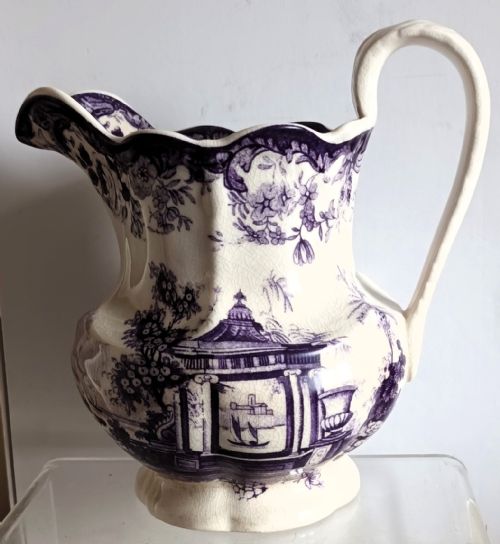
- A technique where an engraved copper plate transfers a monochrome or coloured pattern onto tissue paper, which is then pressed onto the ceramic body before glazing.
English Water Pitcher: Frequently Asked Questions
How were water pitchers used daily?
These vessels transported water from kitchens or sculleries to dining tables and bedrooms for washing and drinking. They sat alongside matching basins on washstands or served drinks directly during meals.
Larger versions held up to twelve pints for heavy household tasks, while smaller vessels managed cream or milk.
How do I date an antique pitcher?
Look to the material, style, and any registration marks or maker's stamps on the base. Georgian pieces often show softer pearlware bodies or fine hand-painted porcelain, whereas Victorian items frequently exhibit relief moulding or transfer printing.
Victorian and Edwardian registry diamonds or impressed factory ciphers narrow down production years significantly.
Can I use these pitchers for serving drinks?
Most ceramic and glass pitchers remain fully functional for serving water, juice, or flowers today. Glazed ironstone and robust glass withstand liquid safely, though antique copper requires careful handling.
Hand washing protects delicate enamels, gold leaf, and thin glass handles from thermal shock and detergent damage.
What is the difference between a jug and a pitcher?
In British usage, a jug typically refers to any vertical vessel with a handle and a lip for pouring liquids. Pitcher is a term often applied to larger, heavier pouring vessels, though the two words overlap frequently in antique descriptions.