




Mason Ceramic Set
When you want a mason ceramic set, you are looking for robust ironstone pieces patterned in rich enamels and gilt.
Mason Ceramic Set
A mason ceramic set comprises utilitarian and display items produced primarily during the nineteenth century, including jug and basin sets, soup bowls, and dessert services. These groupings showcase the distinctive heavy body developed in Staffordshire to rival imported porcelain.
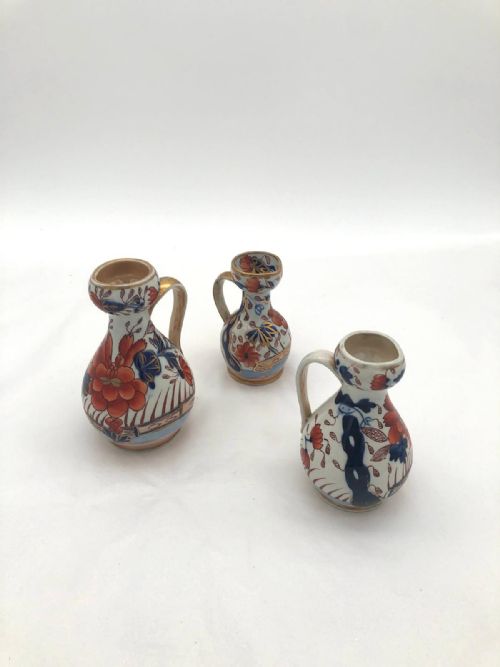
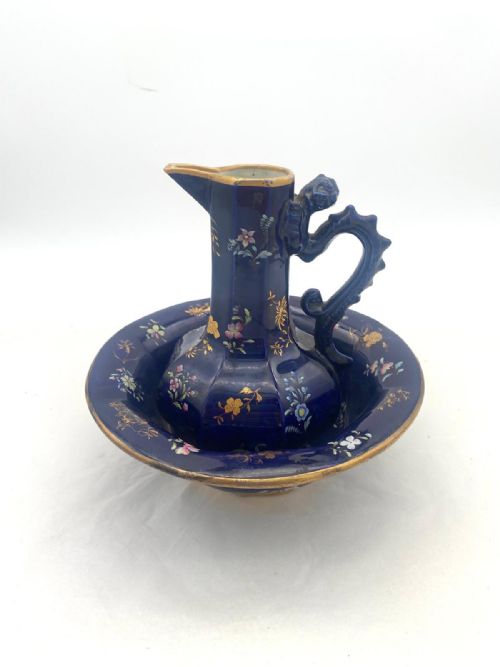
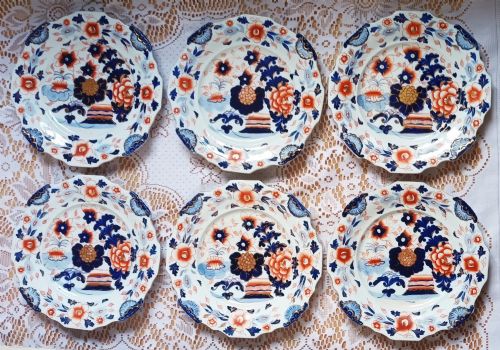
You are most likely to meet nineteenth-century ironstone plates, graduated hydra jugs, and octagonal basins on this page. The designs frequently draw upon Regency and Victorian aesthetic traditions, often incorporating Chinoiserie or Imari motifs.
The forms range from large toilet sets and vases down to matched plates and soup bowls. Each grouping demonstrates the practical yet decorative nature of English ceramics from the Georgian and Victorian eras.
How they were made
Makers utilised a durable ironstone paste, fired at high temperatures to create a dense body that resisted chipping far better than standard earthenware. This ceramic foundation was then finished with protective glazes.
Decoration relied upon hand-applied enamel colours and gold leaf, frequently overtransfer-printed outlines. Artisans built up patterns such as the Japan style using vibrant iron-red, cobalt blue, and gilt highlights.
Mason Ceramic Set Retail Price Guide 2026
Typical asking prices for mason ceramic set among the pieces listed under this phrase on Sellingantiques today, from the lower quarter to the upper quarter. They describe what is for sale here now, not the wider market.
Hydra jugs hide clever serpent handles that double as a secure grip for pouring water.
What varies in quality
Quality rests upon the crispness of the transfer printing and the precision of the hand-applied enamel work. Finer examples display meticulous brushwork within the complex Chinoiserie or Imari borders rather than rushed execution.
The preservation of the original gold leaf and the integrity of the ceramic body separate standard production from superior exhibition pieces. Graduated sets with matching forms and uniform glaze retention command greater regard.
Mason
The Mason Ceramic Set Glossary
- Ironstone
- A heavy, durable ceramic material patented in nineteenth-century England to provide a sturdy alternative to porcelain. It forms the structural body for most pieces in this category.
- Hydra jug
- A distinctive pitcher featuring a serpent-formed handle and a broad spout, characteristic of nineteenth-century Staffordshire production. These vessels often appear in graduated sets.
- Imari pattern
- A decorative scheme employing cobalt blue, iron red, and gold leaf, inspired by Japanese export porcelain. This style was widely adopted by English ironstone manufacturers.
- Chinoiserie
- A decorative style reflecting European artistic interpretations of Chinese and East Asian motifs. It appears frequently on nineteenth-century plates and vases.
- Gilt
- A thin layer of gold applied to the ceramic surface to highlight moulded details and borders. Its preservation is a key indicator of handling over time.
Mason Ceramic Set: Frequently Asked Questions
What is a mason ceramic set?
A mason ceramic set is a collection of nineteenth-century English ironstone items, such as plates, soup bowls, or jug and basin suites, decorated in vibrant enamels and gilt.
These groupings were produced in Staffordshire to serve both practical household functions and decorative display purposes within the home.
How were these sets used?
Larger components like jug and basin sets functioned as washing apparatus in bedrooms before modern plumbing became widespread.
Plates, soup bowls, and dessert services were utilised for formal dining and entertaining during the Georgian and Victorian periods.
How do I live with ironstone?
Ironstone is remarkably sturdy, making these pieces suitable for gentle daily use or display on dresser shelves and sideboards.
Hand washing is recommended to protect the hand-applied enamels and delicate gold leaf from harsh dishwasher detergents.
How do I date these pieces?
Dating relies upon stylistic markers such as Regency or Victorian aesthetic influences, alongside the specific characteristics of the ironstone body and backstamps.
Earlier nineteenth-century examples often feature complex hand-painted Chinoiserie or Imari patterns combined with octagonal moulding.