



Marquetry Oak Furniture
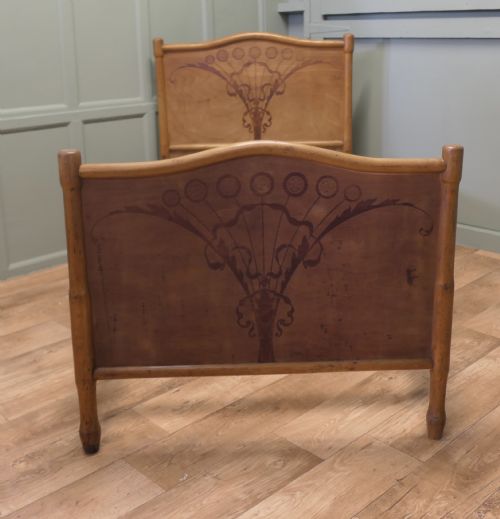
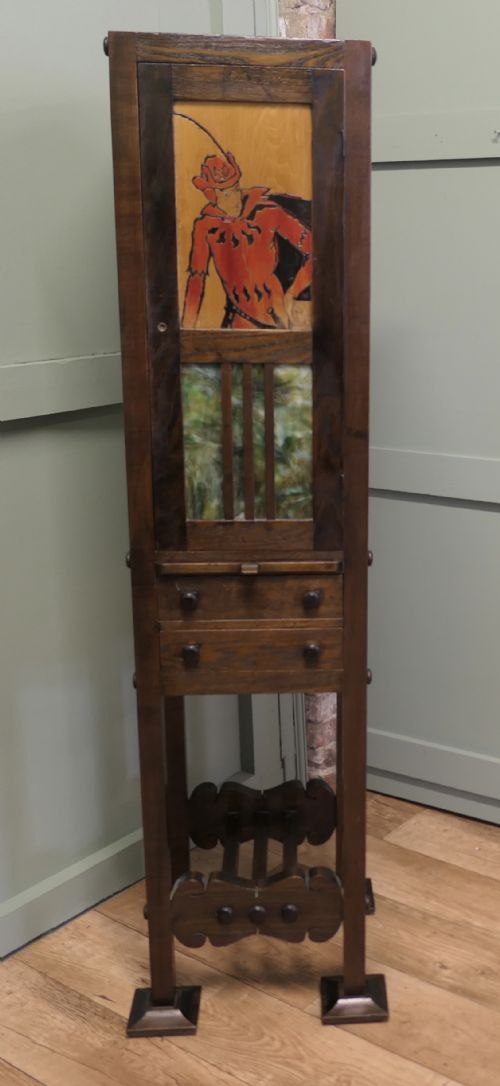
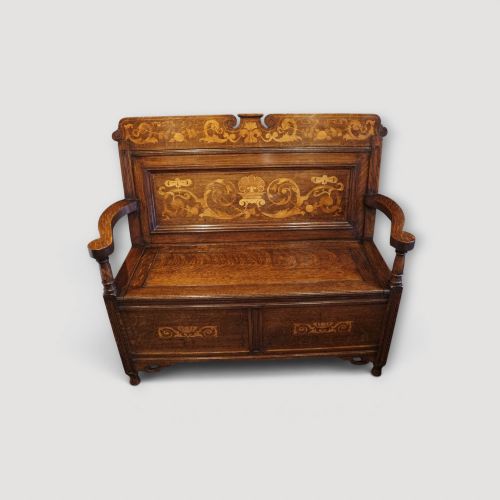
These marquetry oak furniture pieces combine robust native timber with intricate contrasting wood inlay, offering both practical storage and striking decorative presence.
Marquetry Oak Furniture
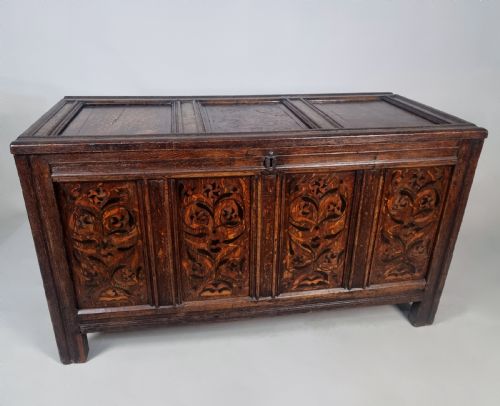
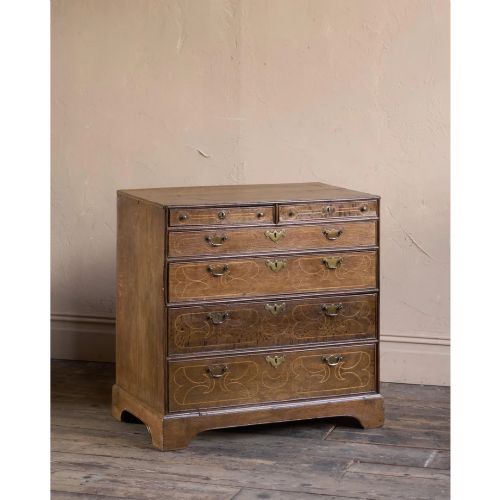
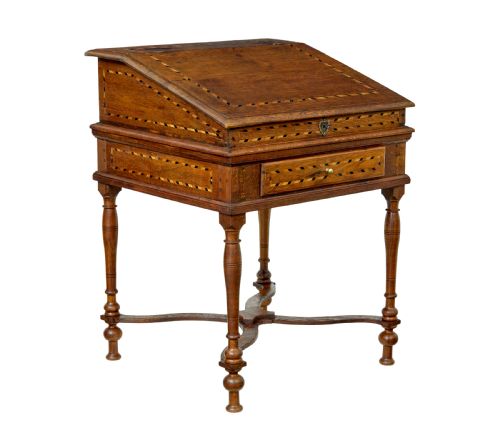
When you search for marquetry oak furniture, you encounter sturdy timber carcases enriched with patterned wood designs across surfaces. The selection spans robust seventeenth-century chests and coffers alongside later eighteenth and nineteenth-century chests of drawers and writing desks.
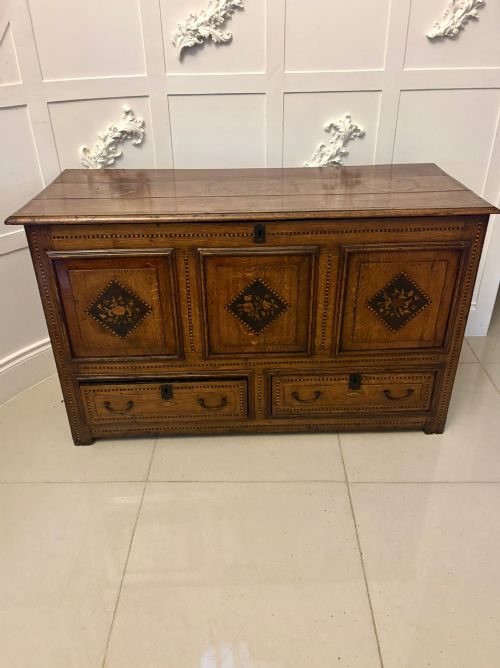
You are most likely to meet practical storage forms such as mule chests, coffers, and chests of drawers finished with contrasting fruitwood or various wood inlays. These pieces bridge utilitarian domestic storage and ornate continental or British decorative traditions.
How they were made
Construction relies upon solid oak framing, panels, and carcases combined with applied brass handles and iron hardware. Cabinetmakers shaped structural timbers using traditional joinery before preparing surfaces for ornamental veneer work.
Detailed marquetry and fruitwood inlay involve cutting thin sections of contrasting timber to form floral, geometric, or figurative patterns. These decorative elements are carefully set into recesses within the oak ground and secured with traditional adhesives.
Marquetry Oak Furniture Retail Price Guide 2026
Typical asking prices for marquetry oak furniture among the pieces listed under this phrase on Sellingantiques today, from the lower quarter to the upper quarter. They describe what is for sale here now, not the wider market.
The listings span from the seventeenth century through to the Art Deco period, incorporating oak, walnut, brass, iron, and fruitwood inlay.
What varies in quality
The sophistication of the timber preparation and the precision of the inlay work distinguish finer examples from simpler provincial items. Crisp execution in floral or geometric wood patterns demonstrates superior artisan capability.
The harmony between the sturdy oak structure and the delicate surface marquetry dictates visual balance. Finer items maintain structural integrity alongside well-preserved, detailed inlay across primary display surfaces.
Gaylayde·B Cohen and Sons
The Marquetry Oak Furniture Glossary
- Marquetry
- Decorative veneer work assembled in geometric or pictorial patterns using various coloured woods. It transforms plain timber surfaces into pictorial or ornamental displays.
- Mule chest
- A traditional storage chest featuring one or more drawers beneath the main lift-top compartment. This form bridges the evolution from simple coffers to modern drawer units.
- Oyster veneer
- Circular or oval wood veneers sliced transversely from small branches to show concentric growth rings. This technique creates a distinctive repeating pattern across drawer fronts.
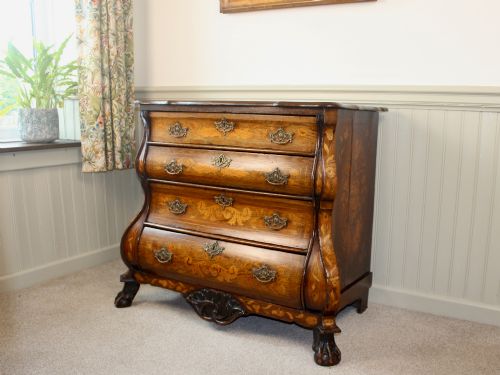
- Bombe
- A swollen or bulging contour characteristic of continental case furniture design. It requires advanced cabinetmaking skill to shape wood and applied veneer into curved profiles.
- Coffer
- A heavy wooden chest traditionally used for storing valuables, textiles, or documents. Early examples often feature panelled construction and carved or inlaid ornamentation.
Marquetry Oak Furniture: Frequently Asked Questions
How do I date oak furniture with inlay?
Dating relies upon examining construction methods, timber preparation, and the specific style of the inlay work. Seventeenth-century pieces typically show hand- cleft framing and simpler linear patterns, whereas later periods introduce more complex floral motifs and curved forms.
Hardware styles, drawer linings, and secondary woods also provide reliable clues for establishing the era of manufacture. Comparing the joinery techniques against known period examples helps clarify the timeline.
Where were these pieces used in homes?
These items served functional roles primarily within bedrooms, parlours, and main living areas for storing garments, linens, and household valuables. Desks and writing slopes provided dedicated writing spaces in studies or private chambers.
Larger chests and coffers often stood in hallways or public rooms where their decorative marquetry facades contributed to the interior display. Bedside cabinets offered convenient enclosed storage adjacent to sleeping quarters.
How should I care for inlaid oak?
Maintain stable indoor humidity levels and protect surfaces from direct sunlight to prevent timber shrinkage and veneer lifting. Regular dusting with a soft, dry cloth preserves the finish without requiring heavy polishes.
Avoid placing pieces near direct heat sources such as radiators or fireplaces. Gentle handling of drawers and lids ensures historical hardware and delicate inlay remain secure.
What distinguishes Dutch marquetry from British styles?
Continental Dutch pieces frequently employ elaborate floral and urn marquetry across serpentine or bombe forms, often utilising walnut grounds alongside oak. British examples tend to favour more restrained geometric or linear inlay patterns integrated into rectilinear carcases.
Regional preferences dictate the choice of secondary timbers and the complexity of the pictorial veneer work. These stylistic traits help attribute pieces to specific regional workshops.