




Art Deco Oak Vanity
An art deco oak vanity brings geometric clarity and solid timber warmth to a bedroom through practical mirrors and storage.
Art Deco Oak Vanity
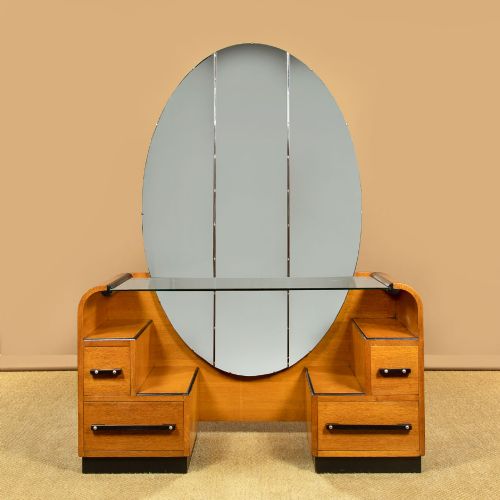
An art deco oak vanity covers dressing tables, dressing chests, and washstands shaped by twentieth-century design movements. The selection spans the Edwardian era through to the nineteen-thirties, showing robust construction in timber.
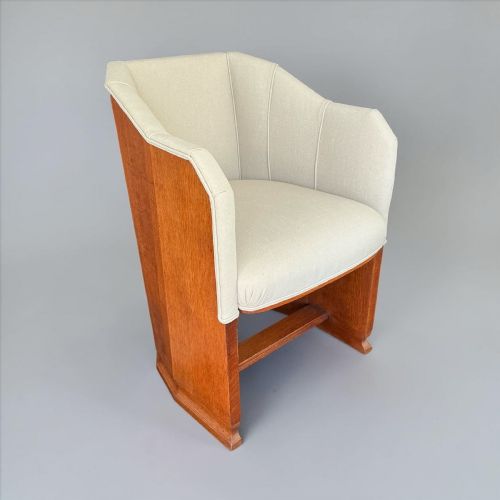
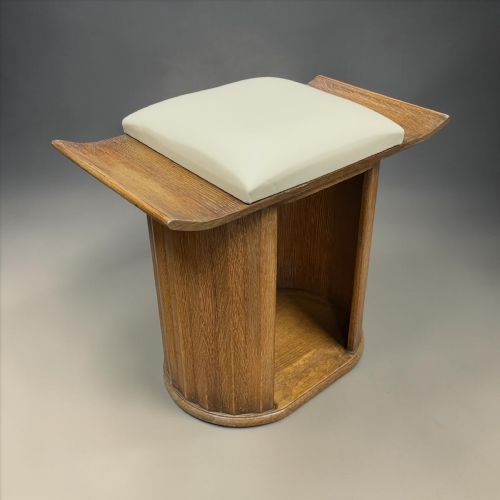
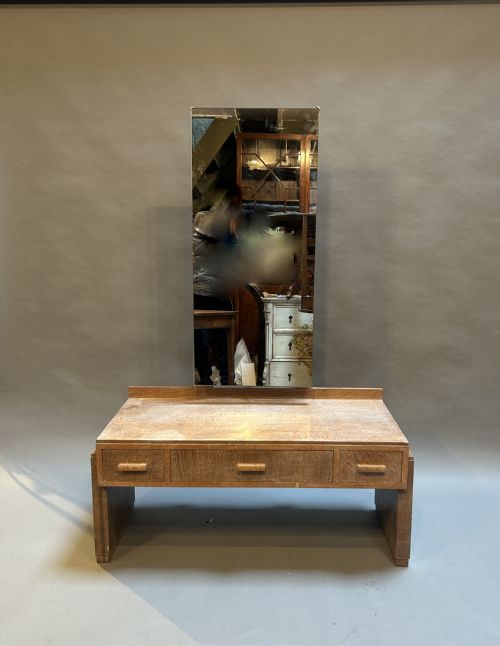
Most examples take the form of dressing tables and chests paired with matching stools or chairs. Forms vary from twin pedestal configurations to drum-shaped storage pieces and rectangular wall mirrors.
Origins stretch from English workshops to French makers, utilising distinct regional interpretations of modernism. Pieces frequently appear as part of larger bedroom suites alongside wardrobes.
How they were made
Workshops utilised solid oak and limed oak finishes to accentuate the natural grain of the wood. Marquetry inlay added decorative geometric patterns to drawer fronts and framing surfaces.
Functional elements incorporated shaped glass for mirrors alongside metal hardware. Stools and chairs featured upholstery in woven fabric, leather, and standard fabric covering.
Art Deco Oak Vanity Retail Price Guide 2026
Typical asking prices for art deco oak vanity among the pieces listed under this phrase on Sellingantiques today, from the lower quarter to the upper quarter. They describe what is for sale here now, not the wider market.
A royal coronation event inspired at least one sturdy stool in the selection.
What varies in quality
Design complexity separates standard utility items from pieces bearing attribution to notable makers and specific retail houses. The inclusion of marquetry and unusual configurations elevates the architectural interest of a piece.
Integration of matching seating and complete bedroom suites demonstrates higher original commission status. Surface treatments, from clear polished oak to pale limed finishes, show different levels of workshop skill.
Heals·Harry & Lou Epstein·B Cohen & Sons·B North & Son
The Art Deco Oak Vanity Glossary
- Limed oak
- A wood treatment that creates a pale, whitened finish in the grain. This technique gained popularity during the interwar period for modern bedroom furniture.
- Marquetry
- The art of applying pieces of veneer to a structure to form decorative patterns. It frequently creates geometric motifs on cabinet fronts.
- Pedestal
- A structural support base for a dressing chest or desk. Twin pedestal designs feature banks of drawers on both sides.
- Dressing chest
- A lower storage unit incorporating drawers and an attached mirror. It serves the primary function of a vanity.
Art Deco Oak Vanity: Frequently Asked Questions
What is an art deco oak vanity?
An art deco oak vanity is a dressing table or chest made from oak during the early twentieth century. These pieces combine geometric styling with practical storage and mirrors.
They reflect the modern design shifts of the period while using traditional hardwood construction methods.
How do I identify a nineteen-thirties piece?
Nineteen-thirties pieces often display clean geometric lines, stepped veneers, and limed oak surfaces. Attribution marks or specific maker designs also help date the furniture.
Construction details and hardware styles align with the interwar modernist movement rather than heavier Edwardian designs.
Do vanity tables come with matching stools?
Many vanity tables are paired with matching stools or chairs upholstered in fabric or leather. Some seating items feature drum shapes with built-in storage.
Complete sets provide a cohesive look for period bedroom interiors.
Where were these pieces made?
The listings show items produced in English workshops alongside French pieces. Regional cabinetmakers and major retail firms both contributed to this design category.
English pieces frequently utilise solid oak and limed finishes characteristic of London workshops.
How do I care for limed oak?
Limed oak surfaces require gentle dusting with a soft cloth to protect the pale finish in the grain. Avoid harsh chemical cleaners that can strip the specialised wood treatment.
Maintaining stable room humidity preserves the integrity of the solid timber and veneer work.