



Maritime Wall Prints
Maritime wall prints capture the enduring drama of the sea through historic watercolours, engravings and etchings.
Maritime Wall Prints
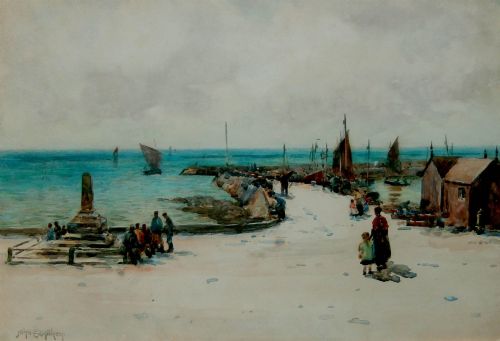
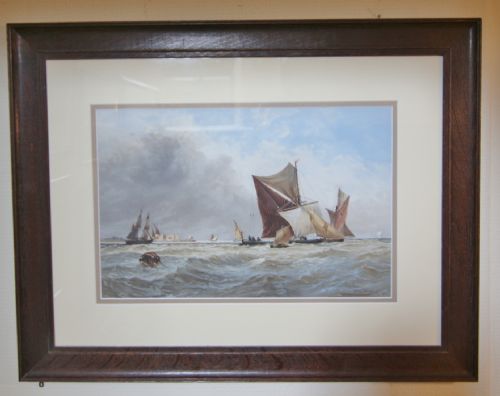
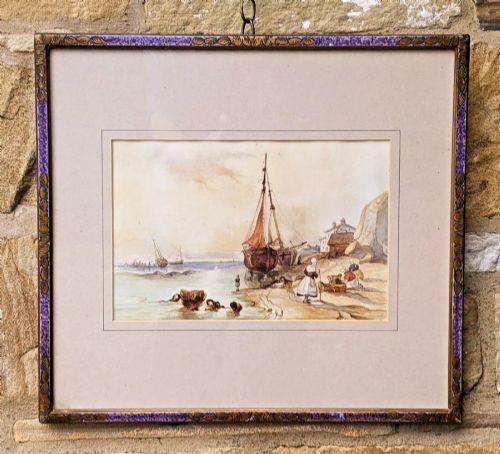
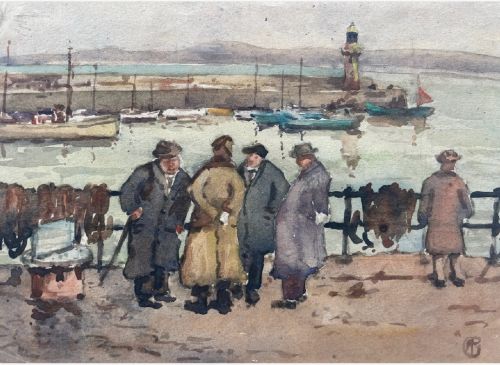
When searching for maritime wall prints, buyers encounter a diverse range of historic works recording naval engagements, bustling harbours and coastal scenes. The selection on this page draws primarily from the nineteenth and early twentieth centuries, spanning periods from the Georgian era through to the 1930s. These pieces encompass framed fine art paintings, watercolours, aquatints and detailed engravings.
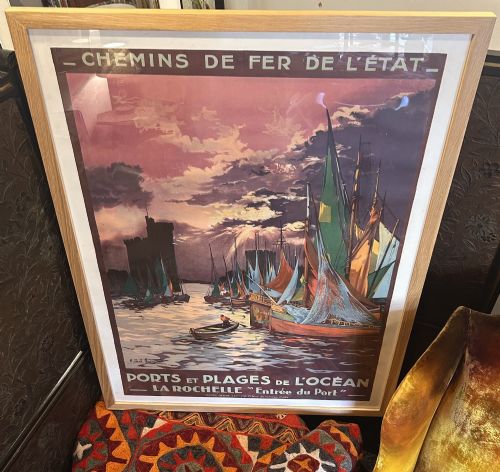
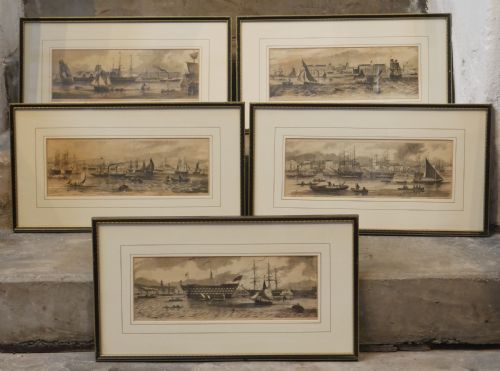
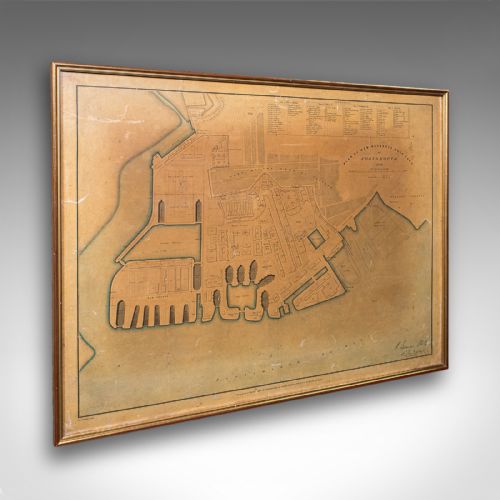
The objects take various physical forms, from individual framed sheets and maps of dockyards to sets of naval engravings and French railway posters. Subjects range from royal yachts and steamships in rough waters to quiet fishing harbours and British coastal views. Most examples arrive framed, often in wood or giltwood, ready for domestic display.
Materials and execution
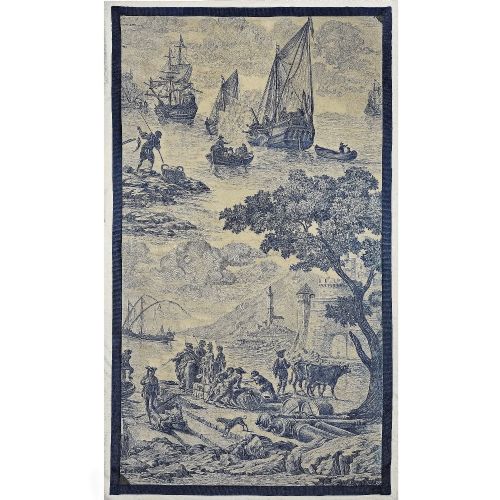
The works rely upon traditional paper supports paired with watercolours, ink, pencil, and printmaking techniques such as etching, aquatint and lithography. Some pieces incorporate textiles, specifically printed toile panels, alongside cartography and photography.
Framing materials reflect the period of production, predominantly utilising wood, glass, and giltwood. Certain specialist pieces combine these elements, such as maple-framed mirrors featuring reverse glass prints.
Maritime Wall Prints Retail Price Guide 2026
Typical asking prices for maritime wall prints among the pieces listed under this phrase on Sellingantiques today, from the lower quarter to the upper quarter. They describe what is for sale here now, not the wider market.
The listings span the eighteenth to the mid-twentieth century, utilising paper, glass, wood, and watercolour.
Assessing quality and execution
Quality rests upon the skill of the artist or printmaker in capturing movement, light and maritime detail accurately. Finer works display confident brushwork in watercolours or precise line work in original etchings and engravings.
The integrity of the physical components also distinguishes the range. Original framing, well-preserved paper without excessive discolouration, and strong provenance elevate an example.
John E. Aitken·William Lionel Wyllie·TB Hardy·George F Pennington·W J Huggins·WF Mitchell
The Maritime Wall Prints Glossary
- Aquatint
- A printmaking technique that produces tonal effects similar to watercolour washes. It is frequently found in nineteenth-century coastal portfolios.
- Etching
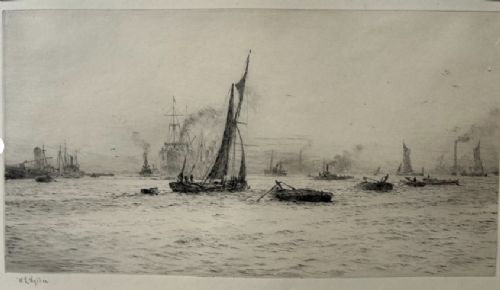
- A method where lines are bitten into a metal plate with acid before printing onto paper. This technique allows for fine, precise detail in ship rigging and architecture.
- Toile
- A type of fabric featuring a monochromatic printed pattern depicting pastoral or marine scenes. Panel examples appear mounted for wall display.
- Reverse glass print
- An image painted or transferred directly onto the back of a piece of glass to be viewed from the front. This technique gives the surface a glossy, luminous quality.
Maritime Wall Prints: Frequently Asked Questions
How should I hang framed maritime art?
Hang these pieces away from direct sunlight to protect delicate watercolours and paper from fading over time. Ensure they are mounted on secure wall anchors given the weight of period wooden and giltwood frames.
Keep them in stable room conditions to prevent moisture damage to the paper and the wooden frames.
What subjects do these prints show?
The subjects cover naval battles, royal yachts, merchant sailing ships, and quiet fishing harbours. You will also find coastal maps, dockyard plans, and scenes from the English and Welsh coasts.
Many pieces document specific vessels and historical maritime events from the nineteenth and early twentieth centuries.
How do I identify the period of a print?
Examine the framing style, paper type, and printing method alongside any artist signatures or publication dates. Nineteenth-century pieces often feature hand-tinted engravings or traditional watercolours.
Twentieth-century works frequently include modern photographic processes, etchings, or travel posters from the 1920s and 1930s.