




Maritime Ship Model
A maritime ship model captures the romance of the sea through meticulous wood, paint, and canvas construction, offering buyers a tangible piece of nautical history.
Maritime Ship Model
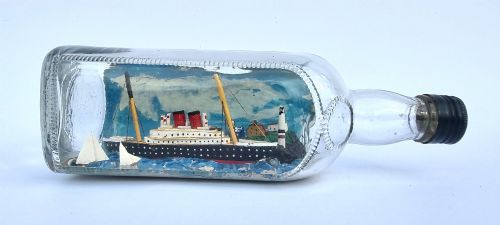
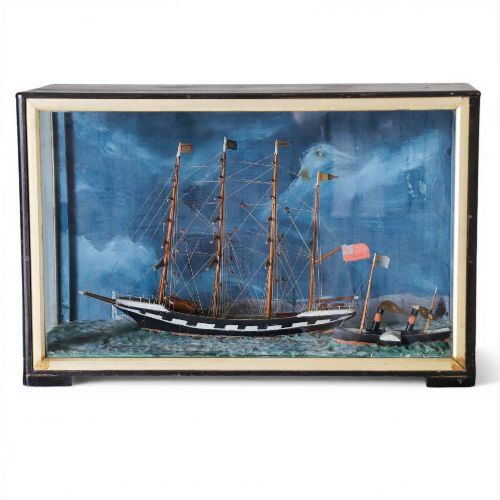
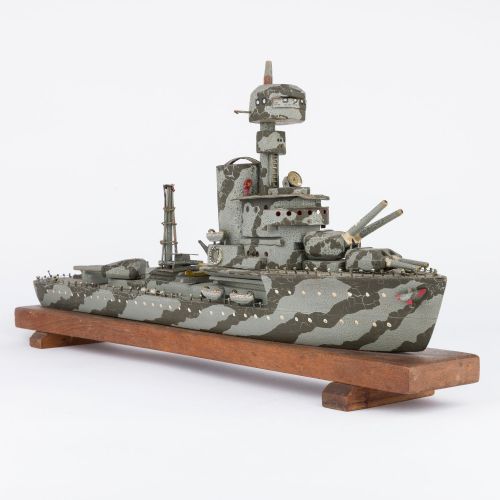
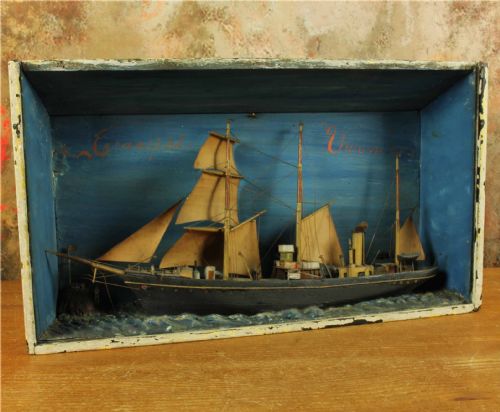
When searching for a maritime ship model, collectors encounter a diverse range of objects spanning the nineteenth and early twentieth centuries. These pieces encompass detailed scale models, folk art creations, and enclosed dioramas.
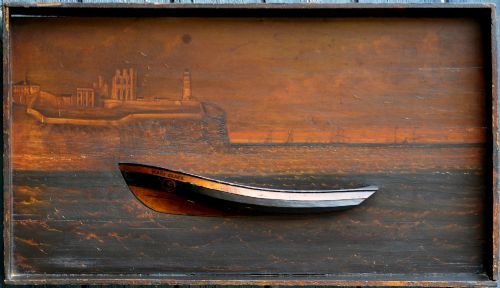
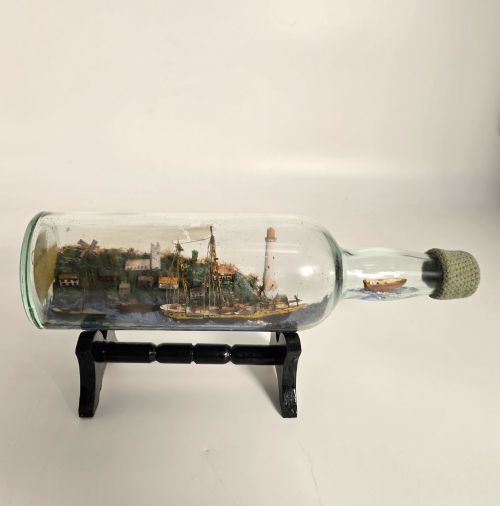
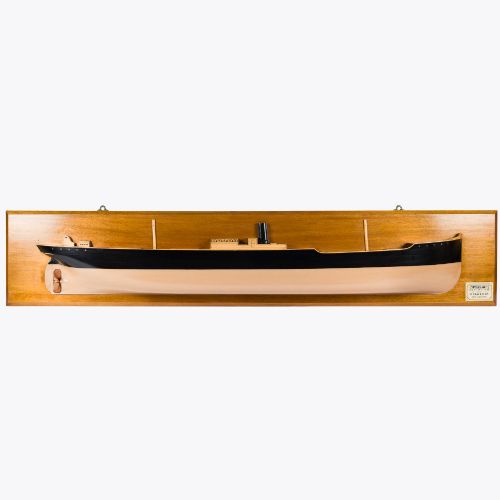
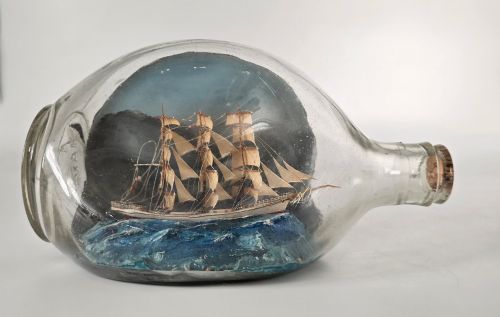
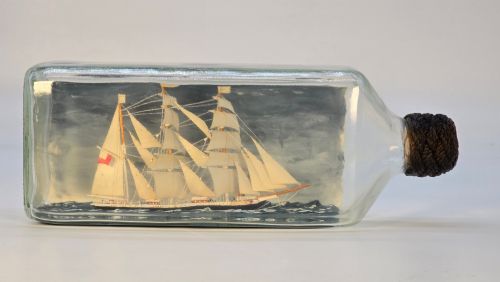
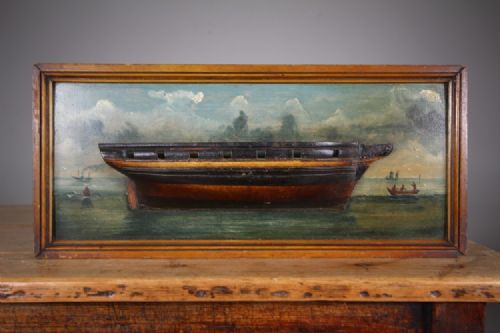
The selection includes fully rigged sailing ships, pond yachts, half hull models, and intricate vessels housed inside glass bottles. Originating from English, French, and Victorian workshops, each item reflects maritime trades and recreational boating.
Makers ranged from professional shipyards creating builder's models to anonymous folk artists crafting scratch-built vessels from basic materials. This variety ensures both formal nautical precision and charmingly naive interpretations are represented.
How they were made
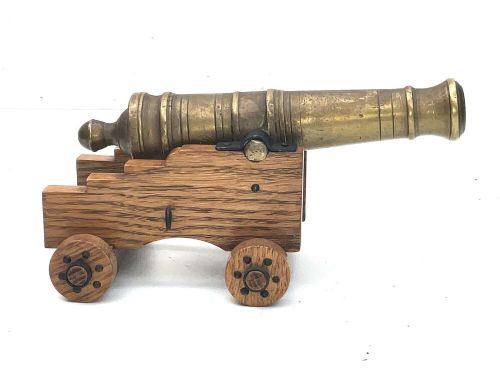
Makers constructed these models primarily using carved wood, often pairing timber hulls with canvas sails, thread rigging, and painted backdrops. Metal and brass components frequently form anchors, cannons, and tiny structural fittings.
Dioramas and bottled ships employ clever assembly techniques, utilising glass bottles and wooden boxes to protect delicate threadwork and plaster seascapes from dust and damage. Half hull models mount wooden profiles onto boards to demonstrate naval architecture plans.
Pond yachts and large scale models combine shaped wooden bodies with fitted wooden stands, sometimes incorporating marble bases or lead ballasts for stability on water or display.
Maritime Ship Model Retail Price Guide 2026
Typical asking prices for maritime ship model among the pieces listed under this phrase on Sellingantiques today, from the lower quarter to the upper quarter. They describe what is for sale here now, not the wider market.
Listings feature wood, paint, glass, and brass across nineteenth-century and Edwardian periods.
What varies in quality
The distinction between standard examples and superior pieces rests on the precision of rigging and the ambition of the painted backdrop. Scratch-built models that meticulously replicate real vessels demonstrate greater technical skill than basic decorative toys.
The preservation of original materials also dictates standing, as untouched nineteenth-century painted surfaces and intact glass bottle seals carry more historical weight. Elaborate details like straw work or fully realised seascape dioramas elevate the execution above simpler hull displays.
W. Grey & Co·Liverpool Ship Building Co.
The Maritime Ship Model Glossary
- Diorama
- A three-dimensional scene enclosed in a box or glass case, often featuring a model ship set against a painted canvas background and plaster waves. These displays protected delicate rigging from environmental damage.
- Half hull model
- A wooden representation of one side of a ship's hull, mounted on a backboard. Shipbuilders used these to design vessel shapes before full construction.
- Pond yacht
- A large model sailing boat designed to be sailed on open water. These functional toys required careful ballasting to stay upright in breezes.
- Scratch built
- A model constructed entirely from raw materials without the aid of a commercial kit. Makers shaped every component by hand.
- Barque
- A sailing vessel with three or more masts having the fore- and main-masts square-rigged and the mizzen-mast fore-and-aft rigged. This rig appeared frequently in nineteenth-century shipping.
Maritime Ship Model: Frequently Asked Questions
What is a ship in a bottle?
A ship in a bottle is a folk art model constructed so that its masts fold down flat, allowing the vessel to pass through a narrow bottle neck. Once inside, strings pull the masts upright into a fixed position above plaster waves.
These pieces required immense patience and ingenuity from makers working through glass openings. They serve as charming examples of maritime folk art from the Victorian and Edwardian eras.
How do I display a model ship?
Model ships and dioramas require stable, level surfaces away from direct sunlight and damp conditions. Cased pieces and bottled ships need minimal maintenance beyond gentle dusting of the exterior glass.
Uncased pond yachts and rigging models demand careful placement to prevent delicate threadwork from catching on clothing or passing objects. Proper room placement protects fragile wooden and painted components from temperature fluctuations.
What is a builder's half hull model?
A builder's half hull model is a wooden navigational piece representing one symmetrical side of a ship's body. Naval architects used these dimensional profiles to test and refine vessel hydrodynamic designs.
Mounted on wooden boards, these functional objects evolved into prized decorative pieces for offices and homes. They offer a direct link to nineteenth-century shipbuilding practices.
How do I date a maritime model?
Dating relies on identifying ship types, construction materials, and stylistic clues within the diorama backdrop. Nineteenth-century examples often feature specific sailing rigs, while early twentieth-century pieces incorporate steam vessels or WWI naval subjects.
Examining the paint types, wood ageing, and framing styles helps narrow the period of origin. Documentary evidence like inscribed names on hulls or bottle labels also assists with chronology.