


Maritime Scene Oil Artwork
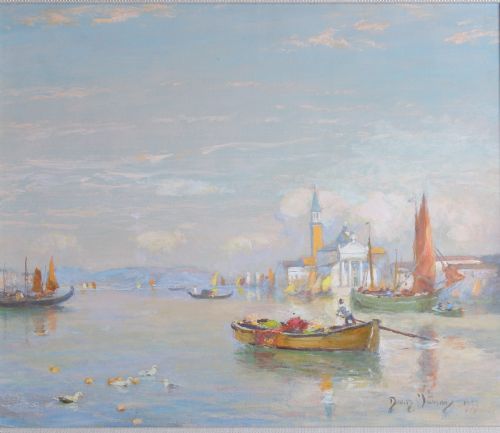
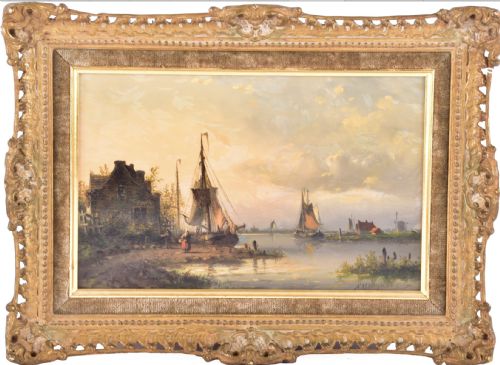
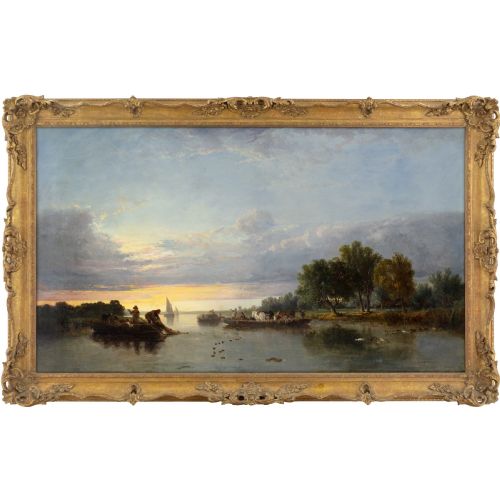
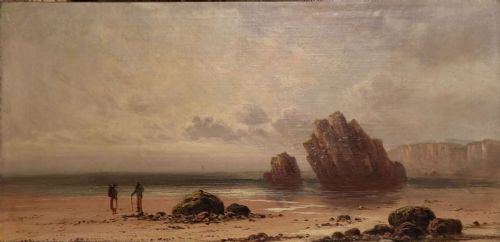
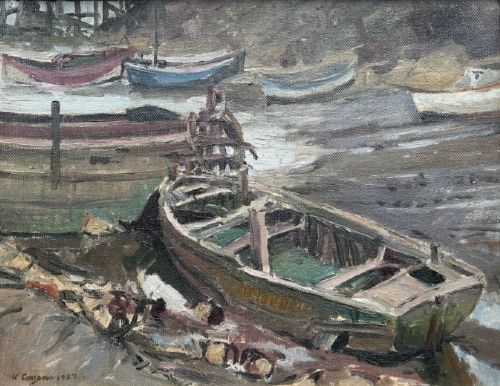
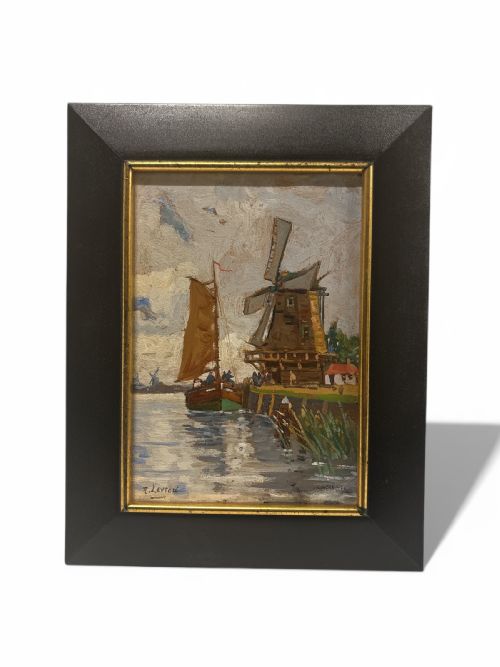
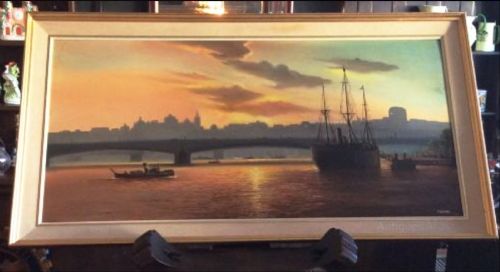
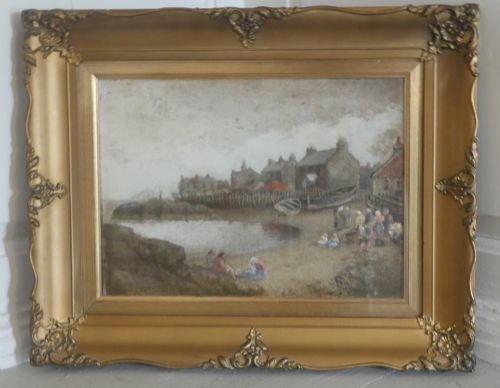
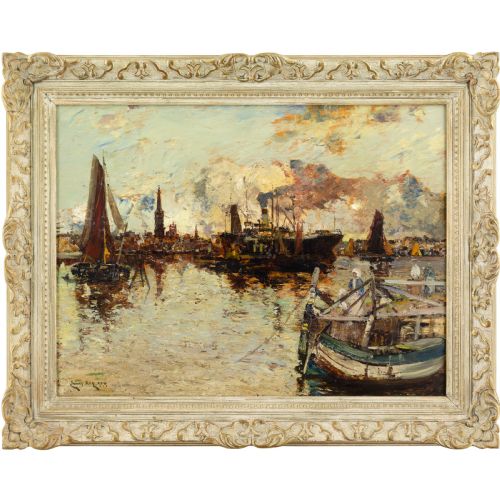
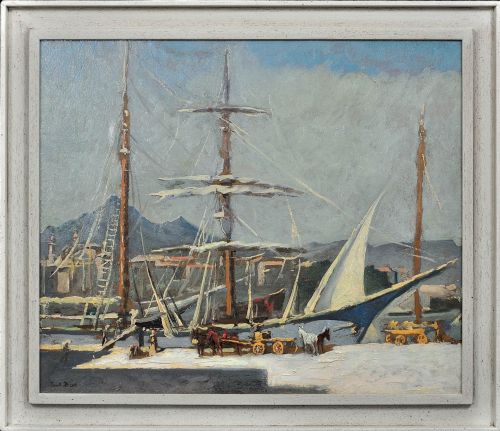
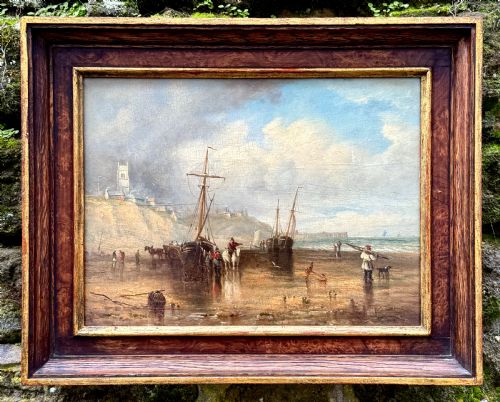
A maritime scene oil artwork captures the movement of water and light, bringing historic coastal life and open seas into a room.
Maritime Scene Oil Artwork
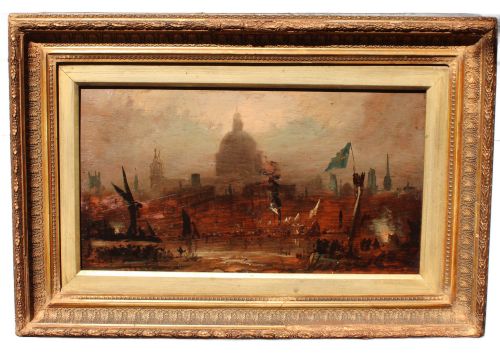
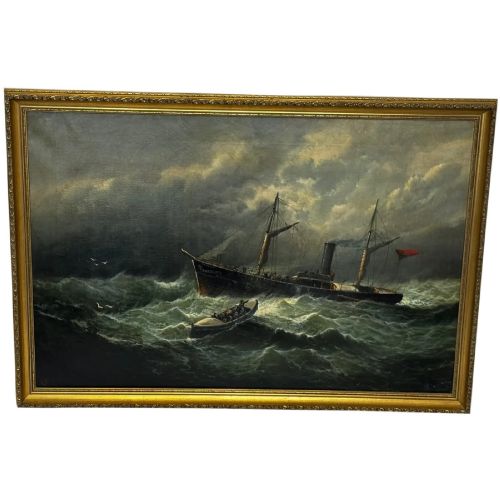
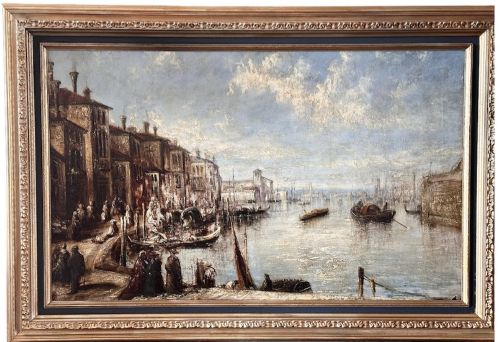
A maritime scene oil artwork encompasses paintings depicting coastal views, bustling harbours, river traffic and turbulent open seas. The selection on this page leans heavily towards nineteenth-century works, alongside early twentieth-century examples extending into the nineteen-fifties and sixties.
The subjects range from tranquil depictions of Thames barges and Venetian canals to dramatic coastal rescue scenes and stormy waters with fishing boats. Painters recorded specific locations such as the River Tyne, Port Erin and the Pool of London, alongside continental harbours in France and Italy.
Buyers will encounter works executed on canvas, wood panels and board, frequently retained within their original gilt wood and gesso frames. These pieces vary in scale from intimate oil studies to expansive nineteenth-century canvases.
Materials and Technique
Artists painted primarily with oil paint applied to prepared canvas stretched over wooden frames, or directly onto wooden panels and board. Oil paint provided the slow drying time needed to blend subtle shifts in tone across sky and water.
Moulded gesso on wood formed the decorative frames, which were then gilded to complement the rich pigments of the marine subjects. Brushwork varies from tight, academic precision in early nineteenth-century works to looser, impressionistic strokes in later pieces.
Listings feature works spanning from the seventeenth century through the Victorian era to the mid-twentieth century, executed on canvas, wood and board.
Evaluating Quality
Quality in these paintings rests on the artist's command of light, atmosphere and the specific weight of water and sky. Superior works convey convincing movement and spatial depth, whereas weaker examples present stiff vessels and flat, unconvincing waves.
The handling of the medium distinguishes accomplished painters from amateurs, particularly in the rendering of shifting weather and atmospheric haze. Original period frames that match the age and scale of the canvas also elevate the integrity of the piece.
Kenneth Cozens·Francis Moltino·Thomas Creswick·Abraham Cooper·John Holland·Bernard Benedict Hemy·Abraham Hulk I·William Edward Webb·Gyrth Russell·Raymond Picque·Gustave De Bréanski·Edward Henry Eugene Fletcher
The Maritime Scene Oil Artwork Glossary
- Gesso
- A plaster-like mixture applied to wooden frames as a base for gilding. It was often moulded into ornate decorative patterns.
- Seascape
- A painting depicting the sea, coastal views or marine activity. These works focus centrally on water, weather and maritime vessels.
- Impressionism
- A style of painting emphasising unblended brush strokes and the play of natural light. It emerged strongly in late nineteenth-century marine art.
- Giltwood
- Wood that has been coated with a thin layer of gold leaf or gilt paint. This finish was standard for framing nineteenth-century oil paintings.
Maritime Scene Oil Artwork: Frequently Asked Questions
How do I clean an old oil painting?
Surface dust can be removed gently with a very soft, dry brush, taking care around areas of craquelure or flaking paint. Professional conservation should be sought for any deeper cleaning or removal of discoloured varnish.
Avoid using water, household cleaners or chemical solvents on the painted surface. Professional restorers use specialised techniques to protect the original pigment layers.
Are these paintings supplied with frames?
Many listings include period frames, such as moulded giltwood or gesso designs that match the era of the canvas. Review the individual description to confirm whether the specific artwork is sold framed.
Frames often show signs of age and minor losses, which many collectors prefer as evidence of history. Restoration of the frame is occasionally noted if structural repairs were required.
How do I date a maritime oil painting?
Dating relies on stylistic evidence, artist signatures, costume details of figures on the shore, and the type of vessels depicted. Technical clues such as the canvas weave and stretcher construction also offer chronological markers.
Written inscriptions on the reverse of the canvas or board frequently record titles, dates or the artist's name. Comparison with documented works by the same school or maker helps narrow the period further.
Where should I hang a marine artwork?
These works require stable environmental conditions away from direct sunlight and excessive humidity. Direct heat sources like radiators can dry out canvas and cause paint to crack.
Well-lit interior walls with indirect natural light allow the subtle tones of oil paint and the detail of gilt frames to be appreciated properly. Secure wall fixings are essential given the weight of larger framed canvases.