


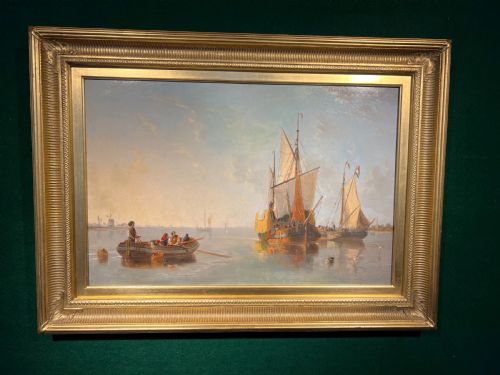
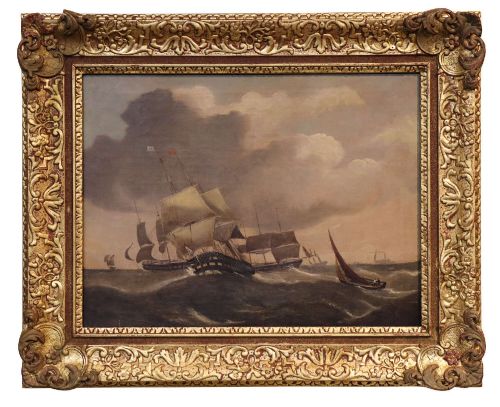
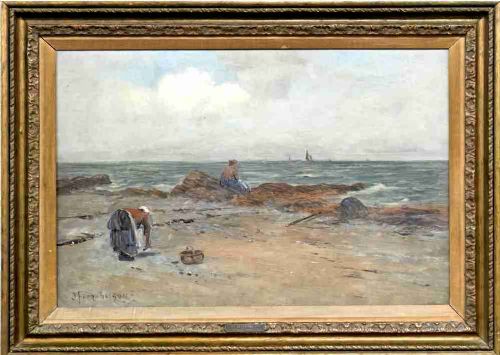
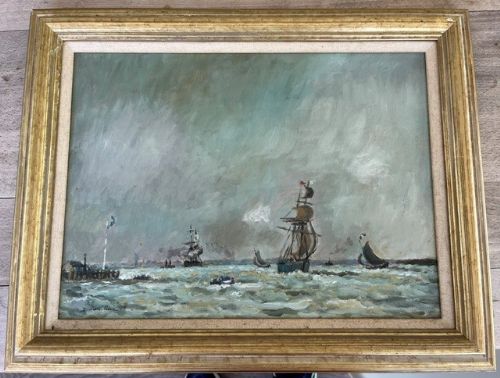
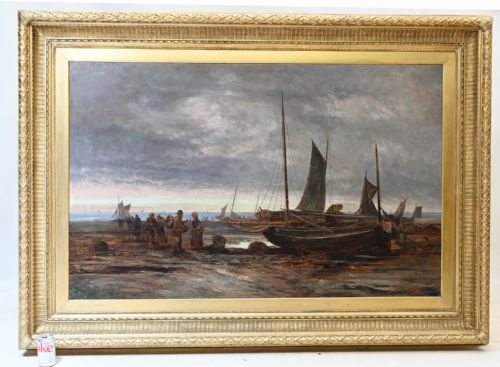

Maritime Oil Picture Frame
A maritime oil picture frame brings together canvas and sea, housing works from nineteenth-century galleons to mid-century coastal harbours.
Maritime Oil Picture Frame
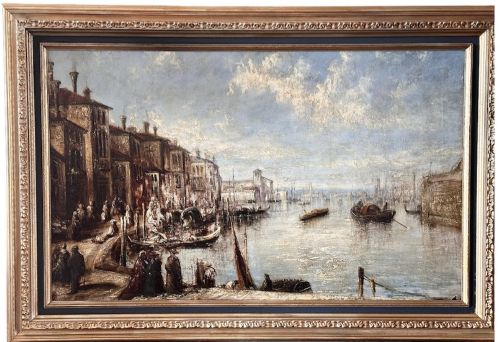
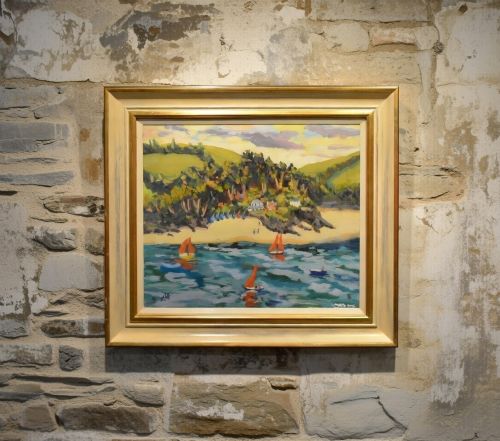
A maritime oil picture frame unites an oil painting on canvas or board with a period surround, capturing seascapes, coastal scenes and shipping subjects. These works span the nineteenth century through the Edwardian era into the mid-twentieth century.
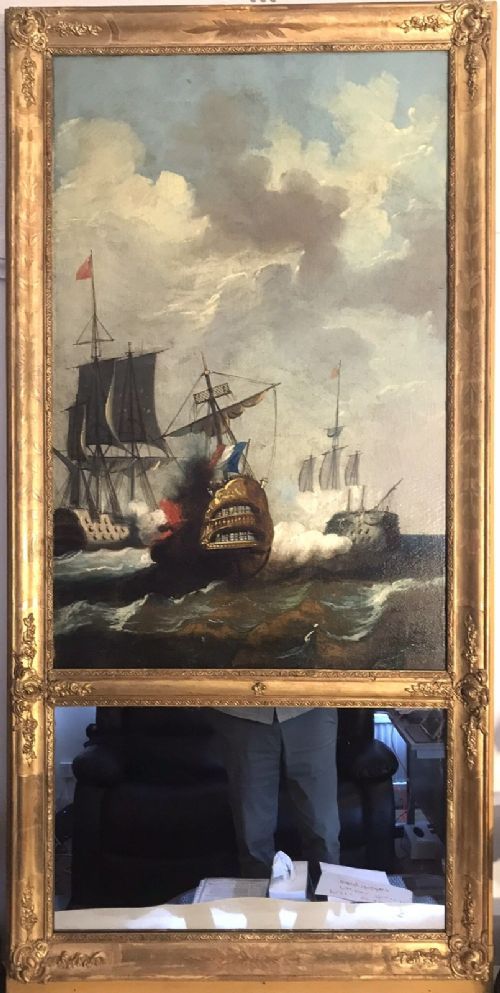
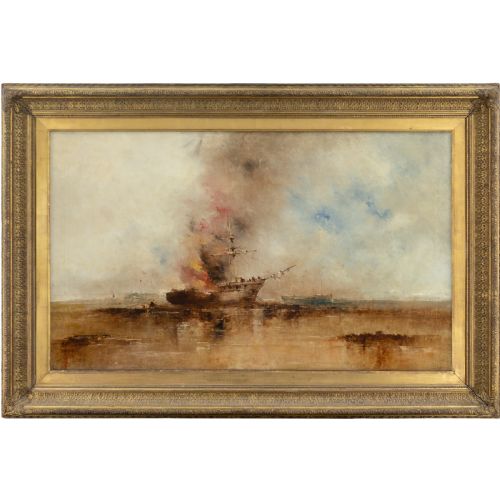
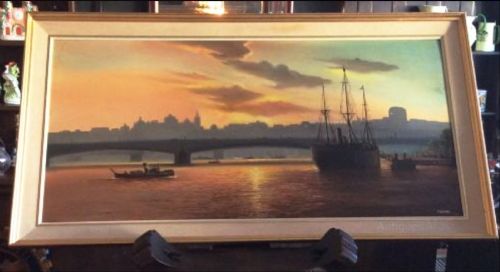
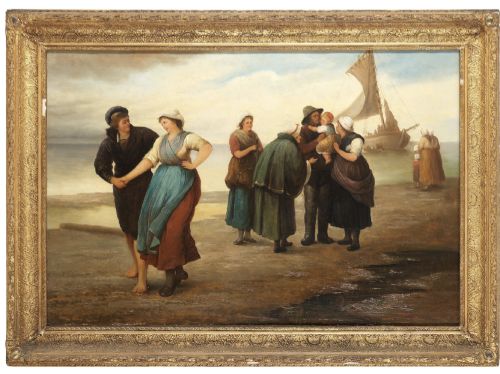
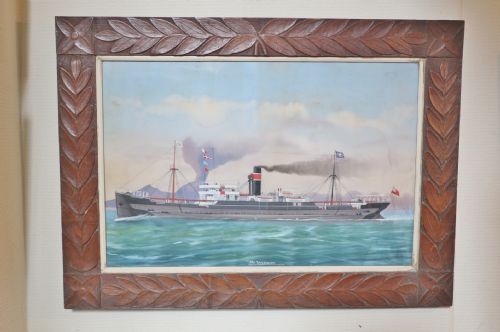
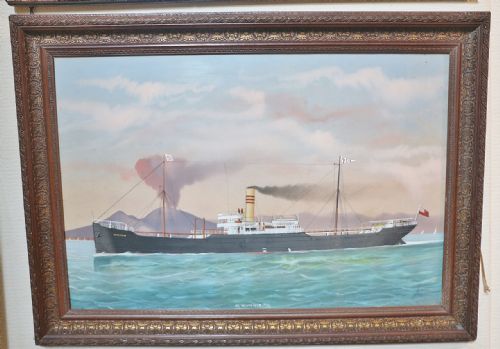
The most common pieces on this page are Victorian oil paintings depicting heavy seas, coastal harbours and sailing vessels set within giltwood or gesso frames. Alongside these, buyers find French trumeau mirrors incorporating seascapes and twentieth-century impressions of shipping.
Subjects range from British coastal views and royal yachts to Venetian lagoons and foreign ports. The framing often matches the period of the canvas, completing the visual historical context.
Materials and Construction
Canvases are stretched over wooden frames and painted in oil, utilising pigment bound in drying oils to capture light on water and sky. Wood provides the underlying structure for both the painting stretcher and the decorative picture frame.
Giltwood and gesso form the ornate surrounds typical of the Victorian and Edwardian periods, moulded and gilded to complement the maritime subject. Some pieces incorporate painted wooden panels, as seen in French trumeau mirrors.
Several paintings capture steamships chugging past Italian coasts, proving that nineteenth-century mariners also suffered from smoky commutes.
Quality Variations
The handling of light, water and atmospheric conditions separates accomplished marine art from routine studio production. Masterful brushwork conveys the movement of waves and the rigging of vessels with precision.
The integration of the frame and canvas dictates overall integrity, where original gesso mouldings and period gilding complement the artistic merit of the painting within.
William McAlpine·Francis Moltino·John Wilson Carmichael·Joseph Farquharson·Charles William Wyllie·Charles Napier Hemy·Gyrth Russell·James Webb·Jane Vivian·William Raymond Dommersen·Alfred Henry Vickers·George Henry Knight
The Maritime Oil Picture Frame Glossary
- Gesso
- A plaster-like mixture applied to wood frames to create a smooth surface for gilding. This material allows for intricate moulded decoration.
- Giltwood
- Wood carved and covered with a thin layer of gold leaf or gold paint. It provides a reflective border for oil paintings.
- Trumeau
- A decorative wall mirror incorporating a painted panel above the glass. In maritime examples, this panel depicts a seascape or naval subject.
- Impasto
- Paint applied thickly to a canvas so that it stands out from the surface. This technique adds texture to depictions of rough seas and clouds.
Maritime Oil Picture Frame: Frequently Asked Questions
How do I identify a Victorian maritime painting?
Victorian maritime paintings often feature detailed rigging, steamships or sailing vessels in heavy seas, typically rendered on canvas.
They are commonly housed in heavy giltwood and gesso frames that reflect the decorative tastes of the nineteenth century.
Are the frames original to the paintings?
Many pieces retain their original period frames, particularly those from the Victorian and Edwardian eras.
Matching the style and wear of the gesso helps determine if the frame and canvas have remained together.
What subjects appear in these maritime scenes?
Subjects include British coastal views, naval ships, lighthouses and international harbours such as Venice and Naples.
Artists also recorded specific vessels, royal yachts and working craft like fishing boats and barges.
How should I care for an oil painting and frame?
Keep oil paintings away from direct sunlight and fluctuating humidity to protect both the canvas and the oil paint.
Dust giltwood frames gently with a dry, soft brush to preserve the delicate gesso and gilding without moisture.