


Maritime Harbor Scene
When you search for a maritime harbour scene, you encounter coastal ports, fishing boats, and bustling docks captured across the nineteenth and twentieth centuries.
Maritime Harbor Scene
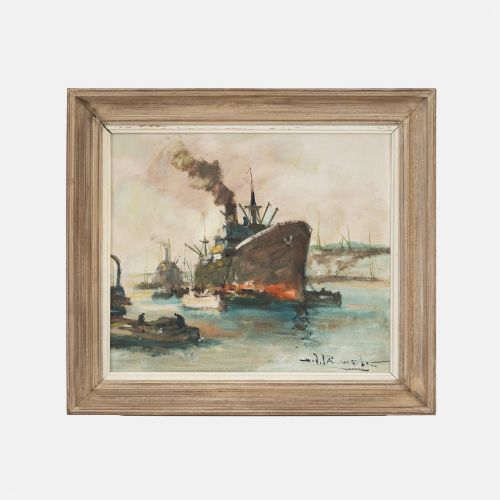
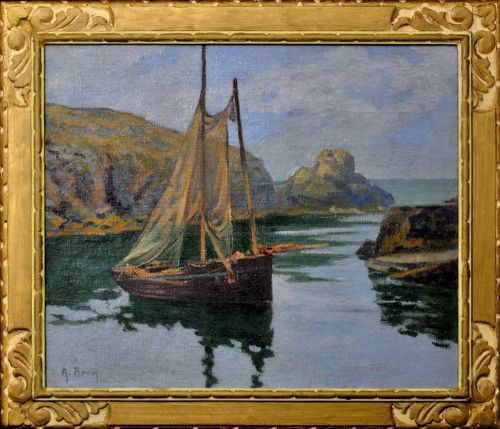
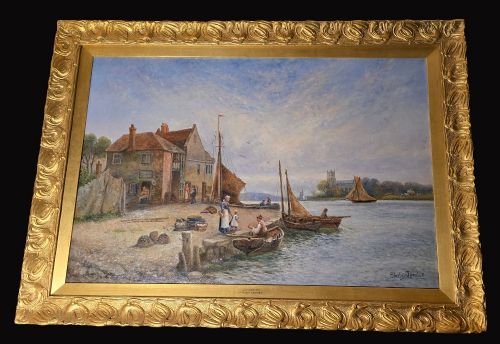
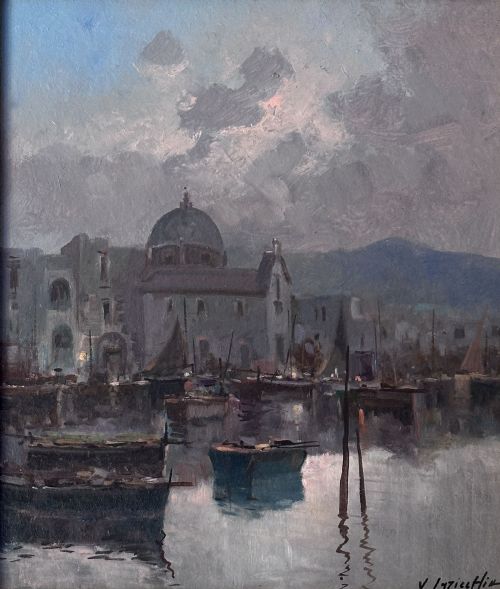
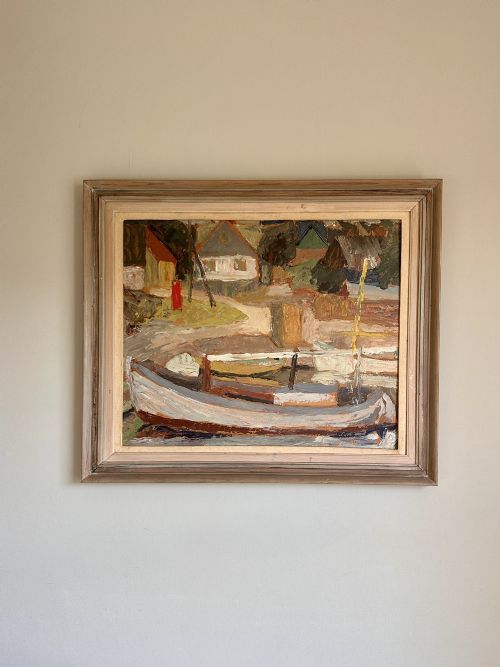
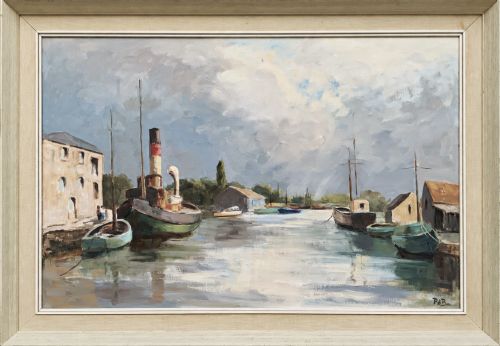
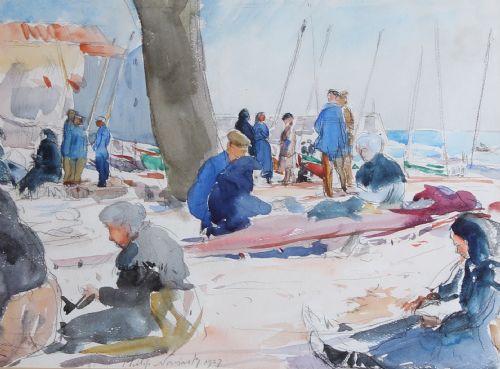
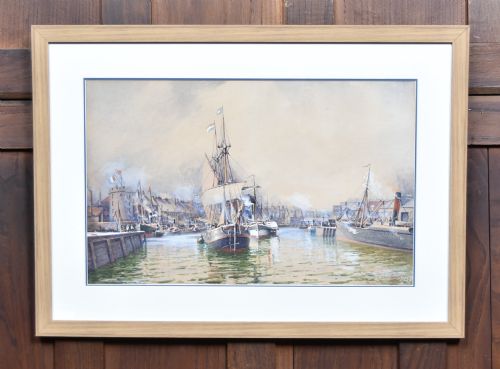
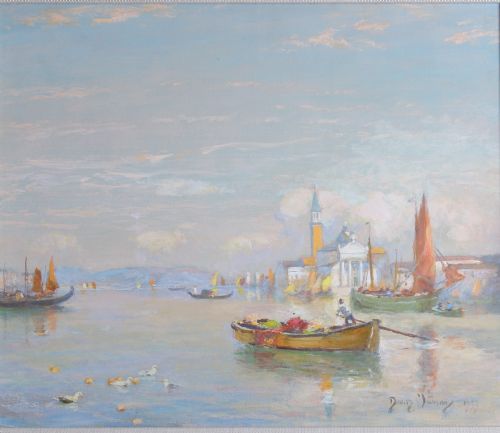
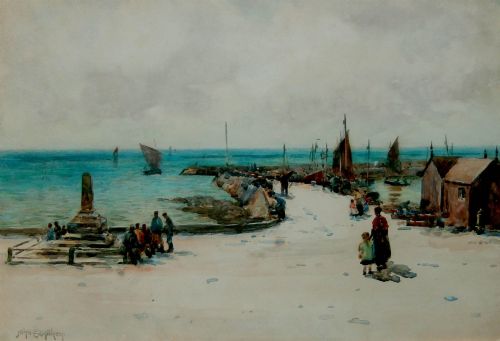
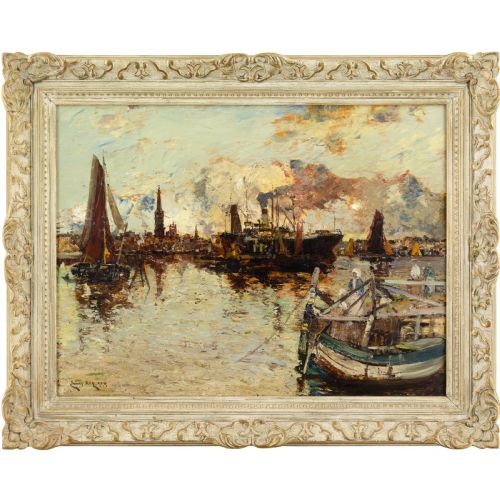
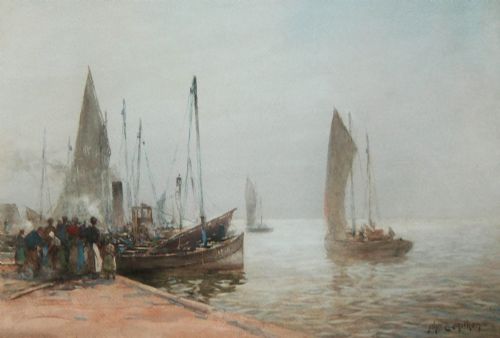
A maritime harbour scene captures the working life of coastal ports, fishing villages, and tidal quays across Britain and continental Europe. These works record bustling docks, moored vessels, and coastal figures during periods ranging from the Victorian era through the mid-twentieth century. The selection includes works by named British and European painters working in realist, impressionist, and early modernist styles.
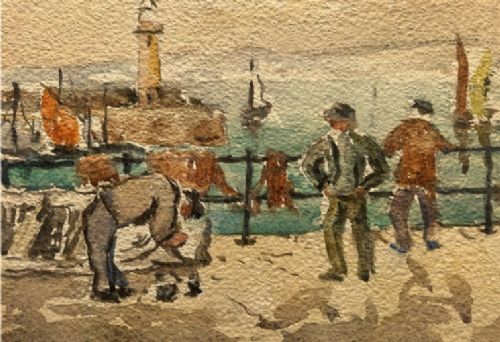
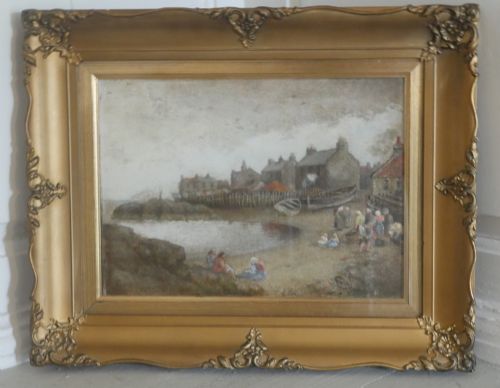
You are most likely to meet original watercolours and oil paintings on canvas or board depicting familiar fishing ports such as St Ives, Whitby, and various European harbours. These pieces span traditional Victorian depictions to mid-century abstract interpretations, reflecting changing artistic approaches to coastal light and maritime activity. The common thread is a direct engagement with the daily routines of boats, tides, and quasides.
Materials and Technique
Artists record these coastal views primarily using oil paint on canvas or board, and transparent watercolour on paper. Oil paintings allow for layered textures of sea and sky, whilst watercolours rely on the bright white of the paper to capture the luminosity of coastal light.
Surviving works frequently retain their original gilt or wooden frames, which protect the edges of the canvas or the delicate surface of the paper. Painters apply pigments with varying brushwork, from the tight detail of nineteenth-century topographical views to the looser, atmospheric strokes of later impressionist approaches.
Maritime Harbor Scene Retail Price Guide 2026
Typical asking prices for maritime harbor scene among the pieces listed under this phrase on Sellingantiques today, from the lower quarter to the upper quarter. They describe what is for sale here now, not the wider market.
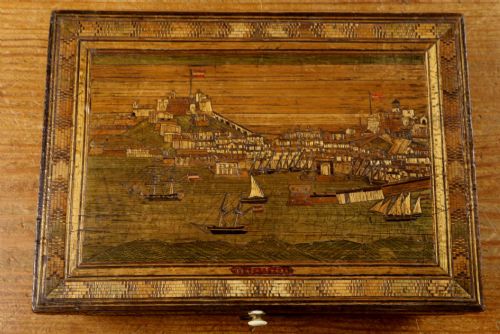
Materials utilised by the artists represented here include oil on canvas, oil on board, watercolour on paper, and straw work.
Judging Quality
Quality rests in the artist's command of light, atmosphere, and spatial depth rather than the mere recording of topographical detail. Stronger works convey the movement of water and the weight of vessels through confident, decisive brushwork or fluid watercolour washes.
The relationship between the architectural elements of the harbour and the natural expanse of sea and sky dictates the visual balance of the composition. Weaker pieces often rely on stiff outlines and flat colour application, whereas accomplished examples demonstrate an innate understanding of maritime scale and coastal atmosphere.
Stanley Leader·George F Pennington·Philip Naviasky·Sir David Murray RA·James Kay RSW·William Lee Hankey
The Maritime Harbor Scene Glossary
- Watercolour
- A paint consisting of a pigment suspended in a water-soluble vehicle, traditionally applied to paper to create luminous, transparent washes.
- Oil on Canvas
- A technique where oil paint is applied to a stretched woven fabric support, allowing for rich textures and deep colour saturation.
- Impressionism
- An artistic style characterised by relatively small, thin, yet visible brush strokes and an emphasis on accurate depiction of light.
- Seascape
- A work of art that depicts the sea, building upon maritime traditions to focus on coastal waters, weather, and shipping.
Maritime Harbor Scene: Frequently Asked Questions
What periods do these maritime paintings come from?
The available works range from nineteenth-century Victorian pieces and Edwardian scenes up to mid-twentieth-century modernist interpretations.
Most examples date between the late eighteen-hundreds and the nineteen-fifties, reflecting shifts in British and European painting styles over time.
How were these coastal scenes typically displayed?
Painters and collectors usually housed these oil paintings and watercolours in dedicated wooden or gilt frames to protect the edges and complement the subject matter.
Many surviving pieces retain these period frames, which help date the artwork and define its original context.
Where did the artists find their subjects?
Makers travelled to active fishing ports, commercial docks, and tidal havens around Britain, France, Italy, and Belgium to record local maritime life.
Frequent locations include Cornish fishing villages like St Ives, Yorkshire ports such as Whitby, and various European harbours.
How do watercolours and oil paintings differ?
Watercolours utilise transparent washes on paper to capture bright coastal light, whilst oil paints on canvas or board offer heavier textures and deeper colour mixing.
Both mediums served artists well in recording the shifting conditions of sea, sky, and harbour architecture.