


Marine Shipping Painting
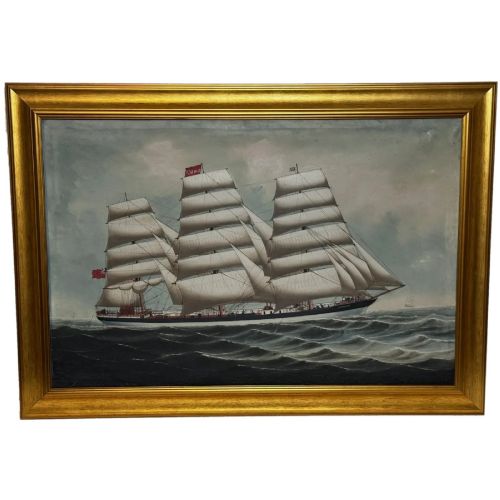
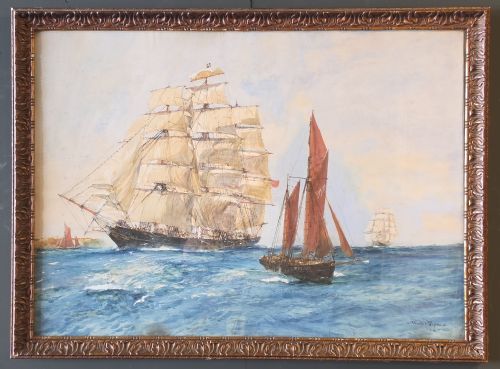
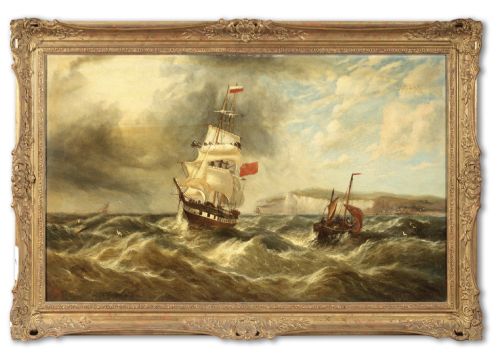
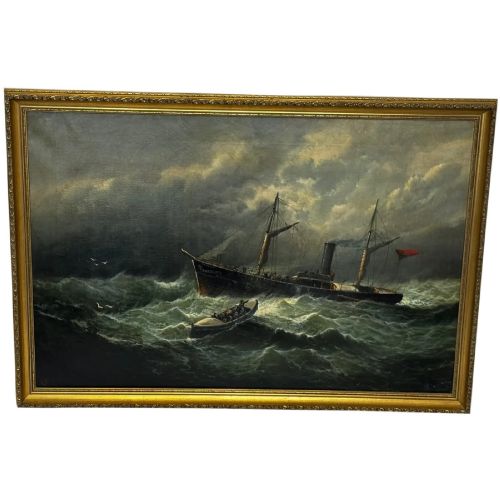
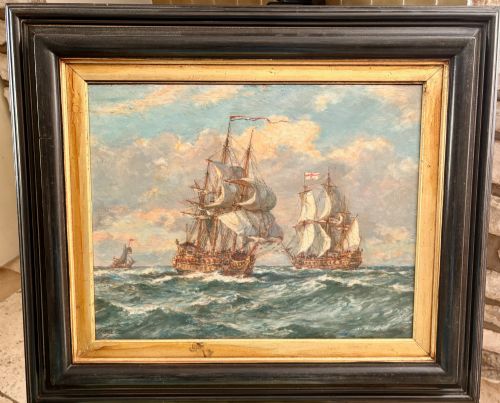
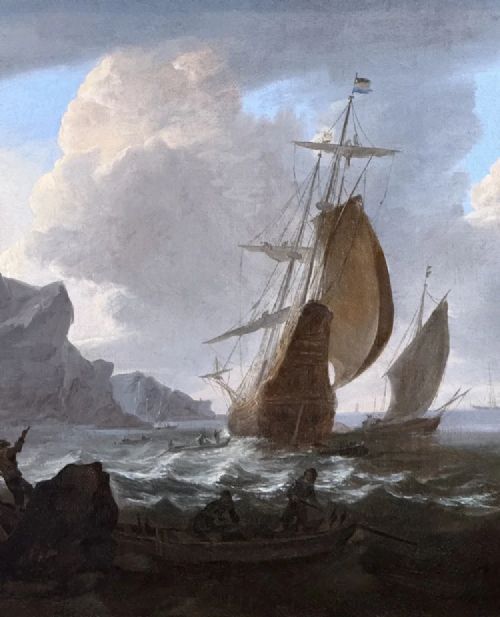
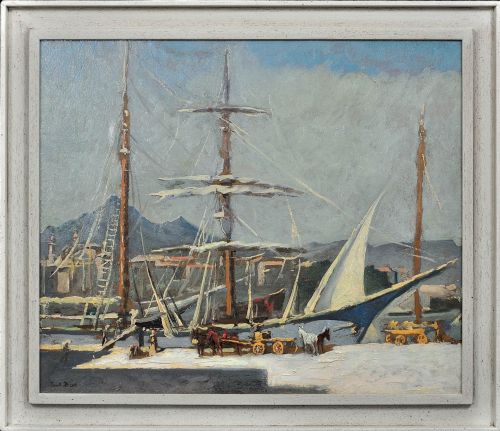
When you search for a marine shipping painting, you are looking at historical depictions of naval vessels, merchant ships, and coastal harbours.
Marine Shipping Painting
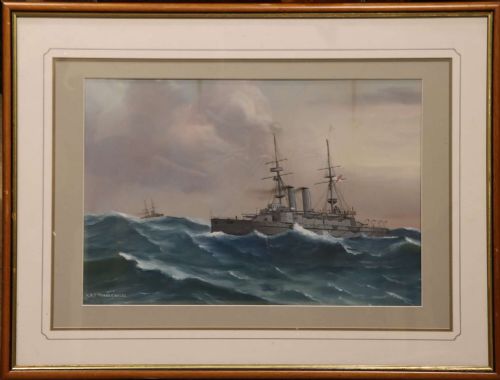
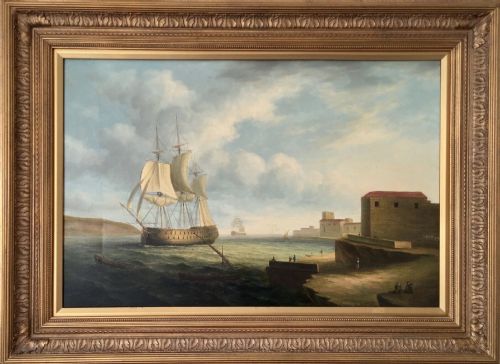
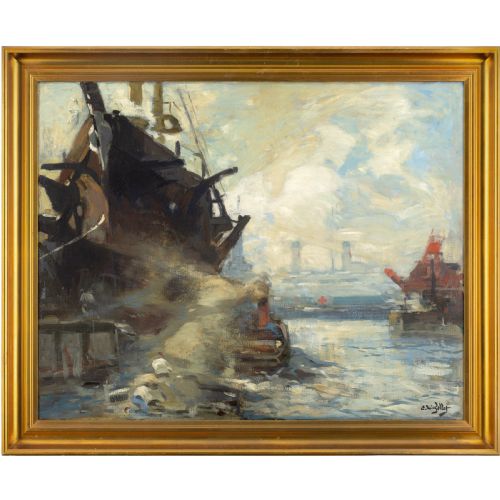
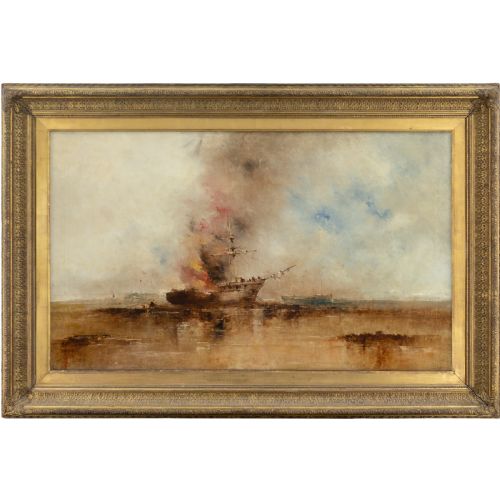
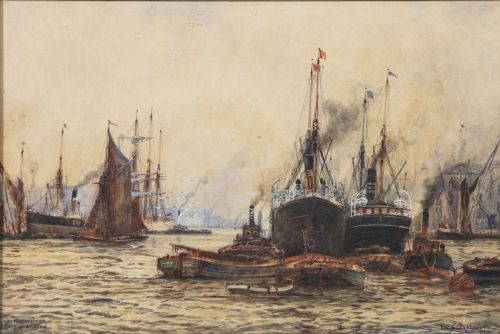
A marine shipping painting captures vessels at sea, ranging from galleons and three-masted schooners to Victorian steamships and Edwardian barques. These works record maritime activity, naval engagements, and harbour scenes across various coastal locations.
The pieces on this page span the nineteenth century, the Edwardian era, and the mid-twentieth century. Buyers frequently encounter oil paintings on canvas or panel alongside framed watercolours and gouache works.
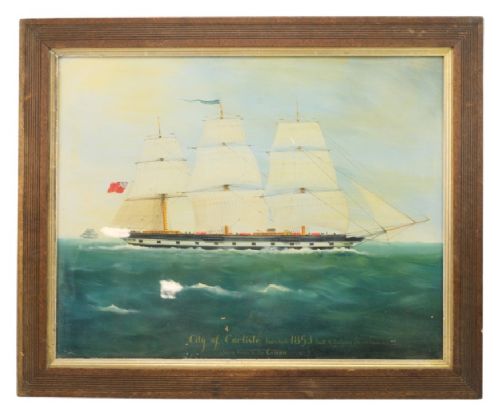
Subjects include specific named vessels such as the City of Carlisle or the S.S. Greyhound, alongside broader coastal views and stormy gale scenes. Works often focus on named ports and identifiable locations like Valletta Harbour, Dublin Bay, or the River Thames.
Materials and methods
Artists utilised oil paint on canvas or wooden panel to build rich, textured depictions of turbulent water and shifting skies. Watercolour and gouache on paper offer finer detail for ship rigging and architectural harbour elements.
Many surviving works are housed in period gilt frames that complement the maritime subject matter. Certain pieces incorporate three-dimensional elements, such as shadow boxes and dioramas featuring detailed model shipping.
Listings feature works in oil on canvas, watercolour, gouache, and wood panel across the nineteenth and twentieth centuries.
Distinctions in quality
Quality rests upon the artist's command of maritime architecture, rigging accuracy, and the behaviour of water in calm or gale conditions. Stronger works demonstrate a confident handling of light and atmosphere over sea and sky.
The documentary value of a piece influences its standing, particularly when named vessels, specific historical events, or documented artists are involved.
Eugène-Louis Gillot·William McAlpine·Reginald Arthur Borstel·Charles Edward Dixon·John Rose Miles·William Broome·Bernard Gribble·Bonaventura Peeters·Frank William Scarbrough·F. Corpuz·Paul Bret·Bernard Benedict Hemy·TB Hardy·John Wilson Carmichael·Lai Fong·Nicholas Condy·Richard B. Spencer·Alexander Harwood·Frank Kelsey·Abraham Hulk I·William Frederick Settle·Charles William Wyllie·Charles William Adderton·Eric Tufnell·Vincenzo D’Esposito
The Marine Shipping Painting Glossary
- Barque
- A sailing ship with three or more masts having the fore- and mainmasts square-rigged and the mizzenmast fore-and-aft rigged. This rig was common for merchant vessels during the nineteenth century.
- Gouache
- An opaque watercolour paint consisting of pigment combined with a binding agent. It provides solid areas of colour and sharp detail in maritime works on paper or board.
- Panel
- A rigid support for oil painting, typically made of wood. Panels provide a stable surface that often predates the widespread adoption of canvas.
- Seascape
- A work of art depicting the sea, coastal views, or shipping vessels. These scenes emphasise open water, weather conditions, and maritime traffic.
- Shadow box
- A deep, framed glass-fronted container displaying a diorama of a ship. These three-dimensional constructions often combine painted backgrounds with carved or modelled hulls and rigging.
Marine Shipping Painting: Frequently Asked Questions
What periods do these paintings come from?
The selection spans from the seventeenth century through the Victorian and Edwardian eras into the mid-twentieth century. Most examples originate from the nineteenth and early twentieth centuries.
Works reflect the prevailing artistic styles and maritime technologies of their respective decades, from wooden sailing ships to steam-powered vessels.
How do I identify the ship in a painting?
Many works include inscriptions on the reverse, contemporary framing labels, or painted identifiers on the hull or flag. Documentation often records the name of the vessel, the builder, or the specific port.
Researching the registry or historical records of named ships helps connect the artwork to a specific maritime event or trade route.
Where should I hang a marine painting?
These works suit traditional studies, living spaces, or hallways with stable environmental conditions. Avoid placing paper-based watercolours and gouaches in direct sunlight to prevent fading.
Pairing a framed oil painting or diorama with traditional interior decor allows the gilt frames and maritime subjects to stand out.
Are these works signed by the artist?
Signatures appear on a portion of the listings, often located in the lower corners of the canvas, panel, or paper. Unsigned pieces are frequently attributed to specific schools or circles based on technique and subject matter.
Both signed works by documented artists and unattributed period pieces offer insight into historical maritime art.