


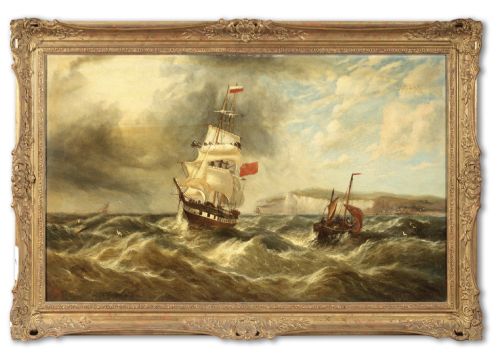
Marine Ship Painting
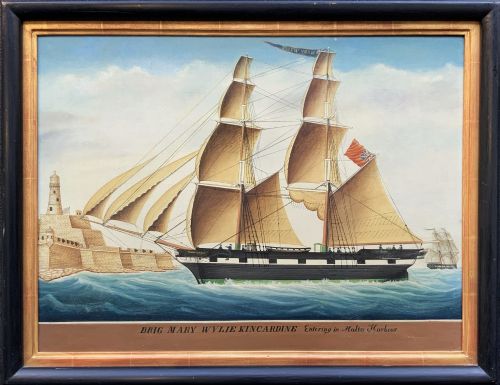
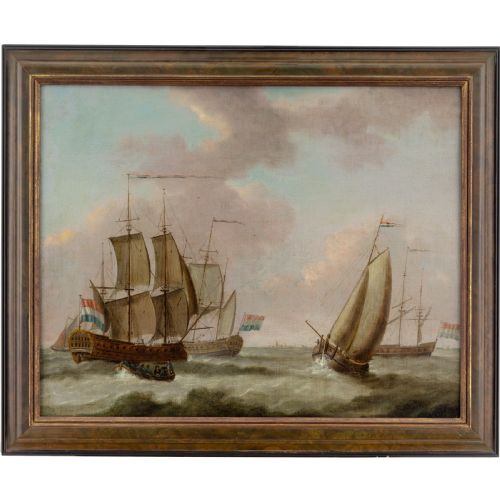
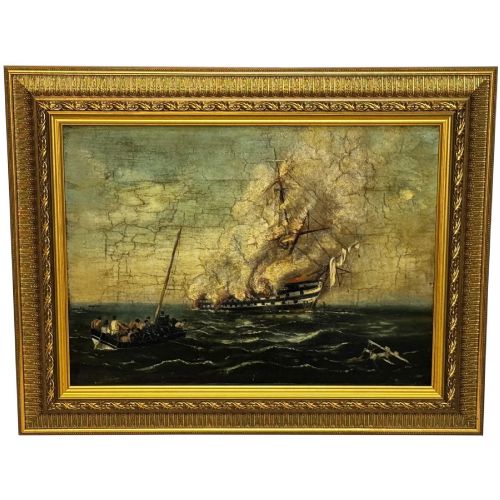
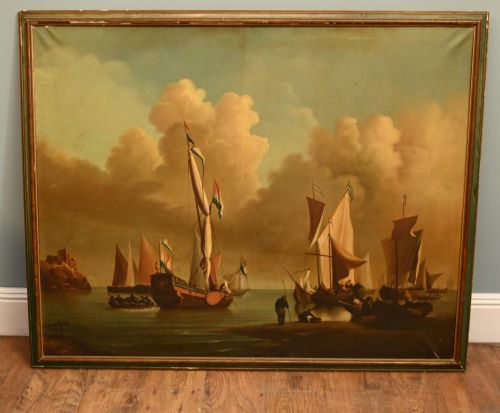
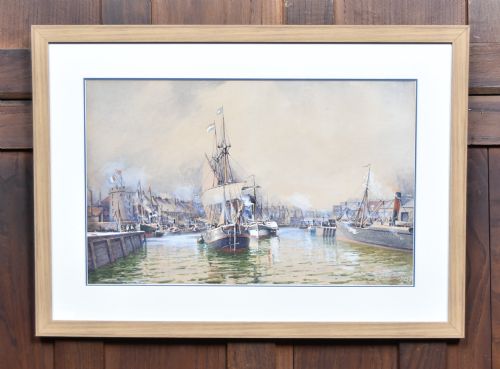
A marine ship painting captures the power of historical vessels and coastal waters through oils, watercolours and gouache.
Marine Ship Painting
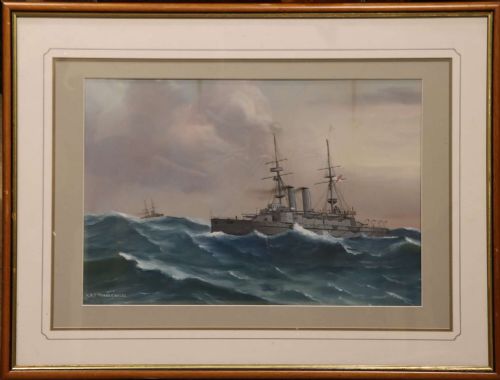
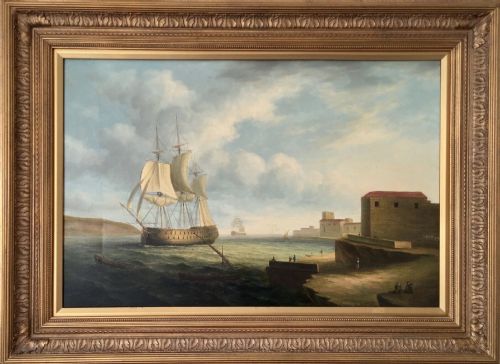
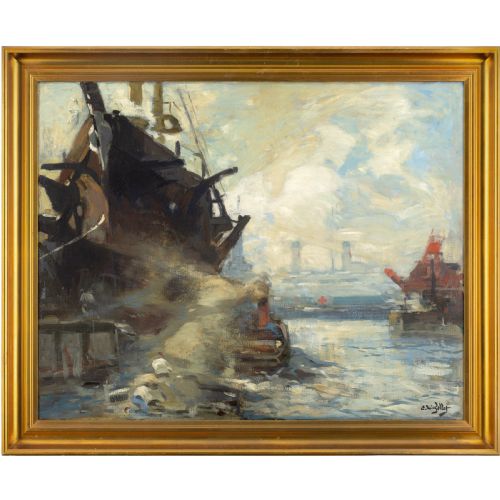
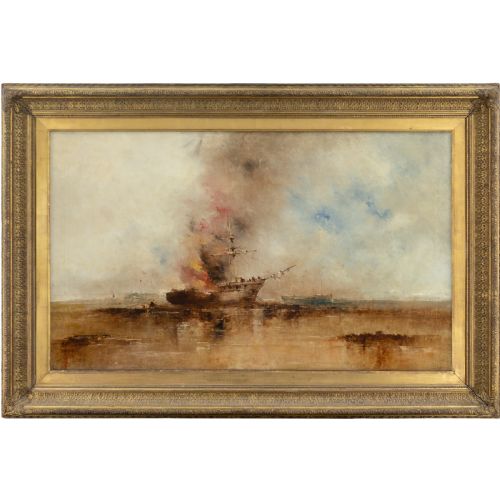
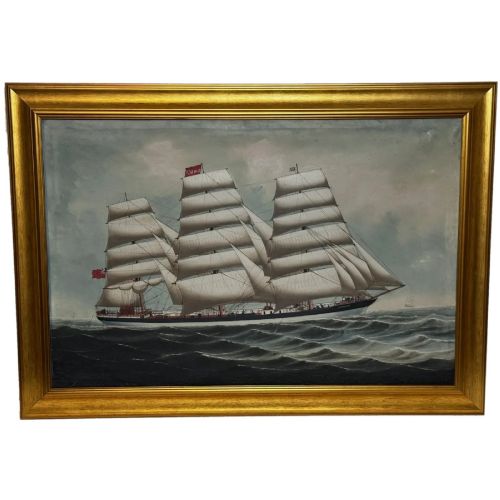
A marine ship painting documents vessels ranging from three-masted wooden barques and war galleons to early twentieth-century steamships and hospital ships. These works record maritime heritage, coastal scenes and naval engagements across several centuries.
Most pieces encountered on this page originate from the nineteenth and early twentieth centuries, spanning Victorian and Edwardian maritime traditions. Creators include identified marine specialists and regional British or European schools.
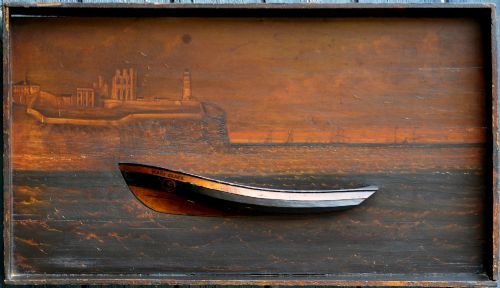
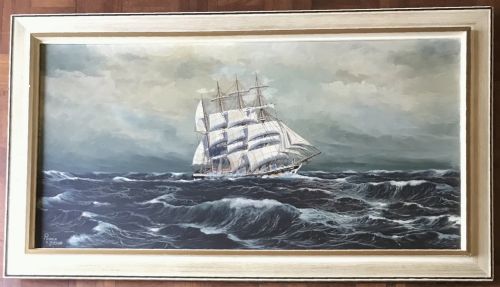
Formats vary from detailed oil on canvas and panel works to delicate watercolours, gouache studies and dimensional dioramas or shadow boxes. Subjects span calm harbour anchorages, dramatic storms at sea, and working vessels in port.
Materials and methods
Artists relied primarily on oil paint applied to stretched canvas, wooden panels or board to build up rich coastal light and heavy seas. Watercolours and gouache on paper offer a lighter alternative, often capturing delicate atmospheric conditions in harbours.
Many surviving works retain their original gilt frames, which complement the maritime subject matter. Supporting structures range from traditional wood stretchers to detailed model shadow boxes incorporating physical materials.
At least one meticulous diorama preserves a tiny clipper ship forever locked in a frozen paper-mâché sea.
Distinguishing finer works
Quality rests upon the artist's precise understanding of naval architecture, rigging and maritime movement against the water. The handling of natural light, weather conditions and atmospheric depth separates competent records from exceptional artistic achievements.
The condition of the pigment, stability of the canvas or paper support, and the presence of original framing contribute significantly to a piece's integrity. Signed works and documented attributions to established marine painters command particular regard.
James Hardy·Eugène-Louis Gillot·William McAlpine·Charles Edward Dixon·Bonaventura Peeters·John Wilson Carmichael·Abraham Hulk I·Charles William Wyllie
The Marine Ship Painting Glossary
- Gouache
- An opaque watercolour paint that dries to a matte finish, often used to add bright highlights to maritime watercolours.
- Barque
- A sailing vessel with three or more masts having square sails on the fore and mainmasts and fore-and-aft sails on the mizzenmast.
- Diorama
- A three-dimensional scene, in this context often featuring a detailed model ship set within a painted maritime backdrop.
- Seascape
- A work of art depicting the sea, coastal views or ships navigating open waters.
- Provenance
- The documented history of ownership that helps authenticate an older painting or maritime artwork.
Marine Ship Painting: Frequently Asked Questions
What periods do these paintings cover?
The available works span from the seventeenth century through the Victorian and Edwardian eras up to the mid-twentieth century. Most examples date from the nineteenth and early twentieth centuries.
Creators range from seventeenth-century Dutch masters to twentieth-century naval officers and professional marine artists recording steam and sail.
How were these maritime scenes used?
Historically, ship paintings were commissioned by shipowners, captains and naval officers to document specific vessels, notable voyages or dramatic naval battles. They served as proud records of maritime commerce and national naval power.
Over time, these artworks transitioned into decorative domestic pieces valued for their historical connection to seafaring heritage and coastal life.
How do I live with and care for a marine painting?
Display these works away from direct sunlight and excessive humidity to protect oil pigments, watercolours and paper supports. Maintaining stable room temperatures preserves both the canvas and any original gilt framing.
Dust watercolours and glazed pieces gently with a soft brush, and consult a professional conservator before attempting any cleaning of older oil surfaces.
How can I tell different painting types apart?
Examine the medium and support to distinguish between oil on canvas, delicate watercolours on paper and opaque gouache works. Oil paintings generally display heavier texture and built-up brushwork, whereas watercolours rely on paper transparency.
Subject matter and rigging details also help identify specific eras, separating wooden sailing barques from later nineteenth-century iron clippers and twentieth-century steamships.