


Marine Portrait Painting
A marine portrait painting captures a specific vessel or harbour scene with meticulous detail, offering a tangible connection to maritime history for collectors of nautical art.
Marine Portrait Painting
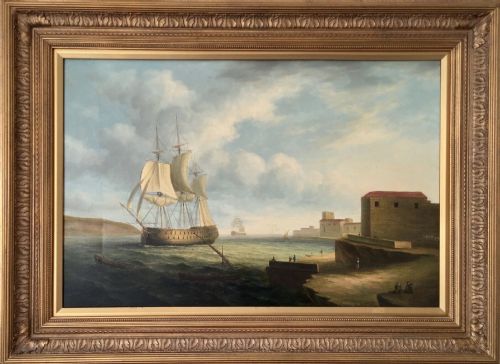
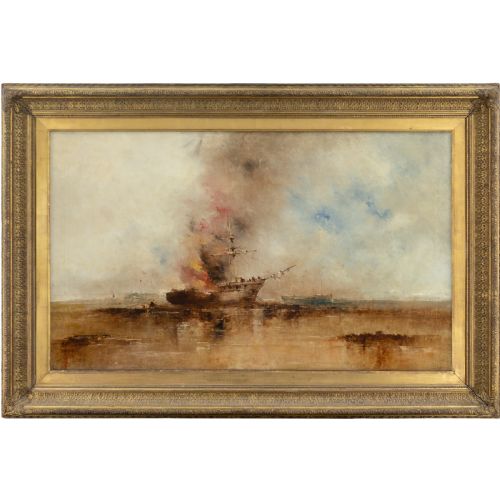
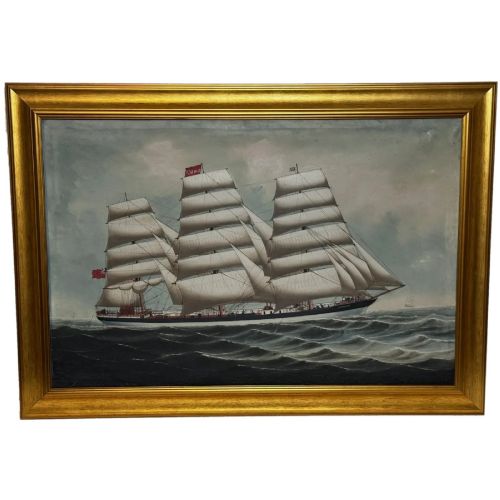
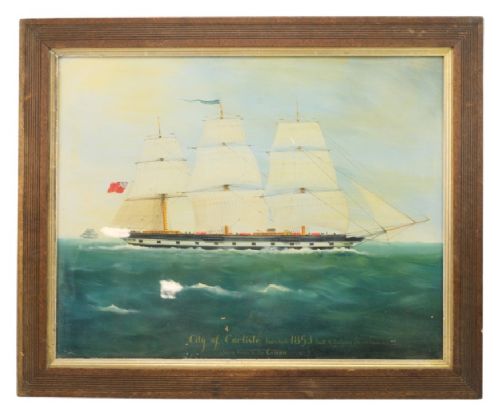
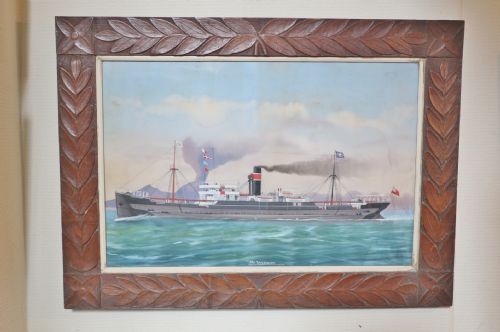
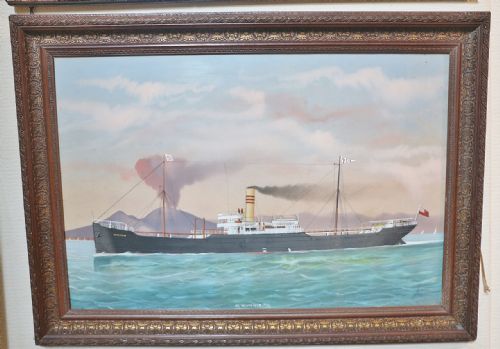
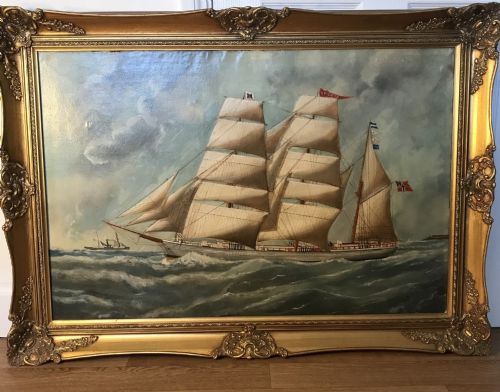
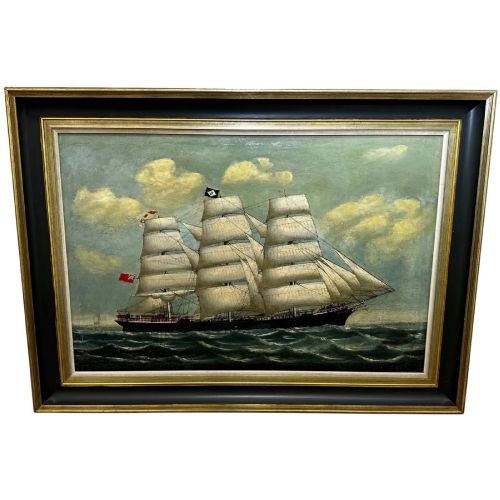
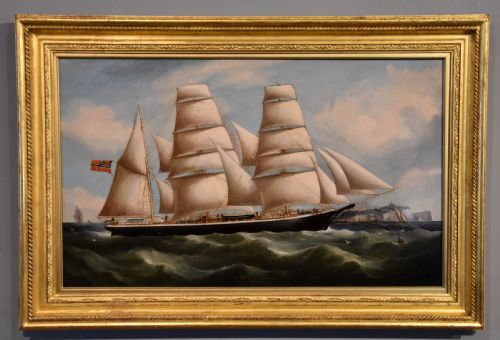
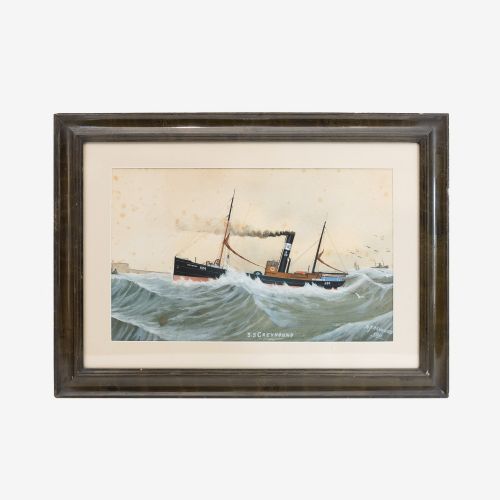
A marine portrait painting depicts individual named vessels, naval ships, and coastal scenes across Victorian, Edwardian, and twentieth-century periods. These works frequently document specific historical ships, such as clippers, barques, and steamships, often shown near notable ports or in heavy seas.
The selection ranges from nineteenth-century oil canvases and panels to works executed in watercolour and gouache on paper. Buyers frequently encounter pieces produced by regional British, European, and Anglo-Chinese hands that record commercial vessels and naval fleets.
Subjects extend beyond pure vessel portraits to include pierhead paintings and sentimental tributes created by sailors or specialised marine artists. These depictions preserve the specific rigging, flags, and structural characteristics of individual ships from distinct eras.
Materials and execution
Makers utilised oil paint on canvas or wood panels, alongside watercolour and gouache on paper, housed within traditional wooden and giltwood frames. Gold leaf accents frequently enhance the framing of these detailed maritime works.
Artists applied pigments to capture precise architectural details of ship hulls, sails, and steam funnels against atmospheric backdrops of coastal waters and open seas. The integration of mediums such as charcoal and ink also appears in specific nineteenth-century examples.
Materials recorded across the inventory include oil on canvas, wood panels, glass, paper, watercolour, gouache, and giltwood framing.
Technical precision and documentation
Quality rests upon the accuracy of the vessel's rigging, hull proportions, and maritime nomenclature, distinguishing works by informed marine specialists from generic renderings. Superior examples demonstrate a deep understanding of nautical architecture and sea conditions.
The provenance and legible identification of the depicted ship, whether through inscribed titles or documented artist attributions, elevate the standing of the piece. Preserved original frames, particularly period giltwood surrounds, further contribute to the integrity of the object.
James Hardy·William McAlpine·Reginald Arthur Borstel·Lai Fong·Richard B. Spencer·Alexander Harwood·Vincenzo D’Esposito·Joseph Heard·WF Mitchell·Samuel John Milton Brown
The Marine Portrait Painting Glossary
- Pierhead painting
- A specific genre of ship portrait created near ports, often commissioned by sailors or captains to commemorate their vessels.
- Barque
- A sailing vessel with three or more masts, having the fore- and mainmast square-rigged and the mizzenmast fore-and-aft rigged.
- Gouache
- An opaque watercolour medium used by artists to achieve matte surfaces and strong colour density in maritime works on paper.
- Giltwood
- Wood carved and treated with a thin layer of gold leaf, commonly used for nineteenth-century picture frames.
- Provenance
- The documented history of ownership of an art object, which helps establish its authenticity and historical context.
Marine Portrait Painting: Frequently Asked Questions
How were these paintings used?
These works served as personal commemorations for ship owners, captains, and sailors who wished to record their specific vessels.
They were displayed in homes, shipping offices, and maritime headquarters as statements of pride and historical record.
How do I identify the ship in the painting?
Many marine portraits include contemporary inscriptions on the frame, canvas, or reverse detailing the name of the vessel and its captain.
Details such as signal flags, port locations, and specific rigging configurations also offer clues for identification against maritime registers.
How should I display marine art at home?
Marine art suits spaces with traditional or transitional decor, often hung at eye level to allow close inspection of the detailed rigging and water conditions.
Ensure the artwork is placed away from direct sunlight and excessive moisture to protect the oil paint, watercolour pigments, and antique frames.