



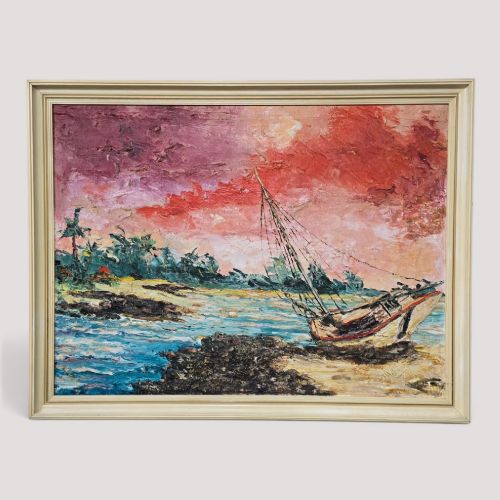
Marine Art Oil Canvas
These canvases capture the drama of the open water and busy harbours, offering a tangible link to seafaring history.
Marine Art Oil Canvas
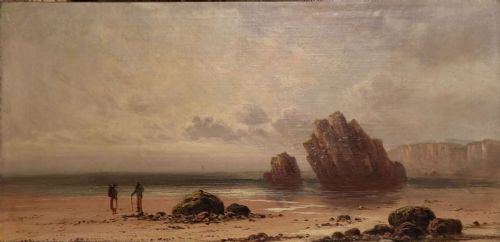
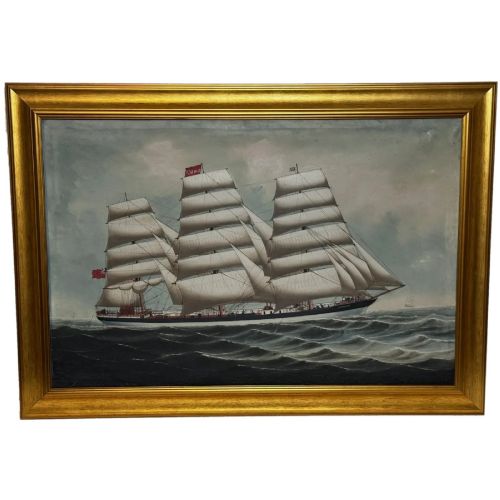
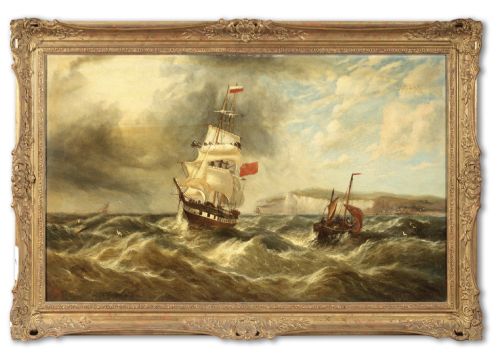
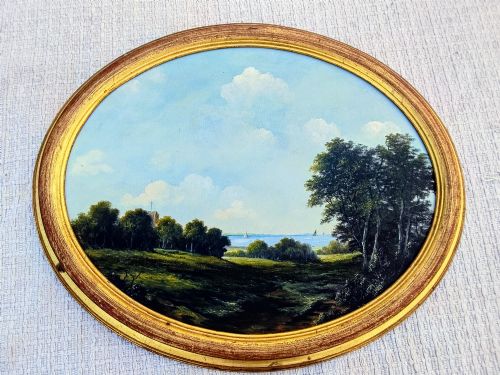
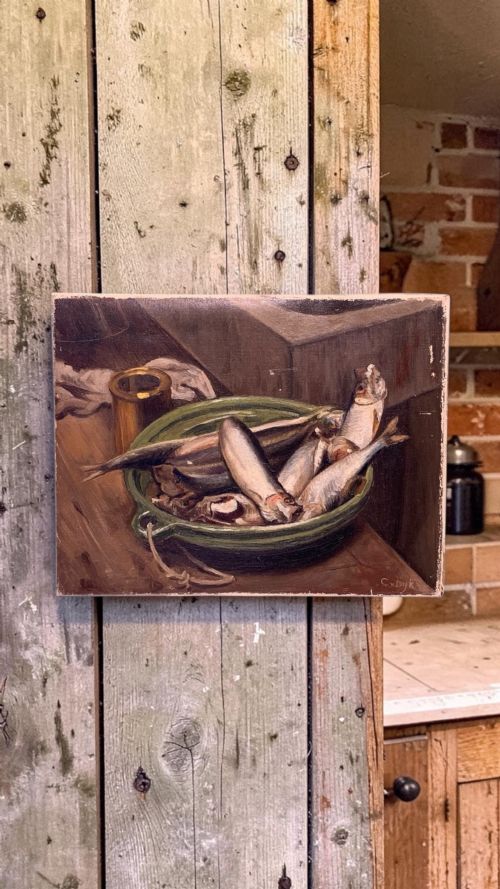
A marine art oil canvas records the shifting moods of the sea, coastal trade, and naval history through the rich medium of oil paint. When searching for a marine art oil canvas, you will frequently encounter 19th-century and Victorian depictions of British shipping, alongside later mid-century interpretations.
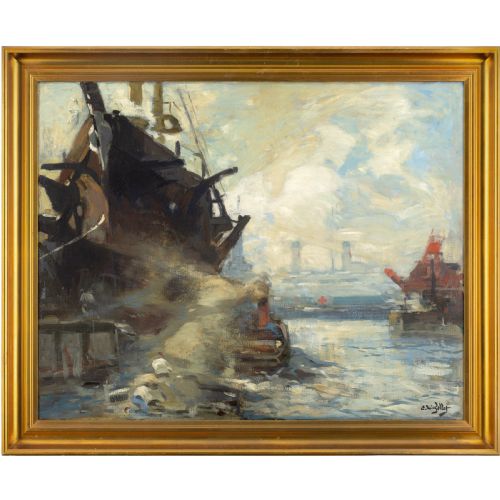
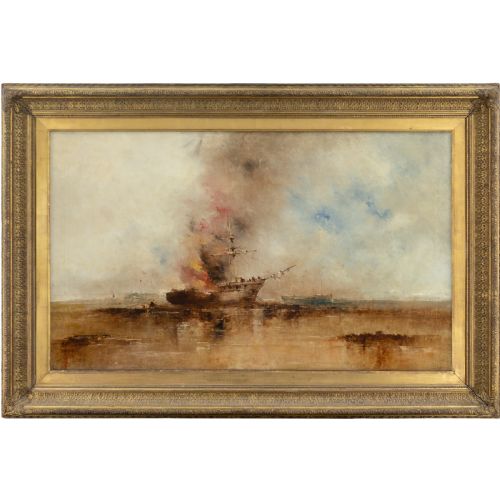
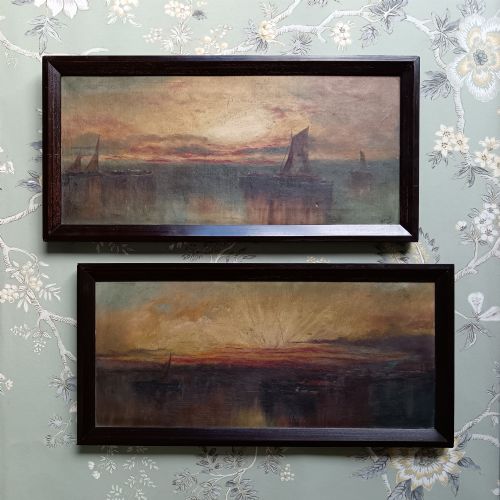
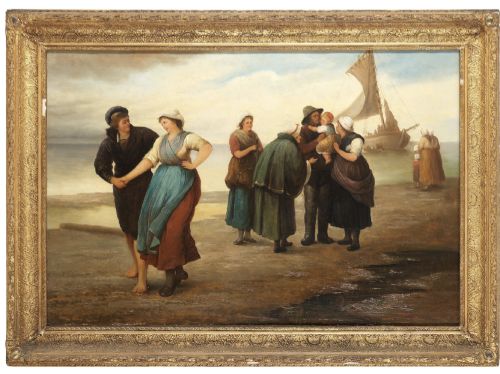
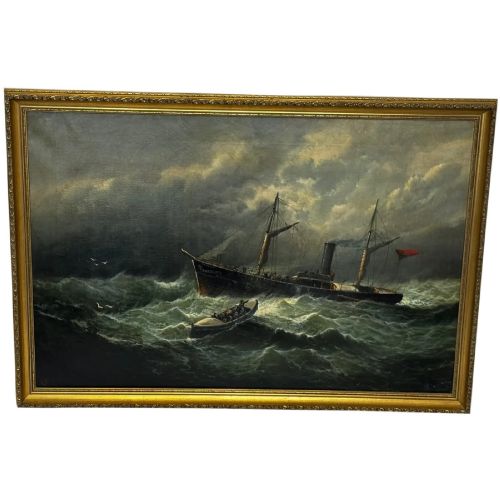
The subjects range from tranquil river estuaries and fishing boats off rocky coasts to turbulent gales and historic tall ships under full sail. These works span domestic coastal scenes and international harbours, reflecting the deep economic and cultural ties to maritime trade across generations.
Materials and methods
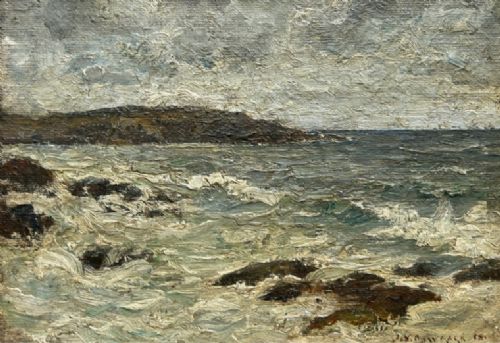
Artists painted primarily with oil paint upon stretched canvas or wooden board, occasionally utilising heavy impasto to build tactile texture into crashing waves and churning foam. The interplay of oil pigments allowed painters to capture translucent water, shifting cloudscapes, and the stark glare of sunset over the horizon.
Surviving works are frequently housed within their original giltwood or gilt frames, which provide structural support and complement the rich tones of the maritime palette. The preparation of the canvas and the application of successive translucent glazes determined how well the surface withstood the passage of time.
Evaluating the work
Quality rests upon the artist's command of maritime architecture, rigging detail, and the natural physics of wind and water. A superior canvas demonstrates precise observation of light falling on cresting waves and accurately proportioned vessels that sit convincingly in the sea.
The handling of atmospheric perspective and the depth of the horizon separate accomplished works from formulaic depictions. Furthermore, the preservation of the original paint layer and the condition of the accompanying gilt frame heavily influence the integrity of the piece.
Eugène-Louis Gillot·William McAlpine·Reginald Arthur Borstel·Bernard Gribble·Bonaventura Peeters·Clive Browne·Peter Brannan·Francis Moltino·Bernard Benedict Hemy·Thomas Creswick·Willem Bos·John Wilson Carmichael·Richard B. Spencer·William Henry Williamson·Leopold Pascal
The Marine Art Oil Canvas Glossary
- Impasto
- The application of thick paint that stands proud of the canvas surface. This technique allows artists to render the physical bulk and texture of crashing waves.
- Barque
- A sailing vessel with three or more masts. The fore and main masts are square-rigged, while the mizzen mast is fore-and-aft rigged.
- Giltwood
- Wood that has been treated with gold leaf or a gold-coloured metallic finish. Antique frames of this material enhance the visual weight of oil paintings.
- Provenance
- The documented history of ownership of an artwork. Clear provenance assists in confirming the attribution and authenticity of nineteenth-century marine canvases.
Marine Art Oil Canvas: Frequently Asked Questions
How do I identify a 19th-century marine painting?
Examine the rigging details of the depicted vessels and the construction of the canvas stretcher bars. Nineteenth-century maritime art frequently records specific ship types, such as three-masted schooners and wooden barques, reflecting the height of the age of sail.
Look also for signature styles, contemporary framing methods, and artist signatures that correspond to recorded nineteenth-century painters and maritime schools.
What subjects are most common in maritime art?
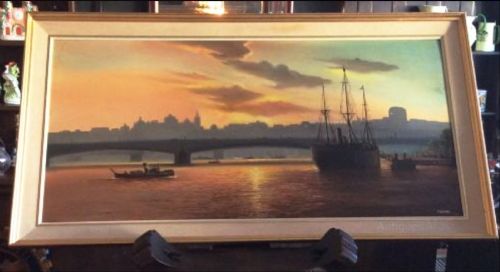
The most frequent subjects include coastal merchant shipping, naval engagements, rescue operations, and quiet harbour scenes with fishing boats. Artists often recorded specific local landmarks, such as lighthouse breakwaters and recognizable river bridges.
Depictions range from calm sunset coastal views to dramatic narratives involving ships caught in heavy seas or wartime engagements.
How should I care for an oil painting on canvas?
Keep the canvas away from direct sunlight, damp environments, and sudden temperature fluctuations that cause the paint layer to expand and contract. Avoid touching the painted surface, as natural oils from skin can damage the fragile top glaze.
Dust the canvas and its gilt frame very gently with a dry, soft brush, and consult a professional conservator if the surface requires cleaning.
Did artists paint these scenes from life?
Many marine artists made detailed preparatory sketches and watercolours directly from observation at the coast or aboard ship before completing the final oil canvas in the studio. Painters relied on their deep familiarity with maritime architecture and weather patterns to reconstruct dynamic scenes.
First-hand knowledge of how vessels behaved in rough seas was essential for producing convincing compositions.