



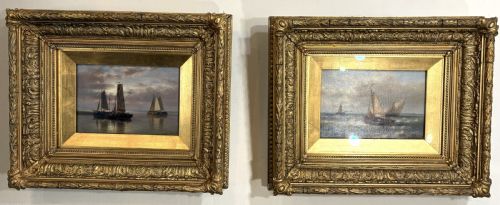
19th Century Ship Seascape
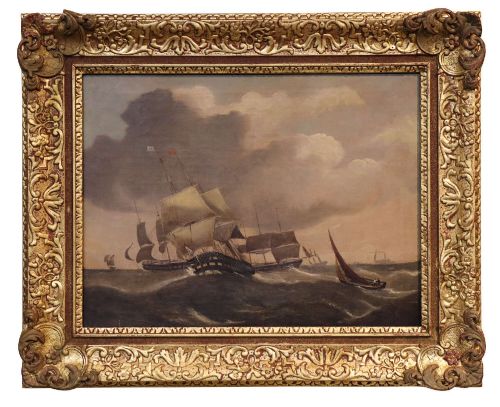
A 19th century ship seascape records the drama of maritime trade, naval power and coastal weather through the brush of the Victorian artist.
19th Century Ship Seascape
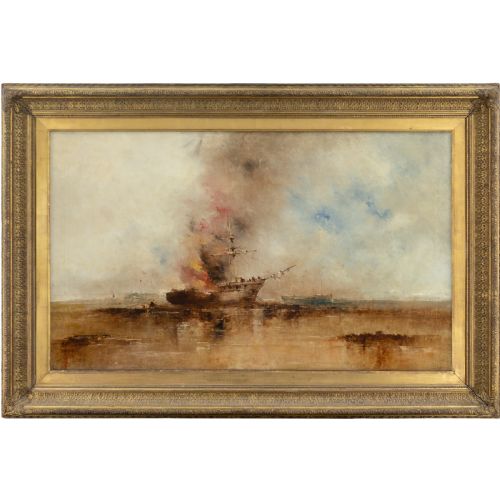
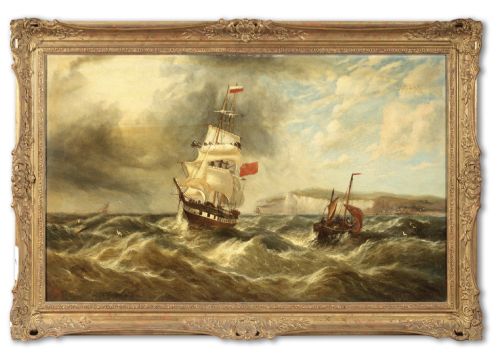
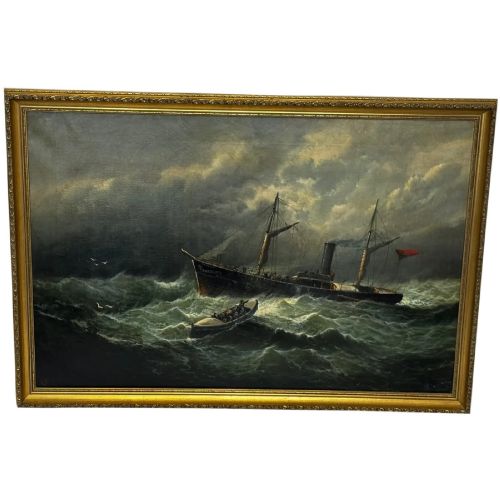
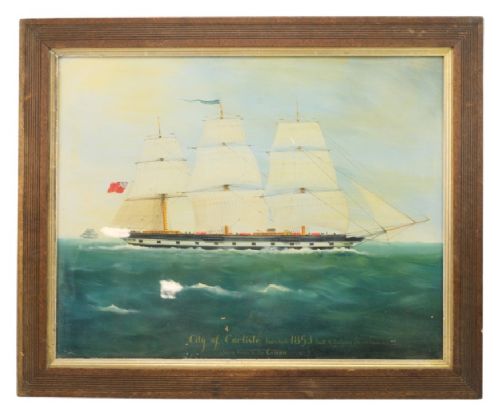
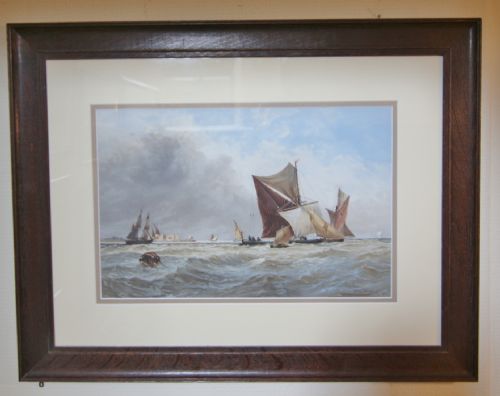
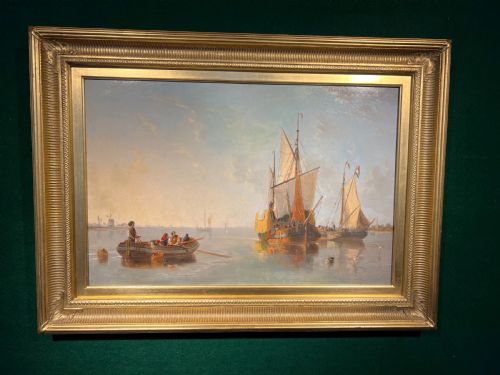
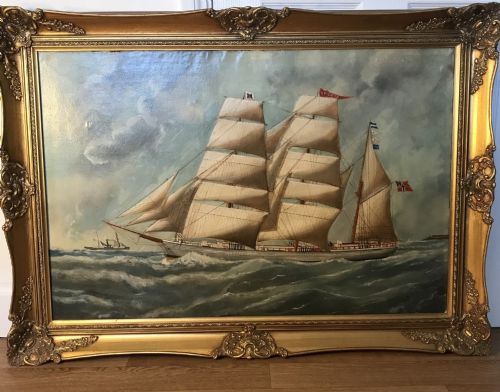
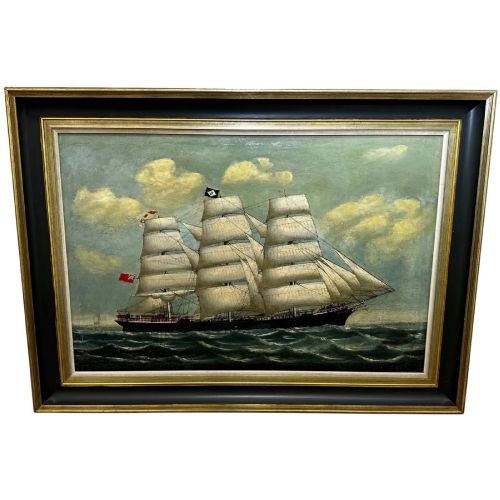
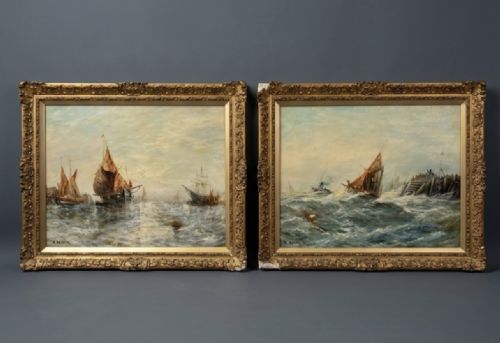
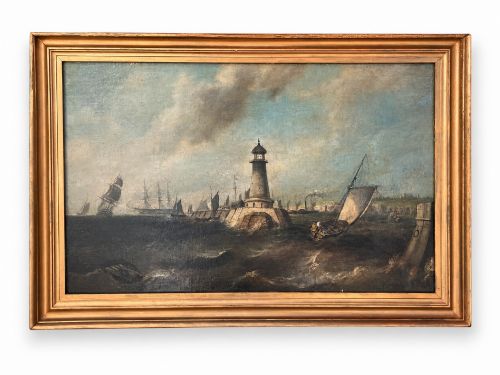
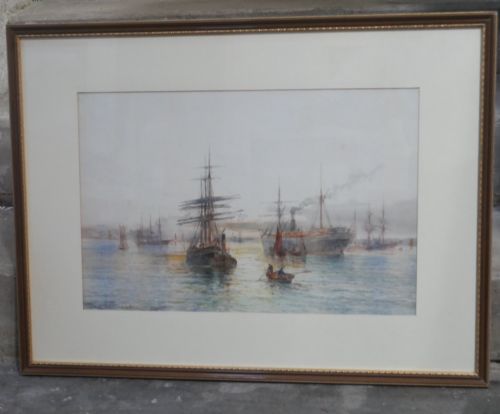
A 19th century ship seascape captures maritime life, from majestic three-masted schooners and clippers to sturdy fishing boats navigating choppy waters and harbour entrances. These works appear most frequently as oil paintings on canvas or panel, alongside detailed watercolours set within period gilt frames.
Motive subjects range from named historical vessels taking troops to the Crimea or rounding stormy capes to local coastal scenes off Portsmouth, Scarborough, and the Medway estuary. Buyers encounter both ambitious large-scale gallery canvases and intimate cabinet watercolours reflecting the Victorian obsession with maritime commerce and naval might.
Materials and technique
Artists built these marine works using oil paint on stretched canvas, wooden panels, or boards, as well as watercolour and gouache applied to paper and card. Pigments were worked with fluid glazes to capture transparent sea spray and dense storm clouds above rolling waves.
Finishing touches often included protective layers of varnish over oils, while watercolours were mounted behind protective glass inside ornate gold leaf wooden frames that enhanced the depth of the coastal view.
Listings feature works spanning the nineteenth century into the early twentieth, executed in oil on canvas, panel, and board, as well as watercolour on paper.
Factors determining quality
Quality rests upon the artist's ability to render nautical rigging, hull architecture, and wave mechanics with anatomical precision and atmospheric weight. Superior hands command perspective effortlessly, whereas weaker compositions present stiff vessels floating upon repetitive, static ripples.
The sensitivity of light handling across sails and water distinguishes exceptional gallery pieces from standard decorative works, as does the survival of the original gilt frame and clear provenance linking the vessel to a recorded historic voyage.
Thomas Bush Hardy·William Frederick Settle·John Wilson Carmichael·Abraham Hulk I·Charles William Wyllie·James Webb
The 19th Century Ship Seascape Glossary
- Barque
- A sailing vessel with three or more masts having the fore and mainmasts square-rigged and the mizzenmast fore-and-aft rigged. This rig was common for long-distance merchant trade throughout the Victorian era.
- Clipper
- A very fast nineteenth-century merchant sailing ship with three masts and a square rig, built for speed on international routes. These sleek vessels are frequently depicted racing through heavy seas.
- Gilt frame
- A wooden picture frame coated with a thin layer of gold leaf or gold paint. Many Victorian marine works retain their original ornate gilt mouldings.
- Aquatint
- A printmaking technique that produces tones resembling watercolours by using acid to etch resin-coated copper plates. These prints often captured coastal scenes in series.
- Provenance
- The documented history of ownership of an antique artwork. Clear provenance helps verify the specific ship, port, or commissioning body recorded in the scene.
19th Century Ship Seascape: Frequently Asked Questions
How do I identify the ship in a painting?
Look for painted inscriptions on the canvas, stretcher bars, or frame plaques detailing the vessel name, port, or captain. Many Victorian marine artists recorded specific merchant ships, Royal Navy warships, or local tugs by name.
Failing a direct inscription, check the hull configuration, rigging count, and flag signals against maritime shipping registers from the mid to late nineteenth century.
Were these watercolours meant for display?
Nineteenth-century watercolours of shipping and coastal scenes were framed and glazed for domestic wall display in parlours and drawing rooms. Wealthy patrons and middle-class collectors alike favoured them for celebrating British maritime dominance.
Because works on paper are sensitive to direct sunlight, owners historically hung them away from bright windows to preserve the fugitive pigments of sky and sea.
What distinguishes a coastal scene from a marine painting?
Marine paintings focus primarily on open water, naval engagements, and deep-sea shipping under varied atmospheric conditions. The vessel remains the undisputed protagonist of the canvas.
Coastal scenes incorporate prominent landforms, lighthouses, piers, or harbour towns such as Whitby, Plymouth, or Portsmouth, placing equal emphasis on the shore and local maritime activity.
How can I tell the difference between oils and watercolours?
Oil paintings feature a thicker, textured paint layer applied to canvas or wood panel, often exhibiting visible brushwork and a glossy varnished surface. They do not require glass protection.
Watercolours utilise thin, translucent washes on paper or card, displaying the texture of the sheet beneath and requiring glass framing to prevent moisture and surface abrasion.