



Marginal Mirror
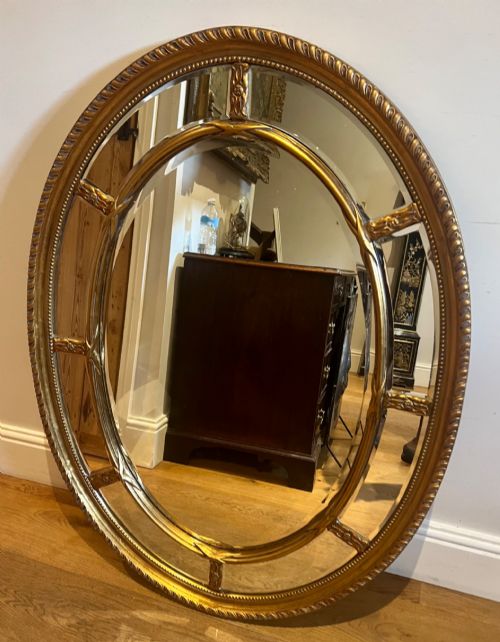
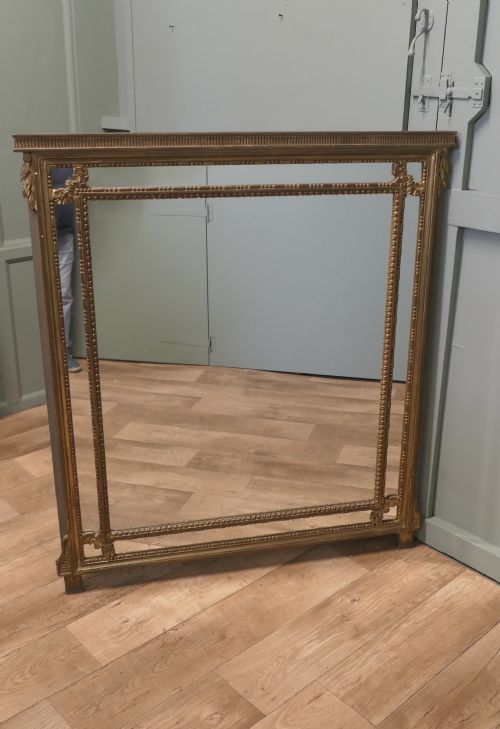
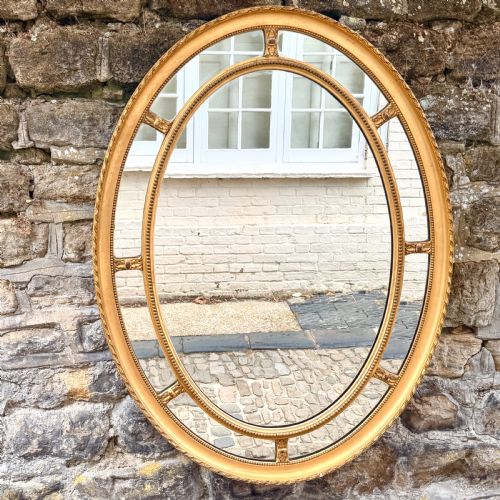
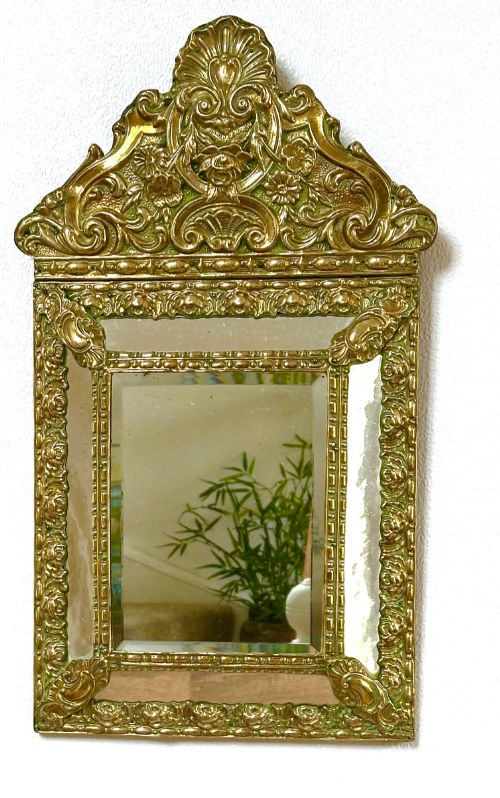
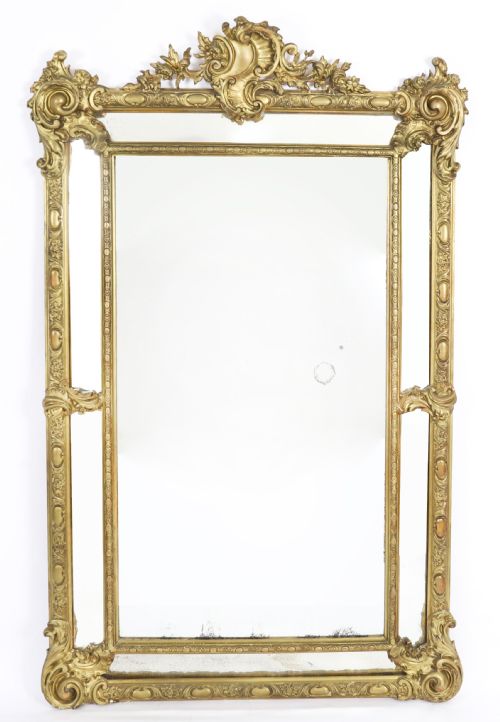
A marginal mirror layers separate glass plates into an intricate border arrangement, framing a central plate to bounce light across a room.
Marginal Mirror
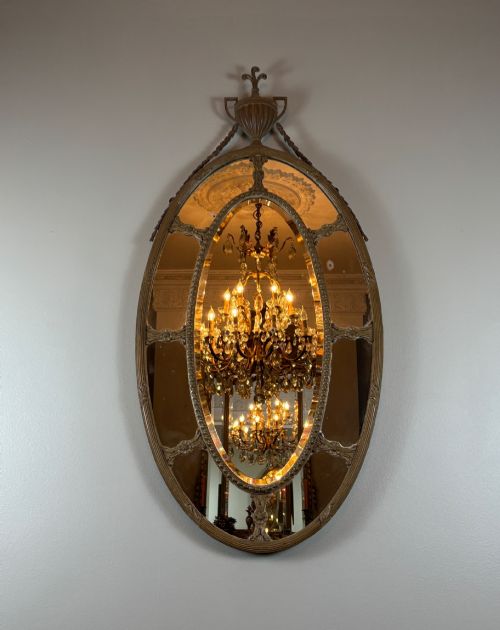
A marginal mirror consists of a central reflective plate surrounded by smaller, distinct border panes that catch and refract light from multiple angles. When you search for a marginal mirror, you encounter elaborate wall hangings and overmantels originating largely from the nineteenth century, spanning Regency, Victorian, and Edwardian eras. French Chateau and Louis Revival styles dominate the selection, bringing substantial proportions and ornate framing into domestic spaces.
The format frequently takes the shape of large cushion mirrors or oval border glass mirrors adorned with classical motifs like urns and swags. Italian and English workshops also contributed distinct interpretations, including painted finishes and carved wooden frames. These pieces function primarily as commanding architectural focal points above mantelpieces or along principal reception room walls.
Materials and construction
The construction relies on wood and gesso substrates meticulously carved and assembled to support multiple individual mirror plates. Artisans applied thin layers of gold leaf or paint over the gesso ground to achieve the characteristic giltwood and painted finishes seen on French and English examples. Brass fixings and secure backing boards held the complex array of marginal plates firmly within the primary frame.
Silvering techniques of the nineteenth century applied reflective metallic coatings to glass plates that were then hand-cut to fit precise border geometries. The integration of separate marginal plates required careful rebate work within the wooden framework to ensure each outer facet aligned harmoniously with the central glass.
Marginal Mirror Retail Price Guide 2026
Typical asking prices for marginal mirror among the pieces listed under this phrase on Sellingantiques today, from the lower quarter to the upper quarter. They describe what is for sale here now, not the wider market.
Every marginal plate was fitted by hand to catch the flicker of evening candlelight from slightly different angles across the room.
Quality and craftsmanship
Distinctions in quality emerge through the crispness of the carved wood and gesso ornamentation, where deeper relief and finer detailing indicate superior handwork. The precision with which individual marginal plates are bevelled and fitted together dictates the visual coherence of the entire reflective surface. Heavier timber foundations and robust original gilded finishes separate substantial architectural overmantels from lighter decorative variants.
The integrity of the original mirror glass plates, including the character of the ageing and silvering degradation, influences the overall aesthetic stature of the piece. Superior examples maintain balanced proportions between the central plate and the surrounding marginal panes without awkward joint gaps or structural sagging in the frame.
The Marginal Mirror Glossary
- Marginal mirror
- A mirror featuring a central reflective plate surrounded by smaller border glass panes that form an outer decorative frame. These secondary panes often feature bevelled edges.
- Giltwood
- Timber, typically pine or oak, that has been coated with fine gold leaf over a prepared gesso layer. This technique creates a luminous metallic surface characteristic of formal period frames.
- Gesso
- A paste mixture of plaster of Paris, chalk, and size used to coat wooden frames before gilding or painting. It provides a smooth ground for intricate carved relief detail.
- Overmantel mirror
- A large horizontal mirror designed specifically to hang on the wall above a fireplace mantel. They often scale the full width of the chimney breast.
- Cushion mirror
- A mirror frame constructed with a rounded, convex profile that slopes outward from the wall toward the central glass plate. This volumetric shape enhances the reflection of ambient light.
Marginal Mirror: Frequently Asked Questions
Where should I hang a marginal mirror?
These pieces traditionally occupy the wall space directly above a drawing room mantelpiece, where their expansive proportions anchor the room's central axis. Position them opposite a window to maximise the dispersion of natural daylight throughout the interior.
Ensure the wall structure can support the substantial weight of carved wood, gesso, and multiple glass plates by anchoring securely into masonry or substantial studs.
How do I clean an antique marginal mirror?
Dust the carved wooden and gilt surfaces gently with a dry, soft brush to prevent accumulation in the recesses of the gesso relief. Clean the glass plates sparingly using a soft microfiber cloth and a mild, ammonia-free solution applied to the cloth rather than directly onto the mirror.
Avoid disturbing old silvering at the edges of the marginal plates, as this aged patina contributes significantly to the historical character of the object.
What defines the Louis Revival style?
Louis Revival pieces draw design inspiration from seventeenth and eighteenth-century French royal courts, incorporating exuberant scrolling foliage, C-scrolls, and symmetrical classical ornamentation. Nineteenth-century makers reinterpreted these motifs with heavier proportions suited to Victorian domestic architecture.
Look for prominent crests featuring urns, swags, and shell motifs executed in carved wood and gesso.
Are marginal mirrors fragile?
The presence of numerous individual glass plates within a single frame demands careful handling during any relocation or re-hanging process. The structural weight of the timber and gesso construction also requires professional hardware rated for heavy loads.
Stable indoor humidity and temperature conditions help preserve the integrity of the wooden substrate and prevent the gesso from cracking.