

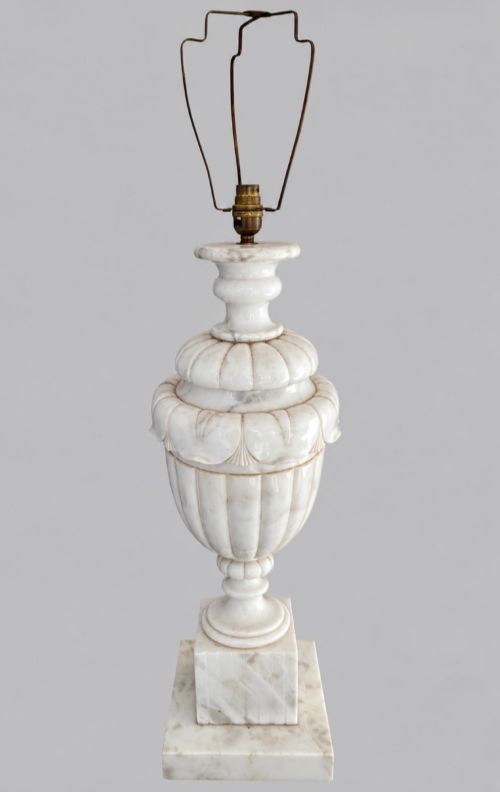
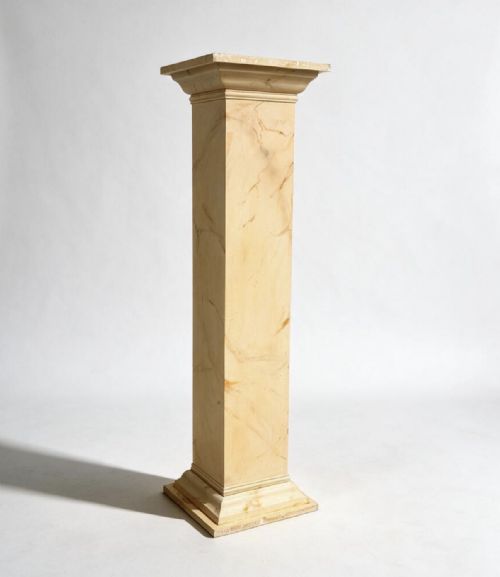


Marble Effect Pedestals
These marble effect pedestals are theatrical stages for your room, bringing stone majesty to smaller spaces without the crushing weight.
Marble Effect Pedestals
Marble effect pedestals are display columns, plinths, and torcheres designed to elevate sculpture, urns, and decorative objects. When you search for marble effect pedestals, you meet pieces built from wood, plaster, and timber that mimic solid stone through skilled surface work.
The versions you are most likely to meet on this page span from the eighteenth century through the nineteenth century and into the nineteen twenties and thirties. They arrive in forms ranging from simple square and circular columns to triform designs and decorative urns.
Origins and styles draw heavily on Neoclassical, Regency, and Italian Baroque traditions, alongside Victorian revivals. Makers of these pieces borrowed the grandeur of antiquity to furnish British homes with classical presence.
How they were made
Carpenters and decorators constructed these columns using carved wood, pine, and plaster as the foundational body. Timber sections received gesso layers and meticulous paint work to simulate natural mineral veining.
Marble Effect Pedestals Retail Price Guide 2026
Typical asking prices for marble effect pedestals among the pieces listed under this phrase on Sellingantiques today, from the lower quarter to the upper quarter. They describe what is for sale here now, not the wider market.
Listings feature items spanning the eighteenth, nineteenth, and early twentieth centuries, constructed from wood, plaster, and scagliola in Neoclassical and Regency styles.
What varies in quality
Quality rests in the convincing execution of the faux surface and the crispness of any carved wooden detail. Superior examples show layered brushwork or polished scagliola that mimics the natural translucency of quarried stone rather than flat, opaque colour.
Proportion and structural integrity distinguish finer columns from simpler decorative items. Well-balanced timber shafts and solid plaster builds maintain a visual weight that grounds heavy display objects securely.
The Marble Effect Pedestals Glossary
- Scagliola
- A composite material made from pigmented selenite plaster, glue, and natural fibres, polished to resemble marble and other fine stones. Artisans use it to create durable columns and architectural ornaments.
- Torchere
- A tall ornamental stand or candlestick originally designed to hold a torch or light. In later periods, these slender columns evolved into display pedestals for urns and sculptures.
- Verde Antico
- A dark green serpentine breccia marble valued since antiquity for its rich, mottled appearance. Painters and scagliola workers often simulated this specific stone on wooden display columns.
- Gesso
- A plaster mixture applied to wood surfaces as a smooth base for painting and gilding. It provides the crisp ground necessary for fine decorative finishes.
- Triform
- Having three sides or a triangular plan, often seen in the bases of classical furniture and pedestals. This configuration offers stable floor support while creating distinct shadow lines.
Marble Effect Pedestals: Frequently Asked Questions
What were marble effect pedestals used for?
These columns served as elevated display platforms for busts, bronzes, decorative urns, and lamps within reception rooms. By raising art pieces to eye level, they drew attention to prized collections and filled empty architectural corners.
In grand interiors, matched pairs framed doorways or fireplaces to create symmetrical balance. Their surfaces provided the illusion of costly stone at a manageable weight and expense.
How do I style a pedestal at home?
Place a single column in a dark hallway or corner to catch ambient light and hold a trailing plant or ceramic vase. Ensure the top surface area comfortably accommodates your chosen object with room to spare at the edges.
Pair matching columns on either side of a sideboard or console to anchor larger artworks on the wall above. Keep the displayed items simple so the decorative finish of the column remains the primary focus.
How do I tell an 18th century pedestal from a Victorian one?
Eighteenth century examples frequently feature hand-carved wood details and restrained Neoclassical proportions that reflect archaeological discoveries of the era. Their paint layers show age-related craquelure and softer patination from generations of care.
Victorian and later revival pieces often incorporate robust scagliola or heavier plaster construction with bolder decorative motifs. The tooling marks and underlying timber types help confirm the period of manufacture.
Are painted wooden columns as durable as scagliola?
Painted timber and gesso surfaces require gentle handling to avoid chips and moisture damage to the finish. They offer lighter weights for easier placement within domestic spaces.
Scagliola provides a harder, stone-like surface that takes a higher polish and resists everyday wear more robustly. Both materials benefit from stable indoor humidity and soft dusting cloths.