
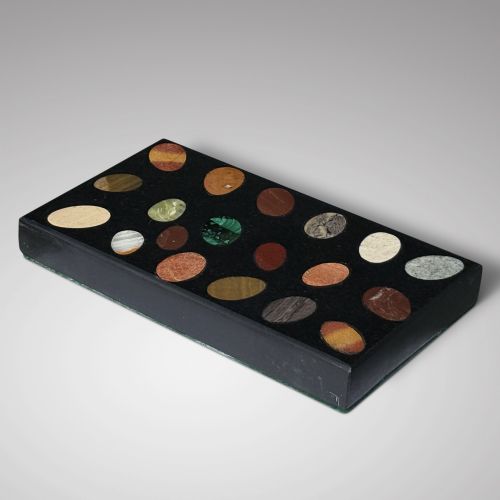


Marble Desk Paperweight
These marble desk paperweight pieces combine solid stone bases with bronze figures and intricate stone inlay, bringing classic desktop presence to any study.
Marble Desk Paperweight
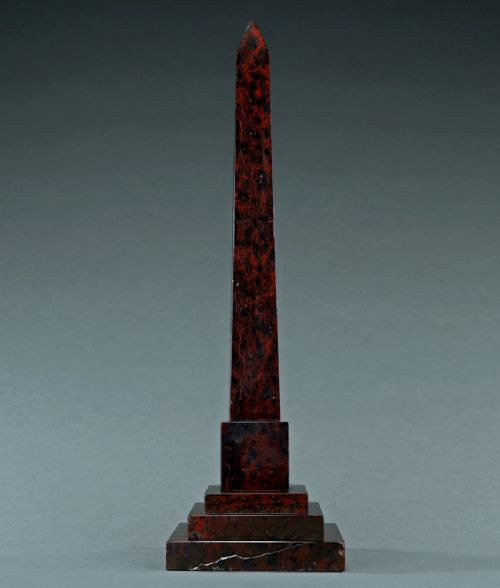
When you search for a marble desk paperweight, you encounter a variety of nineteenth-century and early twentieth-century desk accessories that combine functional weight with sculptural art. These pieces typically manifest as solid stone blocks, obelisks, or architectural bases supporting bronze animals, sphinxes, and miniature models.
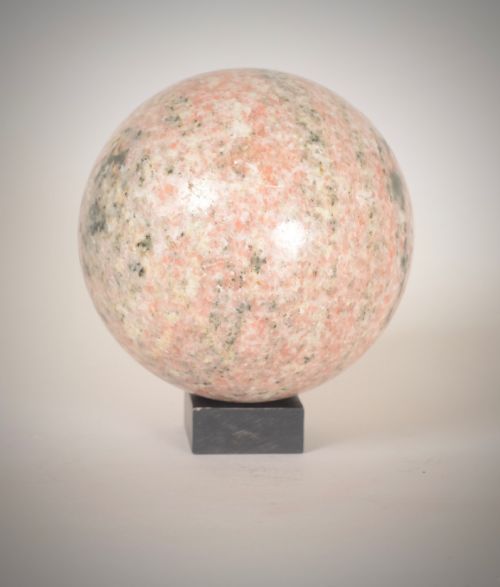
The selection on this page relies heavily on Victorian and Grand Tour origins, alongside later Art Deco items. You meet everything from simple serpentine and granite spheres to elaborate pietra dura specimen tops and micro-mosaic panels originating from Italy and France.
How they were made
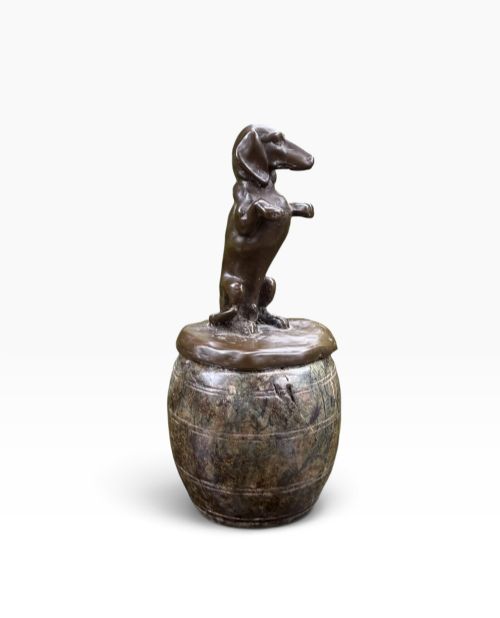
The construction pairs heavy natural stones like marble, serpentine, malachite, granite, and agate with cast metals such as bronze, brass, and silvered bronze. Stonemasons cut and polished the heavy bases, while sculptors cast and patinated the animal figures and architectural elements mounted upon them.
Finer decorative examples incorporate pietra dura and micro-mosaic techniques, where lapidaries fit minute slices of coloured stones or glass tesserae into precise recesses within the marble surface to form pictorial panels.
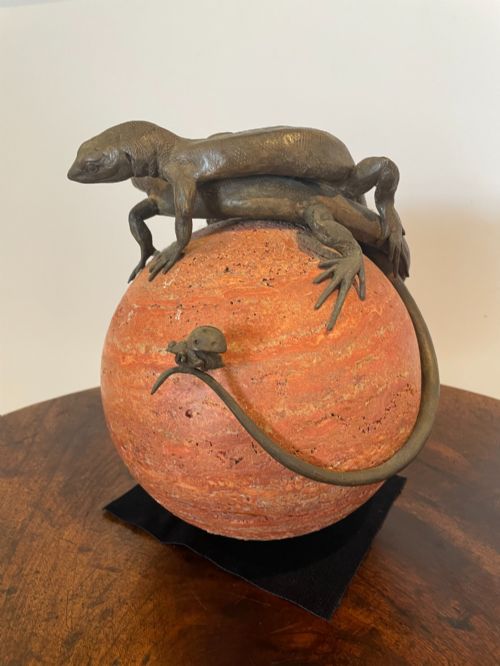
A bronze lizard watches the papers from its polished stone perch, waiting for an errant draft to test the weight of the desk.
What varies in quality
Quality rests in the crispness of the bronze casting and the precision of the stone inlay work. Superior animalier studies exhibit fine muscular detail and rich patination, whereas lesser examples show softer casting lines and simpler mounting.
The choice of stone also dictates the grade of the piece, with standard grey or black marble yielding to vibrant malachite, multi-coloured specimen marbles, and intricate micro-mosaic work executed by skilled lapidaries.
Louis Lejeune
The Marble Desk Paperweight Glossary
- Pietra dura
- An Italian mosaic technique using cut and fitted polished coloured stones to create pictures. Artisans assemble hardstones like jasper, chalcedony, and marble to produce floral or geometric designs.
- Micro-mosaic
- A method using tiny glass tesserae fused together to form detailed pictorial scenes on a plaque. These panels typically feature classical ruins, doves, or floral motifs set flush into a marble base.
- Grand Tour
- A cultural journey undertaken by wealthy young Europeans in the eighteenth and nineteenth centuries to study classical art. Souvenirs purchased on these trips included small bronzes, marble obelisks, and architectural models.
- Animalier
- A nineteenth-century artistic style focusing on realistic depictions of animals, particularly predators, hounds, and horses. Sculptors captured subjects in naturalistic poses, often mounting the finished metal figures directly onto heavy stone desk bases.
- Serpentine
- A group of green silicate minerals often polished for decorative objects and architectural details. It provides a mottled, tactile surface frequently utilised for nineteenth-century desk accessories.
Marble Desk Paperweight: Frequently Asked Questions
What is a Grand Tour paperweight?
A Grand Tour paperweight is a souvenir bought by travellers visiting historical sites in Italy during the nineteenth century. These items often incorporate classical architectural forms or micro-mosaic panels.
They reflect an era of classical education and travel, bringing ancient motifs directly onto nineteenth-century desks.
How do I clean marble and bronze?
Dust the marble base gently with a dry, soft cloth to prevent scratching the polished surface. Avoid harsh chemical cleaners that can dull the stone or strip the bronze patination.
Metal figures require only light dusting with a soft brush to maintain their original finish over time.
Are these pieces heavy?
Most of these items utilise solid blocks of marble, granite, or serpentine as bases to hold loose papers in place. Their substantial weight serves a practical purpose on a working desk.
Smaller objects weigh a few hundred grams, while larger architectural obelisks and figural groups require careful placement.
What subjects appear on these bases?
Common subjects include cast bronze animals such as hounds, foxes, lizards, and tigers mounted on stone slabs. Egyptian Revival motifs like sphinxes and obelisks also recur frequently.
Specialist pieces feature geometric stone specimens, micro-mosaic pictorial panels, or aviation models commemorating historical events.