


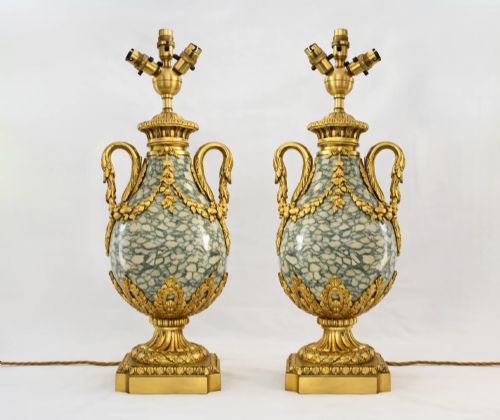

Marble Bronze Table Lamp
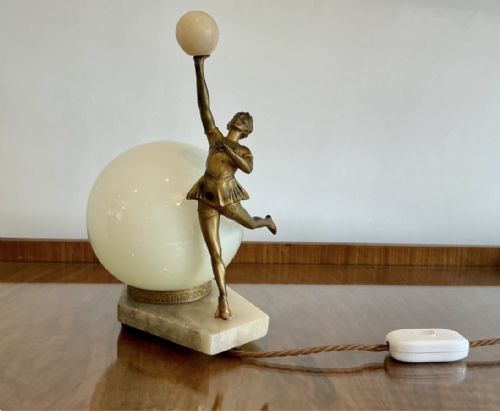
These marble bronze table lamps bring together heavy stone bases and cast metal figures or columns to create striking pools of domestic light.
Marble Bronze Table Lamp
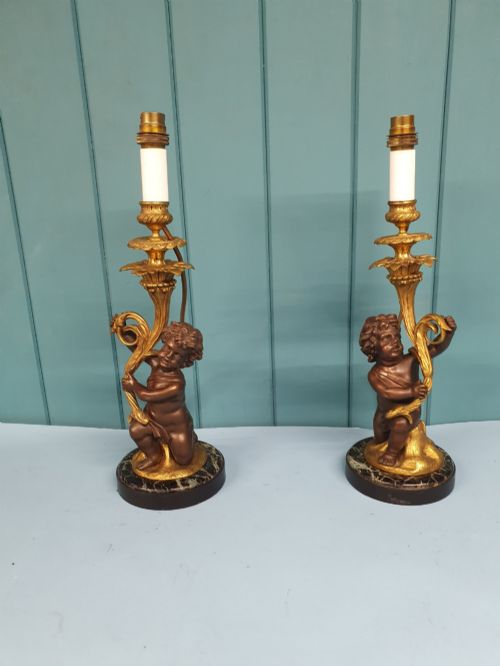
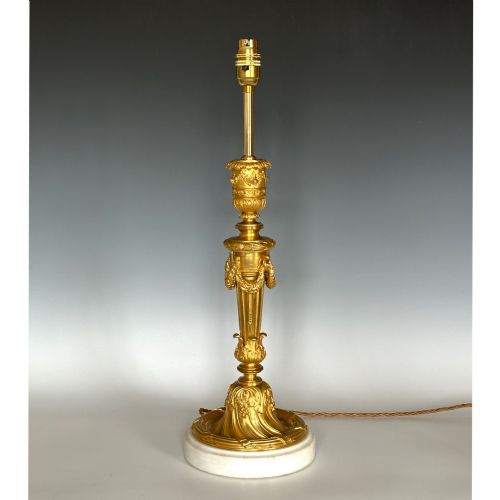
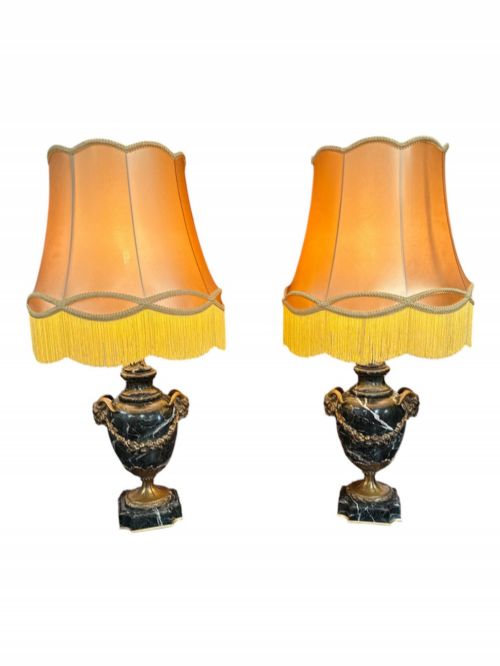
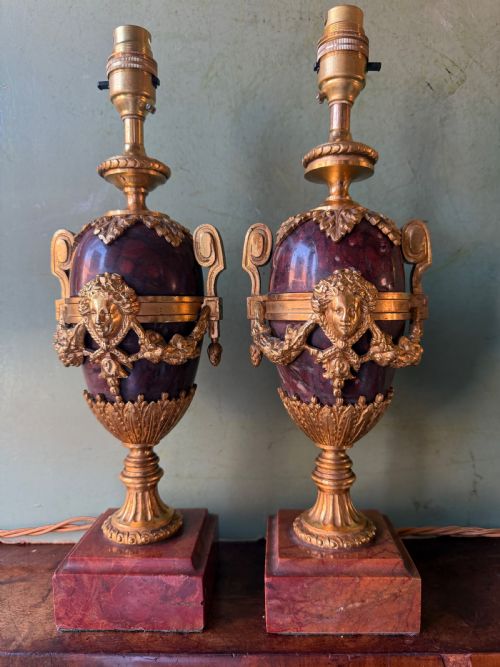
A marble bronze table lamp combines a dense stone plinth with cast metal figures, urns or columns, often standing on bases of white, rouge or green marble. These pieces draw heavily on nineteenth-century French design, particularly the Louis XVI style and the later Empire taste for classical symmetry and rich mounts.
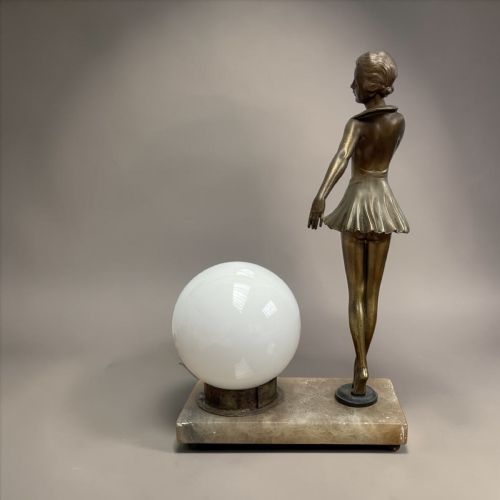
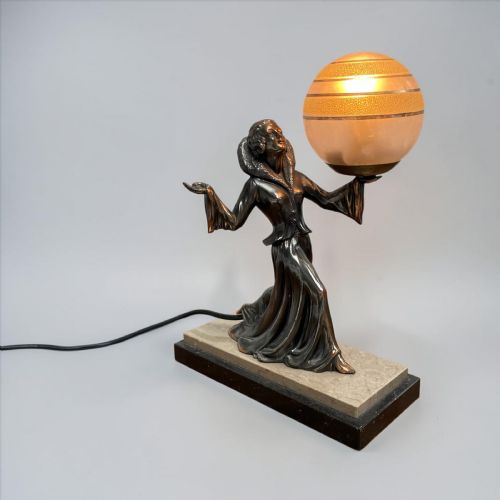
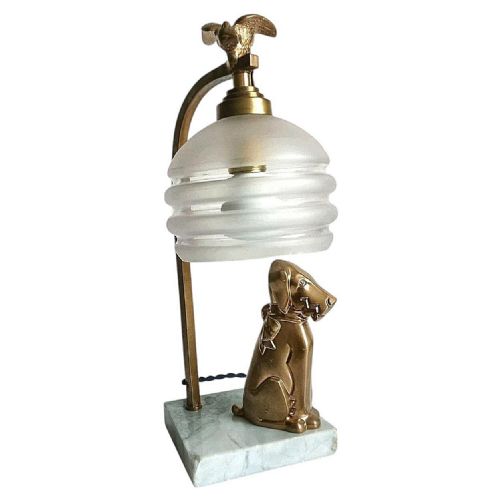
Buyers frequently encounter nineteenth-century examples alongside Art Deco interpretations from the nineteen-thirties, where spelter or bronze figures meet geometric marble bases. Many designs began life as decorative cassolettes, urns or candlesticks before conversion to electrical lighting during subsequent decades.
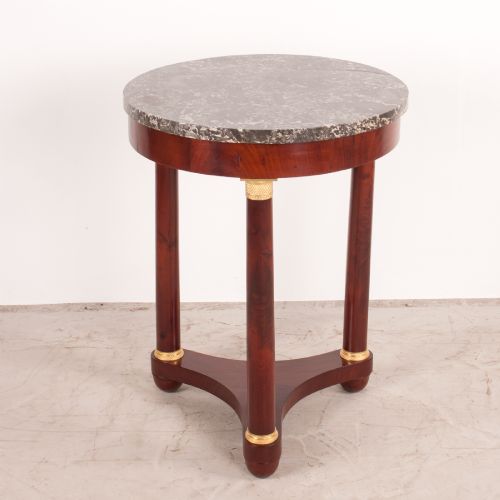
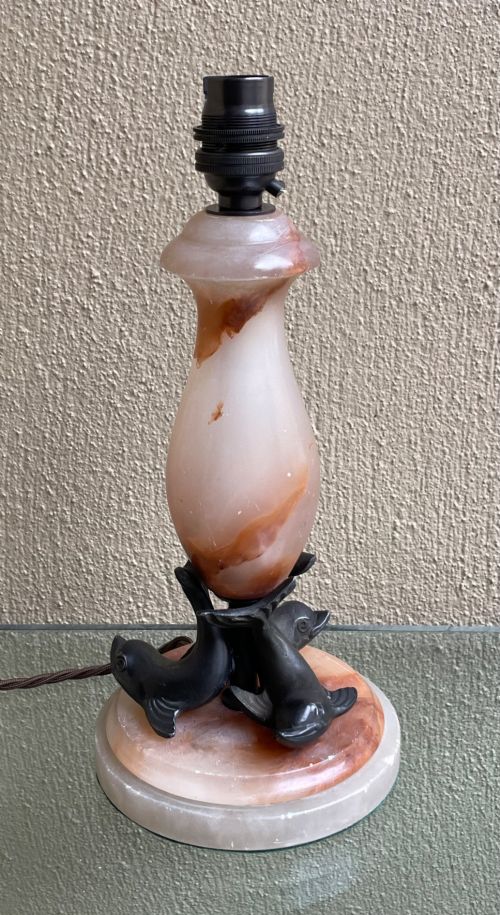
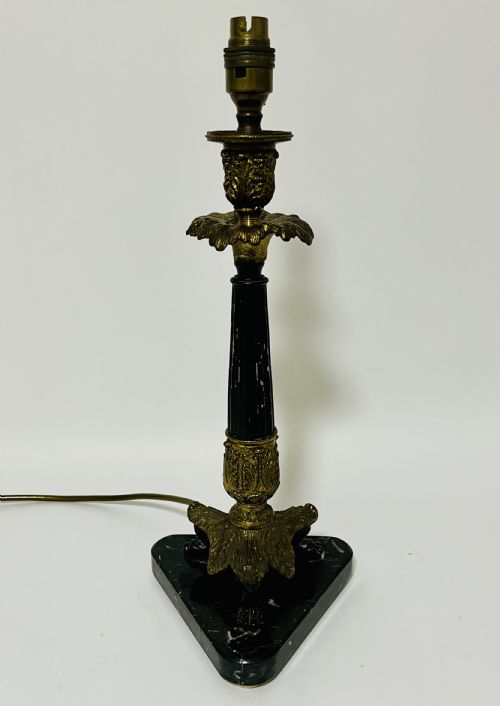
The selection ranges from pairs of slender Corinthian columns to figural groups depicting cherubs, classical maidens or novelty animals. Alongside proper lamps, the listings include occasional and bedside tables equipped with marble tops and bronze mounts designed to hold lighting.
Materials and casting
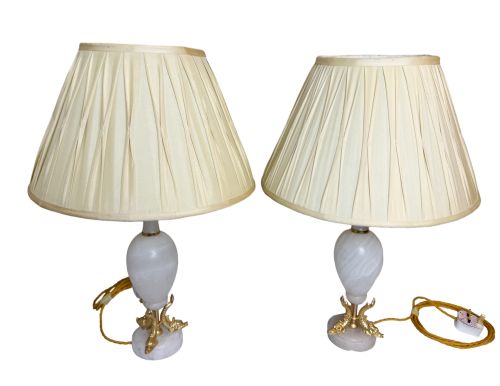
Foundries produced the metal components using traditional sand casting or lost-wax methods, working with bronze, brass, or spelter before applying fire gilding, ormolu, or cold-painted finishes. These metal elements were then mounted onto turned and polished blocks of marble, onyx or alabaster.
Ormolu mounts and gilt bronze enrichments were meticulously hand-chiseled after casting to sharpen the decorative details of acanthus leaves, beadings and floral garlands. Fabric shades and glass elements complete the assemblies, anchored firmly to the heavy stone foundations.
Watch for vigilant Art Deco watchdogs featuring bronze dogs and parrots guarding the base of the lamps.
Craftsmanship and proportion
Superior examples display crisp, deep chasing on the bronze and ormolu mounts, where every leaf and scroll remains sharp rather than softened by worn moulds. The weight and selection of the marble also set pieces apart, favouring solid blocks of rouge or white stone with harmonious natural veining over simple slate or composite substitutes.
Proportion and balance dictate the architectural success of a marble bronze table lamp, ensuring the heavy stone base properly anchors the height of the column or figure above. The precision of the assembly, where metal collars fit flush against polished stone without visible gaps, marks the work of skilled workshops.
Paul Sormani·Linke
The Marble Bronze Table Lamp Glossary
- Ormolu
- Gilded bronze produced by applying a mercury and gold amalgam to cast metal before heating the piece to drive off the mercury. This technique creates a durable, warm golden finish characteristic of fine French decorative arts.
- Cassolette
- A decorative vase or urn featuring a reversible lid, designed to function either as an incense burner or a solid decorative vessel. Many nineteenth-century examples were later adapted to house electrical lamp fittings.
- Spelter
- An alloy of zinc and lead used as a less expensive alternative to bronze, particularly common in Art Deco mood lamps. It accepts patination and metallic paint well, though it remains softer and lighter than genuine bronze.
- Gueridon
- A small round occasional table supported by one or more central columns, often topped with marble and mounted with bronze. These forms frequently double as stable platforms for heavy table lamps in period interiors.
Marble Bronze Table Lamp: Frequently Asked Questions
Are these lamps safely wired for modern use?
Most antique lighting has been rewired at some point in its history to comply with modern electrical standards. Buyers should inspect the flex and plug to confirm current safety.
Professional electricians can easily update internal wiring through existing channels without altering the outer bronze or marble structure.
Can converted cassolettes be restored to original urns?
Converting decorative urns and cassolettes into lamps usually involved drilling through the base or lid to pass electrical cords. Reversing this process requires specialist stonemasonry to plug the apertures discreetly.
Most collectors prefer to retain the functional lighting conversion rather than attempt structural reversal.
How should I clean marble and bronze?
Dust bronze and ormolu components gently with a soft dry brush, avoiding harsh commercial brass cleaners that strip original patination. Wipe marble surfaces with a damp cloth and mild soap, drying them immediately to prevent water marks.
Acidic cleaning agents must be avoided entirely, as they etch polished stone surfaces permanently.