

Marble Base Table Light
A marble base table light brings solid weight and tactile polish to a room, combining stone and metal into a functional sculpture.
Marble Base Table Light
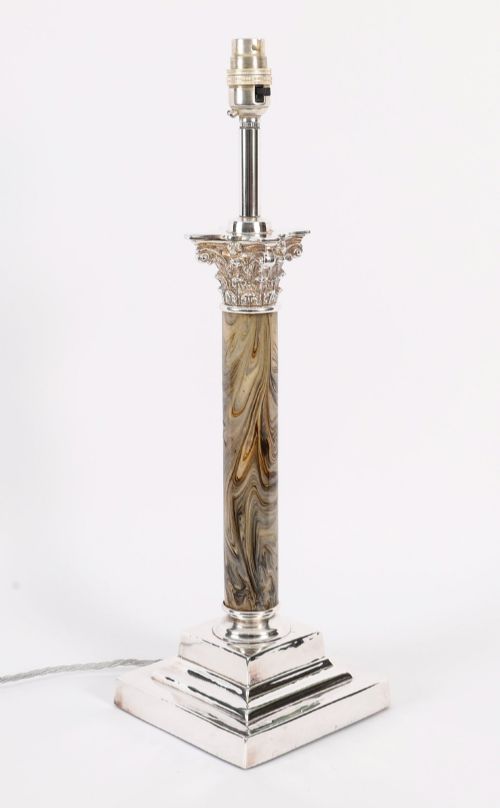
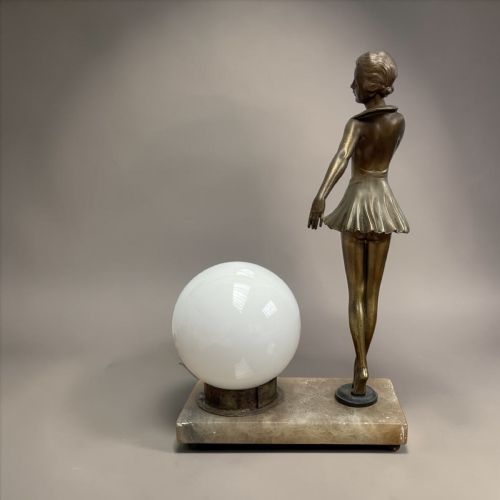
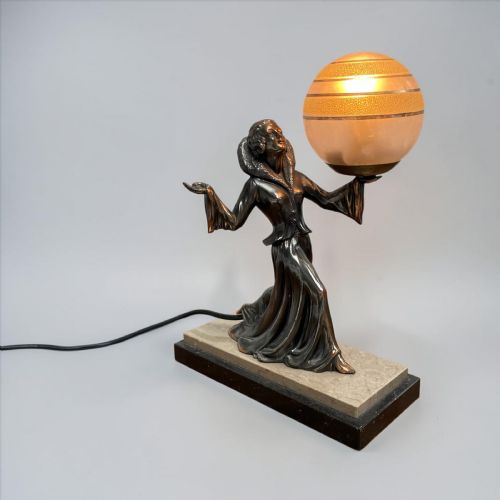
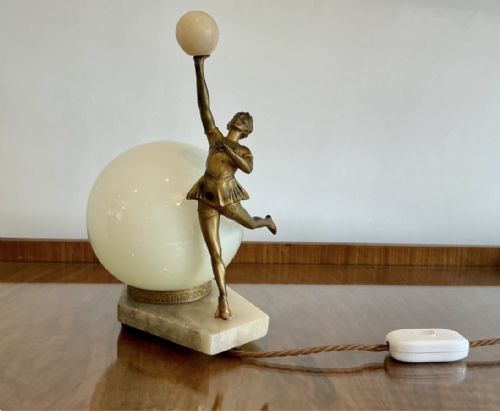
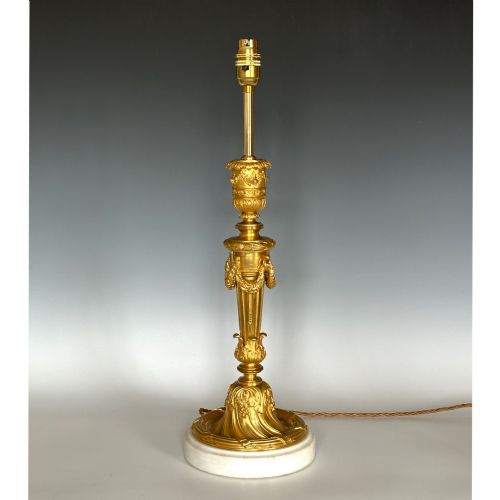
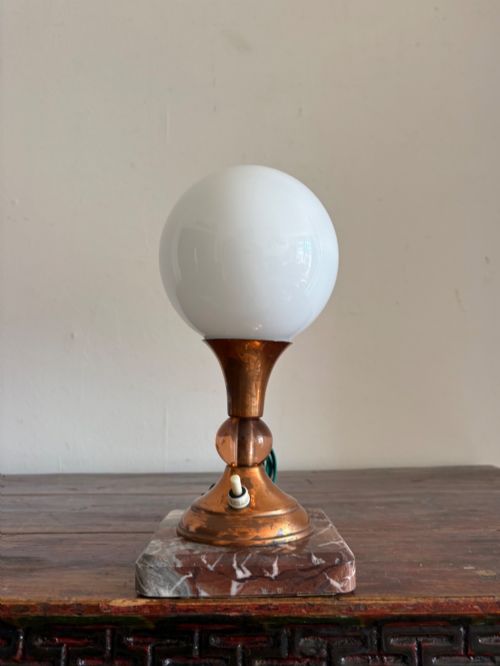
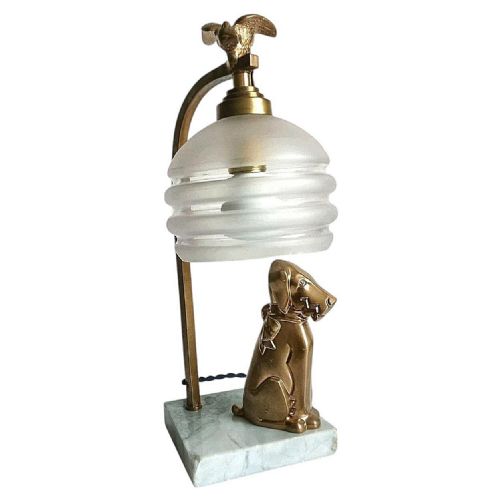
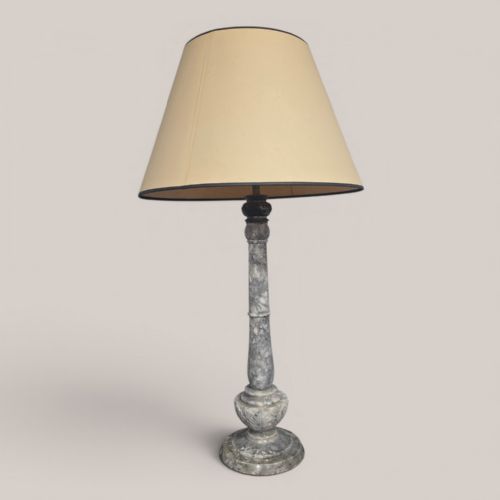
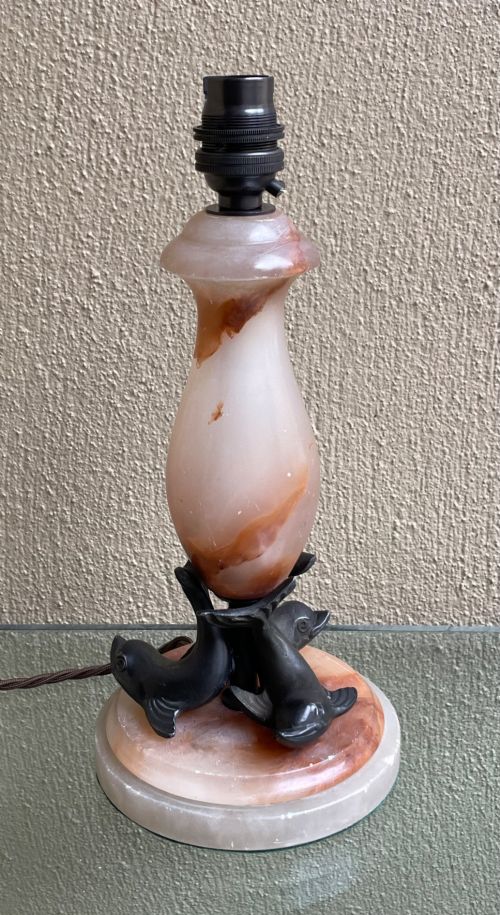
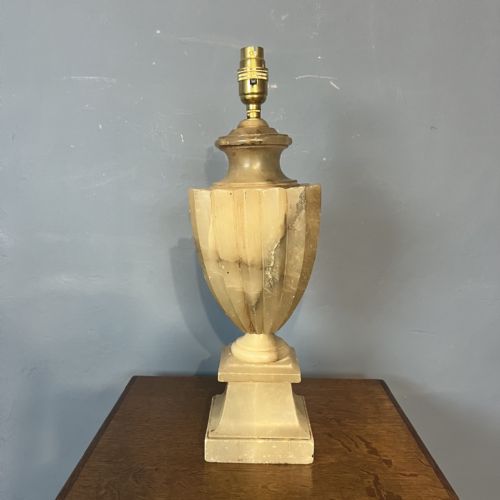
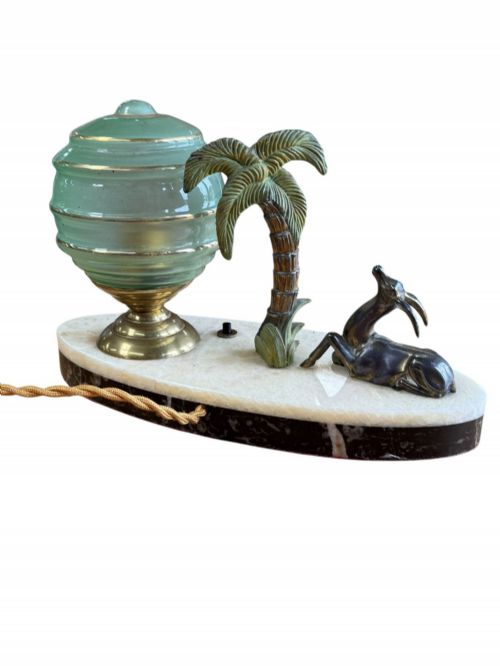
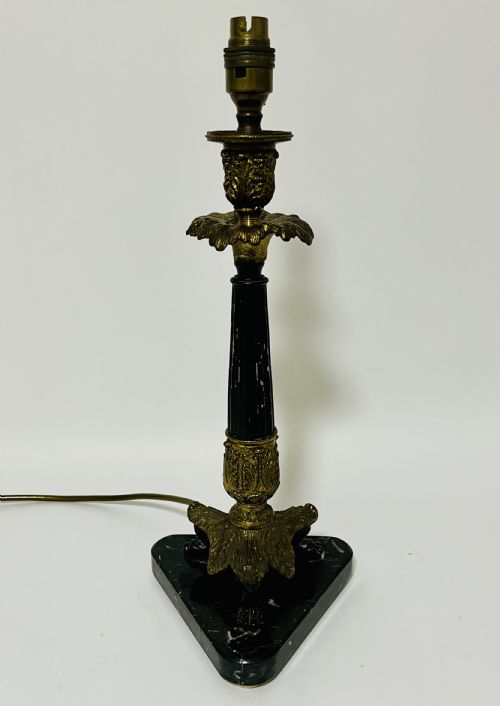
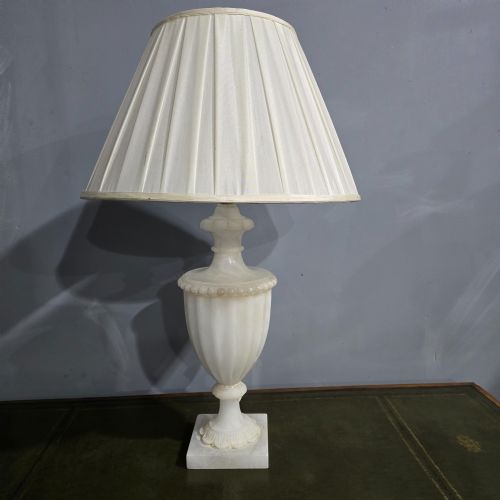
A marble base table light combines functional illumination with substantial stone plinths, drawing on styles from the Victorian era through the Art Deco period. When browsing these pieces, buyers encounter everything from classical columns and architectural urns to figurative bronze figures and novelty animal subjects.
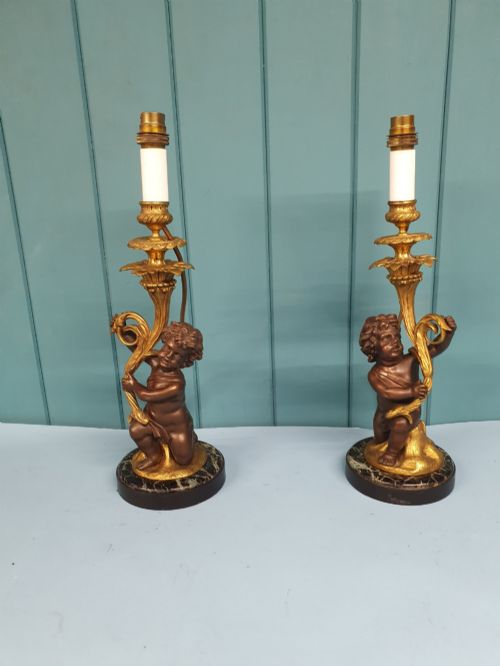
The selection spans table lamps, converted candelabra, and candlestick bases originating largely from French and British workshops. Early twentieth-century examples lean heavily into the stylised geometry of Art Deco, while nineteenth-century pieces favour neoclassical revival and opulent ormolu mounts.
Materials and Construction Methods
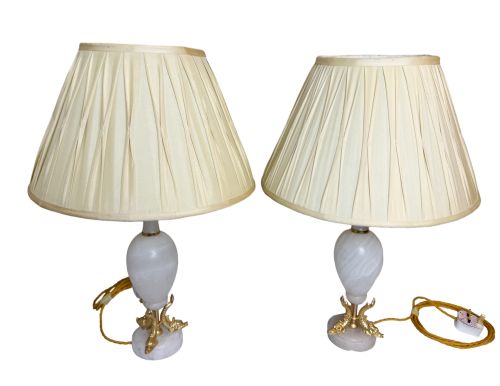
Maker workshops combined turned or polished marble and alabaster bases with metal mountings in brass, bronze, gilt bronze, and spelter. Natural stone provided a heavy, stable foundation, while metal components were cast, chased, and gilded to house electrical fittings or candle sockets.
Surviving pieces often integrate delicate additions such as opaline glass shades, frosted glass figurines, or fabric elements. Structural joints rely on threaded metal rods running through the central stone core to secure the base to the upper hardware.
Listings span the nineteenth century through the nineteen-thirties, incorporating materials such as spelter, ormolu, brass, and frosted glass.
Judging Quality in Stone and Metalwork
The distinction between standard production and finer examples rests on the depth of the casting work and the grade of the stone. Superior pieces feature crisply chased bronze or ormolu mounts, expressive hand-finished figures, and dense, evenly veined marble rather than cast plaster or lightweight substitutes.
Proportion and integrity dictate the overall calibre of the piece. High-quality lighting preserves original patination on the metal components and maintains a balanced relationship between the heft of the marble plinth and the height of the fixture above.
The Marble Base Table Light Glossary
- Ormolu
- Gilded bronze, where a layer of gold amalgam is applied to a bronze base through heat processing. This technique imparts a rich, lasting metallic lustre found on many nineteenth-century French lighting mounts.
- Spelter
- A zinc alloy commonly utilised as a less expensive alternative to bronze for decorative figures and lamp bodies. It often receives a bronze-coloured coating to simulate heavier metal.
- Opaline glass
- A pale, translucent glass type valued for its milky appearance and ability to diffuse light softly. It frequently appears as globe or shade elements on twentieth-century lighting.
- Alabaster
- A fine-grained, translucent stone softer than marble, prized for its ability to let light glow through its surface. It was shaped into urns and column sections for Edwardian and Art Deco lamps.
- Campana urn
- A bell-shaped vessel with a flaring rim and footed base, frequently adapted into classical lamp architecture. This ancient form reappears across nineteenth-century revival pieces.
Marble Base Table Light: Frequently Asked Questions
How do I date a marble base table light?
Dating relies on stylistic markers, manufacturing techniques, and material choices visible in the base and mountings. Nineteenth-century examples often display neoclassical cast bronze and heavy veined marble, while nineteen-thirties pieces introduce stylised figures and geometric marble stepping.
Hardware components and wiring channels also provide clues. Early conversions utilise older brass lampholders and textile-covered cords, whereas subsequent decades brought standardised electrical fittings.
Are these lamps safe for modern electrical use?
Many older pieces arrive with historic wiring that requires updating for modern household safety standards. Professional rewiring ensures that internal cords and lampholders comply with current regulations without altering the exterior aesthetic.
Qualified electricians can usually repot or rewire antique metal and stone assemblies while preserving original switches and plugs where desired.
How should I clean marble and alabaster bases?
Maintenance requires gentle dusting with a soft dry cloth to prevent dirt accumulation in stone crevices and metallic joints. Harsh chemical cleaners or excess water must be avoided, as moisture can penetrate unsealed stone and damage gilding or patination.
For stubborn marks on marble, a slightly damp cloth with mild neutral soap works best, followed immediately by thorough drying with a clean towel.