






Marble Base Ornaments
Marble base ornaments combine cast metal figures with stone plinths, offering decorative presence and solid weight for a collector's mantelpiece or desk.
Marble Base Ornaments
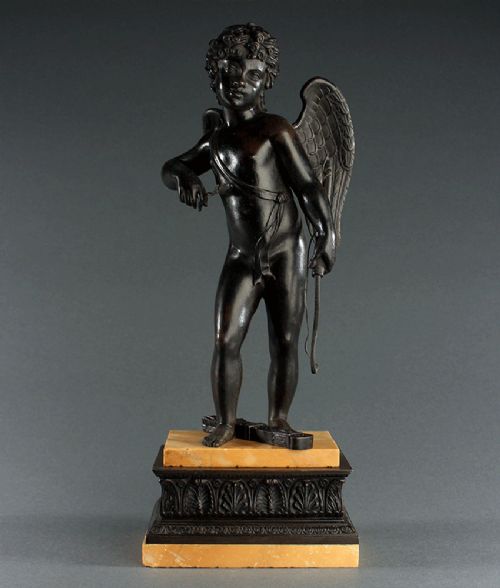
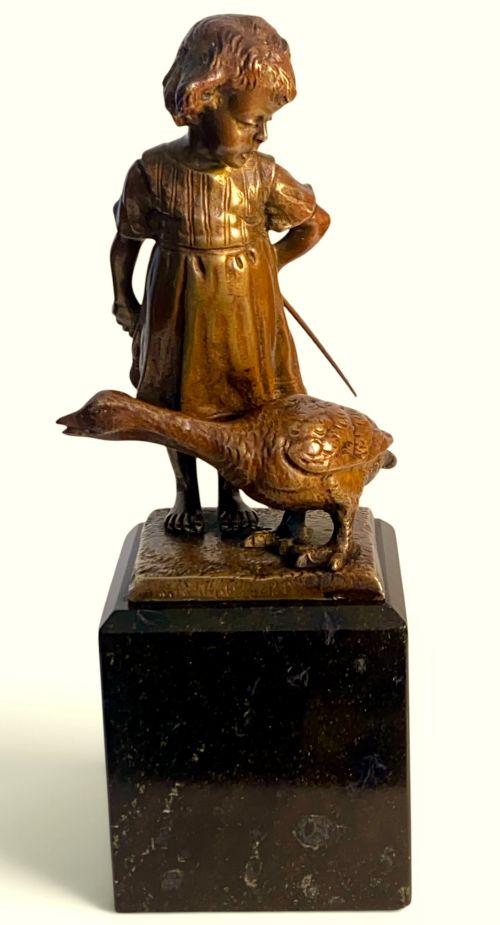
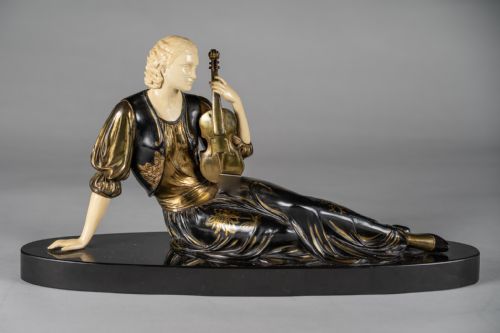
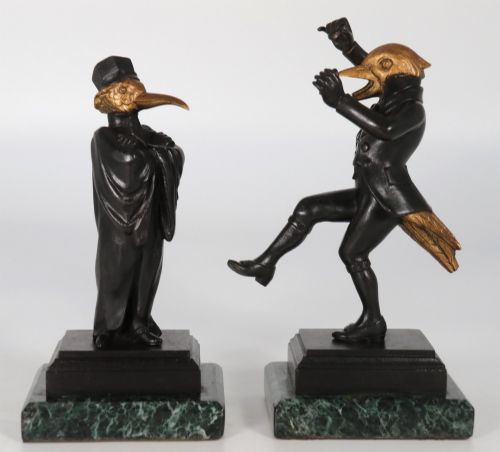
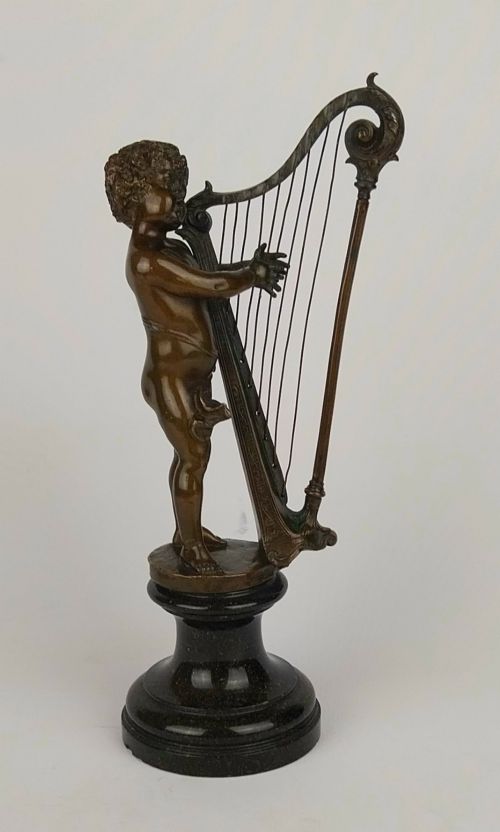
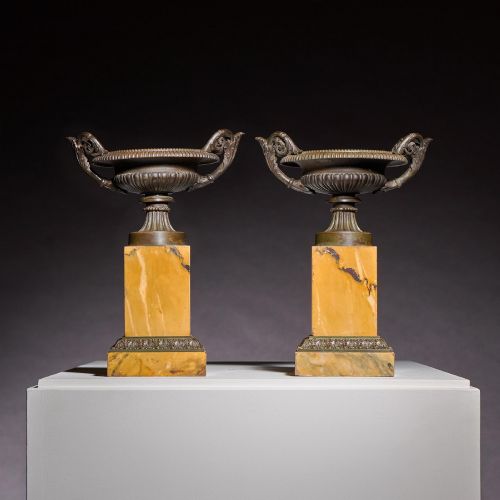
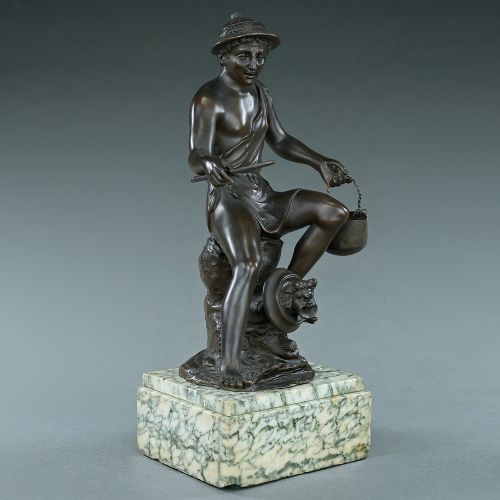
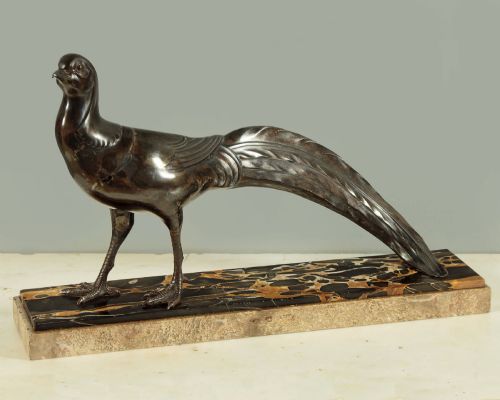
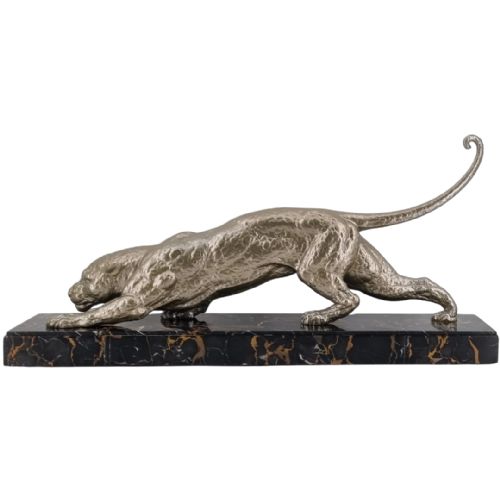
Marble base ornaments unite sculptural metalwork with substantial stone foundations, spanning periods from the mid-nineteenth century through the interwar Art Deco era. The most frequent examples pair patinated or gilded bronze figures of animals, dancers, and classical subjects with smooth plinths of black or veined marble.
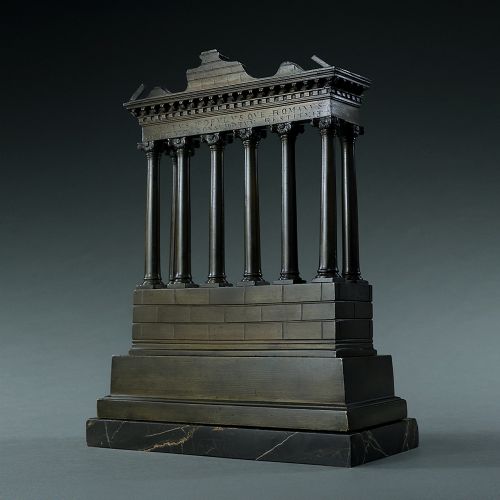
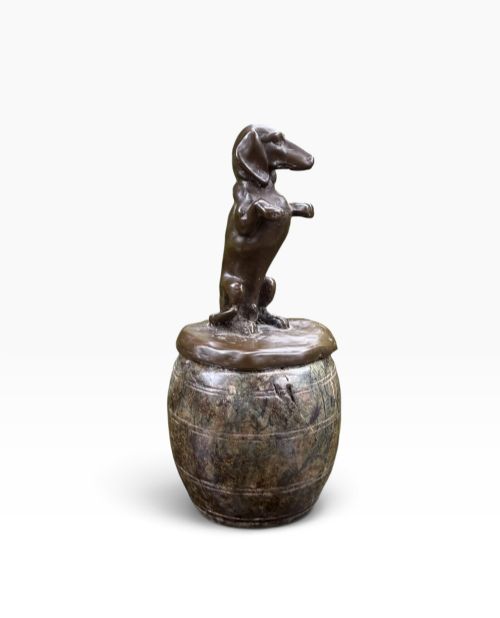
Makers utilised these heavy stone plinths to ground dynamic figures such as hunting panthers, leaping dogs, and ballet dancers, giving stability to slender castings. Beyond figural subjects, the selections include architectural models, specimen stone decorative objects, and small tazzas carved from ornamental minerals like Blue John.
The form shifts visibly between eras, moving from nineteenth-century Grand Tour antiquities and French animalier studies to stylised twentieth-century figures. Buyers encounter everything from classical mythological groups to stylised birds and dancers designed in the Parisian and Viennese workshops of the early twentieth century.
Materials and methods of construction
The sculptural elements rely on traditional metal casting methods, predominantly lost-wax bronze alongside cold-painted metal, spelter, and silvered bronze. Artisans finished these metal components through patination, gilding, or polychrome painting before mounting them securely onto prepared stone.
The supporting bases utilise natural stones including standard black marble, variegated types, and Italian specimen marbles featuring pietra dura work. Workshops cut, shaped, and polished these plinths to match the proportions of the mounted figure, securing the sculpture with internal pins or threaded bolts.
Marble Base Ornaments Retail Price Guide 2026
Typical asking prices for marble base ornaments among the pieces listed under this phrase on Sellingantiques today, from the lower quarter to the upper quarter. They describe what is for sale here now, not the wider market.
Listings feature periods spanning from the mid-nineteenth century through the 1930s Art Deco movement, utilising bronze, spelter, and specimen marble.
Judging the quality of craftsmanship
Quality rests primarily in the crispness of the metal casting and the precision of the hand-chasing applied after the piece leaves the foundry. Finer examples show sharp feather, fur, and facial detail without smoothing, whereas lower-grade castings lose definition in repetitive production runs.
The selection of the stone base marks another clear division, with uniform black marble or matched decorative specimens indicating higher workshop standards. The fit between the metal mounting feet and the stone surface reveals whether the components were made for each other or assembled at a later date.
D. H. Chiparus·Jean de Roncourt·Pierre Collinet·Bruno Zach·Claude Michel Clodian·Emile Carlier·Pierre Jules Mene
The Marble Base Ornaments Glossary
- Animalier
- A nineteenth-century artistic focus on the realistic depiction of animals, particularly predators, stags, and hounds. Sculptors in this tradition studied anatomy closely in menageries.
- Cold painted
- A method where enamel paints are applied to a bronze or metal casting without subsequent firing in a kiln. This technique is typical of Austrian animal and human figures from the late nineteenth and early twentieth centuries.
- Grand Tour
- Souvenirs purchased by travellers on educational journeys through Europe, particularly Italy. These reductions of classical architecture and sculpture were cast in bronze or carved in stone.
- Ormolu
- Finely ground high-carat gold applied to a bronze base through a mercury amalgamation process, or cast in gilt bronze. The finish produces a rich metallic lustre common on nineteenth-century mounts.
- Patinated metal
- A chemical treatment applied to the surface of bronze or brass to produce a stable brown, green, or near-black finish. This layer protects the metal and defines the shadows of the casting.
- Spelter
- A zinc alloy used as an economical alternative to bronze for sculptural castings. It takes patination well but possesses a lighter weight and softer surface texture than bronze.
Marble Base Ornaments: Frequently Asked Questions
How do I clean a marble base ornament?
Dust the metal figure regularly with a soft, dry brush to prevent particle accumulation in the crevices. Avoid using liquid polishes or abrasive cleaners on the patinated bronze or the polished stone surface.
Wipe the marble plinth gently with a barely damp cloth and dry it immediately with a lint-free cloth. Water left standing on porous stone can cause staining or weaken older repairs.
How can I tell bronze from spelter?
Bronze feels heavier, colder to the touch, and displays a resonant tone when gently tapped. Spelter is softer, lighter, and often shows silvery grey metal beneath worn areas of the surface patina.
Inspect the underside of the base where the mounting bolt secures the figure. Spelter castings frequently exhibit casting seams or a more brittle texture at attachment points.
What is a Grand Tour ornament?
Grand Tour pieces were miniature bronze or stone models of classical ruins, temples, and famous sculptures collected by European travellers in the nineteenth century. They served as scholarly mementos of educational journeys to Rome and Athens.
These reductions demonstrate precise architectural detail and are typically mounted on polished marble or slate bases. Their historical context places them firmly in the Victorian collecting tradition.