





Marble Base Bronze Art
These marble base bronze art pieces combine heavy stone plinths with cast metal figures, bringing distinct twentieth-century elegance and sculptural presence to any interior.
Marble Base Bronze Art
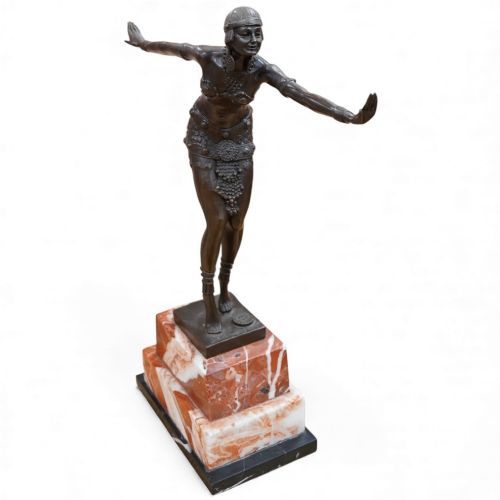
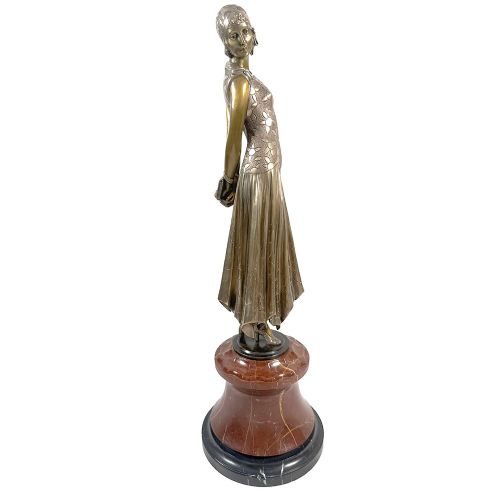
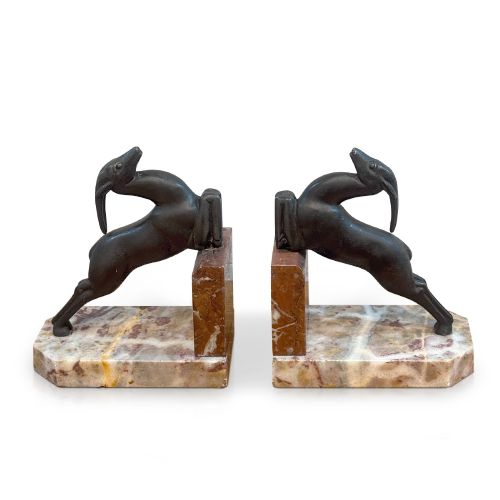
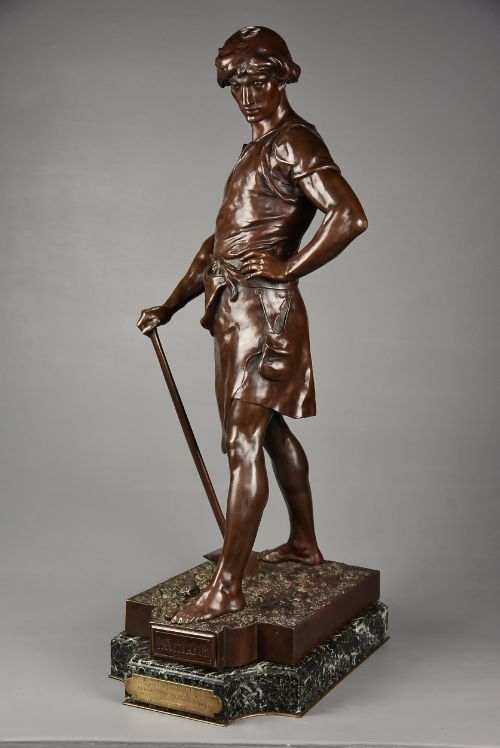
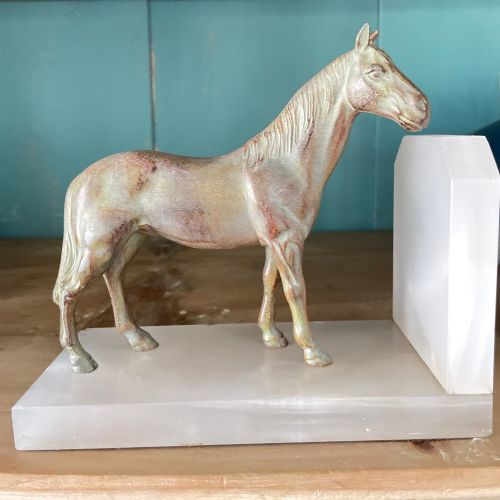
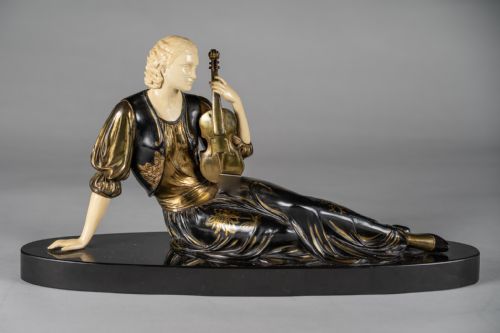
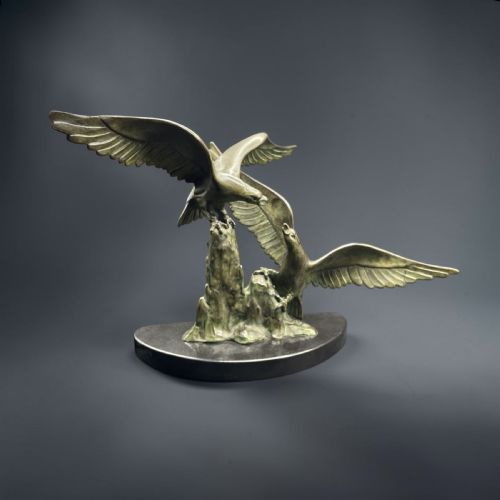
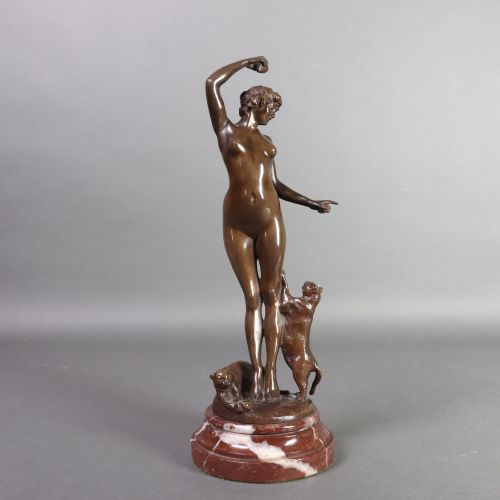
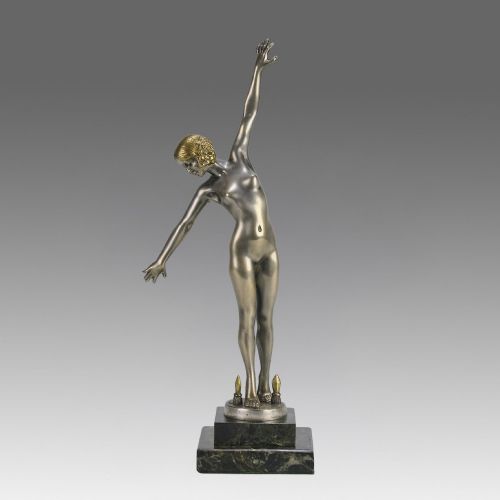
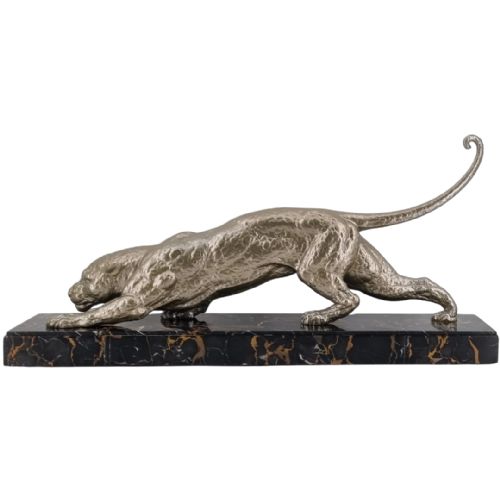
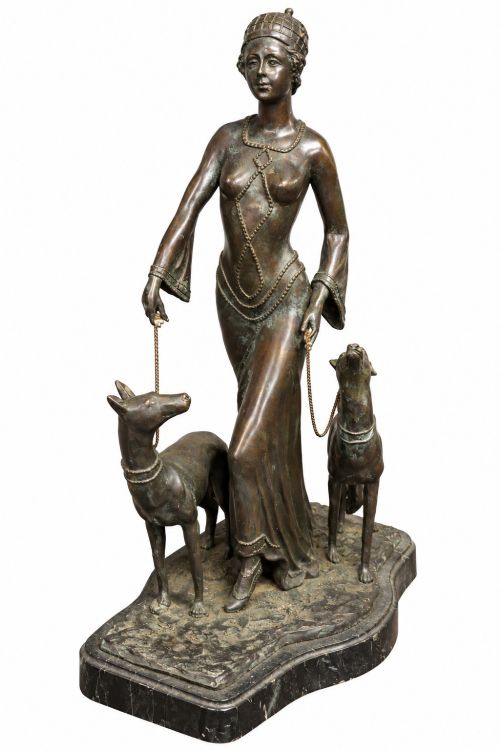
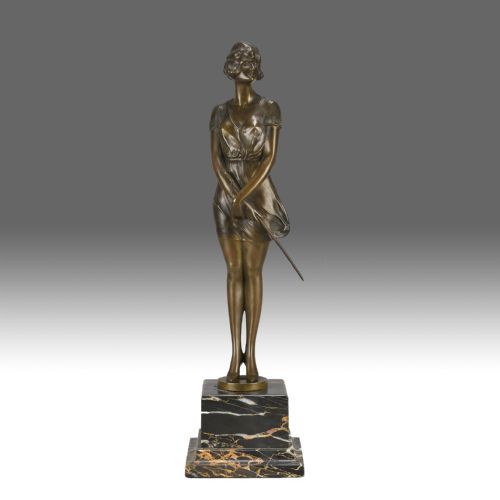
When you search for marble base bronze art, you encounter a specialised selection of figures, lamps, and bookends originating largely from the early twentieth century. Art Deco and Art Nouveau styles dominate the grouping, capturing dancers, athletes, animals, and mythological subjects mounted firmly on stone plinths.
You are most likely to meet pieces produced during the nineteen-twenties and nineteen-thirties, reflecting the streamlined aesthetics and dynamic movement of those decades. Alongside solid bronze castings, the selection includes related media such as patinated metal, gilt bronze, and spelter supported by marble or onyx bases.
Materials and construction
The objects combine cast metal components with natural stone plinths, utilising materials like bronze, gilt bronze, patinated metal, and spelter for the figures. These metal elements are frequently paired with black marble, coloured marble, or onyx to provide stability and visual contrast.
Makers employed techniques such as cold painting to add colour and detail to metal surfaces, while others utilised crystal glass or alabaster for associated lighting elements. The metal figures and animals are secured directly to the carved stone bases, creating substantial freestanding compositions.
Marble Base Bronze Art Retail Price Guide 2026
Typical asking prices for marble base bronze art among the pieces listed under this phrase on Sellingantiques today, from the lower quarter to the upper quarter. They describe what is for sale here now, not the wider market.
Listings feature periods from the Georgian era and Victorian times through the nineteen-tens, twenties, thirties, forties, and fifties, with Art Deco and Art Nouveau styles prominent.
Distinctions in quality
Quality in these works rests upon the crispness of the metal casting and the finesse of the chiselling and finishing work performed after the pour. Superior examples exhibit sharply defined facial expressions, intricate drapery, and detailed textures on hair and feathers.
The choice and preparation of the stone plinth further differentiate the pieces, with well-polished, substantial marble or onyx bases providing appropriate weight and balance. Signed works by recognised artists and sculptors typically display a higher degree of sculptural authority and finishing skill.
Ouillon Carrere·Lalique·Georges Gori·Gustave Dussart·D. H. Chiparus·Jean de Roncourt·Maurice Giraud-Rivière·Bruno Zach·Pierre Collinet·August Moreau·Hans Müller·Emile Carlier·Henri Godet·Aurore Onu·Demetre Chiparus·Zoldan Kovats·Georges-Charles Coudray·Antonio Merente
The Marble Base Bronze Art Glossary
- Bronze
- A copper alloy traditionally used for casting sculptures, prized for its durability and capacity to hold fine detail. It forms the primary metal medium for many sculptural works on this page.
- Spelter
- A zinc-based alloy utilised as an economical alternative to bronze for sculptural figures. It often appears with patinated finishes to simulate more costly metals.
- Cold painted
- A method where paint is applied to a metal sculpture without firing, common in decorative animal and human figures from the early twentieth century. This technique allows for vibrant surface colouration on bronze and metal.
- Patinated metal
- Metal treated with chemicals or heat to alter its surface colour and tone. This finish protects the metal and enhances sculptural depth.
- Onyx
- A banded variety of chalcedony quartz frequently used for sculptural bases. Its translucent qualities provide a decorative alternative to standard marble.
Marble Base Bronze Art: Frequently Asked Questions
What periods do these pieces represent?
The listings span from the late Victorian era through the Art Nouveau and Art Deco periods into the mid-twentieth century. The nineteen-twenties and nineteen-thirties are particularly well represented.
Creators and foundries from these decades produced the characteristic animalier studies, dancers, and lighting fixtures found across the selection.
How do I identify Art Deco style?
Art Deco pieces typically feature streamlined forms, geometric symmetry, and dynamic depictions of movement such as dancers and running animals. The materials often combine dark marble bases with patinated or silvered metal figures.
This aesthetic emerged strongly after the First World War, focusing on modern energy and decorative luxury.
Where should I place these items?
The substantial weight of the stone plinths makes these sculptures and lamps suitable for sturdy mantelpieces, sideboards, and heavy desk surfaces. Their balanced proportions allow them to anchor a room as focal points.
Table lamp variants provide functional lighting while maintaining the sculptural silhouette of the period.
What is cold painting?
Cold painting involves applying pigments to a metal sculpture without subjecting the piece to kiln firing. This technique allowed artists to render realistic plumage on birds or delicate garments on human figures.
Examining the remaining pigment reveals the original colour scheme intended by the maker.