

Maple Wood Table
A maple wood table brings pale warmth and striking grain into a room, spanning periods from the Regency era through to Art Deco design.
Maple Wood Table
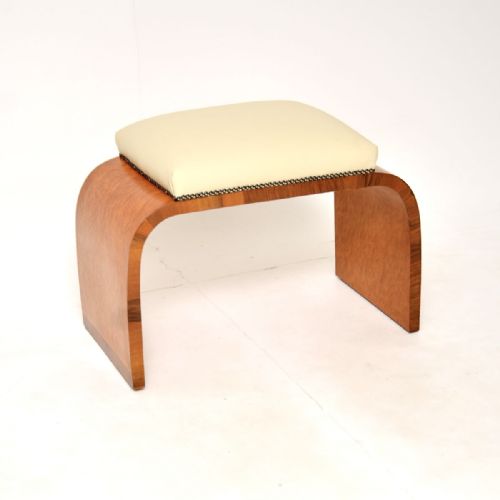
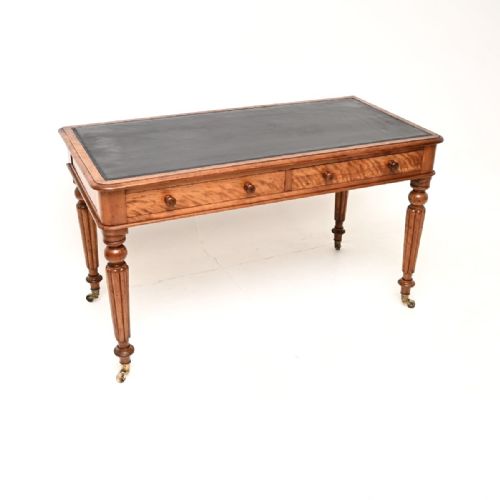
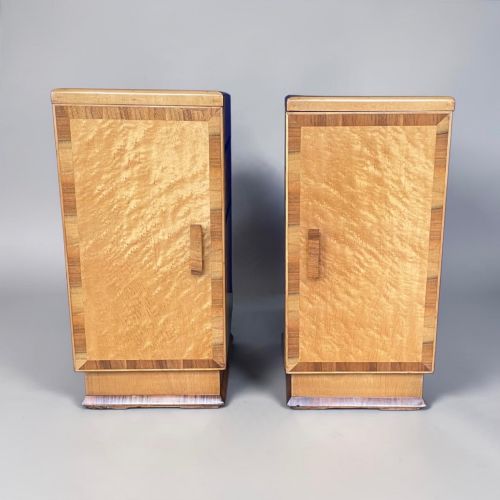
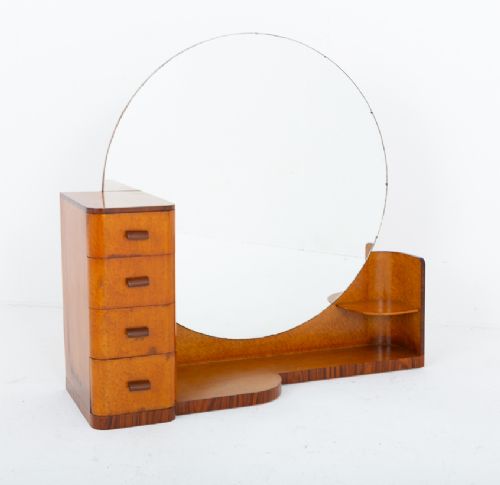
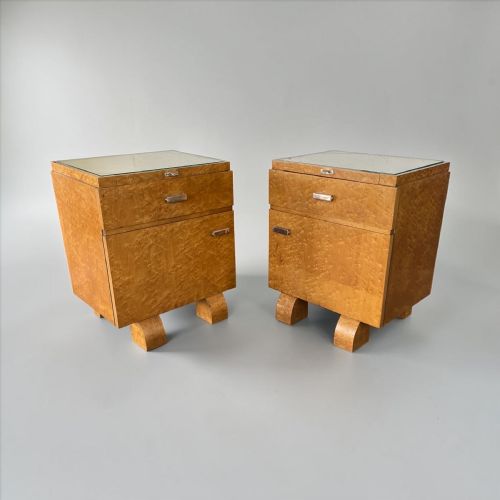
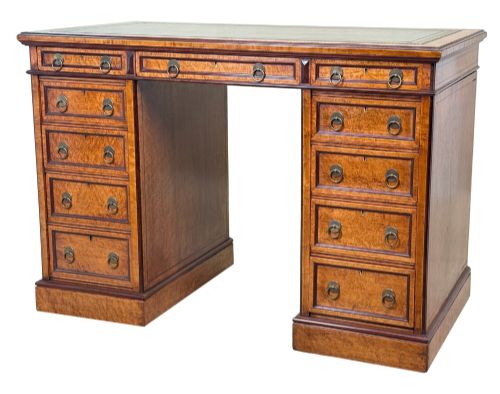
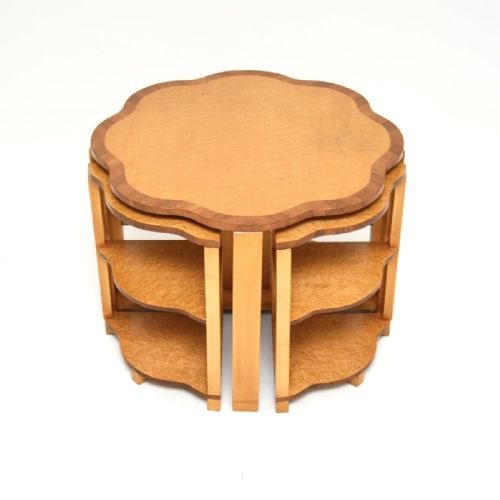
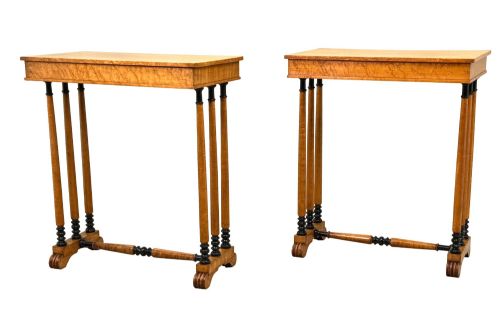
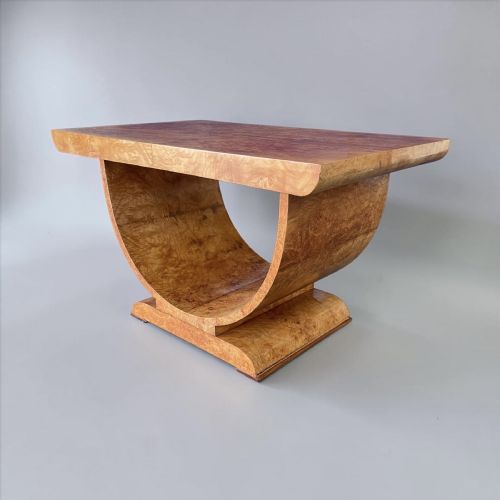
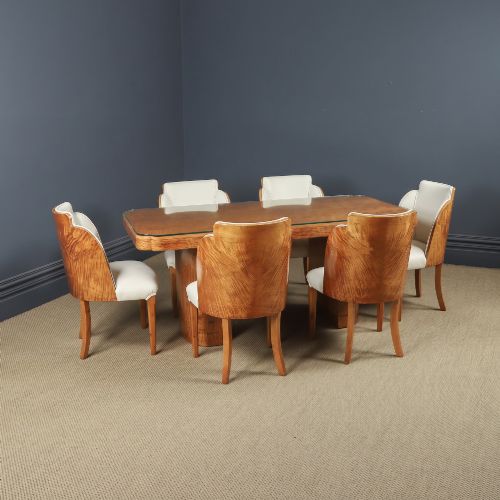
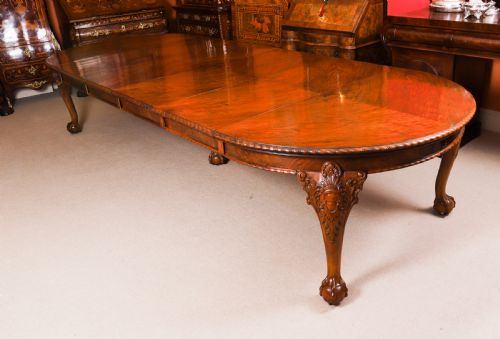
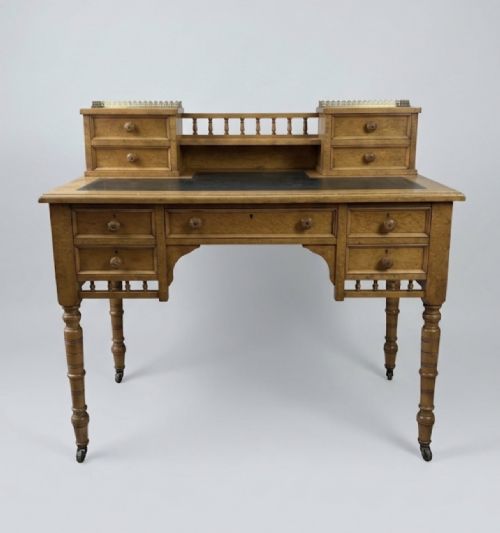
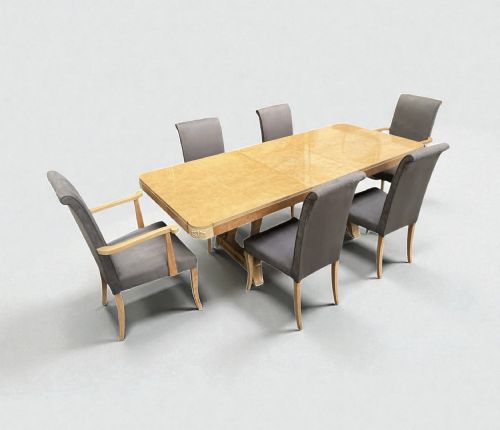
When searching for a maple wood table, buyers encounter a diverse selection ranging from nineteenth-century centre tables and pedestal desks to twentieth-century coffee tables and dining suites. The examples seen here heavily feature nineteenth-century craftsmanship alongside twentieth-century Art Deco forms.
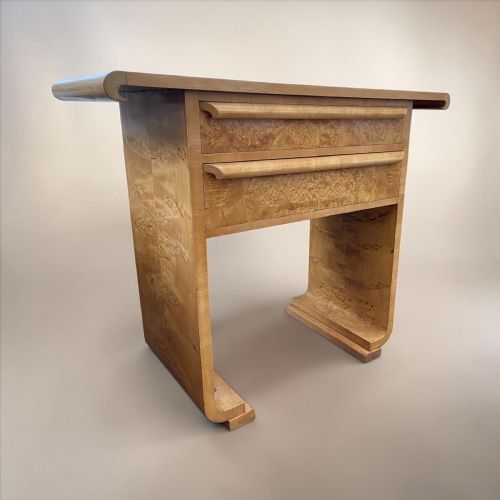
The assortment includes specific utilitarian and decorative variations such as occasional tables, sofa tables, tea-tables, and nesting sets. These pieces utilise distinctive timbers including birds eye maple and burr maple.
Origins span English, Scandinavian, French, and Biedermeier traditions, showing how cabinetmakers across Europe valued the pale timber for domestic furniture. Buyers primarily meet either formal nineteenth-century occasional and centre pieces or streamlined 1930s modernist designs.
What varies in quality
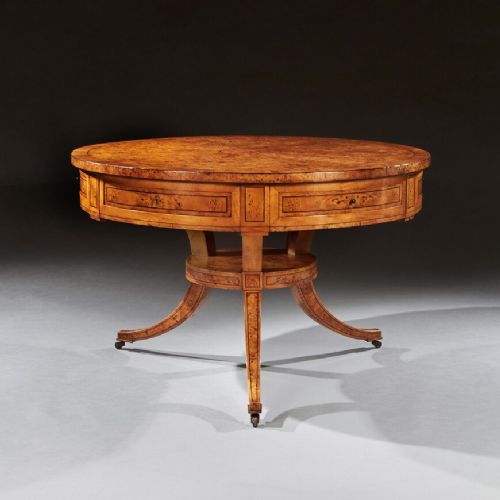
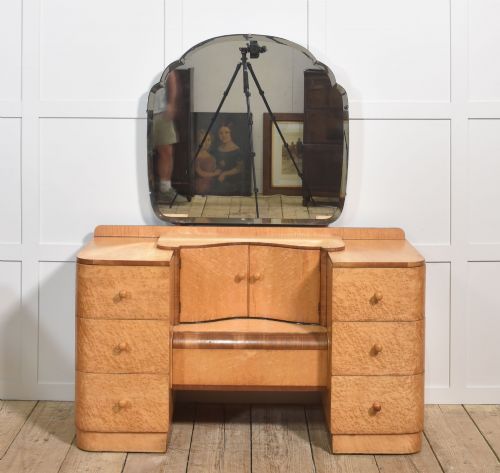
The visual impact of the timber figure dictates much of the distinction between pieces, with densely figured birds eye or burr maple commanding greater presence than plainer boards. Selection and matching of the grain across large surfaces reveal the skill of the original workshop.
Proportion and structural restraint separate simpler utilitarian items from ambitious cabinet work produced by prominent makers. The integration of secondary materials like leather inserts or brass fittings also shapes the refinement of each example.
Maple Wood Table Retail Price Guide 2026
Typical asking prices for maple wood table among the pieces listed under this phrase on Sellingantiques today, from the lower quarter to the upper quarter. They describe what is for sale here now, not the wider market.
Some nineteenth-century vessels doubled as spirits tables complete with built-in glass stands and teapoys for discreet hospitality.
Maple And Co·Fortnum And Mason·Hille And Company·Harry And Lou Epstein
The Maple Wood Table Glossary
- Birds Eye Maple
- A figured timber showing small, circular disruptions in the grain resembling tiny eyes. This pattern occurs naturally and is prized for decorative veneering.
- Burr Maple
- Timber taken from a growth or burl on the tree, yielding an intricate and swirling grain pattern. It creates highly decorative surfaces on table tops and cabinet fronts.
- Sofa Table
- A small rectangular table traditionally placed in front of a sofa, often featuring drop leaves and twin support pedestals. Nineteenth-century examples frequently incorporate drawers.
- Drum Table
- A circular library or occasional table with a deep skirt containing drawers, supported by a central pillar and multiple feet. Early nineteenth-century versions often utilised burr root maple.
- Centre Table
- A freestanding table designed to be viewed from all sides in the middle of a room. Mid-nineteenth-century examples in pale maple served as decorative focal points.
Maple Wood Table: Frequently Asked Questions
How do I care for a vintage maple table?
Keep the timber away from direct heat sources and strong sunlight to prevent the pale wood from darkening or drying out unevenly. Regular dusting with a soft, dry cloth maintains the polished surface without building up residue.
Avoid using silicone-based polishes or excessive moisture on veneered surfaces. Natural wax applied sparingly helps preserve the lustre of the grain.
What is birds eye maple?
Birds eye maple is a specific figure found in sugar maple trees where the grain swirls around small dots resembling bird eyes. This natural phenomenon creates a dotted, decorative pattern highly valued by cabinetmakers.
It appears frequently on nineteenth-century desks and twentieth-century Art Deco bedroom and dining suites. The distinctive figure is usually sliced into thin veneers for table tops and cabinet doors.
How do I distinguish Regency tables from Art Deco pieces?
Regency tables typically feature classical proportions, turned pedestal bases, and rosewood or brass stringing details. They reflect early nineteenth-century formality and traditional joinery.
Art Deco pieces from the 1930s embrace streamlined geometric forms, blonde finishes, and unadorned surfaces that highlight the natural grain. These later designs often include nesting tables, cocktail furniture, and matching dining suites.
Were these tables used for dining or display?
Maple wood tables served various functions depending on their form, ranging from large dining suites to small occasional stands and tea-tables. Smaller pieces accommodated daily domestic rituals like writing or serving spirits.
Larger formats, including centre tables and dining sets, were built for entertaining in formal rooms. The pale reflective quality of the timber suited well-lit interiors across multiple eras.