


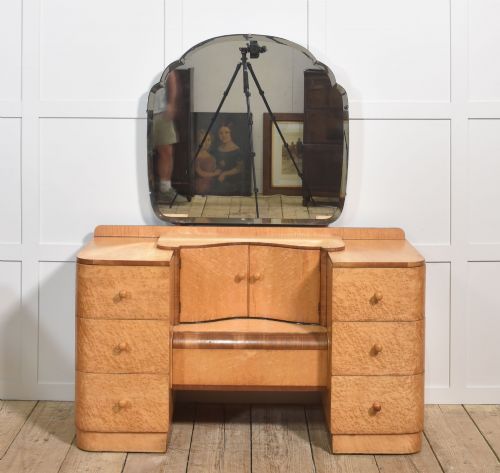

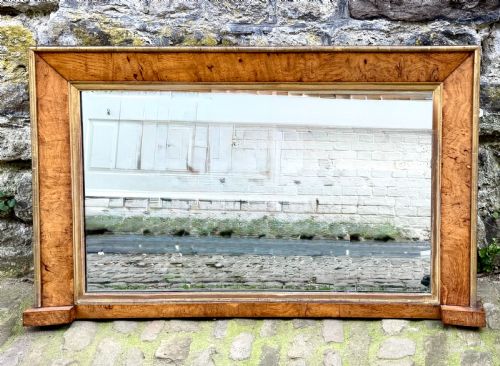


Maple Wood Mirror
These maple wood mirror pieces range from Georgian burr examples to Art Deco designs, bringing distinct timber figure and clean reflection to a room.
Maple Wood Mirror
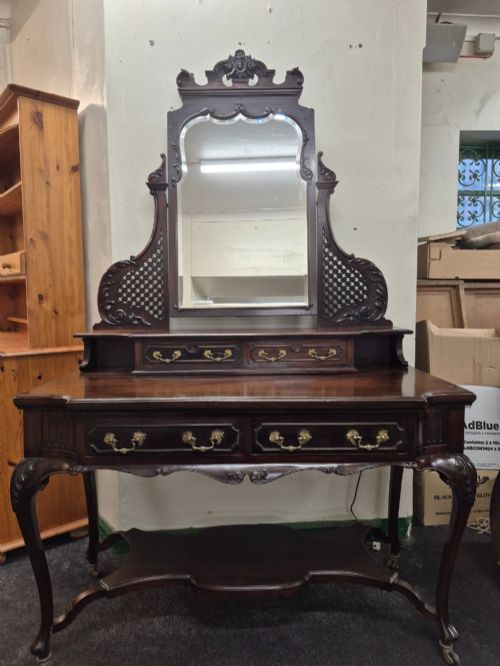
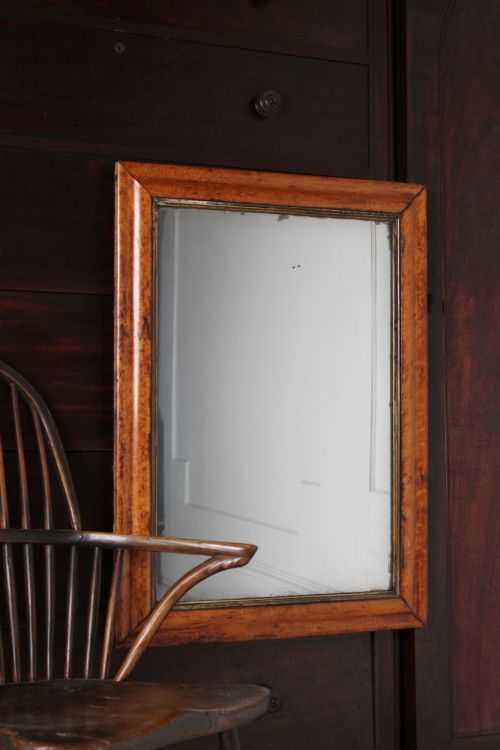
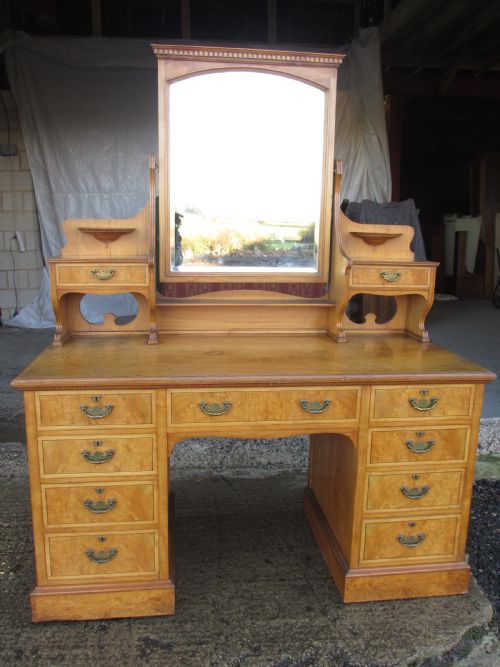
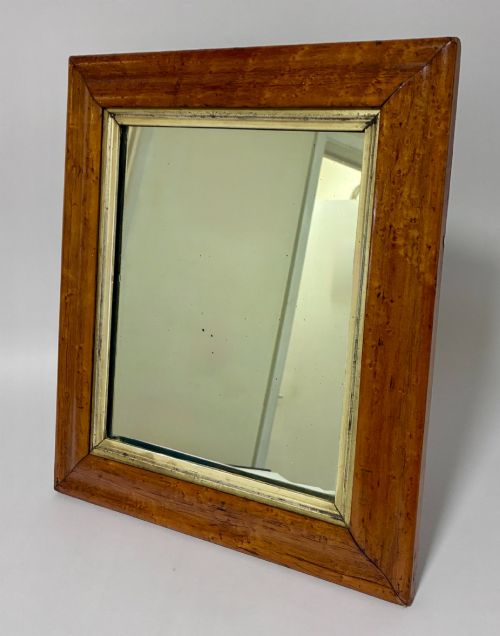
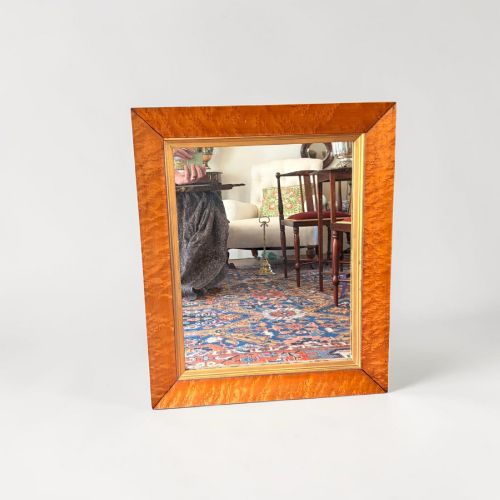
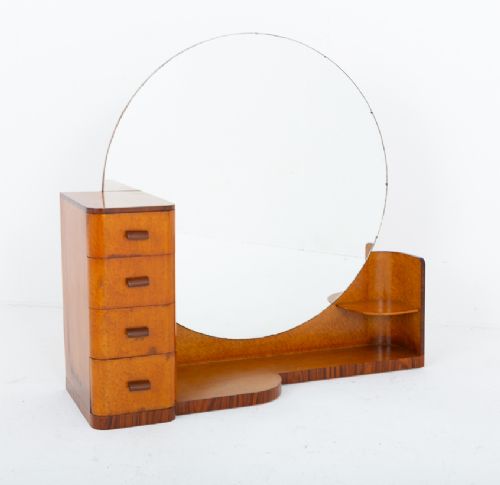
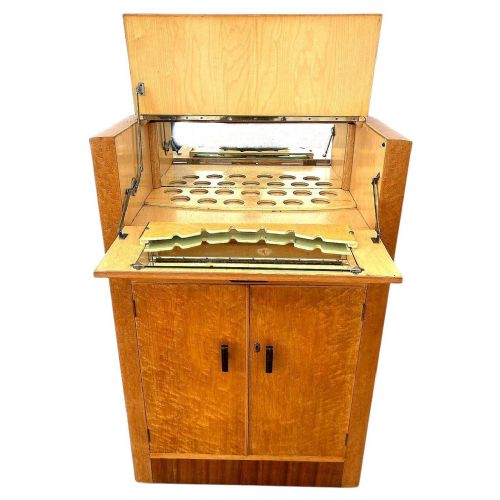
A maple wood mirror spans periods from the Georgian era through the nineteenth century and into Art Deco twentieth century production. You encounter wall hung frames, overmantel pieces, and integrated mirrors attached to dressing tables, wardrobes, and cocktail cabinets.
The timber frequently exhibits distinctive figuring, notably bird's eye and burr varieties, which provide rich natural patterning across the frame or furniture surface. Forms range from simple rectangular wall frames to architectural overmantels and elaborate dressing units with mirrored backs.
Materials and construction methods
Construction relies primarily upon solid maple, birds eye maple, and burr maple veneers applied to carcases or frames, occasionally accented with brass or gilded wood details. Glass and mirror glass form the reflective surfaces, set securely within timber rebates.
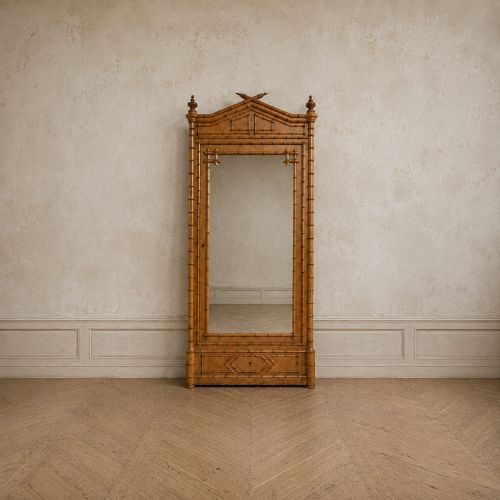
Joinery techniques span traditional cabinet making seen in Georgian and William IV periods through to the streamlined modernist construction of the 1930s. Faux bamboo turning also appears on specific nineteenth century French pieces, showing diverse woodworking skills.
Maple Wood Mirror Retail Price Guide 2026
Typical asking prices for maple wood mirror among the pieces listed under this phrase on Sellingantiques today, from the lower quarter to the upper quarter. They describe what is for sale here now, not the wider market.
Listings feature maple woodwork combined with brass, chrome, and gilded elements across Art Deco, Victorian, and Georgian periods.
Distinctions in craftsmanship and materials
Quality rests in the intensity and consistency of the timber figuring, where dense bird's eye or burr patterning elevates a piece visually. The depth of the timber preparation and the clarity of the original mirror glass further distinguish superior examples from simpler utilitarian items.
Execution of decorative details, such as carved mouldings, inlaid elements, or structural cohesion in larger furniture combinations, marks the division between standard production and master workshop output.
Maurice Adams·Harry and Lou Epstein·Maple and Co
The Maple Wood Mirror Glossary
- Birds Eye Maple
- A figure in maple wood where little swirling knots resemble small birds eyes. This characteristic pattern occurs naturally in the grain.
- Overmantel Mirror
- A large mirror designed to hang directly above a fireplace mantelpiece. These architectural pieces often reflect light deep into a room.
- Faux Bamboo
- Timber turned and carved to resemble natural bamboo stalks. This decorative technique became popular during the nineteenth century.
- Burr Maple
- A growth on a maple tree resulting in complex swirling patterns in the wood. Cabinet makers prize this timber for decorative veneer work.
Maple Wood Mirror: Frequently Asked Questions
How do I date a maple mirror?
Dating relies upon examining the construction methods, backboards, and stylistic cues inherent to periods like the Georgian era, William IV, or Art Deco.
Timber preparation and mirror glass bevelling or silvering techniques provide further physical evidence for determining the exact age of the piece.
Where should I hang an overmantel mirror?
Overmantel mirrors are traditionally positioned centrally above a fireplace mantelpiece to anchor the room's proportions and reflect natural light.
They also function effectively on principal living room walls when secured adequately to support their substantial weight and size.
What is bird's eye maple?
Bird's eye maple is a distinctive timber mutation featuring small, circular markings that resemble tiny eyes scattered across the grain.
Cabinet makers utilise veneers of this figured wood to create striking visual patterns on dressing tables, cabinets, and mirror frames.
How do I care for antique maple wood?
Preserving antique maple requires maintaining stable room temperatures and avoiding direct sunlight to protect the delicate veneers and timber finish.
Gentle dusting with a dry cloth is sufficient, avoiding harsh chemical polishes that can degrade historical surfaces over time.