


Maple Picture Frame
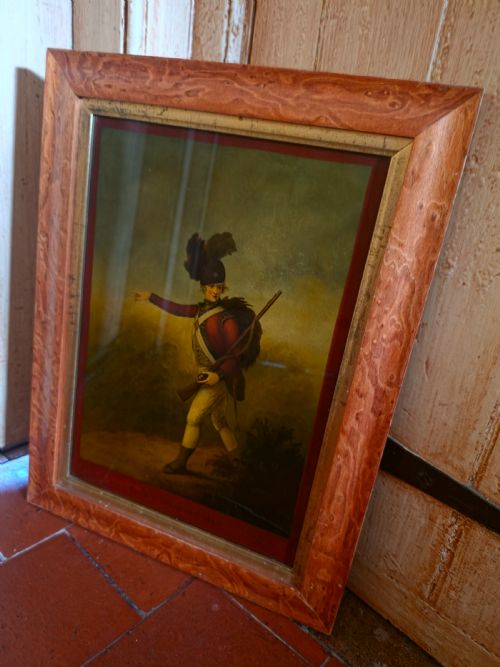
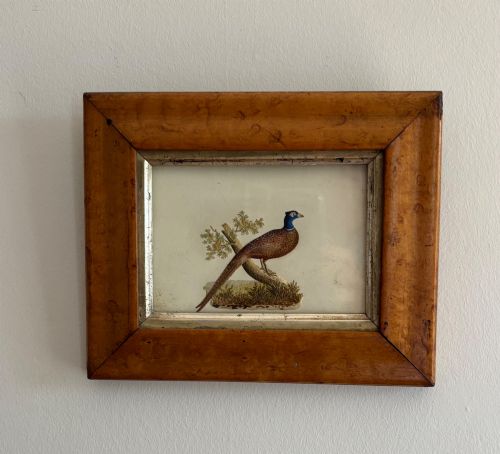
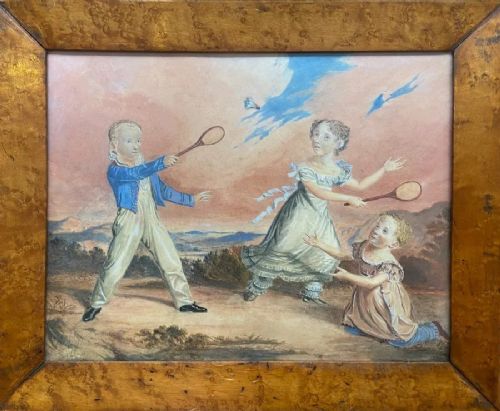
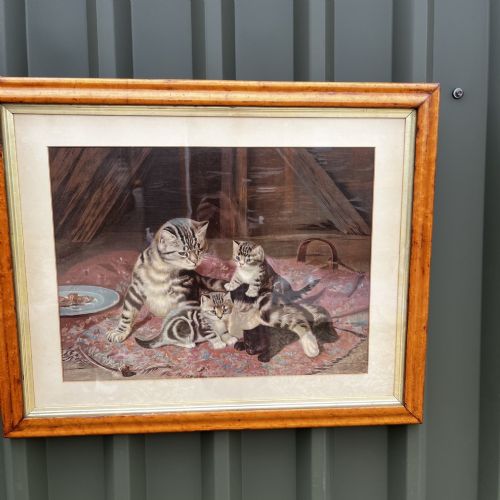
A maple picture frame brings warmth and distinct figuring to artwork, housing nineteenth-century watercolours, needleworks and prints with quiet distinction.
Maple Picture Frame
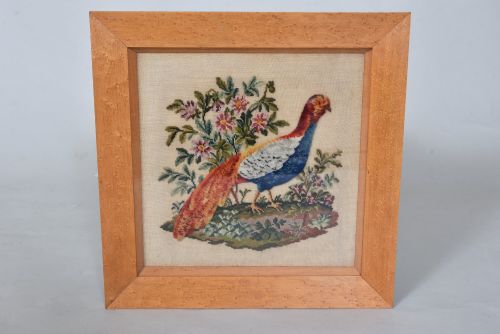
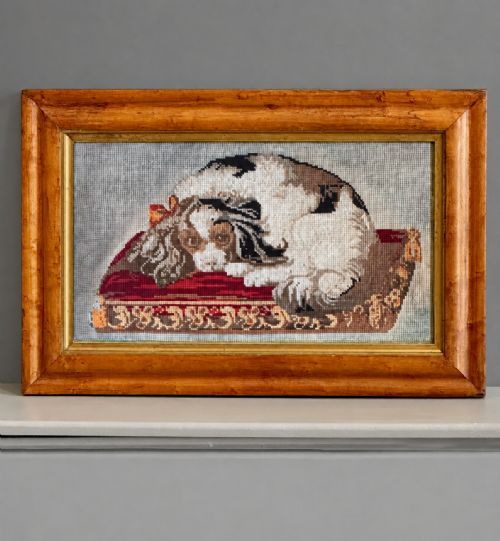
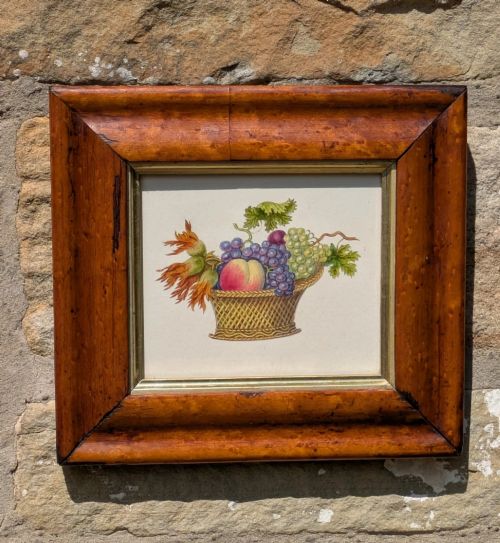
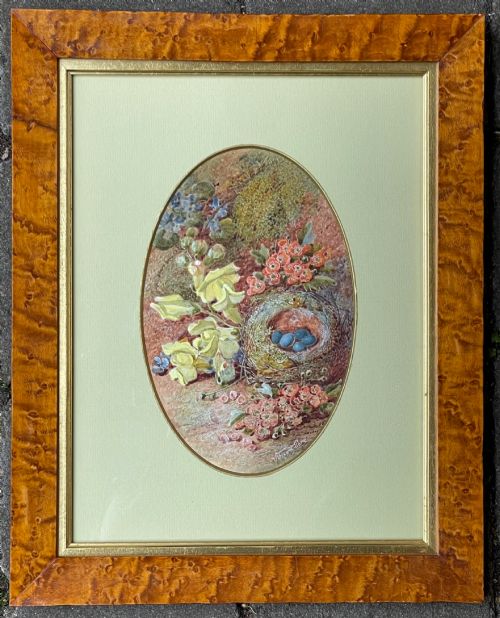
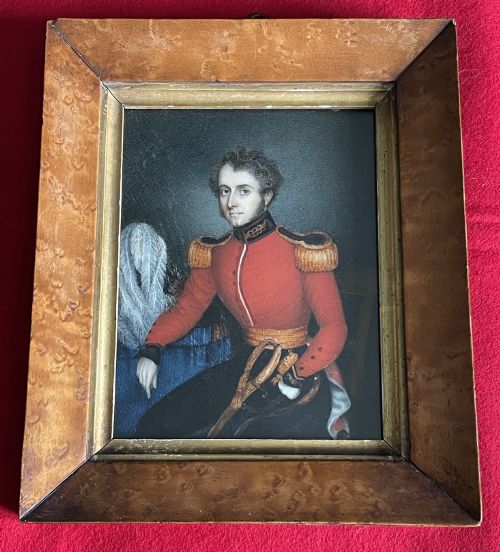
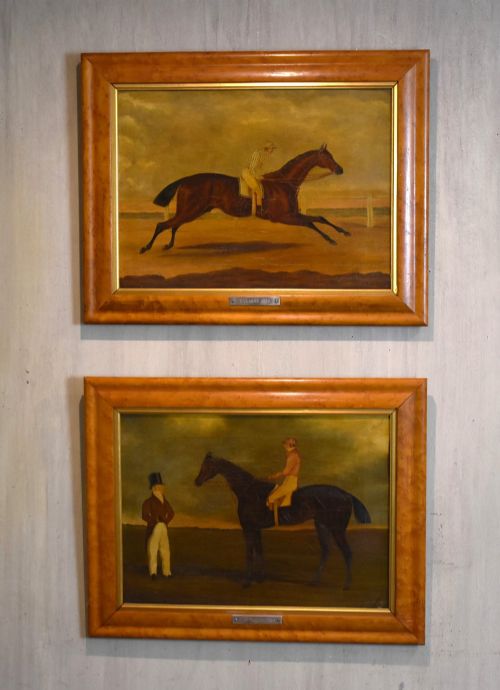
When you search for a maple picture frame, you encounter wooden enclosures housing diverse nineteenth-century works, from Berlin wool needlework and silk floss samplers to reverse glass prints and portrait miniatures. The examples seen here span Georgian, Regency, Victorian and Biedermeier periods, reflecting the enduring popularity of this timber for framing works on paper and fabric.
The most frequent form on this page is the nineteenth-century frame utilising burr or bird's eye maple, often enclosing domestic animals, sporting scenes, silhouettes or botanical subjects. These pieces combine honeyed wood tones with varied grain patterns, providing a neutral yet characterful border that complements the muted palette of period art.
How they were made
Makers selected timber for its distinctive figuring, particularly bird's eye and burr maple, which offered intricate spots and swirls when cut and polished. Woodwork from this era relied on traditional joinery techniques to form clean mitred corners around delicate glass plates and paper or textile artworks.
Surfaces received careful finishing to protect the timber and enhance the natural grain, frequently using shellac or clear polish rather than heavy pigments. Gilt accents or inner slips occasionally appeared alongside the wooden moulding, adding contrast to darker oil paintings and engravings.
Listings incorporate nineteenth-century periods including Regency, Victorian and Georgian, utilising materials such as maple, gold leaf and glass.
What varies in quality
The distinction between standard examples and finer pieces lies primarily in the intensity and selection of the timber's grain. Frames utilising choice cuts of bird's eye or burr maple with balanced, striking patterns command greater appreciation than plain timber iterations.
Proportion and execution also define the upper tier of these pieces, where the width of the moulding harmonises precisely with the scale of the enclosed artwork. Original retention of the backing boards, glass and fitting contributes significantly to the integrity of the object.
The Maple Picture Frame Glossary
- Bird's Eye Maple
- Timber featuring small, circular figure marks resembling tiny eyes caused by local disruptions in the wood grain. This figuring is highly prized for decorative furniture and framing.
- Burr Maple
- Wood harvested from a tree growth where the grain has grown in a deformed, swirling manner. It produces rich, mottled patterns when sliced and polished.
- Reverse Glass
- A technique where painting or printing is executed directly onto the reverse side of a glass sheet so the image is viewed through the front. It protects the medium from atmospheric damage.
- Berlin Work
- A type of needlework popular in the nineteenth century using wool on canvas following a numbered grid pattern. These brightly coloured pieces frequently survive in period wooden surrounds.
- Silhouette
- A portrait profile cut from dark paper or painted onto a pale background, often housed behind glass in a narrow frame. They capture likenesses through stark outline rather than internal detail.
Maple Picture Frame: Frequently Asked Questions
How do I date a maple frame?
Dating relies on the assembly methods, the type of glass, and the accompanying artwork. Nineteenth-century examples often display hand-sawn timber and early backing materials.
Changes in moulding width and finishing techniques across Georgian, Regency, and Victorian eras also provide reliable chronological clues for the collector.
Are these frames usually sold with artwork?
Most listings preserve the original contents, ranging from needlework samplers and silhouettes to sporting prints and watercolours. The combination of frame and art often represents a unified historical period.
Empty frames do appear occasionally, valued specifically for their timber figuring and rebate dimensions.
How should I clean bird's eye maple?
Maintenance requires only a soft, dry cloth to remove dust from the polished wooden surface. Avoid moisture, chemical polishes, and direct sunlight to preserve the finish.
Gentle care ensures the natural oils and honey tones of the timber remain stable over decades of display.
What is bird's eye figure?
Bird's eye figure is a natural anomaly in maple wood that creates tiny circular impressions resembling small eyes. This visual characteristic occurs randomly during the growth of the tree.
When sliced into veneers or mouldings, the timber displays an appealing dotted pattern that defined quality nineteenth-century decoration.