



Male Nude Figure Sketch
A male nude figure sketch is a study of the human form on paper, prized by collectors for its direct record of draughtsmanship and classical training.
Male Nude Figure Sketch
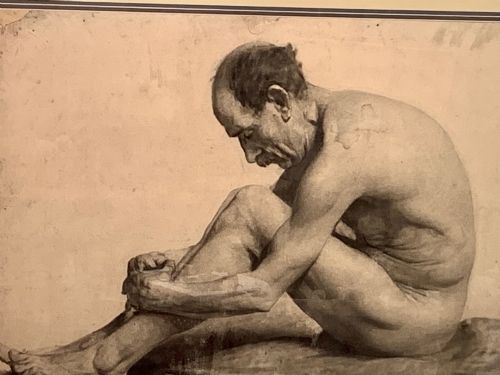
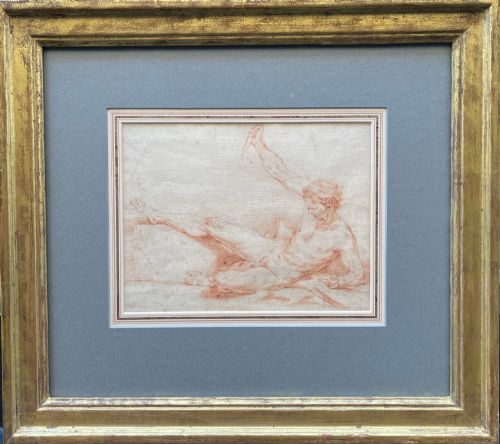
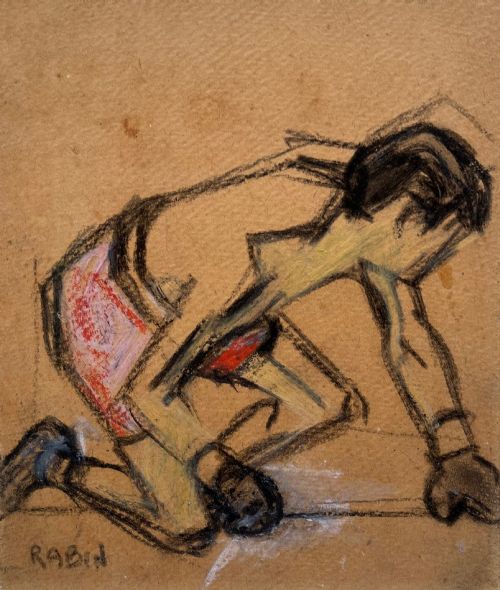
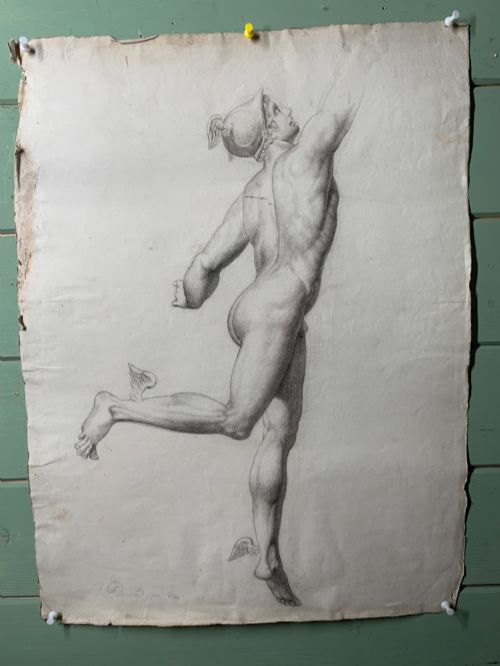
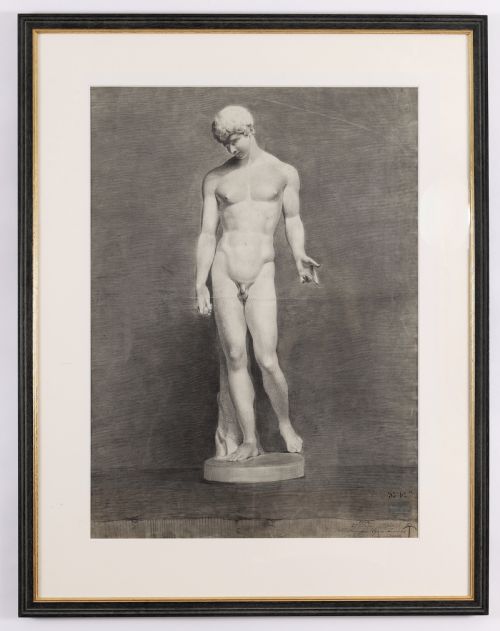
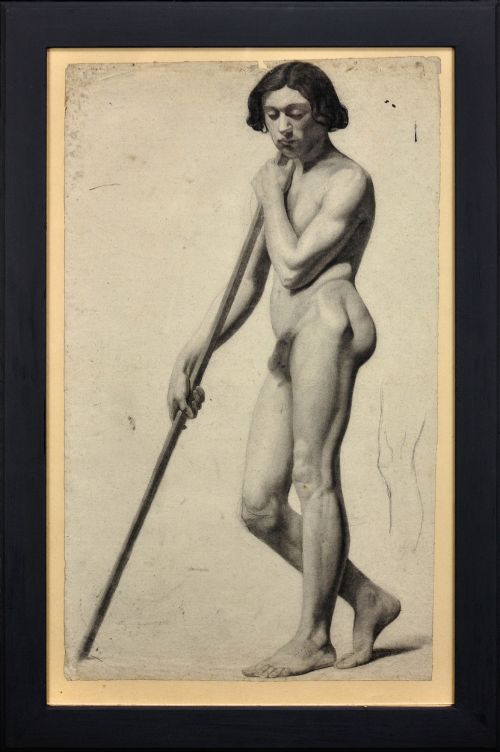
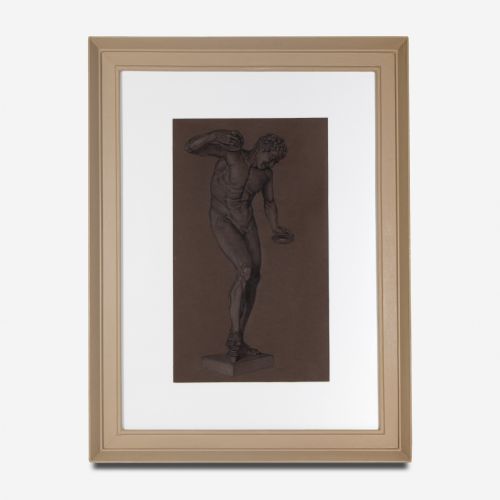
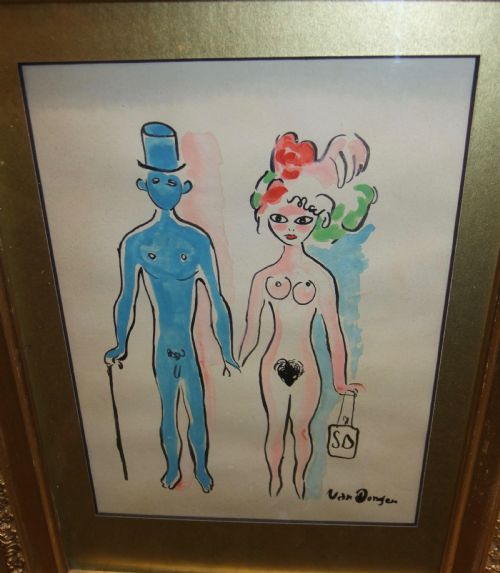
A male nude figure sketch captures the human anatomy through direct observation, emerging from rigorous academic training across several centuries. When you search for a male nude figure sketch, you encounter works executed in charcoal, graphite, red chalk, and ink upon paper.
The selections available here span from the eighteenth century through to the mid-twentieth century, encompassing periods such as the Georgian era, nineteenth century, and the nineteen twenties. Forms range from framed drawings and original artwork to academic life studies and classical copies.
The dominant examples on this page are academic life studies and mythological subjects executed by draughtsmen trained in traditional methods. These pieces demonstrate the evolving approaches to the human form across Neoclassical, French Rococo, Academic Realism, Modern British, Fauvism, and Modernist styles.
Materials and methods
Draughtsmen worked primarily on paper substrates, utilising media such as graphite, charcoal, ink, and red chalk to build tone and line. These materials allowed artists to record rapid gestures and detailed anatomical structures during live life-drawing sessions.
Many of these drawings are housed behind glass within wooden frames, occasionally featuring gilded wood finishes that reflect the framing conventions of their respective periods. The combination of paper supports and traditional drawing media requires controlled environmental conditions to preserve the integrity of the line.
Listings feature paper supports combined with graphite, charcoal, ink, and red chalk across several centuries.
Distinguishing quality
The distinction between works rests upon the surety of the draughtsmanship and the accuracy of anatomical rendering achieved by the artist. Stronger pieces display a confident grasp of muscle structure, proportion, and shadow without relying on heavy corrections.
Context and provenance elevate certain works, particularly those tied to identifiable academic traditions, named draughtsmen, or documented periods such as the French pre-Second Republic era. The harmony between the drawing and its period framing also contributes to the overall cohesion of the piece.
Hyacinthe Colin de Vermont·Samuel Rabin·Henry Arthur Roberts·Kees van Dongen
The Male Nude Figure Sketch Glossary
- Academic life study
- A drawing produced from a live model within a formal art academy setting. These works focused on mastering human anatomy and proportion.
- Red chalk
- A brownish-red haematite pigment used for drawing, highly favoured by artists for sketching the human form due to its warm tone.
- Graphite
- A form of crystalline carbon used in pencils, allowing draughtsmen to achieve fine lines and varied tonal shading on paper.
- Neoclassical
- A style rooted in the art and culture of classical antiquity, emphasising severe lines, heroic subjects, and balanced composition.
- Charcoal
- A dry drawing medium made from slowly burned wood, used to create deep blacks and sweeping gestural marks on paper.
Male Nude Figure Sketch: Frequently Asked Questions
What is a male nude figure sketch?
A male nude figure sketch is a work on paper depicting the unclad human male form, typically created as an observational study from life. These drawings served as foundational exercises for artists training in classical and academic institutions.
Over the centuries, the purpose of such sketches shifted from strict anatomical instruction to expressive interpretations of the human body. Today, collectors value them for their direct insight into the draughtsman's technical skill and working process.
How are these drawings framed?
These works on paper are typically mounted behind glass and set within wooden frames, protecting the delicate medium from dust and atmospheric damage. Some period pieces retain their original gilded wood frames, which complement the classical aesthetic of the drawings.
When housing antique works on paper, proper framing prevents direct contact between the glass and the drawing surface. This preservation method ensures the charcoal, graphite, or chalk remains stable over time.
How do I date a drawing?
Dating a drawing involves examining the watermark of the paper, the chemical composition of the medium, and the stylistic conventions of the period. Inscriptions, signatures, and framing styles often provide additional clues to the exact decade of creation.
Comparisons with dated academic studies from the same era help narrow down the timeline. Academic drawings frequently follow strict stylistic evolutions that reflect the teaching methods of specific art schools.
How should I display works on paper?
Works on paper require placement away from direct sunlight and high humidity to prevent fading and paper degradation. Maintaining a stable indoor environment protects both the paper support and the drawing media from deterioration.
Using UV-filtering glass during framing offers an essential layer of defence against light damage. This precaution allows you to enjoy the fine details of graphite, chalk, and ink safely on the wall.