




Charcoal Figure Sketch Artwork
Charcoal figure sketch artwork brings together expressive academic studies and intimate portraits rendered on paper across centuries.
Charcoal Figure Sketch Artwork
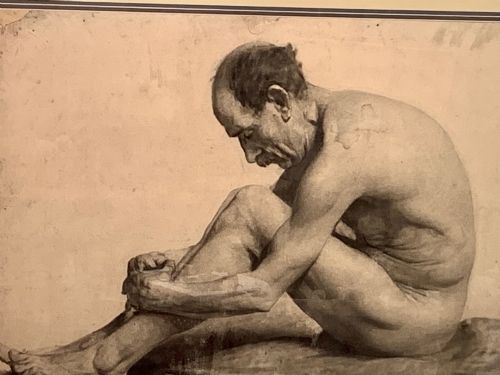
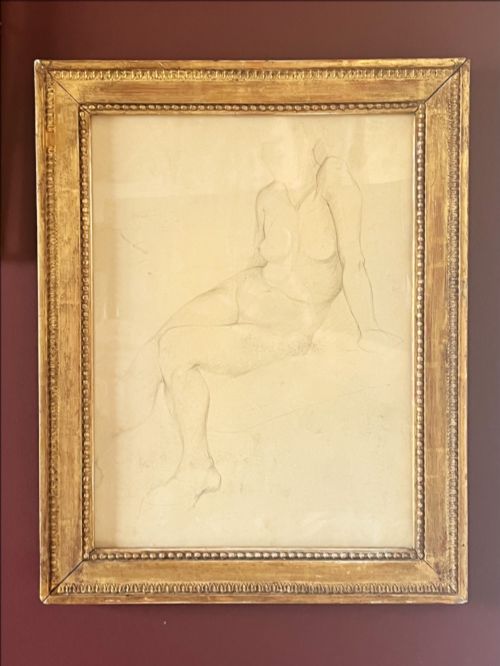
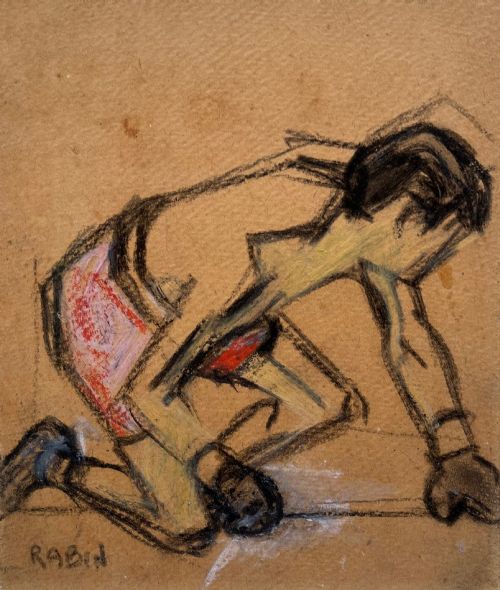
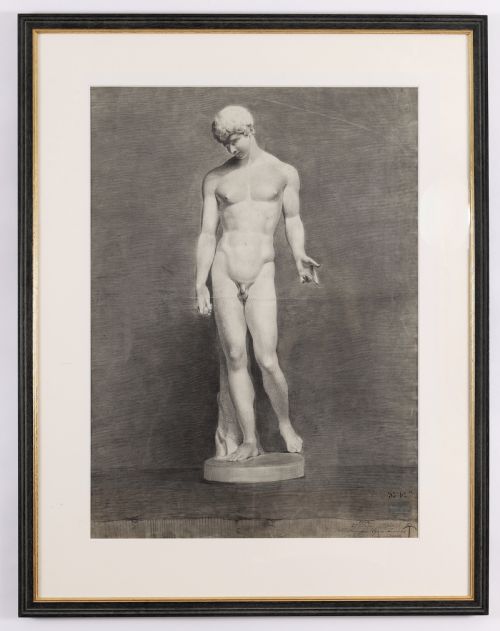
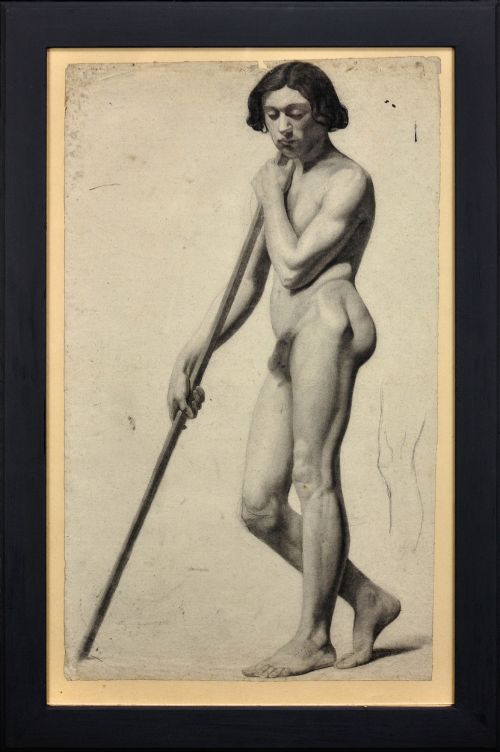
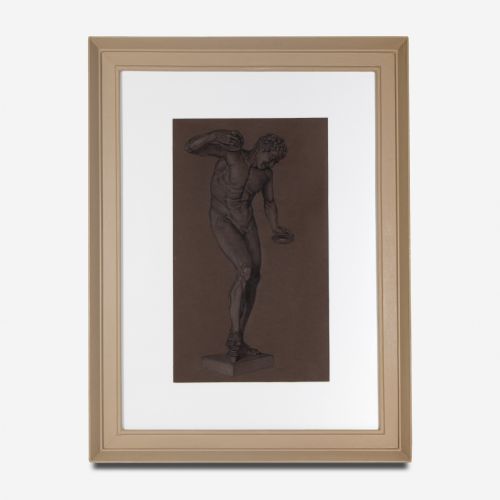
When you search for charcoal figure sketch artwork, you encounter original drawings executed primarily on paper surfaces. These pieces capture the human form through life studies, academic exercises, and portraits.
The selection ranges from eighteenth-century portrayals and nineteenth-century academic life studies to twentieth-century modern British and art deco examples. Framed artwork and wall art dominate the forms present.
Makers and schools represented span English, French, Italian, and African origins, showcasing figures, nudes, and pastoral family scenes.
Materials and Techniques
The execution relies fundamentally on charcoal applied to paper, frequently supplemented with chalk, graphite, and pastel to build tone and depth. Toned paper surfaces provide a mid-tone ground that allows artists to develop both highlights and deep shadows efficiently.
Framing forms an integral part of the physical object, utilising antique gilt frames and carved Florentine wooden surrounds to protect the works behind glass.
The works encompass academic realism, cubism, and art deco styles across the eighteenth, nineteenth, and twentieth centuries.
Evaluating the Works
The distinction between standard academic exercises and superior pieces rests on the confidence of the draughtsmanship and the expressive weight of the line. Mastery of anatomy and the subtle handling of shadow distinguish accomplished life studies from routine classroom output.
Provenance and attribution elevate certain pieces, particularly those bearing documented signatures or connections to established academies and known artists.
Samuel Rabin·Henry Arthur Roberts·Demetrios Galanis·Winifred Eugene Ballard·John Hoppner·Frank Dobson·Sonia Lawson·George Richmond
The Charcoal Figure Sketch Artwork Glossary
- Life study
- A drawing executed from a live human model, serving as a foundational exercise in academic training. These works record the physical form with direct observation.
- Deux crayon
- A drawing technique utilising two distinct pencils or chalks, usually black and red, on toned paper. This method generates warmth and varied tonal contrast.
- Academic realism
- A style of painting and drawing produced under the influence of European academies of art. It emphasises precise anatomical accuracy and traditional compositional rules.
- Provenance
- The chronological history of the ownership of a work of art. Documented records establish authenticity and historical context.
- Pastel
- A dry painting medium in the form of a stick, consisting of powdered pigment and a binder. It permits immediate application of rich colour onto paper.
Charcoal Figure Sketch Artwork: Frequently Asked Questions
What periods do these charcoal figure sketches come from?
The works span from the eighteenth century through the nineteenth and twentieth centuries, encompassing periods such as the Edwardian era and the art deco movement.
Dates on individual pieces range from specific years like 1836 and 1923 to broader nineteenth and twentieth-century school classifications.
How should I display charcoal drawings at home?
Charcoal and pastel drawings require protection behind glass to prevent smudging and degradation from airborne dust and moisture.
Keep framed pieces away from direct sunlight to protect the paper support and the delicate carbon or pigment lines from fading.
What is an academic life study?
An academic life study is a detailed drawing of a human model created within a formal training environment to master anatomy, light, and shadow.
These pieces often focus strictly on the physical form, capturing male or female nudes in specific standing or crouching stances.
Are these works original or reproductions?
The listings consist entirely of original drawings and sketches executed by hand on paper using charcoal, graphite, chalk, or pastel.
Each item represents a unique creation by an artist or a specific school rather than a modern print reproduction.