
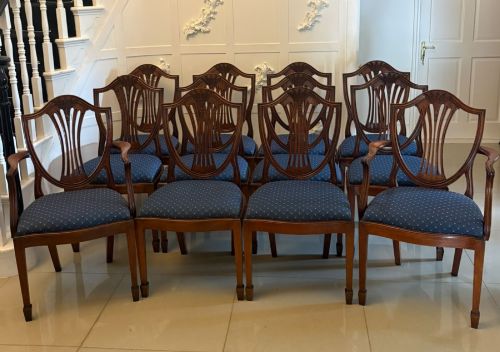
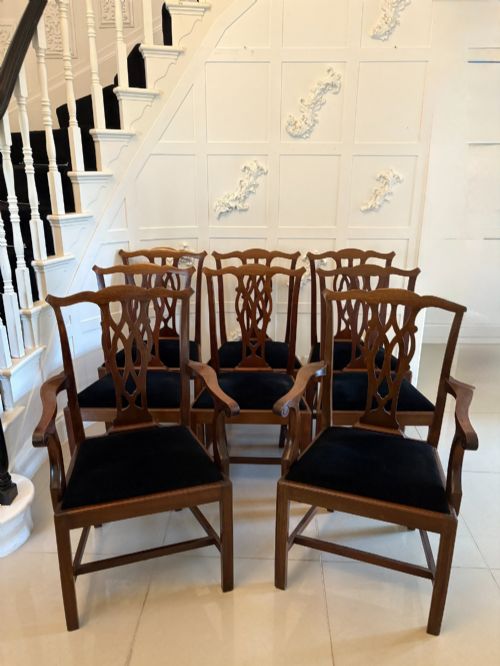
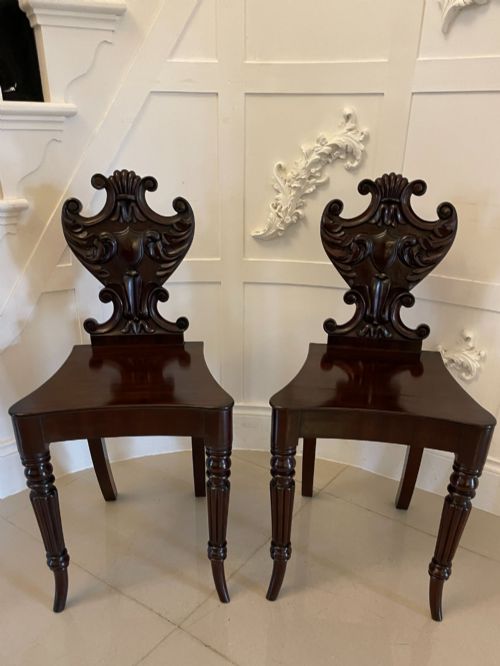
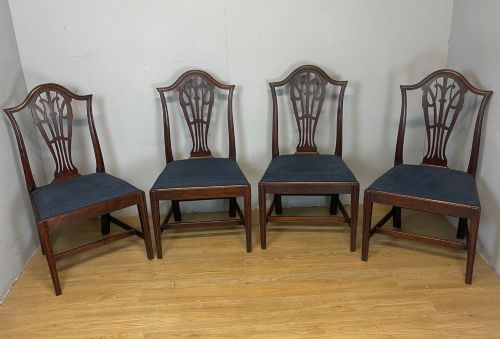
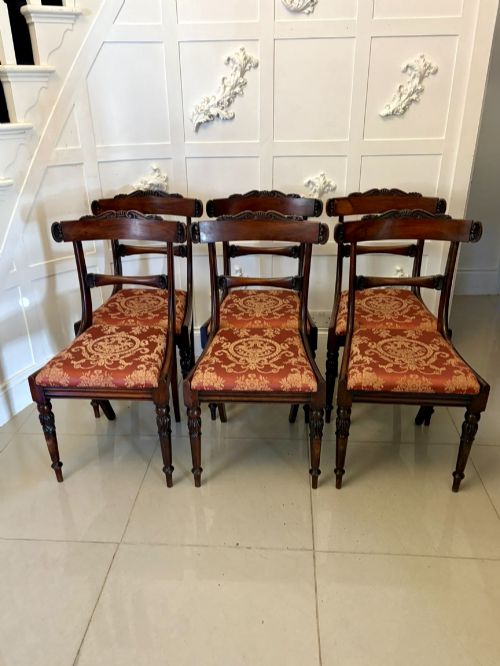
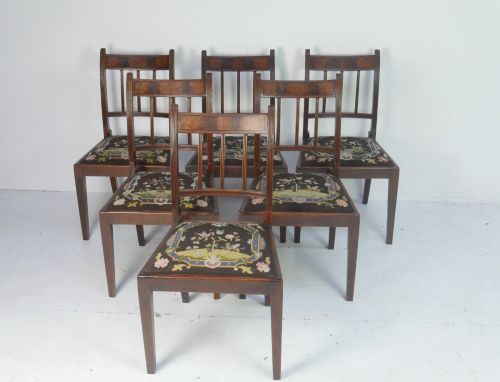
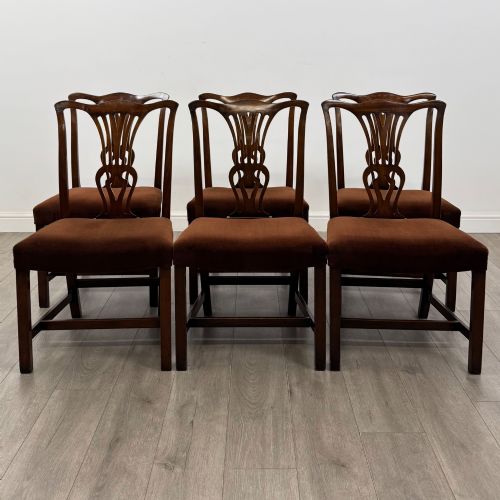
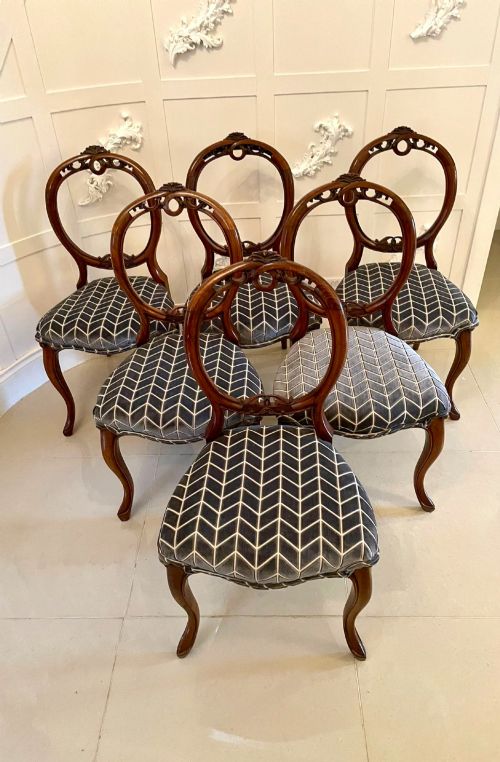
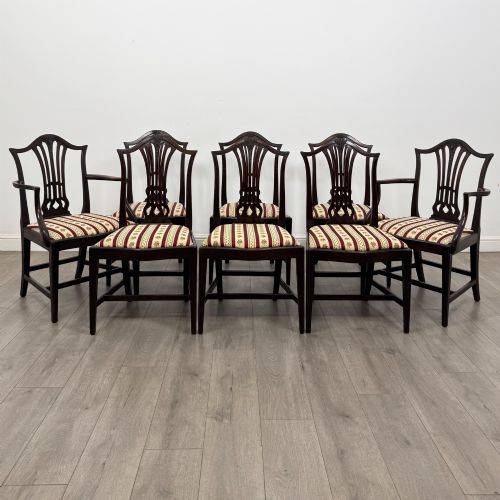
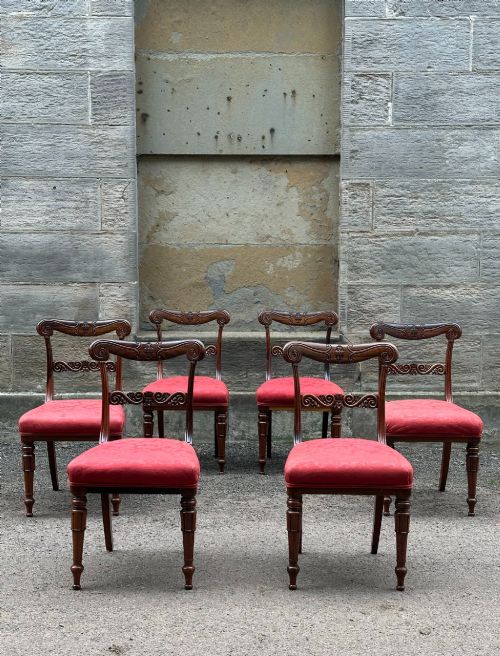
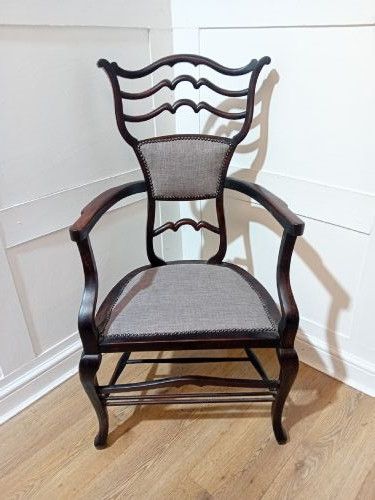
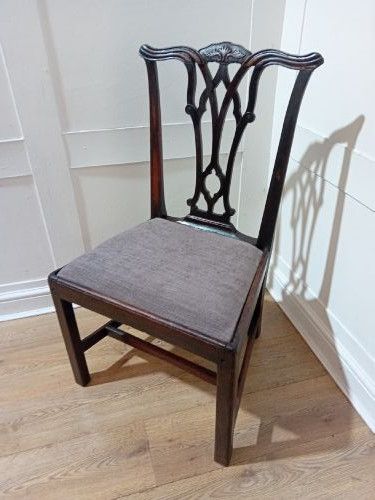
Mahogany Wood Side Chairs
Mahogany wood side chairs bring centuries of warm timber grain and formal grace to a room.
Mahogany Wood Side Chairs
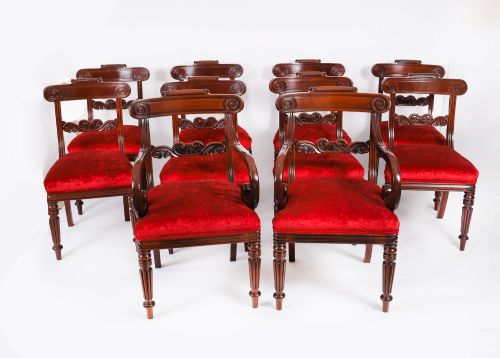
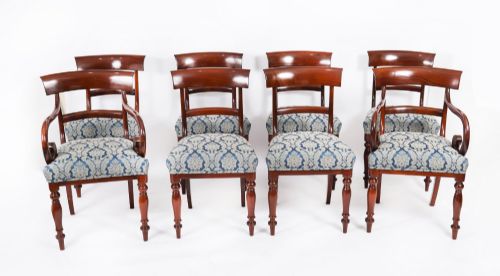
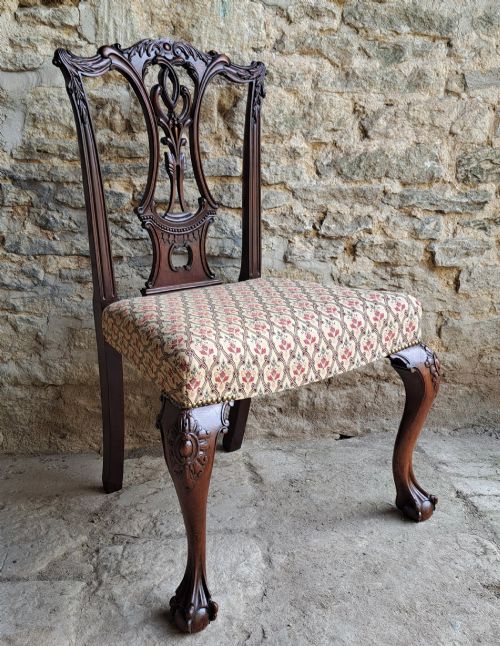
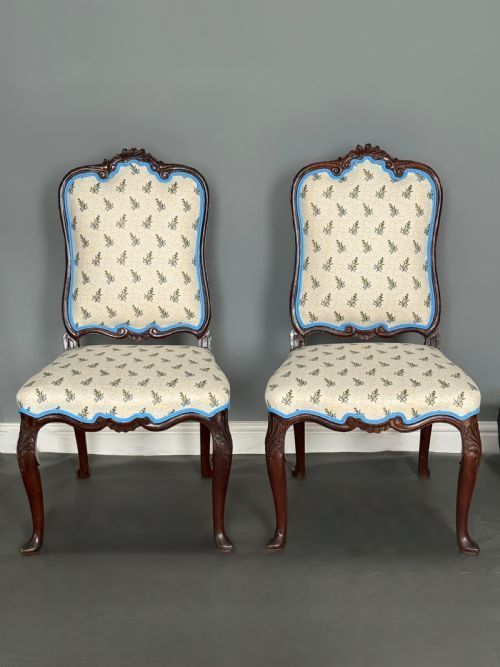
When you search for mahogany wood side chairs, you encounter seating designed for dining rooms, halls, and parlours across the eighteenth, nineteenth, and early twentieth centuries. These chairs served functional roles around dining tables or against hallway walls while displaying the stylistic shifts of their respective periods.
The selections span distinct eras including Georgian, Regency, Victorian, and Edwardian periods. Pieces range from simple hall chairs with solid timber seats to ornate dining sets with carved shield backs or balloon backs.
Single chairs and large sets appear alongside armchairs and carvers, showing the variety of seating arrangements created in mahogany. Many examples incorporate design influences such as Chippendale, Sheraton, and Hepplewhite revival styles.
How they were made
Cabinet makers utilised dense timbers like Cuban and solid mahogany, occasionally combining them with contrasting woods such as satinwood and rosewood for inlaid decorative motifs. These materials provided the structural strength needed for slender legs and intricate carved splats.
Upholstery methods involved textile, fabric, velvet, and hand-stitched tapestry supported by traditional webbing and stuffing techniques. Cane seating also appears, woven through pierced wooden frames to create flexible, lighter seats.
Listings feature mahogany, rosewood, satinwood, and cane materials across Georgian, Victorian, and Edwardian eras.
What varies in quality
The refinement of the carving separates standard workshop production from master cabinet work, particularly in details like pierced splats and fluted legs. Crisp execution of design elements indicates greater skill and time invested by the maker.
Timber selection and grain matching across a matched set dictate the visual harmony of the finished pieces. Superior sets maintain consistent colour and depth of polish across every chair.
Gillows
The Mahogany Wood Side Chairs Glossary
- Balloon back
- A rounded, continuous backrest curve resembling a balloon, characteristic of Victorian seating. This form provides ergonomic support through steam-bent timber.
- Hall chair
- A rigid wooden seat intended for entrance spaces, typically lacking upholstery and bearing a painted or carved family crest. These items were built to withstand minimal daily use.
- Splat
- The vertical central strip of wood connecting the seat to the top rail of a chair back. Carved splats define the stylistic period of mahogany seating.
- Carver
- An armchair designed to match a set of dining side chairs, usually placed at the head of a table. These pieces share the design vocabulary of the smaller chairs in the set.
Mahogany Wood Side Chairs: Frequently Asked Questions
How do I date a mahogany chair?
Dating relies on examining the joinery methods, timber choice, and stylistic characteristics of the backrest and legs. Georgian pieces often display different carving depths and structural framing compared to later Victorian or Edwardian revivals.
Changes in mahogany supply, such as the shift from Cuban to alternative species, also help narrow down the period of manufacture.
Can I mix these chairs with a modern table?
Mahogany wood side chairs adapt well to contemporary settings due to the rich, warm tones of the timber and classic proportions. Placing antique seating around a modern table creates a striking contrast of eras.
Ensure seat heights align comfortably with the table clearance before pairing them together.
Were these chairs used daily?
Dining chairs and hall chairs experienced regular domestic use, while parlour and bedroom pieces saw lighter activity. Surviving examples often show the patina of generations of handling.
Sturdy construction in dense mahogany ensured these items endured decades of service in historic homes.
What is the difference between a side chair and a carver?
Side chairs are built without arms to allow multiple seats to fit compactly around a dining table. Carver chairs include armrests and traditionally sat at the table ends for the host.
Both forms use matching stylistic details when produced as part of a unified dining set.